Classic Songs to Be Discovered, Music, My Stories

2022 – The 5 to 8

Say hello to the next four.

Coheed And Cambria

From the United States.

“Vaxis II: A Window Of The Waking Mind” continues their “Amory Wars” space opera. The “Vaxis” series takes place after “The Keywork” was destroyed and it follows a couple on the run, along with an “Eleven” like Child which came into they care, as they try and

The thing about CoCa that I like is the variety in the music. You get major key songs which sound like Pop Punk/Metal/Rock songs like “Comatose”, “Rise, Naianasha (Cut The Cord) and “The Liars Club” (My Chemical Romance comes to mind here).

“Shoulders” and “Love Murder One” are modern groove rock tracks.

“A Disappearing Act” could end up on dance floors with its pulsing synth riff and bouncing bass/drum groove, and yet it still rocks hard. Then again, “Love Murder One” has a lot of pop elements as well, which could fit this category as well. “Bad Love” pushes the limits of fusing what is contemporary pop/dance with hard rock. It’s catchy and I like it.

“Blood” is a slow rocker with auto-tuned vocals which serve the song well. It could be on a Post Malone album. “Our Love” is another slow rocker, more U2 and 80’s synth Rush.

“Ladders Of Supremacy” is written after George Floyd’s horrible death. Its heavy and it rocks. And they made it fit the story. Check out it’s Tool like section from the 5 minute mark.

“Window Of The Waking Mind” is progressive in its arrangement and moods.

Claudio Sanchez along with Travis Stever have kept my interest in Coheed and Cambria for the 20 years I have been a fan. During that time drummer Josh Eppard left and came back, while original bassist Michael Todd couldn’t shake off his addictions which put him onto a path of armed break-ins and jail time, who was then replaced by Zach Cooper and what a job Cooper has done the last 10 years he’s been with the band.

Ghost

From Sweden. Their streaming numbers are wow. Along with Volbeat, they are part of big metal acts these days based on their streaming numbers.

“Kaisarion” is a great way to kick into album after the 100 second “Imperium”.

“Spillways” feels like a 70’s Classic Rock track, with its metronomic piano riff. And how creative is the hook, “through the spillways of your soul”. Who comes up with this?

“Call Me Little Sunshine” has me ready to take up arms. It’s clean tone intro feels like the pyramids are getting built and when it cranks into the distortion, it’s time to break desks.

How good is that melodic riff in “Hunters Moon”?

And if the intro to “Watcher In The Sky” doesn’t get you moving, check for a pulse. And that hook, “search lights, looking for the watcher in the sky”. Brilliant.

But my favourite is the Van Halen-ish “Aint Talkin Bout Love” sounding “Griftwood”.

Out Of This World

From Sweden.

I was blown away by this album. Kee Marcello is on guitars and keys here, with Tommy Heart on vocals, Ken Sandin on bass, Darby Todd on drums with Don Airey performing guest keys. In case you are not aware, the name of the band is the same as the album that Kee Marcello played on with Europe. “Out Of This World” was the highly anticipated album after “The Final Countdown” however it only sold half of what the previous album did. Marcello would record the excellent and forgotten “Prisoners Of Paradise” (1992) and he more or less disappeared from the writings of the press.

The way Marcello plays the guitar, he is more of a cross between Steve Vai and Eddie Van Halen, then others, and you can hear this on the songs. His love of Styx, early Journey and Toto and their melodic rock songs is also evident here, as it feels like Steve Lukather played on the album. 

Vocalist Tommy Heart is a pro here as well, delivering quality on each song. Because in the end, it doesn’t matter how great the music is, if the vocals are crap. And there are no crap vocals here. Hell, on some songs, I feel like Joey Tempest is singing.

The album clocks in at 45 minutes and the only thing I could after it finished is press play again. Tracks like “In A Million Years”, “Lighting Up My Dark”, “Staring At the Sun” and “The Warrior” (Van Halen’s “Hot For Teacher” comes to mind, then again, “The Winery Dogs” have taken this approach as well) are on par with the well-known tracks from the Melodic Rock and Melodic Metal mainstream era between 1984 and 1991.

Do your ears a favour and press play on it? 

Three Days Grace

From Canada. 

They became mainstream in the early 2000’s (circa 2003/04) and they rode that platinum success for over a decade. Then vocalist Adam Gontier left abruptly in 2013, replaced by Matt Walst from the band My Darkest Days. His brother Brad is the bassist of the band and one of its founders, along with drummer Neil Sanderson and ex-vocalist Gontier. Barry Stock rounds out the band as the second guitarist.

The last album they did with Gontier, “Transit Of Venus” is my least favourite and it’s taken a while for the band to recapture that fan base. “Human” was a good start (“Painkiller is sitting at 140 million streams) but the excellent “Outsider” released in 2018 got me back on board. On Spotify, songs like “Right Left Wrong” (44.1 million streams), “The Mountain” (74.6 million streams), “Infra-Red” (50.7 million streams), “I Am An Outsider” (25.3 million streams), “Strange Days (12.3 million streams) and “The Abyss” (10.1 million streams) need to be listened to. 

So “Explosions” was highly anticipated.

The album immediately introduces the heaviness with “So Called Life”. At 34.2 million streams on Spotify since May 2022, it will surpass a 100 million by this time next year. Because we are looking for something to take the edge off this so called life. 

“I Am The Weapon” is heavy and melodic and it could have come from the melodic metal streets of Sweden. “Neurotic” which features Lukas Rossi is a throwback to the Gontier fronted albums, which will satisfy the core. Along with songs like “No Tomorrow” and “Redemption”. 

You can hear the heartache in “Lifetime”, its slow rock, but if you listen closely, you can hear those ballad like country licks being played.

Press play to hear the intro riffs to “A Scar Is Born”. 

I love the way “Souvenirs” percolates and builds around Matt Walst’s vocal melody until it explodes. And the hooks in the Chorus, “We don’t know why we’re here, but we’re not here for long” and “Surrounded by souvenirs from days that are gone”. Truth right there. At 1.7 million streams the song is more or less forgotten, but it is one of my favourites.

“Champion” is Imagine Dragons and The Script with more grit. “Chain Of Abuse” could have come from Breaking Benjamin. “Someone To Talk To” features the cellos of Apocalyptica,

The closer is the title track.

At 37 minutes long, the album is concise, it rocks hard and the only thing you can do afterwards is press play again.

Standard
Classic Songs to Be Discovered, Music, My Stories

2022 – The First 4

Here we go. Some lists for 2022.

Evergrey

From Sweden, they hit onto a particular metal style with the “Hymns For The Broken” (2014) album and “The Storm Within” (2016) and they have been living in that world for over a decade now. “A Heartless Portrait (The Orphean Testament)” is their latest album, on the backs of “The Atlantic” (2019) and “Escape Of The Phoenix” (2021).

As a fan, I cannot complain at being exposed to 5 studio albums and 1 live album in an 8 year period.

This album has something for everyone.

It’s got heavy melodic rock, with “Call Out The Dark” and “Heartless”, moody atmospheric with “Wildfires”, groove metal with “Save Us” and “Midwinter Calls”, progressive metal with “The Orphean Testament” and “ “, doom metal with “Ominous”, melodic Metal with “Reawakening” and “Blindfolded” and their special brand of metal with atmospheric vibes with “The Great Unwashed”

P.S.
As a guitar player, the album is full of guitar hero moments from vocalist/guitarist Tom Englund and guitarist Henrik Danhage.

Machine Head

From the United States.

After the departure of drummer Dave McClain and guitarist Phil Demmell in 2018, Robb Flynn kept the Machine Head brand going with stand-alone releases with “Do or Die” (2019), “Circle the Drain” (2020), The “Civil Unrest” EP from 2020 which featured “Stop the Bleeding (feat. Killswitch Engage’s Jesse Leach)” and “Bulletproof”.

Robb Flynn got hooked on the anime show “Attack On Titan” and wrote a concept story called “Of Kingdom And Crown” set in a futuristic wasteland which revolves around two characters, Ares and Eros, who both go on their own respective killing sprees following the death of their loved ones.

What an album.

The first 3 minutes of “Slaughter The Martyr” is essential listening as they build it up with great melodic vocals from Robb and bassist Jared MacEachern.

When the fast riff kicks in at 3.10, it’s time to break some desks. And that intro section comes back in at the 8.20 mark where it smacks me in the face with its sadness.

My favourite songs are “Unhallowed” (that head banging riff, plus it is the first song in the album sequence that has a co-write from new lead guitarist Waclaw Kiełtyka), “Arrows In Words From The Sky” (a masterpiece), “My Hands Are Empty” (the vocal melody) plus additional song writing by original MH lead guitarist, Logan Mader “Kill Thy Enemies” (the main Chorus riff plus check out that bridge section at 2.40) and “No Gods, No Masters” (the whole song is a masterpiece).

Long Distance Calling

The names of Dave Jordan and Florian Funtmann on guitar, Janosch Rathmer on drums and Jan Hoffman on bass are virtually unknown.

From Germany, it’s all instrumental and I was tuned in the whole time. This isn’t instrumental like Steve Vai or Joe Satriani. It’s different. There is always a groove and a riff which form the foundation. Then they decorate. But it’s not a 1000 notes per second decorating. It’s melodic, sometimes it’s just a single note droning across the different bars of the riff. And the drummer by Janosch Rathmer is superb.

After a haunting music box minute intro they kick into the riff heavy “Blades”. But it’s the moody songs like “Kamilah”, “Sloth”, “Blood Honey” and “Eraser” (that section from 4.50 to the end, a masterpiece) that really connect with me. Also check out the riff at 4.30 in “500 Years”, the intro section to “Giants Leaving”, and that melodic riff in “Landless King” at 1.30 or that clean tone section from 3.30.

I don’t like to label them with other bands names because their soundscapes are unique to their own but people like to have that association. Pink Floyd were classified as progressive rock, so is King Crimson, so is Tool, so I

And I want to make mention of the title track “Eraser”. There is a video done in conjunction with Greenpeace which shows how much of the world humanity has erased. Check it out on YouTube. And if you are a fan of the band, you will note how the last track on the previous album “How Do We Want To Live?” had the spoken words of “Humanity is the virus”. In this case, there are no words spoken, but the YT video makes it clear that that “Humanity erases nature instead of living in equilibrium with it”.

The Butterfly Effect

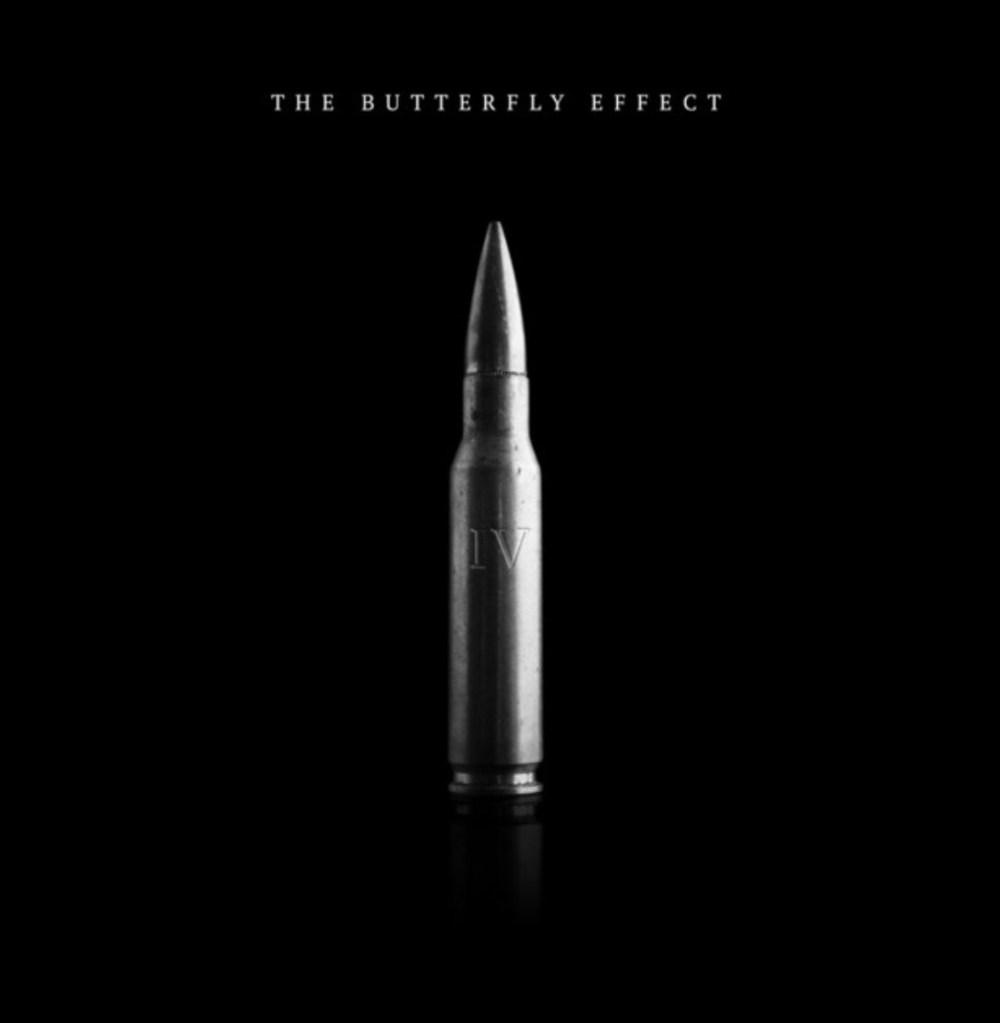
From Australia, “IV” is their fourth album (“duh”) however it is their first piece of new music in over 14 years and what a triumphant return it is.

This album was also anticipated highly by me. You see “TBE” are part of a group of Australian artists like Cog, Karnivool, Birds Of Tokyo, Dead Letter Circus, Superheist and The Superjesus that I really got into between 2001 and 2012. One of the bands I was in opened up for Cog quite a few times.

Every song is strong.

“IV” is a raw, sad instrumental which leads into “Dark Light” and that pseudo melodic metal Chorus. I feel like I hear “Come Undone” in “The Other Side” and I like it.

“So Tired” sounds like a demented Guns N Roses in the verses and a section which reminds me of Aussie rockers “Powderfinger”. But make sure you stick around for the interlude section of the song (which also sees the song to the end). The music and the vocals of Boge as he sings “It’s not over now”. It’s unbelievable.

“Unbroken” is the most streamed song from the album at 458K streams. Its melodicism immediately infects me.

But closing track, “Visiting Hours” is a masterpiece to me. It is an accumulation of their first three albums into an atmospheric, progressive ballad.

Vocalist Clint Boge is one of the best in the business. Guitarist Kurt Goedhart is a riff-meister and he decorates each track expertly while bassist Glenn Esmond and drummer Ben Hall showcase why they are one of the tightest rhythm sections around.

Or in the case of the metal-esque song “Great Heights” one of the most expressive rhythm sections.

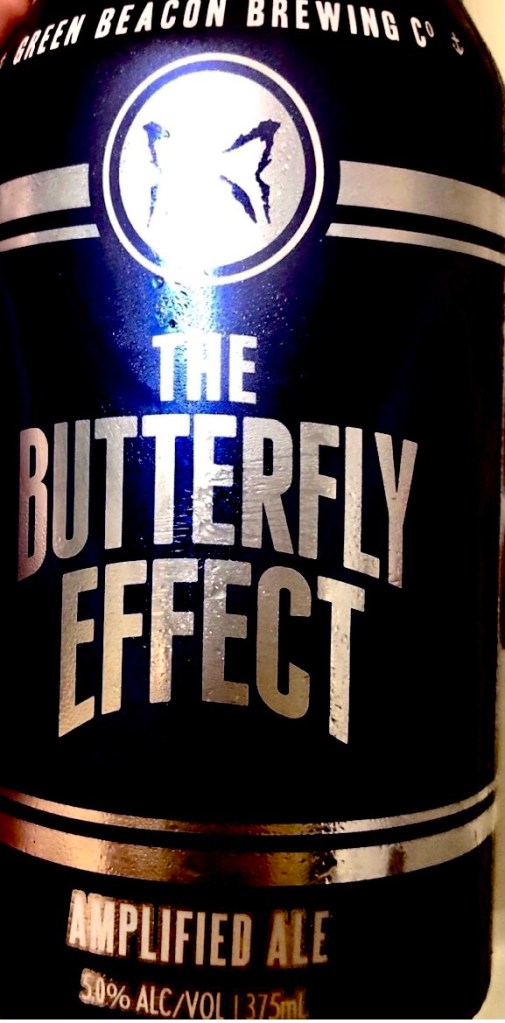
And in keeping with the Aussie spirit of sinking a few cold ones before a show, The Butterfly Effect teamed up with their favourite brewery, Green Beacon Brewing Co, to create an ‘Amplified Ale’, which was available to enjoy on their recent sold out tour.

I’ll drink to that.

Standard
Classic Songs to Be Discovered, Influenced, Music, My Stories, Unsung Heroes

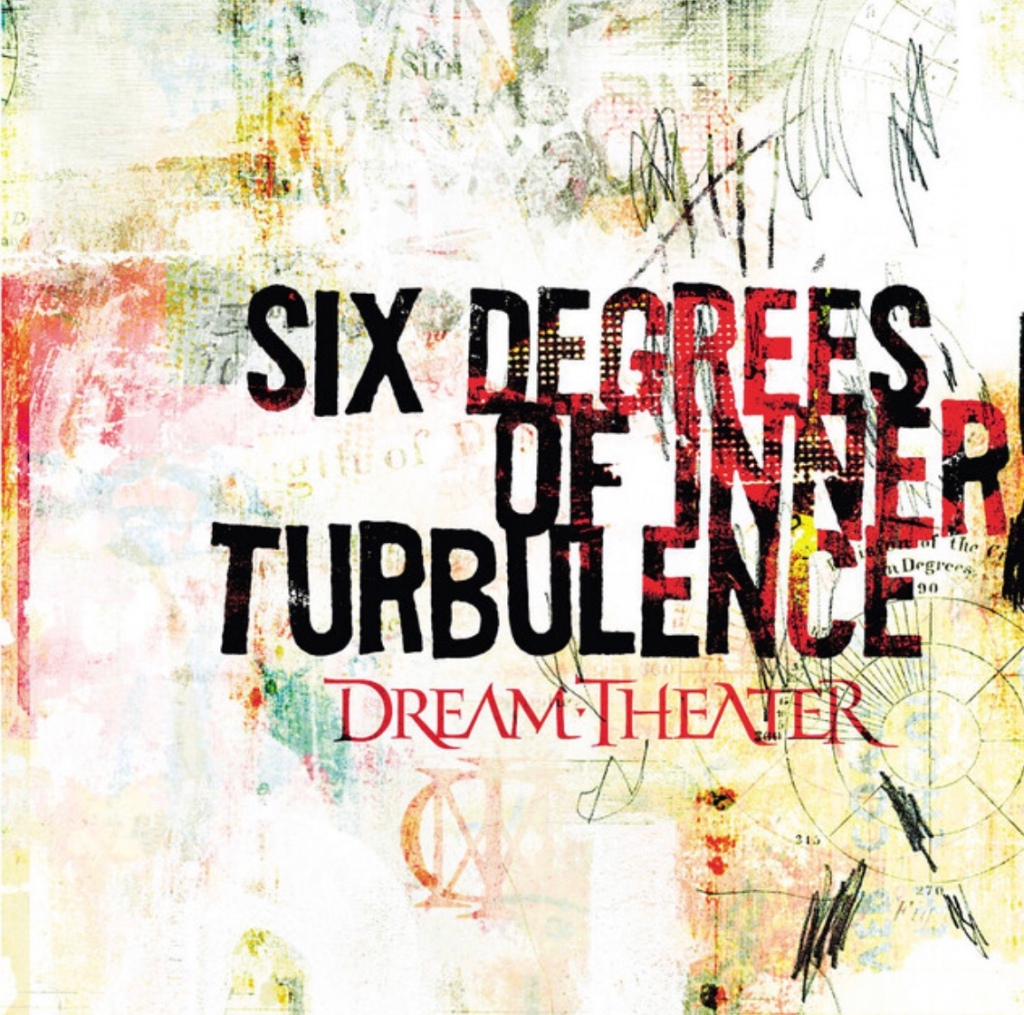
The Record Vault – Dream Theater – Six Degrees Of Inner Turbulence

Dream Theater was redeemed. Their previous album “Scenes From A Memory” renewed their fan base while also satisfying the existing fan base.

I was interested at what was next.

A double album. This is something the band tried to do with “Images And Words” and “Falling Into Infinity” however the label both times said “no”. But this time around, they said yes.

With the same personnel of James LaBrie, John Petrucci, Jordan Rudess, John Myung and Mike Portnoy locked in, the band released “Six Degrees of Inner Turbulence” on January 29. 2002. The first disc is made up of 5 songs that total 54 minutes and 18 seconds. The second disc is one song, which clocks in at 42 minutes, however that one song has 8 sections in it, which are sequenced as individual songs.

On the Wikipedia page for the album, it tells me that the influences for the album’s writing and recording, according to the authors, include Metallica’s “Master of Puppets”, Radiohead’s “OK Computer” (and also a Radiohead bootleg Portnoy brought in), Pantera’s “Far Beyond Driven” and the song “Mouth for War”, Megadeth’s “Rust in Peace”, U2’s “Achtung Baby”, Tool’s “Ænima”, Nine Inch Nails’ “The Downward Spiral”, Soundgarden’s “Superunknown”, Alice in Chains’ “Dirt”, Kevin Gilbert’s “Thud”, King’s X’s “Faith Hope Love” and Galactic Cowboys’ “Space in Your Face”, Béla Bartók, Rage Against the Machine’s “The Battle of Los Angeles”, and Maria Tipo’s “Chopin Nocturnes”.

As a fan of the influences mentioned, I can definitely hear their sounds and textures.

The Glass Prison

The opening track.

It’s 14 minutes long, consisting of three parts called “I. Reflection”, “II. Restoration” and “III. Revelation”. The lyrics are written by Mike Portnoy and it’s the beginning of his “Twelve-Step Suite”. This song covers the first three steps of the AA program. The other steps would appear on subsequent albums.

The static phonograph noise that ends “Finally Free” on “Metropolis Pt. 2: Scenes from a Memory” (1999) begins this song. Then the arpeggiated bass riff starts the song. Press play to hear it. It’s essential listening, especially when the band starts to crash in and build it up.

At 5.487 million Spotify streams, the track is forgotten. But there are so many good bits in the song, like the thrash metal riff in the Verses which reminds me of “Disposable Heroes” by Metallica, or the Groove Metal riff at 5.55 which reminds me of Pantera or the riff at 11.10 which reminds me of King Crimson.

Blind Faith

Lyrics are written by James LaBrie. For a vocalist, he doesn’t get a chance to write the words he sings for the band. John Petrucci does most of em these days. Previously he shared this duty with Kevin Moore and then Mike Portnoy.

1.802 million streams on Spotify. Another forgotten track, however its dreamy Pink Floydish meets Marillion vibe gets me interested. The verses are a cross between Pink Floyd, U2 and Marillion.

Pink Floyd is a band that people either get or don’t get, hence why they come up in a lot of overrated lists.

For a song that’s almost 11 minutes long, the riff at 5.45 is to be heard.

Misunderstood

Lyrics are written by John Petrucci.

It percolates slowly until it explodes. Just over 9 minutes long, check out the acoustic guitar intro, which again reminds me of Pink Floyd and you need to stick around for the Chorus distorted riff at 4.08.

As part of the solo, Petrucci played the guitar solo, and then reversed it with the DAW software. He then learned how to play this reversed version, and recorded it that way. The listener gets a very unsettling effect.

The Great Debate

Tool immediately comes to mind. Lyrics are by Petrucci and at almost 14 minutes long, the song has a lot of great movements.

A bass guitar riff starts the song off, with Portnoy building it up to a crescendo while voices from various news reports talk about stem cell research while the keys/guitars decorate.

Then it cranks into the Tool riff and for about 5 minutes it follows a Verse/Pre/Chorus structure. Make sure you stick around for the riffs when Labrie is singing “Are you justified” and “Life to save life”. It’s basically Tool without Maynard, then again, Fates Warning released a Tool meets Porcupine Tree sounding album in 2000 with “Disconnect”. Jim Matheos showcased then that he can groove and decorate with the best of em.

Disappear

It’s rare that LaBrie gets two song writing credits. But here it is. The original title was “Move On”. The piano riff in the Intro hooks me, but man, that section from 4.37, it’s so heavy with depression and sadness, which I suppose goes with the “death” theme lyrics.

Disc two is the entire song “Six Degrees of Inner Turbulence”. Thank god Portnoy decided to sequence the CD so you can skip to the desired part.

The song explores the stories of six individuals suffering from various mental illnesses. Particularly represented are bipolar disorder, post-traumatic stress disorder, schizophrenia, post-partum depression, autism, and dissociative identity disorder. The “Unbreakable” trilogy from M. Night Shyamalan comes to mind here.

Overture

It all starts here, the Jorden Rudess composed instrumental, clocking in at 6.50.

While listening to these orchestral piece I find it boring, however when the band heard it, they took various melodies and ideas contained within this version and expanded them into segments of the complete piece. So what you hear here end up in the songs to come. But I still don’t like it.

For “Overtures”, I will take “The Titanic Overture” any day.

About to Crash

Lyrics written by Petrucci. This section clocks in at 5:50 and it’s very Genesis like.

“War Inside My Head” and “The Test That Stumped Them All “

They go together as the heavy/thrash metal pieces of the song with lyrics written by Portnoy.

Together the songs clock in at 7:11 in length. It has to be a special Portnoy nugget to have these two songs come in at 7/11. Press play to hear the Main Riff of “The Test That Stumped Them All”.

Goodnight Kiss

It’s a skip for me.

Solitary Shell

How good is the major key strummed intro from Petrucci who also wrote the lyrics.

About to Crash (Reprise)

The intro riff is a favourite. The first words I said were “fuck yeah”.

Lyrics are written by Petrucci and the song also has this Celtic section at 2.20 that I like along with the piano riff after it.

Losing Time/Grand Finale

A forgettable ending.

It’s never forgotten to me how Dream Theater carved out a career in a musical hostile label and promoters environment between 1992 and 2003.

When they broke big with “Images And Words”, Seattle was the scene. 10 years later, “Nu-Metal” and its various offspring’s like “Post Grunge” and “Alternative Rock” were a thing and acts like Creed, Limp Bizkit, Slipknot, Offspring, Disturbed and Nickelback were getting platinum albums thrown at em from every corner of the world. And yet they never abandoned their style. While they would incorporate some of the mainstream sounds into their music, they still kept their Dream Theater identity.

And this album was the springboard for bigger and more metallic things to come.

Standard
Music, My Stories, Unsung Heroes

1976 – Part 5.1: James Gang – Jesse Come Home

It’s the last studio album by James Gang, released in 1976. Joe Walsh was 5 years into his Eagles slot and the band had continued on with a variety of line-up changes.

Their first album in 1969 was recorded as a power trio consisting of Joe Walsh (guitars, lead vocals), Tom Kriss (bass), and Jim Fox (drums). One of my favourite guitarists Tommy Bolin recorded two albums with the Gang called “Bang!” (released in 1973) and “Miami” (released in 1974) before he accepted the Deep Purple offer.

Only drummer Jim Fox remains. This album is the only one recorded with lead guitarist Bob Webb and keyboardist Phil Giallombardo. Giallombardo was in the Gang’s first ever line up with Fox, however he had left prior to the recording of their first album.

The cover features an atmospheric painting of the folk hero riding off into the sunset, an image which fans had identified as evidence that the band had known this album to be its last.

The players on this album are Bob Webb on guitars and lead vocals on three tracks, Phil Giallombardo on keyboards and lead vocals on the other 6 tracks, Dale Peters on bass guitar and Jim Fox on drums.

I Need Love

Written by keyboardist and co-vocalist Phil Giallombardo.

A simple syncopated bass and kick drum groove starts off the song. It’s almost funky but I feel like its hard rock.

The vocal melodies are overused.

Some of the critics said that the playing is uninspired but these guys can play and groove as evidenced here.

Another Year

Written by guitarist and co-vocalist Bob Webb. It’s a typical 70’s cut, with a dreamy acoustic guitar shimmering with some emotive leads that remind me of “While My Guitar Gently Sleeps”.

Feelin’ Alright

Written by the band, it’s also the most streamed track at 196,915 streams on Spotify. Press play to hear the lead break.

Peasant Song

Written by Phil Giallombardo, it’s a piano ballad with strings and this song feels like a bad Hollywood movie soundtrack, and it doesn’t connect at all.

Hollywood Dream

Written by Bob Webb and I like the rhythm and groove of the blues. It’s almost metal and its forgotten at 46,590 streams on Spotify.

Love Hurts

Written by Andrew Gold who was an American multi-instrumentalist, singer, songwriter, and record producer. He played on a lot of albums from other artists and wrote songs for artists as well. He died in 2011 at age 59 from heart failure.

It’s is an overused title.

The piano is back again, so far removed from the funk and blues of what the band was known for.

It’s a skip for me.

Pick Up The Pizzas

An instrumental track written by Bob Webb. A terrible title for one of the best riffs on the album. Press play and enjoy another forgotten track.

Stealin’ The Show

When Bob Webb writes a track there is guitar on it. On this one the acoustic guitar is back and Bad Company comes to mind.

When I Was A Sailor

The closer, at 6 plus minutes long and written by keyboardist Phil Giallombardo. This song is more Styx than James Gang.

The album is forgotten, with most songs being streamed less than 50,000 times. Especially when you compare those numbers to the Joe Walsh penned tunes like “Funk #49” with 47.382 million streams on Spotify and “Walk Away” with 29.297 million streams.

In the end, this album is just a bunch of musicians who wanted a record deal. Unfortunately for them, it was under the name of James Gang, which would always be known as Joe Walsh’s band, even though he wasn’t a founder. But the label still saw value in the project, however they also pulled the plug on it after the album stiffed.

Standard
Influenced, Music, My Stories, Unsung Heroes

The Week (Last Few Months Actually) In Destroyer Of Harmony History – August 15 to September 20

I like doing these review posts as it gives me the opportunity to read my earlier writing. Some of it is okay, some of it is crap and some of it is good. But the life Reno’s I went through recently put a stop to these weekly posts.

So here is a review of a few months of history.

4 Years Ago (2018)

REDEMPTION

You can read my review of Redemption’s new album at the time, “Long Night’s Journey Into Day”. Vocals on this album were provided by Tom Englund from Evergrey, while previous efforts had Ray Adler from Fates Warning fronting them.

Being a fan of Redemption before Englund joined, I was always keen to hear a new Redemption record, however I was even more keen to hear it when I knew Englund would be singing.

STANDING FOR SOMETHING

Back in 2018, we had gas poisoning and acid attacks in the UK, Russia meddling in politics (and still meddling via a pointless war in Ukraine) and mother nature taking back her lands via fires, volcanoes, hurricanes/twisters and earthquakes. We have a problem with pollution in the air and plastics in our waters. We have people carrying out mass shootings or driving vehicles into crowds of people. We have wars over religion and poverty/famine in Africa is still happening and as much as big business want to deny it, climate change is real.

And then of course we got lockdowns due to COVID-19.

The past is littered with bands and music in general taking a stand against a problem, a situation, injustice and war. But what about now. What is upsetting musicians enough that they feel compelled to write about it?

Remember, you can’t be liked by everyone.

Take a stand.

LOCK UP THE WOLVES

A ticking clock sounds in the distance.

Suddenly it starts to get more louder as the speed increases.

It’s time for something to happen but what.

Then a syncopated guitar, drum and bass riff kicks in. And there is a pause. It happens again. And another pause.

“Lock Up The Wolves” doesn’t get the notice it should.

DR FEELGOOD

“Dr Feelgood” came out on the first of September, 1989. 33 years ago. The album cost me $19.99. I pay just a little bit more than that a month now for my whole family to listen to almost the history of music on Spotify.

The drug overdoses, the death and subsequent return from death for Nikki Sixx, the drugs, the crashed cars, the lawsuits, the drugs again, the imposter, Vince escaping jail, the women, the drugs again times two, the partying, the clashes with the law and the eventual “sobriety”.

“Dr Feelgood” had to be number 1. If the music didn’t do it, the stories would have. Apart from the big songs, the other songs on the album were not mere filler.

“Sticky Sweet” has a wicked solo section, “She Goes Down” has a great bass and drums verse section after the solo section, which ends with the sound of a zipper going down, “Slice Of Your Pie” is so Aerosmith, but it’s the Beatles “She’s So Heavy” outro that hooks me, while “Rattlesnake Shake” has a riff reminiscent to the 60’s blues guitarists that influenced Mick.

POWERSLAVE

“Live After Death” on cassette was my first Maiden. I even high speed dubbed the album, just in case the cassette deck chewed up the original tape. “Powerslave” was released a year before “Life After Death” but it came into my collection a few years after because if you had “Live After Death” you didn’t really need the earlier albums.

The thing with “Powerslave” which makes it great is that it has the power and energy of a live album and the line-up is finally stable. When you don’t have to look for new musicians to fill the void, you can focus on writing great songs as they did with the “Peace Of Mind”, “Powerslave”, “Somewhere In Time”, “Seventh Son of A Seventh Son”.

For an album which is 38 years old, it’s still so relevant today as it was back then. That is the power of music and great song writing.

1979 – Part 3

1979 was a year of transition. While some bands were on their last legs, some were just starting to find their own.

Led Zeppelin were coming to an end while Thin Lizzy was on the ascendancy. The Scorpions had bigger things waiting with “Rock You Like A Hurricane” and “Winds Of Change” while Fleetwood Mac and Bad Company delivered stellar albums that unfortunately got compared to their previous mega gazillion selling albums.

Aerosmith became a shell of the band they were with “Night In The Ruts”, while Motorhead after a few up’s and downs with record label crap, got lumped in with the NWOBHM movement starting off and started their brief commercial rise.

Uli John Roth left Scorpions and created Electric Sun, but in all honesty he should of stayed with Scorpions, while a supergroup of “musicians who all had small record deals” got together and called themselves Survivor. “Eye Of The Tiger” was a few years away, but you get to hear a band allowing their influences to shape their sound.

Basically, all the bands on this list just kept on creating, regardless of their status on the record label commercial tree. Because that’s why people get into music, to create. Not because copyright terms are forever or because some label said I will give you money to create.

Led Zeppelin – In Through the Out Door
Scorpions – Lovedrive
Thin Lizzy – Black Rose: A Rock Legend
Fleetwood Mac – Tusk
Bad Company – Desolation Angels
Aerosmith – Night in the Ruts
Motorhead – On Parole
Motorhead – Bomber
Motorhead – Overkill
Electric Sun – Earthquake
Survivor – Survivor
Susan – Falling In Love Again

11 CRUE YEARS

“Generation Swine” and “Saints Of Los Angeles” both came out on June 24, 11 years apart.

How fortunes change for a band in a decade?

Before 1997, Motely Crue was riding high after “Dr Feelgood”. They renegotiated their Elektra contract for a lot of money and dropped “Decade Of Decadence” with 3 new studio recordings. Life was good.

Then Vince left or was fired (depending on whose story you believe). Regardless, the Crue got Corabi and delivered a stellar self-titled album in 94. But it didn’t sell the way Elektra wanted it too, and since they were footing the bills, they wanted the blond guy back in. Yep, Elektra Records A&R Reps in 1995, referred to Vince Neil as the blond guy.

The Crue camp remained defiant and went ahead writing songs for an album to be called “Personality #9” with Corabi. But money wins in the end and Corabi was out and Vince was back in.

It’s never been confirmed, but the Chinese whispers were in full voice, and the story doing the rounds mentioned how Corabi’s wage was coming from the other guys. Basically, Elektra paid Nikki, Tommy and Mick. Management took their cut, legal took their cut, Corabi got paid a wage and the rest was shared between the other three based on the band agreement.

“Generation Swine” came out, you heard it was a confused album. During the tour, Tommy Lee and Vince Neil punched on and Tommy leaves, then comes back and leaves again. Nikki gets into a slanging match with Elektra and eventually the contract was terminated and somehow Nikki managed to get the copyrights of the Crue songs back in the hands of the band. They form their own label and away they go.

Randy Castillo comes in, “New Tattoo” comes out, Randy dies, Samantha fills in on drums, Nikki gets it going with Samantha and his marriage goes to pieces while the Crue play theatres and cancel shows all over the world. I know, their Australian tour got canned. And after “New Tattoo”, the Crue went on hiatus.

In between, they got some stories together and a book called “The Dirt” came out. The band got back together for a few select shows and demand was so huge, those few shows turned into a huge world tour which was encapsulated in the “Carnival of Sins” DVD release.

If you want to have a career as an artist, you need to be a lifer, and be ready to ride the journey. It’s not always bright lights and success after success. There are hard times and good times. Doors shut and other doors are opened. And when everyone wrote them off, they came back stronger than ever.

For a band who were just average musicians at best, they built a career 40 plus years long. And that period between 1997 and 2008 could have been the end, but it wasn’t.

KINGCROW

I was overdosing on a band called Kingcrow and their new album at the time “The Persistence”.

A FEW MILLION

I came across an interview from Vince Neil in Faces USA 1993. Post Crue departure, Vince was the man, the centre of attention. Here are some sections in italics.

Faces: What surprised you the most about the reception you received upon your departure from Motley Crue?

Vince: How quickly I was accepted. A lot of the labels had faith in me. I had a lot of different labels that were interested. It was a really exciting process, walking in there and talking with the different companies, like the heads of Geffen and Giant and Epic.

All these corporate presidents were like “Come on, come and be with us.”

I sat in with Mo Ostin at Warner Brothers and all these dudes and I felt so much power in the room. When I made the deal, went “Okay, give me the money I want and a Warner Bros jacket with Bugs Bunny on it and I will sign the deal.”

I went with a Warner Brothers basically because they gave me the money I wanted and the security of being on the Warner’s label.

Faces: Can you tell us what the deal was?

Vince: Eighteen million dollars for 5 records.

Think about it. Motley Crue signed a 5 album deal with Elektra worth $35 million and the singer who wasn’t even the main songwriter of the band, then goes and signs a solo deal with Warner Bros for $18 million and 5 albums. And the “Exposed” album is a great slab of hard rock during a time when hard rock albums started to disappear from the record store shelves. But in music, these long term deals very rarely are seen to the end. Two years later in 1995, Vince was no longer accepted, and he had no record deal and no management after “Carved In Stone” disappointed commercially.

The person who signed him, Mo Ostin left Warner Bros in 1994, so it’s safe to say the new team, didn’t really like some of the signings that the old team did.

Even Motley Crue didn’t see the end of their Elektra deal. The people who negotiated the Motley deal in 1992, were no longer at Elektra by 1995 and the new Elektra management team didn’t really care for Motley. All they cared about was the bottom line and Nikki Sixx constantly called out current Elektra boss, Sylvia Rhodes at the groups concerts, even calling her from the stage, so the crowd could tell her to fuck off.

So what’s a few million when bands make the labels multi-millions.

SOLO

I expressed my disappointment at the SOLO movie, which basically put into images the words that Han Solo said in the original Star Wars movies.

Did we really need $300 million spent on that?

The problem these days is movies have a lot of action scenes and hardly any good dialogue scenes. Meanwhile TV shows are winning the story script war hands down.

And do movies need to cost $300 million plus to make. In my view the higher the cost of the movie, the less story it has. And people are attached to a story.

COPYRIGHT ISSUES

It’s sad reading stories about how far removed Copyright Law is from what it was intended to be.

Copyright battles are happening everywhere. Most of the news is on how the record labels and movie studios are calling on governments to pass stronger dictatorship style copyright laws which would give these organisations police like powers.

But Copyright was originally designed to help the creator of the art. However, it’s assisting the corporations to make billions of dollars while the creators make a lot less.

Remember the movie, “This Is Spinal Tap”. Well, the movie has made over $400 million in profits, however the co-creators have received $81 from merchandise sales and $98 from record sales. If you think those amounts are pretty low, well the co-creators thought so as well, and off they went to court, for fraudulent accounting and to get the copyright back in the hands of the creators. And lucky for them they got a judge that saw their side, so the case is going to get interesting. Unfortunately for UMG/Vivendi, the co-creators in this case, also found fame with “The Simpsons” and they have a voice in the market as powerful as the corporation.

8 Years Ago (2014)

EASTERN EUROPE

I was in the middle of our holiday around Eastern Europe and you know what, piracy is king in these countries. CD and DVD shops exist with forgeries. Clothing shops exist with forgeries.

But in all of this piracy, thousands of people turn up to watch artists perform live. Every artist tours Eastern Europe and I am pretty sure that sales of recorded music now and in the past didn’t correlate to the thousands who attended the shows.

PROTEST THE HERO

I got back from Eastern Europe on a Thursday morning and by Friday night I was at the Manning Bar at the Sydney Uni watching Protest The Hero. The ticket for the night was $45 Australian plus booking fee of about $6. Compared to some of the prices I have paid for tickets, this was a good deal.

And that’s a wrap of about a months’ worth of posts from the past.

Standard
A to Z of Making It, Classic Songs to Be Discovered, Music, My Stories, Unsung Heroes

1986 – Part 5.1: John Cafferty – Tough All Over

Back in 1980 they self-released a single which included the songs “Wild Summer Nights” and “Tender Years”. They sold over 10,000 copies, had radio play and they toured up and down the Atlantic seaboard. But the act was still ignored by the labels due to persistent comparisons to Bruce Springsteen & The E Street Band.

They finally achieved international success when producer Kenny Vance, a long-time fan, offered them the opportunity to score a movie soundtrack he was in charge of, based on the best-selling novel about a legendary bar band, “Eddie and the Cruisers”.

Vance wanted to use the music of Bruce Springsteen, but it was too expensive to license, so he got an act that sounds like Springsteen. The world was finally introduced to “John Cafferty And The Beaver Brown Band”.

In 1983, “Eddie And The Cruisers” came out and the singles “On The Dark Side” and “Tender Years” from the soundtrack cracked the Top 10 Billboard Charts. The soundtrack was released on CBS Records and you would think that CBS would sign the act, however it was independent label Scotti Brothers who signed them. They had distribution via CBS and the label was known for launching the career of Survivor.

“Tough All Over” was first released in 1985 and it was Cafferty’s first attempt to pull his band away from the “Eddie and the Cruisers” franchise. As soon as you heard his voice, you imagined it was actor Michael Pare, who did a pretty good job lip syncing in the movie. Well that is how I remember it.

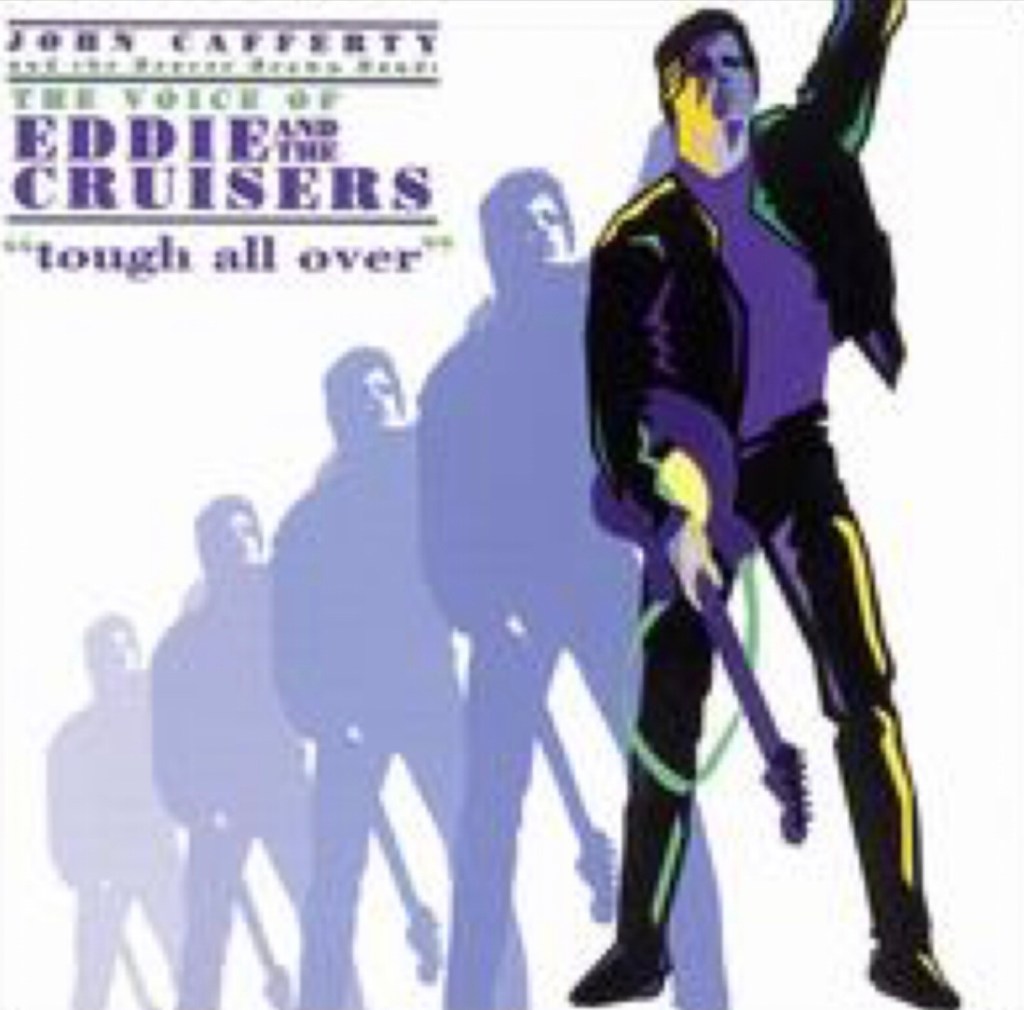
And the album did okay business, but the label decided to re-release it in 1986 with a different album cover and “The Voice of Eddie and the Cruisers” added to the title. Maybe they thought it would sell more if it had this extra add on. Hence the reason why it is listed as an 1986 release for me.

All songs are written by John Cafferty who also does vocals and rhythm guitar. The Beaver Brown Band is made up of Pat Lupo (RIP) on bass, Kenny Jo Silva on drums, Gary Gramolini on guitar, Robert Nicholas Cotoia (RIP) on keys and Michael Antunes on saxophone.

Voice of America’s Sons

The fourth and last single released from the album. If you are a Stallone fan, you would remember this song from the 1986 movie “Cobra”.

As a side note, John Cafferty also sang the song “Hearts On Fire” for the “Rocky IV” movie. It was used during the training montage music in Russia.

The major chords immediately give you a feelgood vibe, and John Cafferty is bringing back the summery sounds of the 70’s in the 80’s.

Spent those years dreaming, but the dreams didn’t last, time is moving much too fast, turn the radio on

The radio was an escape into the world of music and the emotions which music brings.

Well they built those factories, with blood sweat and steel, coming down fast under, the weight of the wheel

My Dad worked in those same factories in Australia, until a broken back retired him.

Tough All Over

The first single from the album.

It’s basically a hard rock song built on a synthesizer riff, the song describes the struggles of young working individuals. Sort of like how “Living On A Prayer” described the lives of Tommy and Gina a year later.

“Well, she’s waiting for the bus down on the boulevard / Pretty little working girl / She ain’t got no fancy clothes don’t drive no fancy car / She’s the waitress at the bar and grill”

“Well, he’s drinking at the bar down by the old boat yard / He sits and he talks to strangers / The factory laid him off and life’s been getting hard / It’s enough to make a good man bad”

I guess we haven’t progressed much since the 80’s in relation to doing it tough. We still have our addictions and we are still trying to win something in this game of life.

C-I-T-Y

The second single. You can’t deny the rock and roll Bruce Springsteen and Huey Lewis influence on this track.

“On the South side of Detroit city, I’m working all night on the line, Under black smoke stacks, building Cadillacs, Jack, not one of them will ever be mine”.

How good are the lyrics?

Immediately an image forms in my head.

“Living in the C-I-T-Y, life here ain’t no dream”

Where the Action Is

The drumming reminds me of those 60’s beach songs, like “Wipeout” and the guitar playing reminds me of Dick Dale. Overall, the song would not be out of place on any 60’s Rock soundtracks.

Dixieland

I know John Cafferty probably hates it, but goddamn this song is Springsteen through and through.

Strangers in Paradise

It continues with the similar major key riffing that appears on “Voices Of America’s Sons”. Think of the keys riffs from Jonathan Cain.

Small Town Girl

The third single about working a late shift in his Dads shop and how he finally meets a girl that lives across town that drives him crazy. It’s got that 60’s ballad feel. The song wouldn’t be out of place on the “Grease” soundtrack.

More Than Just One of the Boys

This one is probably the most current sounding track that isn’t dated to any era. It has all kind of influences, with Billy Joel coming to mind.

Tex-Mex (Crystal Blue)

I thought it would be a greasy blues tune like ZZ Top, but it’s a ballad with a Mexican influence. Johnny Cash comes to mind.

John Cafferty never broke big in Australia with his American Heartland lyrics, while artists like Mellencamp and Springsteen did, however I was a fan. His Beaver Brown band could rock with the best of the backing bands at the time.

The only thing I can write is to crank it.

Standard
Music, My Stories

The Record Vault: Dream Theater – Live Scenes From New York

Released in 2001.

They play the whole concept album in its entirety (with some improvisation) and cast extras join the band to do the voiceovers of the characters.

They are very precise in their playing, but they also leave room for jamming and improvisation, which is something a lot of acts don’t do. Go watch a Metallica or Iron Maiden concert and you don’t get a lot of improvisation during the songs. The songs are more or less played the same way they are recorded. But if you watch Dream Theater, you will get a lot of jamming.

Some of Petrucci’s best solo moments are from live recordings. Like the solo on “Hollow Years” from the “Live In Budokan” release. He takes the normal solo with a bit of improvisation and then they extend it, to go into a hard rock “guitar hero” solo for about two minutes as part of the song. If you like guitar playing at its finest, then you will need to check this moment out.

On this album, his improvised solo on “Through Her Eyes” is exceptional.

James LaBrie cops a lot of hate for his vocals.

One thing about live performances and when I say live, I mean live, (not a live album sold as a live album with the instruments and vocals recut in a studio) is that it is really difficult to be consistent vocally.

A vocalist will always be pitchy live due to the volumes and how the noise of the other instruments and the crowd bleed into the ear pieces, making it hard to hear if they are hitting the right pitch all the time.

There are a few “what the” moments here.

One that comes it mind is when Mike Portnoy screams out “who wants to cum” at the climax of some love making samples which segues into the solo section of “Home”.

“The Dance Of Eternity” is seen as the definitive Dream Theater instrumental. It has all the trademarks of what makes Dream Theater unique and that whole “swinging 20’s show tunes” section from 2.30 minutes shows growth and diversity. Hearing it back today, it amazes me how effortlessly they just fused different eras and genres.

A highlight for me is the ballad “The Spirit Carries On”. The solo on the recording was a “Guitar Hero” moment and Petrucci delivers a masterclass here.

“Finally Free” is more or less a forgotten track when it comes to Dream Theater lore, but musically it is one of their best. Most of it is in 4/4 timing and very easy to digest. Plus it has an ending where Portnoy unleashes some unique and technical fills in the studio recording. Hearing him do that live and also improvising a little bit, without missing the beat is what live music is all about. And at 9.30, they go into a familiar section that wasn’t part of the studio recording, but is part of the live show at this point in time. Again, this is what live music is all about.

After the “Metropolis Part 2: Scenes From A Memory” album is played, they begin the other songs.

And is starts with “Metropolis – Part 1: The Miracle And The Sleeper”. The audience knows it and they cheer it. The guitars from Petrucci sound so much more heavier than the studio recording of a decade before. Rudess was not even part of the band then, but the keyboard parts sound like they are his. The Led Zeppelin, “Kashmir” first verse is still my favourite part of the song.

They go into “The Mirror” and I am a fan of how Petrucci employs the 7 string here, more Tool like in its rhythms. “Just Let Me Breathe” is my least favourite from the “Falling Into Infinity” album so I don’t really care for it here. “Acid Rain” from The Liquid Tension Experiment appears. This is from the side project that Portnoy put together after the “Falling Into Infinity” album, which involved, Petrucci, Rudess and Tony Levin on bass. From this side project, Rudess ended up joining Dream Theater.

While Petrucci and Portnoy did “LTE”, bassist John Myung did Platypus with ex Dream Theater keyboardist Derek Sherinian and guitarist Ty Tabor of King’s X (who also sang lead vocals) and drummer Rod Morgenstein of Dixie Dregs/Winger fame.

Singer James Labrie also did Mullmuzzler. The record company would not allow LaBrie to use his own name, so he created the name of MullMuzzler and defined it as: “to gag or silence an individual’s thought before it can be expressed in any manner”. Joining Labrie in this project was future Dream Theater drummer Mike Mangini, guitarist Mike Keneally who did time with Frank Zappa, Dweezil Zappa and Steve Vai. Bryan Beller was on bass and his background includes Dweezil Zappa. Matt Guillory played the keys and wrote a lot of the songs with Labrie.

“Caught In A New Millennium”, “Another Day” and a 6 minute Jordan Rudess keyboard solo (which the show didn’t really need) closes out disc 2. “Another Day” is such a good song and it should have been a massive hit. They probably should have shopped the song around to other artists to redo. For the live version, they even bring out a saxophone player.

Disc 3 is like the encore of the show.

It begins with “Erotomania”, “Voices” and “The Silent Man”. This trilogy of songs is known as the “A Mind Beside Itself” a three-part song cycle first released on their 1994 album “Awake”. When the separate songs are combined, the Trilogy clocks in at 22 minutes.

“Erotomania” is an instrumental. There is a section in the song which was originally written for “Pull Me Under” but removed before recording took place. So it got added to this instrumental. It’s a guitar hero moment with a lot of string skipping and fast alternate picking. Petrucci has no issue doing this live. Another masterclass.

The lead break in “Voices” is so bluesy in origin and of course Petrucci spices it up with some fast alternate picked runs between soulful bends.

“The Silent Man” starts off a bit different and I like it. If you want to hear Dream Theater Unplugged then press play on this. The solo section is extended and the whole band is in. It moves between ragtime and country leads.

I’ve said it before and I’ll say it again. This is why I go to the live show.

“Learning To Live” which clocks in at 14 minutes is next. It’s my favourite track from the “Images And Words” album. The song originally is about 11 minutes long, so they improvise for an additional 3 minutes. There is a reggae like section in the solo section that is added. And the outro is extended. You should actually press play on this outro. Myung lays down the groove on the bass and the rest of the band builds on that, decorating it to a crescendo.

Their encore so far, is at 36 minutes.

They close the show with “A Change Of Seasons”, which at that point in time was their longest song at 24 minutes. Bringing the total encore to 60 minutes. A lot of metal and rock bands just do a 90 minute show (80 minutes and a 10 minute encore), or a 120 minute show (100 minutes and a 20 minute encore). Dream Theater delivered a 180 minute show.

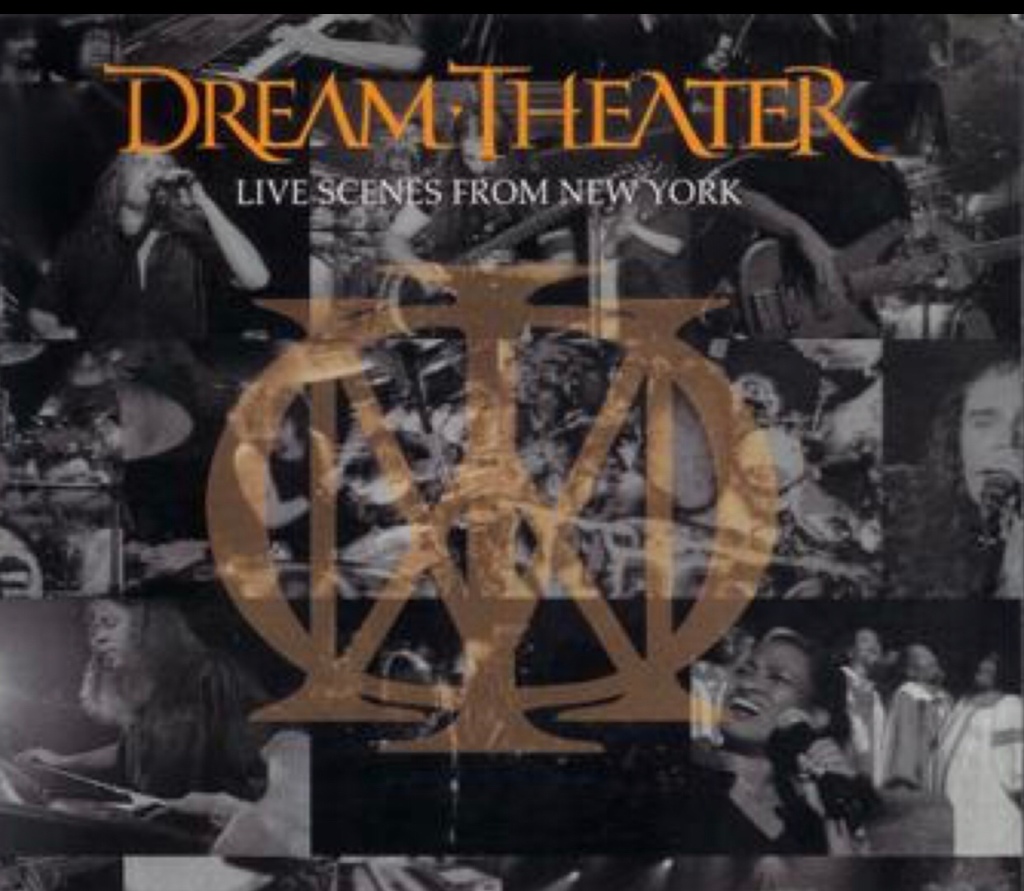
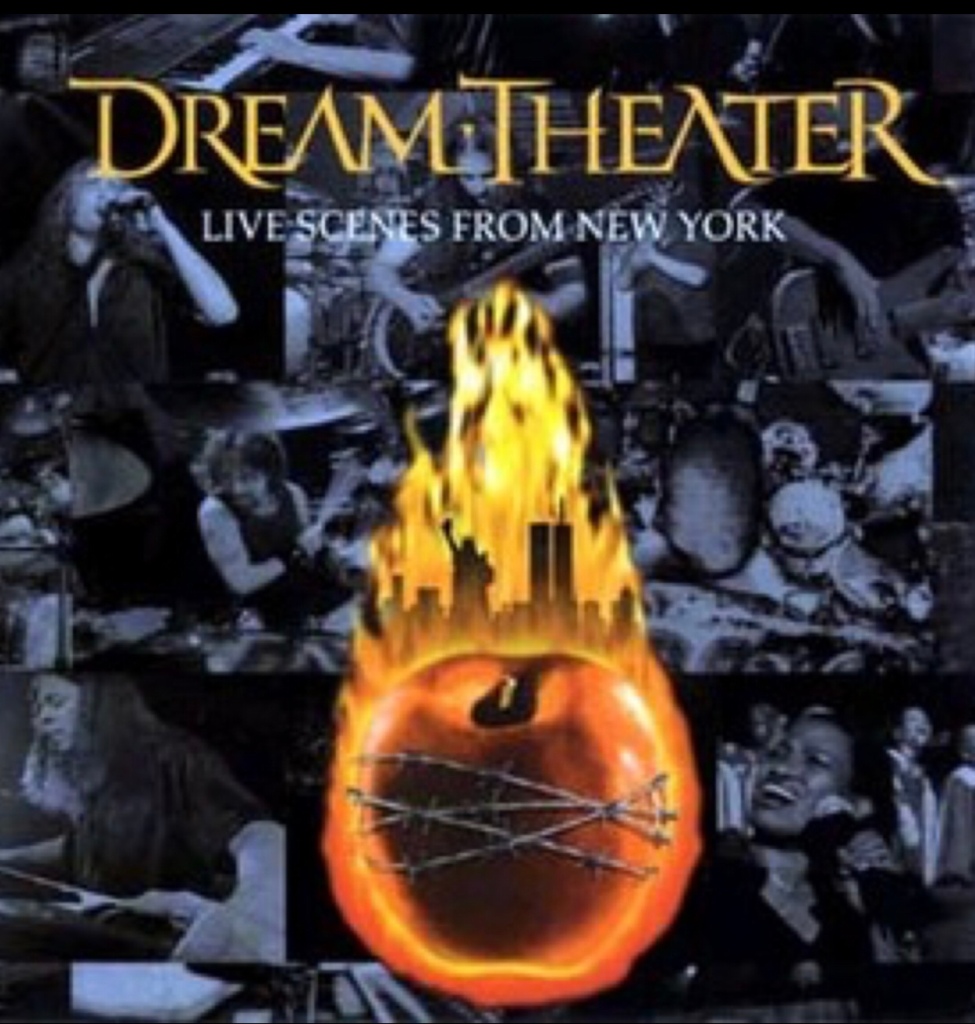
In a case of Nostradamus clairvoyance, the original album cover had the Dream Theater logo over a burning New York skyline with the World Trade Towers on fire. It was all printed and packaged for its release date of September 11, 2001.

You can guess how that went down.

Standard
A to Z of Making It, Derivative Works, Influenced, Music, My Stories, Unsung Heroes

The Week In Destroyer Of Harmony History – August 1 to August 14

4 Years Ago (2018)

Dee Snider

Dee Snider released “For The Love Of Metal” and it’s basically metal music the way I knew it. Which is very different to how metal music is known these days with hard-core growls and scream vocals added to the mix. I even remember when AC/DC was found in the Heavy Metal section of the record shop, whereas now if you do find a record shop, AC/DC is in the rock section. Even Bon Jovi was classed as “heavy metal” once upon a time. It was a broad classification, that’s for sure.

Dee’s message of the outcasts standing together against oppression and censorship and authority resonated big time with me in the 80’s. I didn’t care about the look. I never got into a band because they looked cool. The music is always the entry point.

The area I grew up in had a lot of migration from Europe. And the residents didn’t like it. Nor did they like the different languages the new migrants spoke. But somehow, we found ways to get along in suburbia. But in the schools’ it was a different story. There was no “cool” teacher like there is nowadays.

Actually, all of the teachers I had were oppressive and they hated rock music. It’s probably why songs like “We’re Not Gonna Take It”, “You Can’t Stop Rock N Roll”, “Bad Boys (Of Rock N Roll”, “Come Out And Play” and “Wake Up (The Sleeping Giant)” resonate.

When Twisted disbanded in 87, Dee wasn’t in the news a lot, except for a few little paragraphs here and there in a magazine about his upcoming Desperado project. Then that project got killed by record label bosses, then Widowmaker got up and running, however Grunge came and suddenly it felt like the biggest voice in my life was missing during the “golden commercial years” of metal and rock music.

But Dee is a lifer. He battled tooth and nail to make it, so there was no way he was going to lay dormant. And like it was written in some holy book, Dee came back, more diverse than ever. He became a movie maker, a radio show host, a solo artist, an author and when TS reformed, he led them up front all the way to the last show.

And his solo music probably doesn’t have the same public acceptance as the Twisted music, but it doesn’t mean it’s not important or influential. As I’ve said before, a million sales of an album doesn’t mean you have 1 million fans. You just have a million people who purchased the album. Some would have liked it and played it over and over again, some would have heard it once and never played it again.

With hundreds of releases coming out each day, compared to the 50 odd each month in 1984, each artist is fighting against the same tide. Fans can spread the word and make the new release rise above the waters.

In saying all that, “For The Love Of Metal” deserves to be in the public conversation and credit Jamey Jasta in challenging Dee to make this record, as well as produce it with Nick Bellmore and write music/lyrics for it.

For the love of metal, check out my review here.

Candlebox – Sometimes

The 90’s didn’t feel that far away, but man the Candlebox debut album dropped in 1993, which makes it 29 years old. The truth is, Candlebox is so good on the debut album, I decided to give other 90’s bands a listen.

The “Purple Rain” sounding “Far Behind” is the star of the debut album. Then you had “Don’t You” and “Change” that rock as hard as any 80’s band and I used to cover “You” in bands I played in. I love the B minor key for songs and to be honest, a lot of punters thought it was an original.

And “Cover Me”, is hidden all the way at the back end of the album at number 10. Brilliant track and a great solo section.

I didn’t get the “Lucy” album until a few years after its release. And something was missing. You know the whole saying, you have a lifetime to write your first album and you just write music that suits your tastes when you start out. Then your music breaks through into the mainstream and suddenly you feel like you need to write hits. I’m not sure if this was on their minds, but something definitely was. Because it was different. Maybe I just moved on. Who knows.

Anyway, “Happy Pills” came out and like “Lucy” I didn’t lay out money on it for a few years after it was released. Actually, by the time I got it, the band was already broken up. I was listening to the album, while I was working, not really paying attention, like it was background music and then “Sometimes” came on.

I stopped and listened. And just like that, Candlebox was back in my headspace.

2014 (8 Years Ago)

Nothing…… No posts. Zero. Zilch.

The European trip I was on, was for a total of 10 weeks all up. The way I see it is easy. The distance from Australia to Europe is massive. So if I am going to pack up my family and go, it needed to be worth it.

To get to any part of Europe from Sydney, will take about 22 hours of flying, plus waiting times at stop overs. For this trip we used Austrian Air, so the path was Sydney to Bangkok (with 8 hour wait at Bangkok), Bangkok to Vienna (with a 4 hour wait at Vienna) and from Vienna you can go to any part of Europe.

Standard
Classic Songs to Be Discovered, Derivative Works, Influenced, Music, My Stories

1996 – Part 5.6: Yngwie Malmsteen – Inspiration

After battling to make a name for himself on the small Polydor label, Yngwie Malmsteen finally got the big label deal in 1992 with the release of “Fire And Ice” on Elektra. While the album did great business in the Japanese and Eastern/Northern Europe market, it failed in the U.S.

The million plus dollar advance from the label was classed as “unable to be recouped” and he was dropped from Elektra.

One door closes another one opens. A Japanese company called Pony Canyon signed Malmsteen. “The Seventh Sign” came out in 1994, achieving a Platinum certification in Japan, followed by “Magnum Opus” in 1995 which received a Gold Certification in Japan.

“Inspiration” is the ninth studio album by guitarist Yngwie Malmsteen, released on 14 October 1996.

Malmsteen was back to releasing an album a year, in order to remain relevant and in the public conversation during the hostile 90s. If he didn’t do that, obscurity was not too far away. Artists these days whinge about Spotify and how they believe that the service is making them release constant product. It’s not the service, it’s the market. The market demands constant product. It always did.

Yngwie Malmsteen on guitars/bass and Anders Johansson on drums play on every track. The rest is a cast of artists like Jeff Scott Soto, Joe Lynn Turner, Marcel Jacob and various keyboard players.

Carry On Wayward Son

Written by Kerry Livgren.

It shows the reach Kansas had, so that a kid from Sweden would consider the band as an influence.

Jeff Scott Soto is on vocals here and his Talisman buddy, Marcel Jacob is on bass. David Rosenthal is on keyboards. During this same period, Malmsteen also appeared on a Talisman release. A sort of, “scratch my back and I will scratch yours” type of agreement.

Malmsteen makes the song sound like an over-indulgent Malmsteen song with his over the top soloing on any part of the song that doesn’t have vocals.

Pictures of Home

It wouldn’t be an influence album for Malmsteen if there was no Ritchie Blackmore. Malmsteen’s poses and looks are straight from “The Look Of Blackmore”. This is the first of four Blackmore songs. Joe Lynn Turner is on vocals here, who also sang on Malmsteen’s most successful album “Odyssey”. Mats Olausson is on the keys.

The lead breaks are Malmsteen lead breaks full of legato runs and of course, sweep picking. A lot of sweep picking.

Gates of Babylon

From Rainbow and Jeff Scott Soto is on vocals here. His voice and tone is perfect for the song. David Rosenthal plays the keys here.

The song would not be out of place on a Malmsteen album. The riffs are already what Malmsteen plays and as soon as he throws in his sweep picking and fast classical legato lines, it’s basically a Malmsteen song.

Manic Depression

From Jimi Hendrix and like his idol, Malmsteen is on lead vocals. I suppose for all the shredding, Malmsteen doesn’t get credit for being a pretty crazy blues player. Vocally, he doesn’t have the swagger of Hendrix.

In the Dead of Night

From the band U.K., the song is written by Eddie Jobson and John Wetton. Mark Boals is on lead vocals here with Jens Johansson on keyboards. And for those who don’t know John Wetton, he’s appeared in King Crimson, Roxy Music, Uriah Heep, Wishbone Ash and Asia.

But the reason why this track is here is due to Allan Holdsworth being the guitarist. Holdsworth was an unknown name to me until Eddie Van Halen started mentioning him in his interviews in the mid 80’s, which led me to seek out his solo recordings.

Ty Tabor also mentioned in an interview (which can be found on the Wikipedia entry of the U.K album) that the self-titled U.K album is in his “5 Essential Guitar Albums” list, stating that he “had never heard anybody think about playing guitar the way that Holdsworth plays on that record.”

Holdsworth never got mainstream attention. Producers and label heads called his music “without direction”, however to guitarists he was like a god.

You can hear the melodic rock side of Malmsteen here with a bit of progressiveness and how songs like “You Don’t Remember” and “Judas” with the keys and guitars playing great riffs that complement each other.

The solo break groove is excellent, however Malmsteen this time is just too much on the speed, and it just doesn’t fit the groove.

Press play on this track first.

Mistreated

From the David Coverdale era of Deep Purple.

This is the third Blackmore track to appear on this.

Would Malmsteen have covered this, knowing that Coverdale wrote the main riff?

Regardless, the song is perfect for soloing and Malmsteen uses that opportunity to do just that. But if I had to pick a cover version, it is the Whitesnake version with Reb Beach soloing. That solo just hits all the right notes.

Jeff Scott Soto is on vocals here with Mats Olausson on keyboards.

On this version, press play to hear the solo that comes in at the 4.20 minute mark. Malmsteen harmonises, its bluesy like “Still Got The Blues” and I like it.

Also stick around for the ending. It’s excellent. Soto really shines here, as he adds in backing vocals that sound like Gospel vocals and while they are happening he is ad libbing his main vocal while Malmsteen is throwing every lick he knows to the Master Tape.

The Sails of Charon

Another guitar player that influenced Malmsteen heavily was Uli Jon Roth, so it’s no surprise that his most classical sounding metal song with the Scorpions is covered.

Mark Boals is on lead vocals here and does a great job on the vocals, however Malmsteen just solo’s way too much here.

Demon’s Eye

Joe Lynn Turner is on vocals here with Jens Johansson on keyboards. I like how Malmsteen included bluesy Deep Purple here and still added his classical licks with bluesy Chuck Berry’isms.

Anthem

From Rush and Mark Boals sizzles on lead vocals here.

The pace of this song screams energy and I like it. And goddamn it sounds so heavy.

Child in Time

Mark Boals does an excellent job on lead vocals again with David Rosenthal on the keys.

The keys actually take the lead here (i.e. they basically sound like Malmsteen is playing them), carrying the intro and verses. Malmsteen cranks in right when the ohh’s start.

Overall there are six main guitarists that serve as inspiration to Malmsteen. Ritchie Blackmore, Jimi Hendrix, Uli Jon Roth. Alex Lifeson, Kerry Livgren and Alan Holdsworth. Pretty cool inspirations if you ask me.

While the massive North American market still had its back turned to Malmsteen along with the U.K and parts of Western Europe, the Japanese, Scandinavian Countries and Eastern Europe markets kept sustaining him.

If you want to hear two songs from this album, press play on “In The Dead Of Night” and “Mistreated”.

Standard
Classic Songs to Be Discovered, Derivative Works, Influenced, Music, My Stories, Unsung Heroes

Australian Method Series: Airbourne – Boneshaker

The method is simple.

Listen to an AC/DC album and write songs that have the vibe from that album. It’s been “Airbourne’s” template for the first four albums, so why change it for album number five.

But on the album, I would like to add a few other Australian bands like Rose Tattoo, Screaming Jets and The Angels to that list of influences.

“Boneshaker” was released on 25 October 2019, produced by Dave Cobb which was a surprise choice, considering his big production credits involve Chris Stapleton and “The Star Is Born” soundtrack. But the band wanted to work with Cobb based on an album he did for a small obscure band called “Black Robot”. Check out their 2009 album to hear a pretty cool slab of AC/DC, Aerosmith, Bad Company and Lynyrd Skynyrd.

Airbourne is still underpinned by brothers Joel O’Keefe on Vocals/Lead Guitar and Ryan O’Keefe on drums. Justin Street is on bass and new dude Matthew Harrison is on guitar.

Boneshaker

This track wouldn’t be out of place on an early Y&T album. Maybe because they have the lyric, “Earthshaker” after “Boneshaker”.

Burnout the Nitro

It has a country twang to it, but played through a distorted amp, in sounds rock and roll.

“Racing down the highway” instantly brings back memories of “Long Way To The Top”. And that’s basically the vibe of the song, a cross between “Long Way”, “Shoot To Thrill”, “Let There Be Rock” and “Whole Lotta Rosie”. If you are going to be influenced by AC/DC, you might as well be influenced by some of their biggest songs.

This Is Our City

“This is our city, lets rock and roll”. And the live show is summed up in a simple line.

Sex To Go

Great title and perfect for the fast paced social media lives we live in. At 2 minutes and 34 seconds, it’s probably just enough time to have fast food take away sex. And how can you not go past a lyric like “all I want is your apple pie”.

In the words of Sammy Hagar in “Good Enough”, I’ll have some of that.

Backseat Boogie

“Long Way To The Top” makes another comeback. And I like it

Blood In The Water

A groovy “Whole Lotta Rosie”.

She Gives Me Hell

Being on the wrong side of a toxic relationship sets up the lyrical foundation over a musical influence from “Highway To Hell”.

Switchblade Angel

The speed rock and roll is back and I like it.

Weapon Of War

The slow blues grit and groove is back for a song about war vets.

Rock ‘n’ Roll For Life

The fast “Let There Be Rock” vibe is back.

Rock and Roll along with all things Metal is a life style. Once you are in. you are always in. You might dabble in other genres but you’ll always come back. Because Rock N Roll is for life.

After 30 minutes and 36 seconds the album is over like fast food. Music on the go. Concise and straight to the point, there is no confusion as to what Airbourne is. A highly efficient and lean rock and roll band.

With no ballads.

Standard