Classic Songs to Be Discovered, Derivative Works, Music

1976 – Part 3.3: Deep Purple – Made In Europe

“Made In Europe” came out in 1976 and it features the line-up of Richie Blackmore, David Coverdale, Jon Lord, Ian Paice and Glenn Hughes.

The shows were recorded in 1975 before Blackmore left, however the album was released in 1976 long after Blackmore left and the version of Deep Purple after that had also broken up.

I am very picky when it comes to live albums. I think the problem is that I grew up with two many live albums that weren’t actually live or had some parts live and other parts recut in a studio.

So when I heard an official live album the first time with no studio overdubs I though I was listening to a bootleg. It was bad and I felt like I got ripped. Some of the bootlegs I had sounded better. It took me a while to understand that a revising could never capture the power of a live performance properly and within time I started to enjoy the live albums with no studio overdubs.

Burn

The opening riff is more iconic to me than “Smoke On The Water”. The drumming from Ian Paice is thundering.

But press play to hear the bass playing of Hughes during the solos. It’s monstrous and he carries the rhythm section on his shoulders.

Mistreated

Because of its bluesy nature, it’s a great song to extend when you play it live. And the main riff is written by none other than David Coverdale himself.

But my go to version of this song is the cut that Whitesnake did. Reb Beach goes to town during the solo section.

Lady Double Dealer

It’s a 12 bar blues, bit its fast, like NWOBHM fast.

Check out the bass playing from Hughes on this.

You Fool No One

It has about 2 minutes of doodling, something which was common back then but not these days. These days, its song after song after song, with zero jamming.

After the doodling, there is a riff which is played, fast and almost thrash metal like. It’s something that Blackmore would do with Rainbow.

But the problem I have with this song is that they’ve take an almost 5 minute song and turned it into a 16 plus minutes song.

Maybe just a bit too indulgent.

However the artists ruled back then and no one would have dared to tell Blackmore to solo less.

Stormbringer

Another killer Blackmore riff. The tempo of the live version is a bit faster than the studio version and its perfect for the song.

You can hear the embryo of the NWOBHM right here.

The falsetto highs of Hughes are excellent and his bass playing dominates again.

This version of Deep Purple only lasted for two studio albums, but they are two albums I hold in high regard and rate as favorites.

And you can’t pass up a live album with Coverdale on vocals.

“Here’s a song for ya”.

Standard
A to Z of Making It, Copyright, Music, My Stories, Piracy

The Week In Destroyer Of Harmony History – October 17 to October 23

4 Years Ago (2017)

METAL T-SHIRTS

My then five year old had to draw his family in kindy class. In the drawing he had me drawn with a black T-shirt and black shorts.

When they say “Take the Black” in “Game of Thrones”, a metal/rock head says, “pffft, we’ve already done that”.

All though I’ve morphed to plain black tees as I have gotten older, I still break out the metal and rock t-shirts now and then.

When I first got together with my wife, I had a Posion T-Shirt with the sleeves cut off and she had dance music playing in the car.

I asked her if she had anything else.

The answer was no.

I asked her if she would be okay if I introduced some new music in the car.

She said okay.

The next day, I had the rock and metal mix tapes ready for indoctrination.

At first it was the more commercial sounding rock and metal.

Secretly the dance tapes ended up in a draw in my room. It was many years later that she asked what happened to those tapes.

\::/

ALBUMS

I started this post with “Just put out the damn album”.

When we laid out cash for the 10 to 15 albums we used to buy a year, we had time to digest and live with the music for a long time so we were okay with the lead up.

But.

The 8 week lead up to the release is too much these days especially when the LP run could be over in a month after it’s released.

That’s right.

That’s how fast new albums disappear from the conversation in the current environment.

The first week sales that might look great on paper are irrelevant.

Check the second week streaming numbers. Then the third, then the fourth and so on. Those numbers will show you if the fans care for the music or if only the press (that the marketing team has paid to promote your product) cares.

And people will complain about streaming revenue and how it doesn’t pay enough. Control your rights, have a song that people connect with and you will be paid well and forever.

If investment firms are cashing in, it’s because streaming pays. But it pays the organization who controls the rights.

YouTube, Spotify, Apple Music and all the rest will pay forever.

Isn’t that better than the one off transaction between the record store and the fan?

That fan could have purchased the album, taken it home, played it once and traded it.

Maybe that fan played the album a million times. But the artist wouldn’t know that behaviour. 

Data tells us what’s hot and what’s not. And like it or not, it’s always been about the hits. To me a hit isn’t the song that takes the number 1 slot on a chart.

“Fear Of The Dark” or “Hallowed Be Thy Name” or “Creeping Death” or “Fade To Black” or “Master Of Puppets” didn’t set the charts alight but the fans made those songs hit’s. Convert staples.

We don’t live in 1989, where mediocre stuff on the radio gets some traction because of the marketing/hype dollars invested into the promotion. We live in the era of connectivity and virality and hits and streaming that pays forever.

But artists need to release a continuous stream of product to win.

TRIBUTE

It’s my bible.

I played the cassette tape to death trying to learn every riff and lick. And when I couldn’t pick it all up, I shelled out $50 on Wolf Marshal’s transcription of the “Tribute” album and I spent a lot of hours woodshedding to it.

Even though Ozzy re-cut his vocals for the release there is no denying Randy Rhoads and his love for his instrument. The way he re-imagines his multi-layered guitar riffs from the studio versions and turns it all into one definitive guitar cut is brilliant. For any guitarist, new or old, this is it. It gets no better than this.

“Mr Crowley” was the first song I got stuck into. It has two shred leads and the way Randy combined those guitar lines into one definitive track for the “was he polemically” section is brilliant. And the outro lead is just one of those songs within a song lead breaks.

“Revelation (Mother Earth)” has a finger picked part at the start which is breathtaking, the interlude is subdued and relaxing but that outro is breathless. And the live tempo is much better than the studio tempo. 

“Children Of The Grave” was the next song I tried to learn after “Mr Crowley”. I love the way Randy plays the C#m riff on the 4th fret on the 5th string. That’s how I learned this song. It wasn’t until many years later I heard the Sabbath version and Iommi is down tuned to C#.

I must say, I love the tempo of this live version.

And that outro improv lead is brilliant especially when Randy starts to reference Ace ala “Love Gun”.

When I think of “Children Of The Grave”, I think of this.

“Goodbye To Romance” is the piece d’resistance in guitar playing. The jazz like chords in the verses, the arpeggio chorus riff and that guitar solo.

These day’s guitarists can do unbelievable and very advanced things on the guitar but do they have the song sense of Randy Rhoads.

JACK BLACK

My kids back then had been watching “School Of Rock” and “The Pick Of Destiny” on and off, so i did a \::/ salute to Jack Black for spreading his love of rock and heavy metal to the masses.

Because the movies capture what rock and roll is all about;

  • going against the grain, 
  • breaking rules set by the institutions/parents and having fun along the way. 

Let’s make sure it will never be forgotten. 

MY NINTH POST ON THE YEAR THAT WAS 1983

“Back To Mystery City” by Hanoi Rocks was covered. It’s unfortunate that most people know of Hanoi Rocks because of drummer Nicholas “Razzle” Dingley’s death due to being drunkenly driven by Mötley Crüe’s Vince Neil.

All death is tragic. And I remember reading an interview (I think it was in Faces) that if Razzle’s didn’t join in 1982, the band probably would have broken up. And then his death in 1985 ended the band.

“Speaking in Tongues” by Talking Heads is mentioned. “Burning Down the House” sold the album. It was everywhere. One of my hard rock bands in the 90’s even covered the song in a rock context.

“Streets” was the creative musical outlet for Steve Walsh in between his departure from Kansas.

The debut LP was released in 1983 on Atlantic Records. The deal was negotiatied with one manager and destroyed by their next manager after he argued with the President of Atlantic Records, Doug Morris.

So Atlantic just released the albums with no promo and if they stuck, good. But they didn’t stick. And they never released the albums on CD while they controlled the rights.

Steve Walsh even got a lawyer to get the albums back from Atlantic and Rock Candy re-released the Streets albums recently.

So before people beat up streaming, they need to understand how it was back then and the monopoly the labels had to kill or break a career.

The Eric Martin Band released a great melodic rock album called “Sucker for a Pretty Face”.

And I still don’t understand how “Burning” from Shooting Star wasn’t a big hit.

Maybe because they were on Virgin Records, a label known for new wave and running low on funds, so when a rock album landed in their laps they had no idea how to promote.

But the truth is that the bands first managers were stealing from em, so the band fired em.

And because these managers used to work as record promotion guys, they blacklisted the band to the radio stations.

Meatloaf released “Midnight At The Lost and Found” but it was lost as “Bat Out Of Hell” was still selling like it was a new release.

And Aldo Nova was trying to capture the highs of “Fantasy” with “Subject”.

8 Years Ago (2013)

STREAMING

The public has voted. It prefers streaming.

You would think the war is over. But it’s not.

Spotify pays millions to the copyright holders.

Now unless the artist is a DIY artist who controls their own copyright, or Metallica or Motley Crue who own their masters, most of the copyright holders are the major labels. So the labels are raking it in.

There is also a term doing the round, called “Black Box Revenue.” This is the name given to income that the record labels collect that cannot be directly tracked to the recordings of a specific artist.

To put it all into context, streaming services pay the labels an upfront fee to access their catalogues. In addition, the services then pay the labels royalties for each stream.

Yep the labels get paid twice because they “own” the masters that artists created.

Musicians always had to work hard to get somewhere, that part hasn’t changed and it will never change while others fly private on the backs of the hard work of artists.

THE LIES OF THE LABELS

During the recorded music industries heyday, there was this widespread idea, sort of like an unwritten law, that we (the fans of music) could purchase music and own it, the same way we purchased and owned the toaster and any other commodity.

Of course when it comes to music, its never that simple.

What the music fans actually purchased was a non-transferable license to listen to the music under very specific and strict conditions. If you don’t believe me read the fine print.

We basically had the right to enjoy the music in private, over and over again.

METALLICA

I had been re-reading a lot of the magazines I accumulated during the Eighties and the Nineties and I finished reading a story about Metallica from the Australian magazine “Hot Metal”.

It was the June 1992 issue.

And in the interview James Hetfield was talking about the stage design and how they would have an area in the middle of the stage set aside for taping. The fans would have to buy a special ticket for the tape section area and Hetfield saw it as a cool thing to flood the market with bootlegs.

Metallica in 1992, wanted to flood the market with bootlegs. Metallica in 2013 had the following disclaimer on their Live Metallica website “Terms of Use”; Any violation of copyright laws may result in severe civil and criminal penalties. Violators will be prosecuted to the maximum extent possible.

KIRK HAMMETT

Kirk Hammett said that there hasn’t been any great bands “because of things like iTunes and streaming and social networking, it’s destroyed music. It’s destroyed the motivation to go out there and really make the best record possible. It’s a shame.”

You see, when you detach yourself from the streets and live in your ivory tower, you don’t see what is happening at ground zero.

Five Finger Death Punch is going GOLD and PLATINUM in a tough sales market. They have great numbers in relation to YouTube views and Spotify streams. Their albums have been selling up to the point of when their new one is released. Think about that for a second.

Shinedown are doing super numbers in relation to sales, YouTube views and Spotify streams. They have certifications to prove it as well.

Will we have the superstars of the Eighties and Nineties again?

Of course not, but we don’t live in a monoculture anymore.

We are living in the golden age of music access. The history of recorded music is at our fingertips and that is a good thing.

STREAMING vs OWNERSHIP

If I pay $120 for a Spotify Premium account, it means that i can listen to millions of songs.

If I buy $120 worth of songs from iTunes in Australia, I can only listen to 70 songs.

If I pay $120 for CD’s, I can pick up 5 albums with a potential of 50 to 60 songs.

BULLET FOR MY VALENTINE

I’m a fan.

The music that BFMV creates is very reminiscent to the hard rock / heavy metal music created between 1981 and 1986, before Bon Jovi released “Slippery When Wet” and the majority of bands started chasing the pop metal / pop rock “pot of gold”. It is basically the same music that I grew up on.

Metallica – CHECK
Iron Maiden – CHECK
AC/DC – CHECK
Slayer – CHECK
Megadeth – CHECK
Judas Priest – CHECK

Modern influences like Machine Head, Pantera and Metallica “Black” album period are also found in the songs. It’s probably why I connected with the band.

And that’s another wrap for another week.

Standard
Classic Songs to Be Discovered, Influenced, Music, My Stories

1976 – Part 3.2: Kiss – Rock N Roll Over

“Rock N Roll Over”

Another album in the same year, something which was common during this period all the way up to 1985. Then bands started to take two years between albums and then three years. The bigger bands took even longer.

I purchased “Love Gun” after “Destroyer” because of the covers and then “Rock N Roll Over”.

Which also has a great cover.

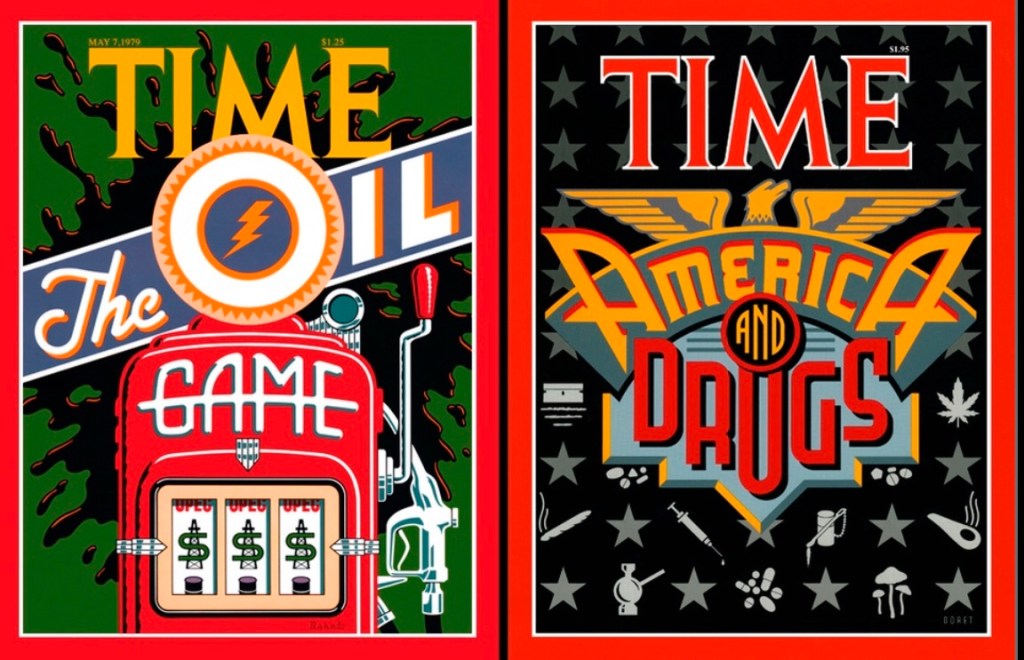
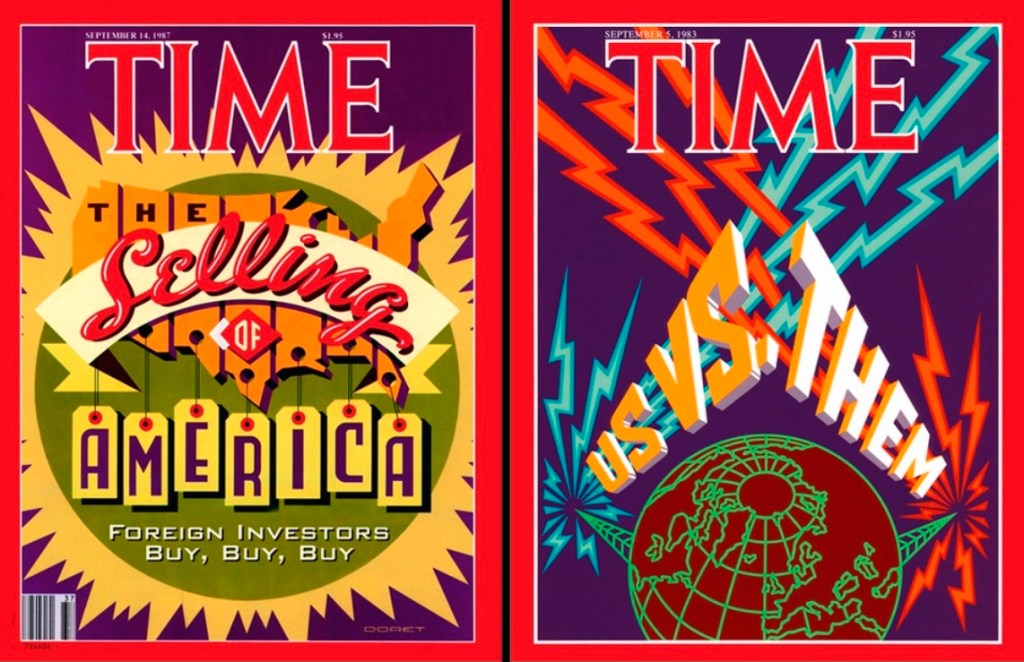
Michael Doret is another artist who should be as big as a rock star. Apart from Kiss, he has done various editorials and logos for companies and sporting teams. If you follow the NBA, you will know the Knicks logo. That’s Doret.

Check out these Time covers as well just to show a small sample of his work.

Brilliant.

I don’t feel this album is mentioned a lot like other Kiss albums. Maybe because it was sandwiched between “Destroyer” and “Love Gun” for studio albums and “Alive” and “Alive II” for live albums. All of this Kiss product in a 24 month period meant that some albums get missed. It still did the same business as “Destroyer” in sales but it’s not in the conversation as often as it should be.

But the album does have quality. Eddie Kramer is producing and his mix is wonderful with every instrument and vocal having its own space.

“I Want You” was so ahead of its time. It’s like the embryo of melodic Metal. Don’t let the acoustic arpeggios fool you, because when the distorted guitars kick in, its metal and its melodic.

“Calling Dr Love” is good but it gets way too repetitive towards the end. Something which Gene does a lot of in his songs.

“Hard Luck Woman” is excellent and Rod Stewart would have killed the vocal if the song ended up making its way to him. But Pete Criss sounds great as well. I reckon he would have downed a packet of ciggies before the take, to get his voice like that.

And while artists of hard rock dabbled with country at the time, it either sounded too countrish or it had too much rock with a bit of country, but, Stanley delivered a song ahead of its time, fusing, country with rock and a crossover pop sensibility.

“Mr Speed” and “Makin’ Love” are good album cuts.

Press play to hear the riffs especially the speed rock of “Makin’ Love”, which a lot of the NWOBHM bands would be using to create tunes with. I wasn’t sure if all the riffs came from Paul Stanley on these cuts or from Sean Delaney, but when I checked Delaney’s solo album on Wikipedia, his credited as a vocals and keyboards on his own solo album, so Stanley again delivers the goods in the riff department on these two songs.

Ace Frehley is missing in the song writing department for this album, (you just need to read a few bios to understand why, plus the quick turnaround between albums didn’t really give him much free time to write songs and whatever free time he had, was put to other use), but his leads are there to inspire a generation of guitarists.

Finally, Paul Stanley.

He plays all the riffs on the album and it’s important to mention what an accomplished guitarist he is.

In the 80’s, and if you watched most Kiss video clips, the guitar spent more time hanging behind his back then in his hands, so people might think differently about his guitar abilities, but make no mistake, the dude can play and play well.

Crank it and enjoy.

Standard
Music, My Stories

The Week In Destroyer Of Harmony History – October 10 to October 16

4 Years Ago (2017)

DEMOS

Napster got real traction because of all the unreleased material on the site like live bootlegs, alternate takes and demo’s.

And we’ve lost access to these kinds of takes forever as we embraced streaming. Then again YouTube does have a lot of this stuff.

And some artists are releasing this content in their Anniversary editions. Whitesnake is a great example and so is Metallica with their recent Black album anniversary edition.

These personal tracks are my favorites to hear.

DENTISTS

Dentistry is a cabal, holding us to ransom in a system which is corrupted and broken. It’s my rant at paying out of pocket costs to a dentist for extracting teeth from my son.

8 Years Ago (2013)

POPULARITY

In 1983, Night Ranger went from an opening act to a headlining act with the release of their second album “Midnight Madness”.

It was seen as the band’s pinnacle moment by an overnight sensation.

But when “Midnight Madness” came out, Jack Blades was 29, Brad Gillis was 26, Jeff Watson was 27, Kelly Keagy was 31 and Alan Fitzgerald was 34.

All of the members had paid their dues in other bands since the start of the Seventies. They were seasoned. Music was all they had. There was no fall back position. There was no safety net or a plan B. It was all or nothing.

In a way, you could call Night Ranger a supergroup

PIRACY

People think that piracy ruined the recorded business. Most people didn’t want the album/CD. People wanted that unique track.

Instead of getting 35 to 45 minutes of music every year, we started to get 50 to 70 minutes of music every two to three years with only about 10 minutes of it being worthy.

The recording business saw the large profit margins and kept on marching along with the overpriced CD’s model, using MTV to push and promote the artists.

When people got the option to download, to cherry pick what they wanted to hear, a whole new market place was born.

The bottom line is this – if the artist creates that undeniable song, they will have no problems selling it. The song will sell itself.

I parted with $27 back in 1993 for the song “Believe” on a Lenny Kravitz CD.

Looking at all the certifications circa 2013, the singles dominate.

Even Metallica have Platinum certifications from songs that were released on their first five albums.

The following songs were given a GOLD certification by the RIAA (U.S) on December 13, 2012.

  • For Whom The Bell Tolls
  • Fade To Black
  • The Unforgiven
  • Master Of Puppets
  • Nothing Else Matters
  • One
  • Enter Sandman
  • The Day That Never Comes
  • Until It Sleeps

40 WORD REVIEWS

Here is one Burning Rain featuring Doug Aldrich.

Here is one on Cage 9 which is like the love child of GNR, Shinedown, Def Leppard, Breaking Benjamin and Muse on hard rock steroids.

RPWL

Lost in all the noise that is the music business, is a German neo progressive rock band called RPWL. They started of their career as a Pink Floyd cover band in the mid 90s and are still going today.

And that’s another wrap for another week.

Standard
Classic Songs to Be Discovered, Copyright, Derivative Works, Influenced, Music, My Stories

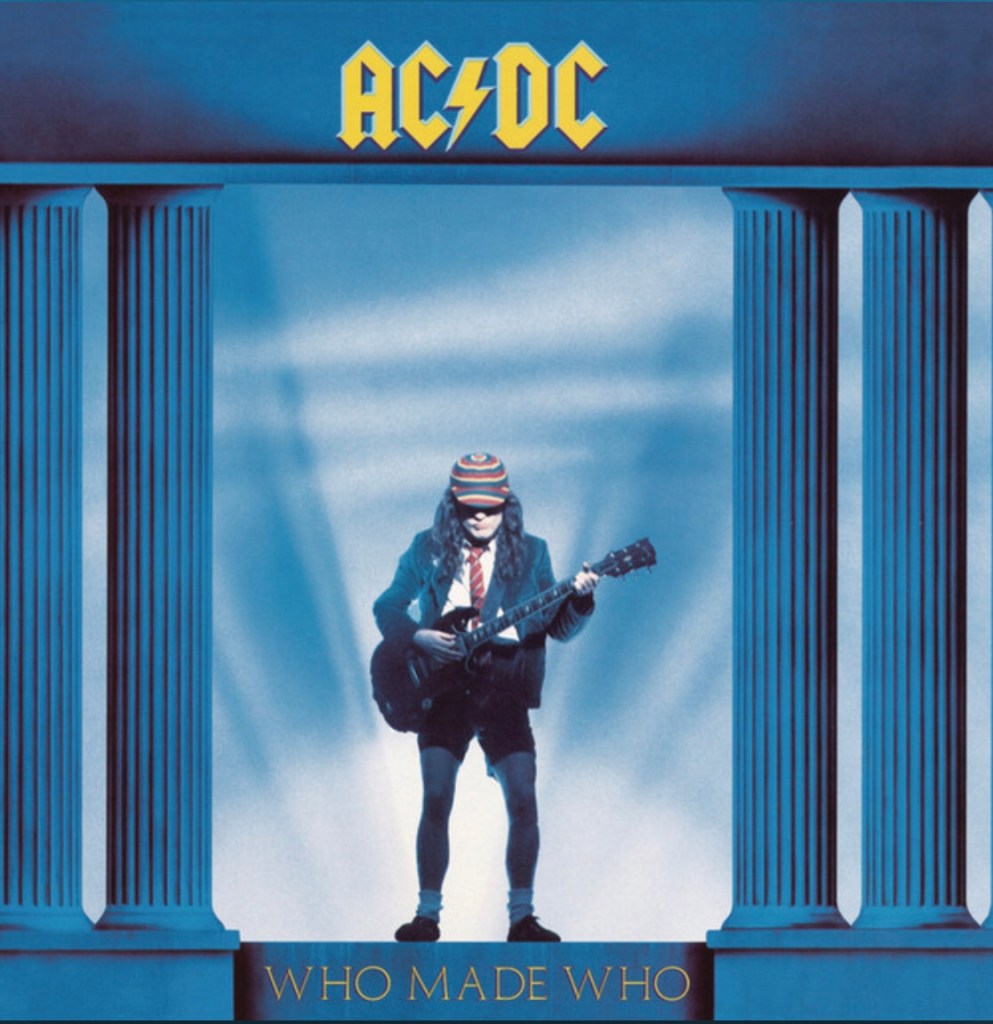
Australian Method Series and 1986 – Part 3.5: AC/DC – Who Made Who

“Who Made Who” is like a Greatest Hits album released as a soundtrack album in 1986, for the Stephen King film “Maximum Overdrive”. A forgettable movie.

The funny thing is that the next Greatest Hits slab would come out with another movie, this one a lot better and having a larger social and cultural impact.

Yep, the multi- billion franchise known as “Iron Man” sent AC/DC into the stratosphere. Not that they needed it.

Both album packages are excellent entry points for people who didn’t own or know about AC/DC.

If this was your first exposure, there would be a high chance that you would go out and buy/access some of the back catalogue.

And the song “Who Made Who” introduced Angus Young the shredder. His guitar work here is at a Shrapnel level.

Who Made Who

Drums and bass from Simon Phillips and Cliff Williams in a stock 4/4 time. I’m already invested.

Malcolm kicks in with some power chords outlining a blues chord progression as Brian Johnson fires in with his throaty vocal melody.

Angus then fired in with some fast palm muted licks which sounds like open string licks, something he’ll use to even greater success with “Thunderstruck”. But it’s all picked.

Check out the lead break. Angus breaks out some EVH like tapping.

Lyrically, it’s based around the themes from the “Maximum Overdrive” movie, where the machines come alive and begin killing people.

Like the “Terminator” movie, the tools that humans create, rise up to obliterate the humans.

You Shook Me All Night Long

From “Back In Black”.

It was re-released as a single after the massive success of “Who Made Who” which gave this song a second coming, not that it needed one.

D.T

It’s an instrumental jam which became soundtrack music.

It moves between distortion and clean tone so it could be used in multiple scenes.

Sink The Pink

From the “Fly On The Wall” album.

This song doesn’t get the love it should but goddamn it’s a great song.

The Intro reminds me of “Rock N Roll Ain’t Noise Pollution” and it has a Chorus chord progression which could be interchanged with almost every AC/DC chorus, and I like it.

At 2.50, the Intro kicks back in, with drums and bass before Angus kicks in with his bluesy lead.

Ride On

From the “Dirty Deeds Done Dirt Cheap” album and Bon Scott gets a spot with this slow blues dirge.

Hells Bells

From the “Back In Black” album.

As soon as the bells chime and the dirty arpeggio riff in Am kicks in, everything starts tingling. It doesn’t matter that I’ve heard it a lot of times. It still gets me.

Shake Your Foundations

Also from “Fly On The Wall”.

Another underrated song from an album that is seen as a disappointment.

You can’t tell me that the Intro/Verse riff isn’t classic AC/DC and a Chorus that almost mimics “You Shook Me All Night Long”.

Chase the Ace

Another instrumental jam session but a bit more aggressive than “D.T”.

Check out the drum groove in the Intro. Something that Lars Ulrich would use to great effect in “Enter Sandman”, which is also based on the “Dirty Deeds” Intro/Verse drum pattern.

For Those About to Rock (We Salute You)

From the album with the same title which came after the “Back In Black” monster.

I was hooked from the opening riff and the way Malcolm and Phil Rudd build it.

Once the slow groove kicks in, it feels that heavy that it’ll destroy everything in its path. And it did.

In Australia and the U.S, it’s 5× Platinum.

And it kept AC/DC relevant in a friendly MTV world which was starting to promote artists who looked great over the music they created.

Standard
Classic Songs to Be Discovered, Derivative Works, Influenced, Music, My Stories, Unsung Heroes

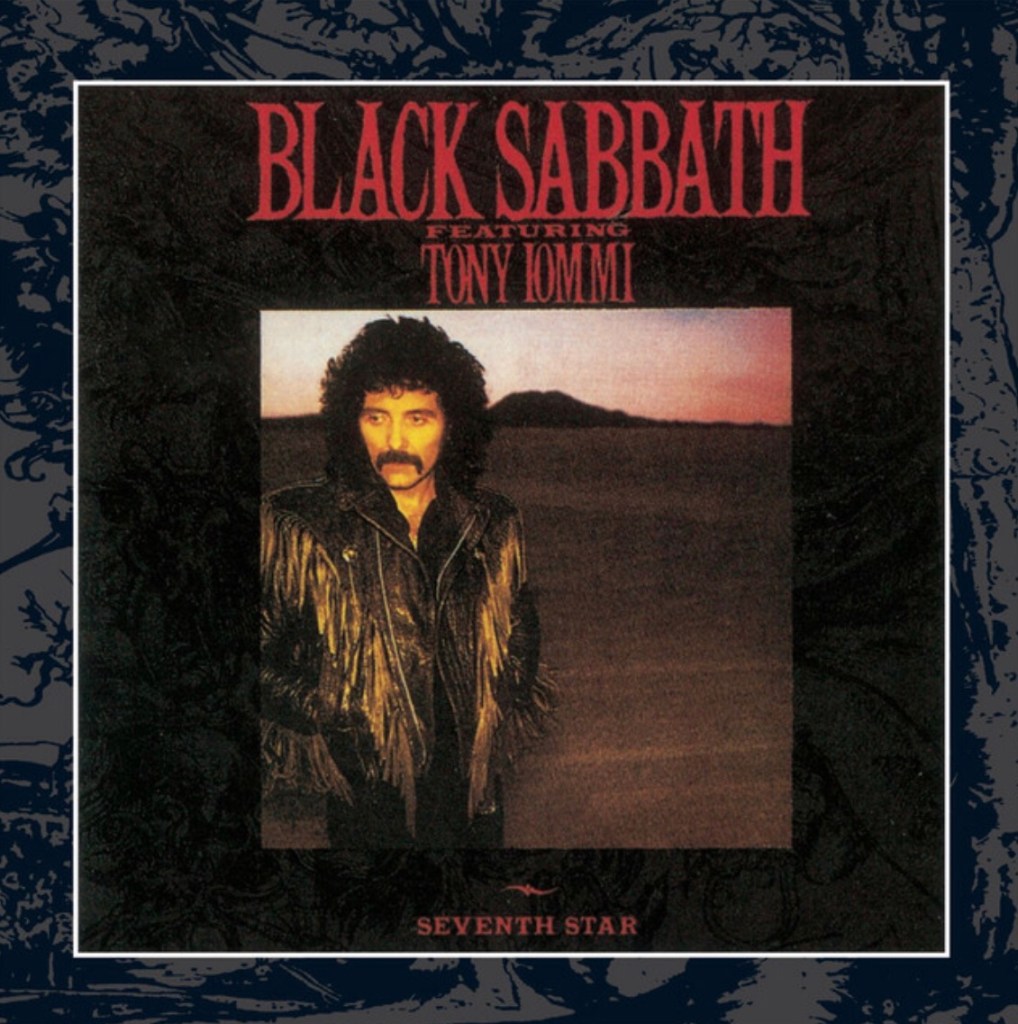
1986 – Part 3.4: Black Sabbath – Seventh Star

I didn’t get into Black Sabbath until the mid-90’s. I knew of their existence because Ozzy and Dio did a great job promoting his Sabbath legacy.

Then Dio re-joined for “Dehumanizer” in the early 90s and I was interested to hear more Black Sabbath. So the process started.

The fact that everyone was selling their vinyl to second hand record shops definitely helped because it meant I could pick up their older stiff cheaply.

And after Grunge came out, they kept talking about the Sabbath influences in the Seatlle sounds and Sabbath’s renaissance into Mainstream superstars came when they re-joined Ozzy for a few encores on his “No More Tours” shows.

From 1983 up to when Dio rejoined, no one really cared about Tony Iommi in the same way they cared about Ozzy and Dio who had become Multi-Platinum sellers in the U.S. with their solo careers and the Sabbath/Iommi career was nowhere near those commercial highs.

So “Seventh Star” is listed as studio album number 12 for Black Sabbath and released in 1986. This version of Sabbath has Tony Iommi as the only founding member along with keyboardist Geoff Nicholls, drummer Eric Singer, bassist Dave Spitz and vocalist Glenn Hughes.

Once the album came out, Hughes didn’t last long as his addictions made him unreliable. Ray Gillen was hired to fill the vocalist spot for the tour. But even the tour didn’t last long, with a lot of shows cancelled and another restart for Iommi.

In For The Kill

A riff that reminds me of Scorpions “He’s A Woman, She’s A Man” starts off this song and I like it.

No Stranger To Love

This could have come from the Dio version of Sabbath, with its slow groove. But Glen Hughes has a very melodic, bluesy soul voice, so it was always going to come across as a commercial rock song.

Check out the solo from Iommi on this.

Turn To Stone

It’s like Richie Blackmore joined on guitars. It feels like a Deep Purple Coverdale/Hughes era cut, with a riff that reminds me of “Burn” and “Kill The King”.

Iommi delivers another killer solo on this.

Seventh Star

“Egypt (The Chains Are On)” comes to mind and I like it.

Musically, this is one of Iommi’s best.

The main riff is heavy, it sounds exotic, so metal like but it swings the way he plays it. There is a certain fluidity to it.

Danger Zone

If you want to hear one song on the album, its this. I was hooked from the harmony guitars in the Intro riff which also reminds me of Van Halen’s “Atomic Punk”.

And if that main riff doesn’t get you, the interlude/mid section would get you interested which then moves into a Bridge section.

And if the music doesn’t get ya, then the voice of Hughes will.

Heart Like A Wheel

When I hear a blues groove like the one that starts of this song, I think of “The Jack” from AC/DC.

But that blues groove is generic and overused. Remember Alannha Myles and her song “Black Velvet”. Well, it’s the same groove and it went to number 1.

These kind of songs are perfect vehicles for Hughes and his voice.

Angry Heart

This is a great riff, which reminds me of “Wishing Well” from Free and Hughes has so much fun with the vocals.

In Memory

An acoustic riff, with lightly distorted guitars start off this power ballad. It’s short and a strange end to the album.

As a classic Heavy Metal album like “Love At First Sting”, “Balls To The Wall” and “Screaming For Vengeance” it works. Hell it’s probably the best Rainbow album that Richie Blackmore didn’t write.

Compared to Sabbath’s downtuned 70s output, it’s very different. But this was the 80s and this album is a true product of its time.

Standard
A to Z of Making It, Classic Songs to Be Discovered, Derivative Works, Influenced, Music, My Stories, Unsung Heroes

Australian Method Series: Parkway Drive – Ire

My journey into the world of Parkway Drive started with “Reverence” in 2018 and backwards I went.

“Ire” came out in 2016. It’s their fifth album, but the second album I’d heard from em. It went to Number 1 on the Aussie Charts and the U.S Billboard Top Hard Rock Albums chart.

The band for the album is Winston McCall on lead vocals, Jeff Ling on lead guitar, Luke “Pig” Kilpatrick on rhythm guitar, Jia “Pie” O’Connor on bass and Ben “Gaz” Gordon on drums.

The label even invested in a vocal coach for Winston McCall to increase his melodic skills as he’s already well known for this guttural vocals.

From listening to “Reverence” first and going back to “Ire”, it’s safe to say that this album was the start of the Hard Rock and Classic Metal tunes this band fine tuned with “Reverence”.

This fusion of Nu-Metal, Thrash Metal, Classic Metal, Power Metal, Hard Rock ad Death Metal is not meant to go together and work, but it does and it works very well.

Destroyer

A repeating guitar lick starts the album. Its low, it build in intensity and it’s a lick that the crowd could sing-along with along with the “Destroy” vocal chant. But this section wouldn’t work without the rhythm and drum work. It’s thunderous and like a military march.

Once the main riff comes in, its melodic and heavy at the same time. If you grew up on a diet of hard rock, then this riff would fit the criteria.

Dying To Believe

Any song that starts with the lyric, “like dragging nails through my skin” is going to be fast and aggressive. And that’s exactly how it plays it in the blast beat intro.

Vice Grip

Sitting at 52.7 million streams on Spotify. The video clip on YouTube has 23 million views.

Another sing-along guitar riff to start the song and a Chorus you can chant along to with the “Yeah, yeah, yeah” vocals.

Musically, it’s a hard rock song and I’m picking up the guitar after I finish this post to learn it.

There is a “Rise” chant section, which reminds me of the “Die” section from “Creeping Death”.

Crushed

Religious chants give way to “tear the throat box out” vocals and riffs which are too good to not listen to regardless of your preference for vocal styles.

The section from the 40 second mark to 1.01. Press play for that, just to hear how the religious chants work with heavy music.

Or stick around from 3.26 onwards, just to hear the guitar melody under the vocals which could have come from an Iron Maiden album.

But the overall style of the track is Nu-Metal. Weird I know, but it works.

Fractures

The riffs remind me so much of the 80’s and Pantera’s first two albums.

But press play for the Chorus guitar melodies and “wooahs”.

Check out the section from 3.30 as it slows down and then builds back up. As soon as the guitar lead lets loose for the last 30 seconds of the song, someone decided to fade out the song. Nooooo.

Writings On The Wall

The drum groove is like “We Will Rock You”, so you hear McCall carrying the vocal over a bed of ominous piano notes, synths, bass and abstract guitar lines.

“Put your hands up, put your hands up, we’ll fight until we die, this ain’t ever gonna stop”, whispers McCall in true spirit of the 80’s ethos like “Stand Up And Shout”, “We’re Not Gonna Take It” and “Bang Your Head”.

Then at 2.30, the song kicks in with some metal like riffage.

At 2.55, my favourite melodic riff from the album kicks in. And the song ends with the haunting piano lines heard throughout the song.

Bottom Feeder

There are so many riffs that people will class as hair metal in this song. But it’s all Metal to me. It’s one of the heaviest tracks and catchiest.

The Sound Of Violence

The intro riff gets me to pay attention and the breakdown Chorus would work well in the live arena.

Vicious

Musically, this song has some serious hard rock cred. Even Metallica “Black” album era.

Dedicated

I feel like I’m listening to a Killswitch Engage tune on this.

Stick around for the breakdown at the end.

A Deathless Song

Acoustic guitars with a fusion of flamenco vibes and baroque start the song. But at 0.44, those iconic sing-along melodic leads kick in.

And those melodic sing-along leads are heard throughout the song, especially in the last minute outro, as they give way to the same riffs, but played with violins.

In the end it’s a “hard core hard rock” album, Somehow it makes perfect sense.

Check it out.

Standard
Influenced, Music, My Stories

The Week In Destroyer Of Harmony History – September 27 to October 2

4 Years Ago (2017)

RESULTS

Someone said to me “Nothing matters except the result”.

Remember a time when a music business executive would say to an artist, nothing matters except the sales.

Shallow thinking.

Because the connection a fan makes with the music and the artist didn’t matter to them. The community built around the artist and their songs doesn’t matter. The community built around a scene doesn’t matter. The time spent away from loved ones doesn’t matter. The support of other artists, songwriters and families doesn’t matter. All the hours the artist spent in the dark to get to the light doesn’t matter.

Rather than treating the artist as an asset that companies should invest in, artists are seen as costs that should be minimised.

FORGOTTEN 80’S

I covered “Out On The Streets” and “King Of The Fools” from the “Come Out And Play” album by Twisted Sister.

“Fight For Your Rights” by Motley Crue got a mention. It made me wonder how a band with so many addictions could get it together to churn out an album. “Theater of Pain” has a reputation as a “filler” album. But the album does have some “unfinished” deep cuts, like this song.

Who wrote the Bible?Who set the laws?

“Waiting For Darkness” from Ozzy Osbourne’s “Bark At The Moon” was mentioned.

“That’s The Way I Wanna Rock ‘ N’ Roll” from AC/DC’s much maligned 1988 album “Blow Up Your Video” got a write up. It was released as a single, however “Heatseeker” was doing a decent job taking the limelight, that this little ditty was ignored.

“Young Lust” from Aerosmith is a favorite from the monster “Pump” album. Some monster songs stole all the glory like “Love In The Elevator”, “Janie’s Got A Gun”, “The Other Side” and “What It Takes”. So it’s easy for songs like “Young Lust” to be lost.

Check out Joey Kramer as he goes to town on the drums, with his double kick underpinning the groove and tempo of the song.

The controversial “One In A Million” from Guns N Roses got a write up.

I covered “Mine All Mine” from Van Halen. I know it was a single, but since the singles from “5150” were still on the airwaves along with “Jump” and “Panama”, it meant “Mine All Mine” just percolated outside the Van Hagar Halen hit factory.

The drumming is frantic, making a clichéd keyboard riff sound heavy as hell and how good is the guitar solo from EVH?

I covered some “forgotten” Whitesnake cuts from the “Slide It In” and “Slip Of The Tongue” album like “Standing In The Shadow”, “Guilty Of Love”, “Kittens Got Claws” and “Wings Of The Storm”.

“Rock Me To The Top” and “Before My Eyes” from Tesla got mentioned.

And Kiss has a lot of forgotten cuts like “Tomorrow”, “Naked City”, “Exciter”, “I’ve Had Enough”, “King Of The Mountain”, “My Way” and “Silver Spoon”.

“Had Enough” by Mr Big, “What’s It Gonna Be” from Ratt,Rock And Roll’s Gonna Save The World” by Y&T are included.

“Gutter Ballet”, “When The Crowds Are Gone”, “Hounds” and “Summer’s Rain” from Savatage are forgotten.

Does anyone remember “Metal Heart” from Accept?

“Downhearted”, “Reckless – Don’t Be So” and “The Boys Light Up” from Australian Crawl round out the list.

8 Years Ago (2013)

40 WORD REVIEWS

I was experimenting with 40 word reviews on bands like Cervello, Lizzard, Jeerk, Love And Death, Nonpoint, Machina, Protest The Hero, The Black Rain, Redline, Rain, Prime Circle and Alter Bridge.

And Roxy Blue. I was late to the party on that one.
And I liked it as the songs are great blends of the best that hard rock had to offer back then.

QUOTES

Some people get into this business for the attention, they want the babes or the money or the Porsche, but when we first got together we didn’t know that this was going to become a business. We were just friends who wanted to jam.” – Chris DeGarmo (Queensryche founder, ex guitarist and main songwriter)

Be in it for the right reasons.

The hell with the rules. If it sounds right, then it is.” – Eddie Van Halen

To this day I don’t have a guitar idol. I have people who are my favorites.”– Randy Rhoads (RIP) Guitarist

Be influenced by many. Progress is derivative.

And that’s another wrap for another week.

Standard
A to Z of Making It, Classic Songs to Be Discovered, Derivative Works, Influenced, Music, My Stories, Unsung Heroes

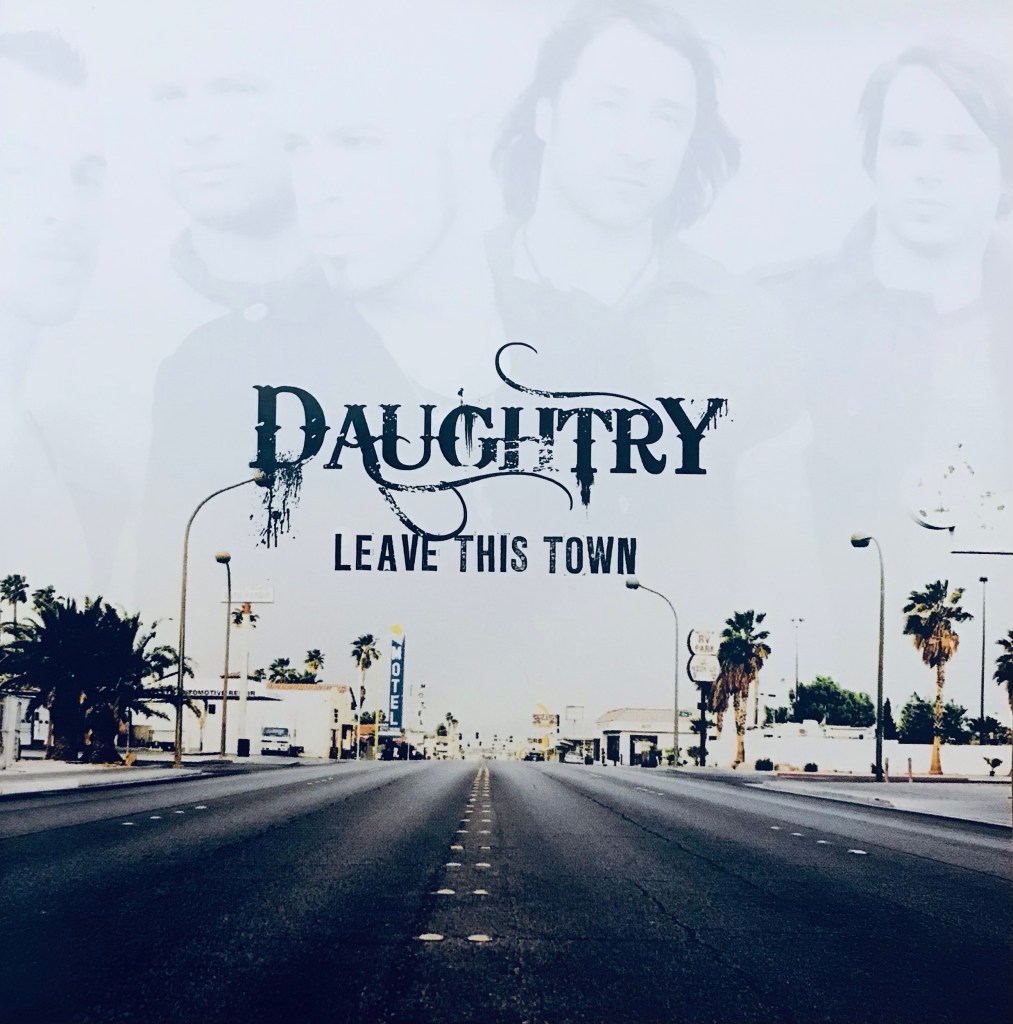
The Record Vault: Daughtry – Leave This Town

Chris Daughtry said that Daughtry is a band. The first album, has Chris Daughtry on the cover, plus a picture of him in the booklet and on the back cover there is a picture of a band. But all the songs were written by Chris Daughtry and outside writers and the music was played by session musicians.

So after getting some flak about his band, “Leave This Town” has a cover which shows a band, leaving town. And while the songs are written by Chris Daughtry, with outside writers, the music is played by the band members and some songs have the band members as co-writers. Of course contractual issues would come about with this band arrangement ideal, because the label deal with RCA Records is with Chris Daughtry only.

So.

“Leave This Town” was released on July 14, 2009, by RCA Records. I like it better than the debut as it’s a hard rock album done in a style I like.

I’m a big believer that quantity equals quality. 70 songs were written for this album, narrowed down to 19 for recording in the studio and 12 songs made the final cut, with the other tracks made available as bonus tracks for different digital stores.

Daughtry co-wrote the songs on the album with Richard Marx, Chad Kroeger from Nickelback, Ryan Tedder from OneRepublic, Jason Wade from Lifehouse, Adam Gontier from Three Days Grace, Eric Dill from The Click Five, and Mitch Allan from SR-71 and Tommy Henriksen, along with the usual suspects of Brian Howes, Ben Moody and David Hodges. No Max Martin or Dr Luke this time around.

The songs written with Marx, Tedder, Gontier and Wade didn’t even make the standard edition of the album, but were released as bonus tracks in the various markets and then as an EP called “Leave This Town B-Sides”.

The band for the album is Chris Daughtry on lead vocals and rhythm guitars, Josh Steely on lead guitars, Brian Craddock on rhythm guitars, Josh Paul on bass guitars and drums were handled by Joey Barnes on tracks 1 to 6 and Robin Diaz on tracks 7 to 12.

Howard Benson is back producing and Chris Lord-Alge is mixing. Session guru, Phil X also made an appearance to do some additional guitars. Again, RCA spent a lot of money to make this album a success, but only three singles were released from this album compared to the seven singles from the debut. Regardless it still was a success.

Certified platinum in Canada and the U.S and Certified Silver in the U.K.

For the charts (although the Charts were become irrelevant at this point in time), it was a Top 10 album in Canada, New Zealand and the U.S (also going to Number 1). It was a Top 20 album in Australia, Austria, Germany and Switzerland.

“You Don’t Belong”

It’s listed as a Chris Daughtry track and it blasts out of the gate with its heavy metal like intro before it moves into a Nu-Metal like riff.

The verses are more relaxed with clean tone guitars and a vocal melody dominating while the Chorus is loud and angry.

“No Surprise”

The song writing committees begin, with Daughtry, Chad Kroeger, Eric Dill, Rune Westburg and Joey Moi listed as writers.

This was the lead single for the album. As a single it is certified Platinum for sales in the U.S.

Lyrically, it’s about a break up that both sides saw coming.

An acoustic guitar starts it off with a catchy vocal melody. It reminds me of the songs that Mutt Lange was doing in the 90’s with Bryan Adams and Shania Twain.

The physical single had the Adam Gontier co-write “Back Again” as the B-side. This track is excellent and hard to believe that it was left off the album.

“Every Time You Turn Around”

Written by Daughtry and Andy Waldeck. Loud drums and grungy like guitars kick it off, but the verses remind me of the Classic Rock era.

The bridge vocal melody, although brief is my favourite part of the song. And like all the songs on the album, there isn’t a verse or chorus or bridge, which isn’t catchy.

And yes, finally we get some melodic leads and outro leads in the songs.

“Life After You”

The second single, which also has a certification from the RIAA for sales in the U.S, this time its at Gold and closing in to Platinum.

Chris Daughtry wrote the song with Nickelback vocalist Chad Kroeger, producer Joey Moi and Brett James.

It was actually Kroeger who offered “Life After You” to Chris Daughtry.

Daughtry wasn’t sure if the song would fit with the band, but the melody was that good and once he wrote the bridge, the song could not be denied.

“What I Meant to Say”

Daughtry and Brian Howes proved to be a good song writing team on the first album, so they are back again on this one.

A rocker, reminding me of Jovi and “Have A Nice Day” album. And a guitar lead is heard, although its less than 10 seconds.

“Open Up Your Eyes”

Written by Daughtry, Ben Moody and David Hodges.

It’s got a Chorus built for the arena.

“September”

My favourite song on the album, written by Daughtry and guitarist Josh Steely.

It’s got this Coldplay “Fix You” section in the middle of it. Check it out.

It’s also the third single, inspired by Daightry’s childhood memories growing up with his brother in Lasker, North Carolina.

“Ghost of Me”

Daughtry and Howes are back with a track that sounds like “Bounce” from Jovi.

For me, it’s the back half of the album which really connects.

Check out the Chorus.

Its massive.

“Learn My Lesson”

Written by Daughtry, Mitch Allan and Chris Tompkins.

A ballad which is another favourite with a good melodic lead.

“Supernatural”

A rocker and another favourite, in the vein of Jovi’s “Bounce” album.

This one is written by Daughtry, Josh Paul and David Hodges.

The lead break echoes Richie Sambora.

“Tennessee Line”

Written by Daughtry and guitarist Brian Craddock, this country song is also another favourite.

Country superstar (albeit a very reluctant one) Vince Gill guests. And for Gill to perform is a real coup as he doesn’t just appear as a guest at every invite.

I thought that this would be a single, as it would crossover into the Country charts, but it never was released.

“Call Your Name”

The official closer, written by Daughtry and drummer Joey Barnes. It percolates on acoustic guitar until the 2.38 mark, when the whole band kicks in for the guitar solo moment and the Bridge to Chorus to come.

A perfect way to close the album out.

Standard
Classic Songs to Be Discovered, Derivative Works, Influenced, Music, My Stories, Unsung Heroes

1996 – Part 3.5: Victor

If you search for Alex Lifeson in Spotify, this album would not come up, because even though “Victor” is a solo album by Rush guitarist Alex Lifeson, its released under the name of “Victor” and filed away under V.

Released in January 1996 on Anthem Records and recorded between the Rush albums “Counterparts” and “Test for Echo”, two of my favourite Rush records of the 90’s.

The musicians behind “Victor” are Alex Lifeson on guitars, bass and keyboards, plus spoken vocals on a few songs. Les Claypool makes an appearance on bass for “The Big Dance” while other bass tracks are handled by Peter Cardinali. Bill Bell is a Canadian guitarist who has toured and recorded with Jason Mraz, Tom Cochrane, Alex Lifeson and Danko Jones to name a few, also appears on guitar and Blake Manning is on drums.

For vocalists, Lifeson speaks on a few tracks, and a singer called Edwin (who I found out later is from a Canadian Rock band called “I Mother Earth”) does vocals on “Don’t Care”, “Promise”, “Sending Out a Warning”, “The Big Dance” and “I Am the Spirit”.

Another Canadian singer called Dalbello (otherwise also known as Lisa Dal Bello) appears on “Start Today”

“Don’t Care”

The track is written by Alex Lifeson.

The sound is grungy. But take away the studio sounds of the day and play the riffs through a 5150 amp, you’ll hear how heavy metal they are.

Some of the open string riffs do bring back memories of 70’s Rush.

Lyrically it’s so different from what Peart would write for a RUSH album. Its crude, full of fuck words and it’s basically about sex. The Rush elitists crucified him on the Rush boards back in the day for the lyrics. But Lifeson didn’t care.

“Promise”

Written by Lifeson and Bill Bell, it’s got this REM/Tragically Hip feel in the verses with a bit of “Limelight” in the Chorus.

I like the solo section. It has a riff which keeps repeating, while Lifeson does ambient like guitar noises and various note bends. It’s not technical, but its more abstract and it fits the vibe of the song. Then again it could be Bell on the solo. I don’t know.

“Start Today”

Written by Lifeson, check out the intro riff on this. Its huge, simple and yet progressive.

And Dalbello sounds a lot of like Geddy Lee when she hits her highs. A young Geddy Lee.

“Mr. X”

An Instrumental written by Lifeson. It sounds like a King Crimson cut, very Avant-garde, but the lead breaks are like blues jazz fusion.

“At the End”

Written by Lifeson and his son Adrian Zivojinovich. Adrian actually provides most of the computer programming which gives the songs he’s involved in, that Industrial tone.

Check out the riff at 2.24. I went straight for the guitar.

“Sending Out a Warning”

Another track written by Lifeson and Bell. And the riffs are interesting enough to get me to try and jam along.

The main riff by the way is excellent.

“Shut Up Shuttin’ Up”

Written by Lifeson and Bell, along with Lifeson’s wife Charlene and a person credited as Esther who basically provide the talking voices complaining about their husbands.

Musically, its funky, a bit bluesy and full of soul and every time the female voice overs say “Shut Up And Play The Guitar”, Lifeson begins to wail.

By the end of it, Lifeson is screaming back at em to “SHUUUT UUUP!”

For some reason, “The Audience Is Listening” from Steve Vai comes to mind.

“Strip and Go Naked”

Another Instrumental written by Lifeson and Bell.

The intro riff is one of this “Copperhead Road” riffs. Even Maiden used a similar riff on “Writings On The Wall”. Aerosmith on “Hangman Jury”.

But a Lifeson song moves within different musical pieces and this song is no other.

Check out the bluesy licks from the 2 minute mark over an ascending like bass riff and a strummed acoustic riff. And at 2.48 it goes back to the “Earle/Maiden” like riff.

But from 3.28 to the end, Lifeson takes that simple riff and makes it sound progressive. Listen to it.

“The Big Dance”

Written by Lifeson and Adrian Zivojinovich.

Man, that intro riff, so heavy.

And Les Claypool is on this, so the bass is prominent, syncopated with the kick drum.

“Victor”

Written by Lifeson and W.H Auden as the song is based on a poem written by Auden.

Its more experimental, with programmed drums and synths being prominent throughout while Lifeson recites the poem to us. It does nothing for me.

“I Am the Spirit”

My favourite song on the album and a perfect closer.

Written by Lifeson and Bell, it’s the most Rush sounding song on the album but the heavy rock sounding Rush.

“Tragically Hip” comes to mind here for the Verses with the vocal delivery, but musically, its Rush through and through.

The Chorus shows “The Spirit Of Radio”.

At 2.40, it quietens down and you hear some synth chords being played. Then Lifeson comes in with a clean tone guitar riff and man, what a riff it is. Different variations of it are heard throughout the song, but the way its delivered in this section, really brings it to life. One of his best riffs for the 90’s.

Then he goes into a guitar lead, which is emotive and perfect. But too short.

A great way to close the album.

Overall it’s not a perfect album and the spoken work melodies don’t really do much for me, but it’s that outside the box thinking which also draws me in, plus Lifeson always includes a riff or two in a song which makes me want to pick up the guitar and play along.

Check out this eclectic mix of blues rock, soul, funk, progressive, grunge, hard, industrial and alternative rock.

Standard