Influenced, Music, My Stories, Unsung Heroes

2001 – Part 5.2: Slipknot – Iowa

“Iowa” is the second studio album by Slipknot, released by Roadrunner Records on August 28, 2001.

Produced by Ross Robinson and Slipknot but it’s Mike Fraser as the Engineer who deserves a special mention here. The guitars are downtuned a lot and somehow they don’t end up sounding muddled. Which gets me thinking that the placement of the microphones to record the guitars was pretty spot on for Andy Wallace in the mix department to give all 8 members space to do their thing.

The 1999 self-titled debut album took the Charts by surprise, so the pressure to deliver a worthy follow-up was at an all-time high.

Production for the album started with drummer Joey Jordison (RIP) and bassist Paul Gray (RIP) in October 2000. Most of the material was written during this time, while other members took a break after the extensive touring that had followed their debut.

By January 17, 2001, the whole band arrived and basically war was declared between each other. Fatigue was killing Jordison and Gray, while alcoholism and drug dependency was affecting Corey Taylor and the other members. On top of that they had management problems and a party culture full of women and narcotics.

Taylor even resorted to cutting himself with broken glass to achieve the desperation and doom in the vocal growls he wanted.

So if you don’t know Slipknot, they wear masks which obscure their faces and they are referenced with numbers.

(#8) is Corey Taylor on vocals, (#7) is Mick Thomson on guitars, (#6) is Shawn Crahan on percussion, backing vocals, editing, (#5) is Craig Jones on samplers, media, (#4) is Jim Root on guitars, (#3) is Chris Fehn on percussion, backing vocals, (#2) is Paul Gray on bass, backing vocals, (#1) is Joey Jordison on drums and (#0) is Sid Wilson on turntables.

Basically the album is a result of guys who hated each other, the world and the world hated them back. Welcome to “Iowa”.

People = Shit

Great title and a great way of the band saying to people “F off and leave us alone”.

Disasterpiece

Press play to hear the head banging intro.

“My Plague” and “Everything Ends” I normally skip.

The Heretic Anthem

The 6-6-6 chant in the song is reminiscent of other songs from notable acts.

Track 7, I skip.

Left Behind

The best song on the album for me, because of the clean tone vocals. Who knew that Corey Taylor could sing that good back in 2001, as Stone Sour was a few years away from releasing their debut.

Tracks 9 to 13, I skip.

Iowa

The closer at 15 minutes. It’s a Tool like dirge through desolation, doom and darkness. At some stages, it feels like the music if a demented soul.

I tried to like this album because of just how popular it became around the world. Gold Certifications in Australia, Belgium, France, Germany, Japan and Netherlands. Platinum certifications in Canada, the UK and the US.

Apart from “Left Behind” and “Iowa” there was nothing else here for me to grasp onto.

But, I did find the lyrics refreshing and totally different from what I was used to, which is a big reason why I kept giving Slipknot a chance.

If you like hard rock music then you won’t like this, as it borders on death and thrash metal with nu-metal influences.

Standard
A to Z of Making It, Classic Songs to Be Discovered, Influenced, Music, My Stories, Unsung Heroes

The Record Vault: Dream Theater – Images and Words

“When Dream And Day Unite” came out in 1989, the label Mechanix did nothing with it.

The band didn’t tour and compared to the sale numbers that other bands achieved in 1989, the album was classed a failure. But it’s pretty hard to sell something if no one knows it exists or if it can’t be found in record stores. A little bit of promo during this time would have gotten the album at least 200K sales worldwide. There was a market for the kind of music that Dream Theater was writing. But the market needs to know about it.

It also didn’t help when the A&R Rep who signed the band, left Mechanix to go to a competitor. And when that normally happens in label land, the label in spite, tries to kill off the acts the Rep had signed. Further to that, Mechanix was being taken over by a larger label in MCA and when that normally happens, labels consolidate and focus on winning projects.

Apart from the label issues, the band decided that in order to be successful, they had to change something that was not working.

Vocalist, Charlie Domicini was let go. He was a decade older than the rest of the guys and his image didn’t fit with the band. But they got their manager to break the news to him.

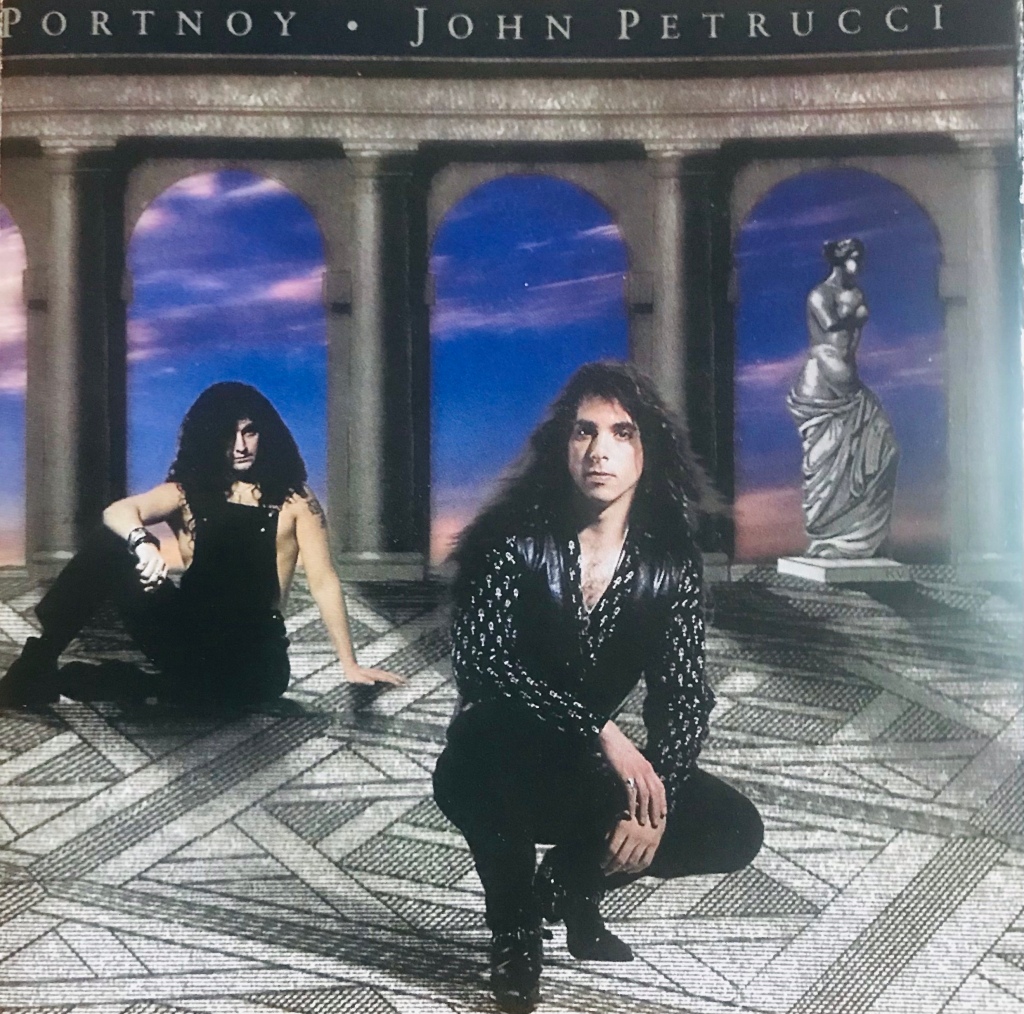
Even a newly inked tattoo of the Dream Theater logo on his shoulder wasn’t enough to save him. According to the band, his vocal style just didn’t suit. While Portnoy and Petrucci wanted a cross between Geoff Tate and Bruce Dickinson, they knew that finding such a vocalist was not going to be an easy task.

Dominici’s lyrics on the first album, a co-write with John Petrucci on “Status Seeker” and the sole lyricist for “Afterlife” resonated more than all of the other lyrics penned by Petrucci and Kevin Moore.

Being a bit older, meant he had a bit more experience with words and story-telling. But his voice is an acquired taste and he did cop some criticism for sounding like a bad imitation of Geddy Lee. But his vocals on “The Killing Hand” are my go to vocals for this song.

But as soon as Dominici was gone, he was back in for a gig, opening for Marillion, who wanted to unveil their new singer Steve Hogarth for his U.S debut. Portnoy was a massive fan of Marillion, so the opening slot was a dream come true. The band was on fire, but it was too little too late for Dominici who was let go again after it.

At first the band focused on trying to find a new singer as they still had six albums to deliver on the Mechanix deal. This process would take 14 months to happen. The book “Lifting Shadows” from Rich Wilson goes into great detail about the “search for a singer”.

John Arch was the first vocalist the band approached. He was out of Fates Warning after the release of “Awaken The Guardian” album in 1986. They rehearsed “The Killing Hand”, “Only A Matter Of Time” and a cover of Fates Warning “The Apparition”. Arch felt uncomfortable about how the band members wanted the vocals to sound. He felt it was too rigid. But the reason Arch left was family circumstances. He was about to become a Dad, he had a long commute to rehearse and he wasn’t comfortable spending so much time away from his family.

John Hendricks was the second vocalist the band rehearsed with after he sent the band a demo from an ad the band put out.

His appearance was more New Kids On The Block and the live audition in December 1989 didn’t go down well. But they kept him around to do vocals on some new demos called “Metropolis”, “To Live Forever” and “Don’t Look Past Me”. When they went back to live rehearsals, Hendricks still didn’t cut it, but his studio work was exceptional. The band wanted to move forward with Hendricks but label and management weren’t convinced. While Petrucci and Portnoy wanted a Tate/Dickinson style of a singer, Hendricks was none of that, more Pete Gabriel than anything and his image was New Wave compared to the Hard Rock and Metal image of Dream Theater.

Next was Steve Stone.

Stone was from Seattle and he had replaced Geoff Tate in the band “Myth”, Tate’s pre Queensryche band. Stone’s manager at the time was journalist Paul Suter, who sent demo tapes of Stone to George Lynch for the Lynch Mob project, to Steve Stevens for his Atomic Playboys project and to Dream Theater. Portnoy liked Stone’s voice, a cross between Tate and Steve Perry. Stone enjoyed the audition but conversations afterwards with the band made him feel that his creativity would be stifled.

However, they did get Stone to do studio vocal versions on “Metropolis” and “To Live Forever” as Mechanix wanted to hear product.

And then they played live. As soon as Stone yelled” Scream For Me Long Beach” and then kept on yelling it throughout the show, he sealed his axing.

By September 1990, the band was still without a singer and with a label that was losing interest in the band (as if they hadn’t lost it already) but wouldn’t release them from their contract.

Enter Chris Cintron. His demo tape was rejected at first but after Hendricks and Stone didn’t work out, Portnoy called Cintron to an audition.

Cintron’s voice was more Steve Walsh from Kansas and he was also the first singer to sing on a new song called “A Change Of Seasons”. The fact that everything was written and Cintron just had to perform what was written, didn’t sit well with him as well. Image and a few other disagreements with Kevin Moore, sealed his fate.

During this time, they also focused on writing better songs. Most bands normally have 3 months to come out with album number 2. Dream Theater in this case had close to 2 years. Furthermore, their sound evolved from the technical derivative metal sound on “When Dream and Day Unite”, to a more warmer sound, rooted in classic progressive rock with nods to Heavy Metal.

As the singer search took time, the seven album deal with Mechanix fizzled out.

But they had an ally in journalist Derek Oliver. Oliver wrote for Kerrang and he was a fan of the band. As fate would have it, Oliver moved into an A&R role at the same time that Dream Theater found themselves searching for a label who would support them.

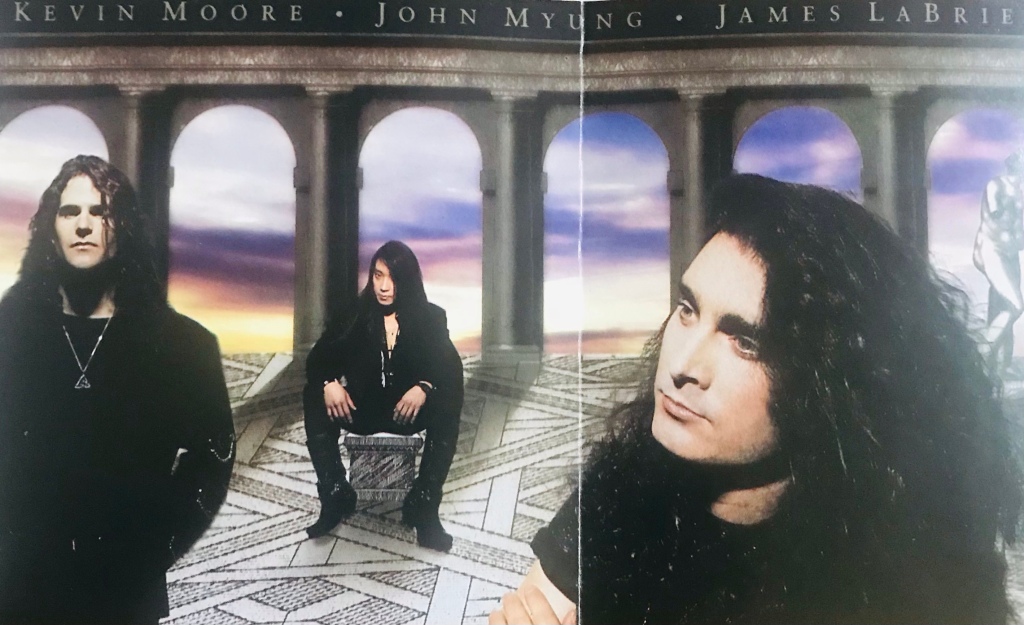
Enter Kevin James LaBrie. He was part of Canadian glam metal band Winter Rose during this time and he sent the band an audition tape. After a short jam session, he was named Dream Theater’s new lead singer, and has remained with them ever since.

The band was then signed to a seven-album contract by Atco Records, and shortly thereafter, they began recording their new album in late 1991. The album’s production was marred with tensions, as the band clashed with producer David Prater who was chosen by Derek Oliver.

Enter Dream Theater with “Images and Words”. Released in 1992.

The album was unique and innovative to remain rooted to the prog rock niche that Derek Oliver spoke about in 1989 and it was familiar enough to cross over to the hard rock audience, looking for something new and exciting.

Dream Theater originally intended to release a double album, but that plan was rejected by ATCO, causing several songs to be omitted from the album. One of these songs, “A Change of Seasons”, would later be re-recorded by the band and released on an EP of the same name in 1995.

A Billboard review didn’t have great things to say about it;

“Power rock band’s Atco debut shows its members did plenty of listening to Yes, Boston and even Black Sabbath while growing up.

While the material is all well delivered, lead vocalist James LaBrie has a voice that stretches to fit the many different styles represented here, the main problem is the music, which sounds like it was written in the 70’s.

However given that the bands potential fans probably weren’t born until the end of that decade, it shouldn’t serve as any great detriment.”

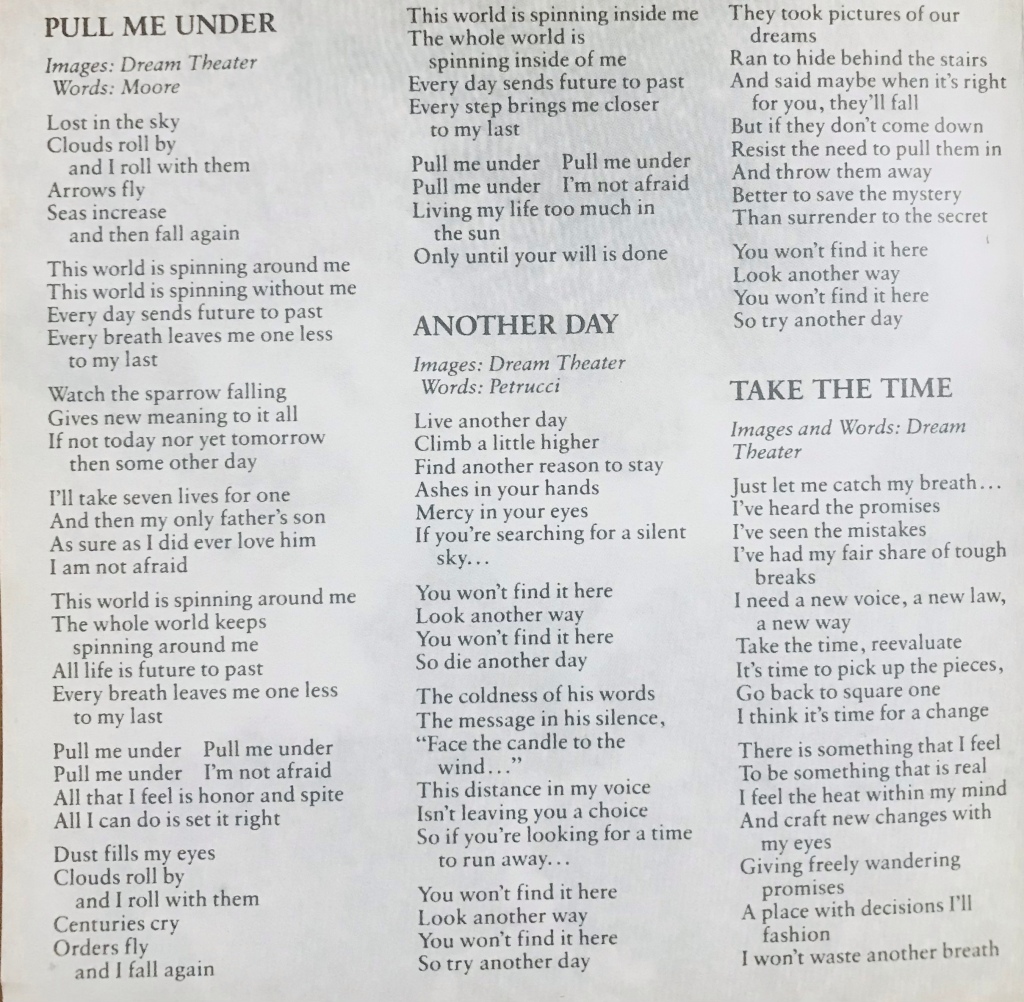
Pull Me Under

Music composed by the band and lyrics written by Kevin Moore.

The lead single, “Pull Me Under”, gained the band a lot of commercial success with its airplay on MTV and radio, garnering them a top 10 hit on Billboard’s Hot Mainstream Rock Tracks chart. When the album was released, it sold at a steady pace, helped by an extensive world tour.

Its original working title was “Oliver’s Twist” as it was a last minute song written at the request of Derek Oliver. The original version also had the unbelievable solo section from “Erotomania” in it.

“Pull Me Under” was so good, that John Petrucci used the 1st verse riff of “Pull Me Under” in “The Count Of Tuscany” 1st Verse from the album, “Black Clouds and Silver Linings” released in 2009.

He also used the structure and dynamics for the song “On The Backs Of Angels” from the album “A Dramatic Turn Of Events” released in 2011.

As soon as the first three notes of the acoustic arpeggio are played, I was hooked. Then Portnoy started with his drum build. Metallica used an approach like this on “Enter Sandman”.

Another Day

Music is by the band with lyrics written by John Petrucci.

It’s like a hard rock ballad, but the guitar playing and the choice of chords by Petrucci is excellent. And the Soprano Sax solos are just perfect.

But press play to hear Petrucci on the lead break. It’s well worked out, it flows brilliantly, its melodic and cruisy and then he steps on the pedal and then brings it back to cruisy.

Take the Time

It’s a team effort on the lyrical front with Moore, Petrucci, Mike Portnoy and John Myung contributing.

How good is that start? The fast riffing is a cross between Van Halen and Metallica.

Then the verses go into a Rock Funk groove.

And the Chorus, its melodic hard rock.

As a guitar player, this song is like a Chord Book on complex chords.

Surrounded

It’s listed as words and music by Kevin Moore.

It starts off as a piano ballad, before it builds up to a funky blues rock tune.

But press play to hear the digital delay lead break from John Petrucci. It feels like The Edge from U2, but a lot better.

Metropolis—Part I: ‘The Miracle and the Sleeper’

It’s a monster of a song that every Metal and Rock fan would enjoy.

The pulsing intro alone is head banging material.

But those verses. Petrucci plays fast palm muted chords like the “Darkness, imprisoning me” part in “One” and keyboardist Moore outlines the chord progression with his riffs, while Portnoy plays a “Kashmir” like beat.

Perfection to my ears.

Under a Glass Moon

What an intro, pushing the envelope of what metal and rock should sound like.

But press play for the groove in the Verses from Petrucci and Myung, while Moore outlines the Chord progression with his keyboards.

And then wait to hear Petrucci on the solo.

Wait for Sleep

A brilliant piano piece from Kevin Moore. It’s like a haunting soundtrack. The main piano idea from here appears in “Learning To Live” and when it comes in, its brilliant.

Learning to Live

At 11.30 it’s the longest song on the album. The music is written by the band and lyrics are written by John Myung.

If I had to recommend one song to a new Dream Theater fan that typified the progressive rock leanings of the band, then this song would be it.

The song is that good, that Dream Theater rewrote it and called it “Breaking All Illusions” for the “A Dramatic Turn of Events” album in 2011.

The Kevin Moore keyboard intro kicks things off with a wicked 15/8 time signature. This same passage re-appears and this time it is played over alternating time signatures, starting off with 14/8 for 2 bars, then 13/8 for one bar and back to 14/8 for another bar. Then it goes back to 13/8, 14/8, 13/8, 7/8.

In between you get a very metal like passage in the vein of “Immigrant Song” from Led Zeppelin, that moves between 7/4,6/4,4/4 and 5/8 time signatures over F#m, C#m and Em root notes. It doesn’t sound forced. It is very fluent like.

The verse is unbelievable. Myung holds it all together with an unbelievable groove over a 7/4 and 6/4 time signature, that is supplemented by Kevin Moore’s choir like voicing’s outlining the Em9, Cmaj9, Amadd9 and Em9 chords. Myung paraphrases the novel “Atlas Shrugged” from Ayn Rand.

There was no time for pain, no energy for anger
The sightlessness of hatred slips away
Walking through winter streets alone, He stops and take a breath
With confidence and self-control

I look at the world and see no understanding
I’m waiting to find some sense of strength
I’m begging you from the bottom of my heart to show me understanding

Petrucci and Portnoy build the song nicely into the chorus. Petrucci begins with normal volume swells, while Portnoy locks in with Myung. As Petrucci’s guitar gets busier with harmonics, chords and arpeggios, Portnoy’s drumming becomes busier.

The second verse has a great progressive groove that keeps within the 7/4 and 6/4 time signature of the first verse. This time it’s all power chords and its heavy as hell. Chugging along on an E5 power cord, Petrucci enhances the riffs by chucking in B5, Bflat5 and F power chords, utilising the devil triton to maximum effect.

The 90s bring new questions
New solutions to be found
I fell in love to be let down

Then when you think they are going to go into the Chorus again, they go into a bridge part with a simple 4/4 groove and then the instrumental break starts. Petrucci is now playing what Moore played in the intro.

The flamenco passage at 5.30 kicks things off. From 6.30 it gets progressive and then the woo ohh ohhs kick in and Petrucci takes over at 7.10 in one of the most heartfelt solos Petrucci has laid to tape. Those bends remind me of Dave Gilmour in “Comfortably Numb”.

The whole “Wait For Sleep” segment that begins at 7.30 and ends at 9.35 includes brilliant jazz bluesy solos from both Moore and Petrucci and the main piano riff from “Wait For Sleep”. It then segues back in to the Chorus.

The way that your heart beats
Makes all the difference in learning to live

Just when you think the song is over, the outro kicks in, again led by an unbelievably groovy and very funky Myung bass line. Then Petrucci joins in with the Natural Harmonics and then the monk style voices take over. As a listener I just sit back with the head phones and allow myself to be taken away. A brilliant song and a brilliant piece of work.

Mike Portnoy has gone on record saying how much he hated working with producer David Prater and the use of drum midi triggers. Portnoy feared that the triggers would make the album sound dated and seen as another generic hard rock album.

One thing is certain.

The album still sounds fresh and current in 2022 as it did back in 1992. As Rush’s “2112” laid the groundwork for what was to come for Rush, “Images and Words” did the same for Dream Theater.

The tour finished in November, 1993. Overall they played 194 shows in 17 countries. “Images And Words” was certified Gold in the U.S. Everything they worked hard and persevered with, had finally happened.

The pressure for a successor was intensified.

Standard
Classic Songs to Be Discovered, Derivative Works, Influenced, Music, Unsung Heroes

The Record Vault: Baby Animals – Baby Animals

The debut Baby Animals album was everywhere in Australia. Before the album was released in September 1991, they had some serious momentum over 15 months coming in to the album. The Angels was one of the biggest bands in Australia during this time and the Baby Animals was the opening act between 1990/91.

The album debuted at number six on the ARIA Album Charts and spent six weeks at number one, eventually going eight times platinum and becoming the highest-selling debut Australian rock album of all time (until the release of Jet’s album, “Get Born” 12 years later).

I saw em live at the Revesby Workers Club on the tour. An up and coming band called Judge Mercy was opening for them. They were excellent, but they unfortunately disappeared when the labels started dropping metal and rock acts in a years’ time.

And the Baby Animals rocked. Drummer Frank Celenza was huge behind the kit, laying down the foundations along with bassist Eddie Parise. Dave Leslie on guitar is so underrated, playing a chicken picking style and Suze DeMarchi on guitar rocks hard. Everyone raves about Lzzy Halestorm, but I’m pretty sure she would have been influenced by DeMarchi. And on vocals, DeMarchi is bluesy and soulful.

The album was produced by task master Mike Chapman and engineered by Kevin Shirley. The personnel alone shows the albums intention.

And my favourite track is “Working For The Enemy”, that whole break down section, lead break and build up is excellent. My second favourite is the metal like “Waste Of Time” with its energetic double kick intro and heavy blues boogie rock riffs.

“One Too Many” is “Rock N Roll Noise Pollution” in spirit and influence, while “Aint Gonna Get” is AC/DC on steroids and highway speed tempos with a Chorus that reminds me of “I Love Rock And Roll”.

And I haven’t even gotten into the singles yet.

How good is the intro to “One Word”?

But DeMarchi didn’t like the song after it was finished and asked the label to keep it off the album. The song went through a transformation, from a country-ish rock feel in the demo (which can be heard on the 25th Anniversary Edition) to the melodic rock beast it became, as Chapman kept asking them to work on it.

Guitarist Dave Leslie paid his dues in a Cold Chisel covers band called Swingshift, playing Australian pub rock classics on a nightly basis and he knew what worked with audiences. His chicken finger picked intro to “One Word” is guitar hero worthy.

“Rush You” is the opener as the power chord crashes down and the cymbals ring before it goes into a double time beat and some series riffage and how cool is that “Back in Black” walking chromatic riff just before the verse.

“Early Warning” begins with the drums while a slide guitar plays a rock riff and the music then stops while DeMarchi sings, “Too Young To Know and Too Old To Listen”.

The band kicks in again. Then the verses come and it’s like a Jimi Hendrix song, before it moves into the power of the Chorus.

“Painless” has this funk blues boogie which I like. If you haven’t heard it, today is a great day for it.

They toured hard on this album, playing all the major cities and regional towns in Australia, and once Bryan Adams heard the album, he added them to his European leg.

The Black Crowes added them to their Australian and New Zealand tour, while Eddie Van Halen, asked for them to be the support act on the “For Unlawful Carnal Knowledge” tour after he heard the album via his wife Valerie Bertinelli.

By the time their touring commitments ended for the album in August 1992, they had played over 500 shows.

Standard
A to Z of Making It, Influenced, Music, My Stories, Unsung Heroes

Al Pitrelli – 1990 to 1992

Let’s go back to when Pitrelli got booted or left Danger Danger in 1988.

Bruno Ravel and Steve West held a tight ship on the writing process. It was either written by Ravel/West or Pitrelli/Pont. On occasions Pitrelli and Ravel would write. But once Pont was booted, Pitrelli felt that he was getting squeezed out.

Danger Danger is seen as Bruno Ravel’s band, however it was Al Pitrelli’s to begin with. So he stayed, because like Ravel, he wanted a record deal. With the addition of Ted Poley, the demos the band recorded got the band its Epic deal, however it also got Pitrelli out of the band due to disagreements with the A&R rep.

The Alice Cooper touring gig was a massive opportunity moving from regional nickel and dime gigs to arenas.

Joining Cooper and Pitrelli was his old Berklee friend Derek Sherinian on keys. The other guitarist was Pete Friesen who did multiple stings with Cooper between 1989-91, 1998-2000 and 2002. In between those stints he became the lead guitarist in “The Almighty”, did a stint in Bruce Dickinson’s solo band and prior to joining Alice Cooper he was in VO5 with Sebastian Bach.

The bassist is Tommy Caradonna who did work with Lita Ford before Alice Cooper and the drummer is Jonathan Mover who also did work with Marillion. Although not confirmed, I did read stories that Caradonna was the bassist that Michael Bolton did not like back in 1985 when Pitrelli brought a fully formed band to Bolton to become his touring band.

How Al Pitrelli got the gig with Alice Cooper is told a bit differently in this RAW article. Although Matt Bissonette did recommend Pitrelli, it was Steve Vai again who sealed the deal.

“I called up Steve Vai (ex-Dave Lee Roth guitarist, now with Whitesnake) and said: ‘I know you’re taken, so tell me who the next best is’.

And he said Al Pitrelli (from Long Island, New York). So as soon as I got him Roth calls up and says: ‘Did you take that guy?’ Cos he wanted him, but I had him, ha!”

In a Guitar mag interview, Alice Cooper had this to say about Al Pitrelli’s involvement.

“I particularly picked Pete and Al for two different reasons, even though they look like they could be brothers. Al is a total free spirit.

I called Steve Vai up and said, “I know you’re taken. Tell me the next best guy.” He said, “Al Pitrelli. He’s very fluid. He can play anything. He has a ‘leader’ quality.” That’s what I was looking for.”

For Kiss fans, Mark St. John was also in the running for the Alice Cooper gig.

In relation to the Roth gig, the slot went to Jason Becker, however tragedy was around the corner for Becker, with a disease called Lou Gehrig’s, which would leave Becker paralysed completely and relying on machines and special communication devices based on eye movements and blinking to communicate.

And Roth’s career took a nose dive after Steve Vai’s departure. By the mid 90’s, Roth was out of the music business and working as an Emergency Medical Technician.

A few side notes here.

  • Going back to the Jason Becker and Roth connection, Pitrelli would be replacing Becker’s “Cacophony” guitar mate Marty Friedman in Megadeth at the start of the 2000’s.
  • During the Pitrelli/Alice Cooper audition, his Hotshot bassist, Teddy Cook was also auditioning for Dio as part of the “Lock Up The Wolves” era circa 1989/90. After Dio disbanded, when Ronnie re-joined Black Sabbath, Cook would go on to play with Great White, Virgin Steele and Randy Jackson’s China Rain.
  • Hotshot with new members who replaced Pitrelli and Cook, were still pushing the demo they did with Pitrelli and Cook. Nikki Sixx and Tommy Lee heard it and wanted to produce the band. At the time, the Toxic Twins were going to start their own label however the departure of Vince Neil changed all that and Hotshot was again without a deal.

Before Pitrelli got the Alice Cooper gig, he needed to make some fast career decisions. He left Danger Danger because he didn’t have proper opportunities to compose songs with Ravel and West. In Alice Cooper he wouldn’t have those opportunities either. But in Hotshot, he had the creative freedom to write what he wanted and Hotshot was getting a lot of attention. Alice Cooper while successful in the past, was also known as having his ups and downs. On top of that, Pitrelli’s home life was doing guitar lessons, earning about $400 a week, married and with a son.

Pitrelli selected Alice Cooper.

In the end, Pitrelli was Alice Cooper’s guitarist and musical director from 1989 until 1991 on the “Trashes The World” tour. Shows from this tour were captured on tape and released on VHS in 1990.

There was a full dress rehearsal gig before the tour started. Steve Vai and Gregg Bissonette attended. Pitrelli was thankful of the two and hugged Bissonette for a long time.

Once the gig with Alice was over or in downtime between Alice shows, Pitrelli re-joined with Randy Coven and drummer John O’Reilly as a formal member of the Randy Coven Band to release “Sammy Says Ouch!” in 1990. On top of that, he also did some session work for Donny Osmond and that album “Eyes Don’t Lie” was also released in 1990. The lesson he learnt from the Michael Bolton days was to play with whoever and wherever.

His session work didn’t end there with albums from Kathy Troccoli called “Pure Attraction” and Henry Lee Summer called “Way Past Midnight” seeing releases. His skills to adapt to various musical styles was on par with Steve Lukather, who was a go to session guru as well. A song he wrote with Jimmy DeGrasso called “City” would also end up on the album “Ten” by Y&T.

Y&T by this time had Stef Burns in the band after Joey Alves left and Alice Cooper history shows that Stef Burns would replace Al Pitrelli within his touring band. And DeGrasso would leave Y&T to join Cooper as well.

In 1992, one my favourite albums was released.

The band was called Widowmaker and the album was “Blood And Bullets”. This was Dee Snider’s post Twisted Sister band 5 years after Twisted Sister broke up and two years after the failed Desperado project with Elektra. The band was aggressive, crunchier and the musicians a step above.

The band name was suggested by producer Ric Wake because he liked the song called “The Widowmaker”.

Snider even contacted bassist Bob Daisley (Rainbow and Ozzy Osbourne), who played in the original Widowmaker, about using the name and got a “who cares if you use the name” reply.

Rick Wake as Producer was an interesting choice as his experience at that time was purely pop artists like Taylor Dayne, Mariah Carey, Diana Ross and Sheena Easton.

It’s also worth noting that there are songs on this album from the Desperado project written with Bernie Torme (RIP) which Snider had to buy back the rights to from Elektra. The songs “Calling For You”, “Gone Bad” and “Emaheevull” got re-done in Widowmaker. Other songs like “Hang Em High” and “Cry You A Rainbow”, would be released on other Dee Snider’s solo album “Never Let The Bastards Wear You Down”.

“Reason To Kill” is from the debut album. Snider is angry here and that anger is directed at Bob Krasnow, the head of Elektra Records and the person responsible for killing off the Desperado project and then not allowing Snider to take his songs elsewhere.

So you used me
Then threw me away

That is the slogan of the Label Run Music Business. Actually it still is, especially to the ones who still chase major label gigs.

All my life it seems
Been spent building’ dreams
I knew would be broke by you

Dee left Twisted Sister in 1987 and spent three years writing, demoing and recording the Desperado album, only to have it pulled from release in 1990. The band splintered apart and he was left in no man’s land. Three years out of the public eye in the music business is a life time, and prior to Desperado, Dee spent his whole life building up Twisted Sister only to have that broken as well, by label and management pressure.

Dee was also upset with Atlantic when the label announced it was putting together a best-of Twisted Sister album, which was released a few months before the Widowmaker album. It was typical of the labels. Releasing music as best offs. The maths are simple. Zero Cost = Pure Profit.

Dee Snider wanted to play bigger places with Widowmaker and he wanted similar commercial success to his Twisted Sister days, but it never happened. A loyal core fan base would be there to support the band when it made the trek to play the Clubs it had booked.

Acts like The Black Crowes, Bon Jovi, Metallica and Pantera were selling out larger venues. Pearl Jam, Alice In Chains, Soundgarden and Nirvana would join them soon. But the biggest thing with Widowmaker was the lack of promo. No one knew that Dee Snider was even in the band.

Pitrelli meanwhile was still in demand as a session player.

The Asia band featured three original members in keyboardist Geoff Downes, guitarist Steve Howe and drummer Carl Palmer. It’s debatable how much Howe and Palmer actually played on the album.

Joining them for 1992’s “Aqua” release is Al Pitrelli on guitars and bassist vocalist John Payne. However, Pitrelli and Palmer never toured on this album as per the agreement, with their spots going to Vinny Burns on guitar and Trevor Thornton on drums.

Also in the same year, Coven and Pitrelli did a different project called Coven, Pitrelli, and Reilly (CPR). The album was simply titled “CPR” after the band.

He also was a writer on the “Hey Stoopid” album which came out in 1992. The song “Burning Our Bed” made it to the album (a co-write with Alice Cooper, Bib Pfeifer and his old Hotshot/Danger Danger buddy Steve West, while a few other songs remained in the demo stages.

He also did some session work for the act Expose. Their self-titled third album was released in 1992. The album’s music style has more pop and less Latin than their previous albums. Pitrelli plays guitar on two songs written by Diane Warren called “As Long As I Can Dream” (a co-write with Roy Orbison) and “In Walked Love”.

More to come as the 90s proved to be a big breakout year for Pitrelli.

Standard
Classic Songs to Be Discovered, Derivative Works, Influenced, Music, My Stories, Unsung Heroes

2001 – Part 5.1: The Calling – Camino Palmero

The Calling, was formed by Alex Band (lead vocals) and Aaron Kamin (lead guitar, backing vocals).

They weren’t a modern alternative rock band to start off, with David Matthews Band style influences. But, next door to Alex Band, was Ron Fair, a music business executive.

Imagine that, your neighbour was a Chairman at Geffen Records, then Virgin Records and prior to Geffen, he was President of A&M Records and held Senior Positions at RCA Records, Chrysalis Records and EMI Records.

On top of that he was also known as a “mentor” to unsigned artists. Apart from The Calling, other artists he mentored that made it to major label releases are Christina Aguilera, Vanessa Carlton, Keyshia Cole, The Black Eyed Peas and Fergie, and the Pussycat Dolls.

Between 1996 and 1999, the guys kept writing and demoing, and by 1999, Ron Fair was impressed enough to sign them to a deal with RCA.

The name of the band was originally, “Generation Gap”, then “Next Door” and after getting signed, they became “The Calling”.

Their sound through the years morphed to be more influenced by Matchbox Twenty, Third Eye Blind, early Maroon 5, Train and Fastball.

The RCA deal was huge for a band that hadn’t played any shows whatsoever, nor did they have a fan base. I suppose it pays dividends to live in the same suburb as a record label exec.

And Ron Fair, just kept working with em over that two year period until they had the songs ready to record an album.

The players on the album, joining Band and Kamin are Sean Woolstenhulme on rhythm guitar, Billy Mohler on bass and Nate Wood on drums.

The debut album “Camino Palmero” was released in July 2001 and was a commercial success. The cover art of the album represents platforms 5 and 6 of the Santa Maria Novella railway station in Florence, Italy but the name of the album comes from a LA street where the Band and Kamin first met.

All tracks are written by Alex Band and Aaron Kamin, except “Stigmatized” which was co-written with Eric Bazilian.

Unstoppable

As soon as the song starts its recognizable and when I heard the strummed acoustic guitar in the verses, “Alone” from Heart came to mind straight away.

A great opener but it is lost in the world of streaming right now as it doesn’t even rate a mention in their Top 5 streamed songs on Spotify.

Nothing’s Changed

It reminds me of Bush.

Wherever You Will Go

The big hit at 429.6 million streams on Spotify. And the acoustic version of the song has 33.8 million streams.

The vocal melody is catchy and I like the way it moves between acoustic arpeggios, strummed acoustic guitars and then a light distortion in the Chorus.

Could It Be Any Harder

I like the country rock ballad feel on this and the vocal reminds me of Lifehouse. Four songs in, its a 4 punch knockout.

Final Answer

The acoustic alt rock style is evident here, more Tonic and Lifehouse and man, I dig it.

Adrienne

More Matchbox 20 like.

We’re Forgiven

If you are a country then this song would resonate, however it’s a skip for me.

Things Don’t Always Turn Out That Way

It’s got a cool start, with a progression reminiscent to “Glycerine” from Bush and a Fastball “The Way” chorus.

Just That Good

It’s a skip for me.

Thank You

Press play for the Chorus.

Stigmatized

A great closer with a nice vocal. It sounds like a lot of alt rock/soft rock bands, but I don’t care.

In a post Napster world, the album did rack up a few certifications along the way. Brazil is one of the biggest markets when it comes to piracy and the country made the album a Platinum success. So did the UK and Italy. Canada and the US, gave it a Gold certification.

In November 2003, former members Wood and Mohler sued Band, Kamin, and the group’s management, accusing them of mismanagement, fraud, and asking for an audit of the money that was spent during their tenures in The Calling.

They claimed that they were promised a share of the royalties and profits from touring and merchandise. Band and Kamin claimed that the two were not entitled to any records of the royalties.

Their second album “Two”, was released in June 2004.

But the album didn’t perform well commercially compared to the debut. Ron Fair was no longer Executive Producer, replaced by Clive Davis. Davis was all about the hit, right now while Fair was more about career longevity. The record features the original members Alex Band and guitarist Aaron Kamin along with a variety of session musicians.

The band or duo broke up in 2005, but in 2013, The Calling reformed with a new line-up and they still operate today with a new album on the horizon.

But even that was bizarre as Alex Band in that same year, sued Aaron Kamin for “disappearing from the public eye” and Band wanted full rights to “The Calling” name and songs. But the case was dismissed only to resurface later when Band was promoting a “reunion” show which didn’t involve Kamin.

On top of that Band was almost beaten to death after a show that required a jaw bone reconstruction and three implants.

The music business is vicious. But check out the debut. It’s excellent.

Standard
A to Z of Making It, Music, My Stories, Unsung Heroes

Al Pitrelli – The 80’s

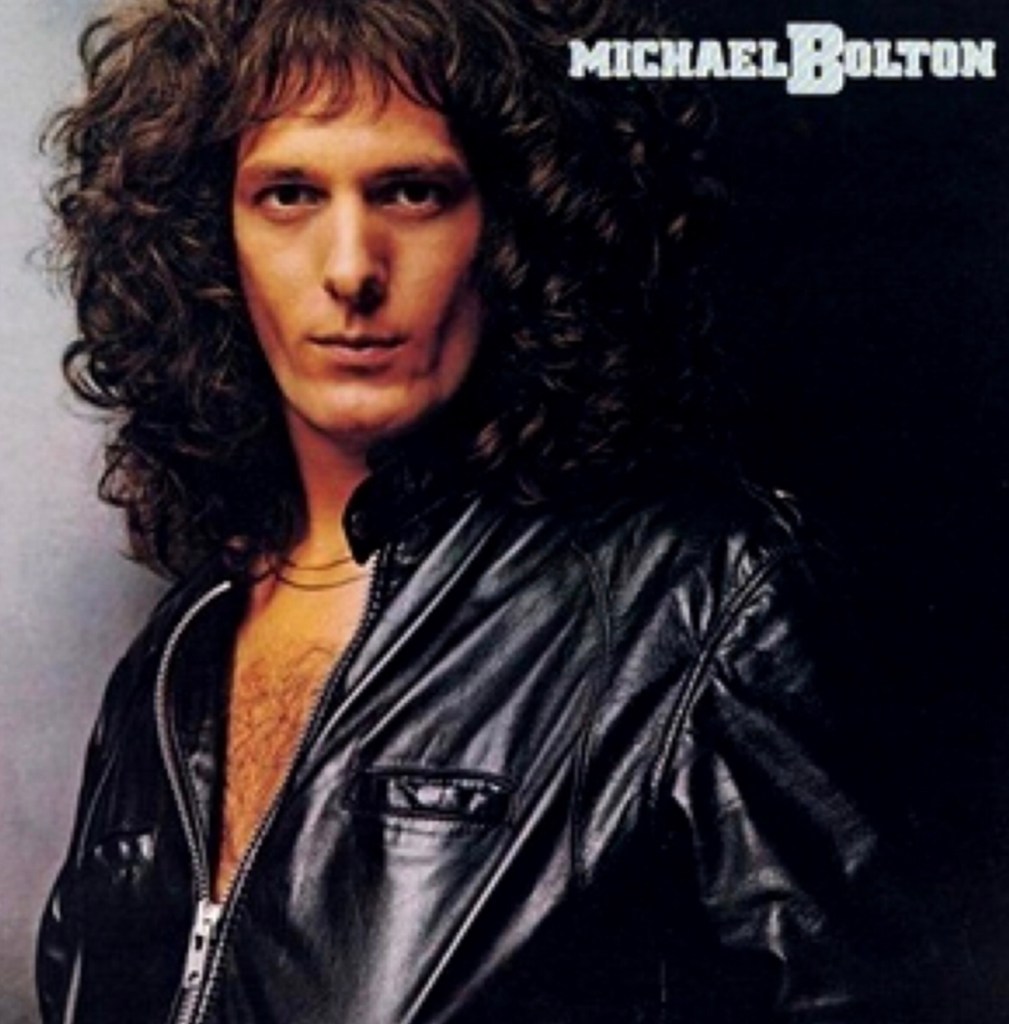
It starts with the “Fools Game” album by Michael Bolton released in 1983, back when Bolton was trying to be Sammy Hagar instead of the soul Bolton we came to know.

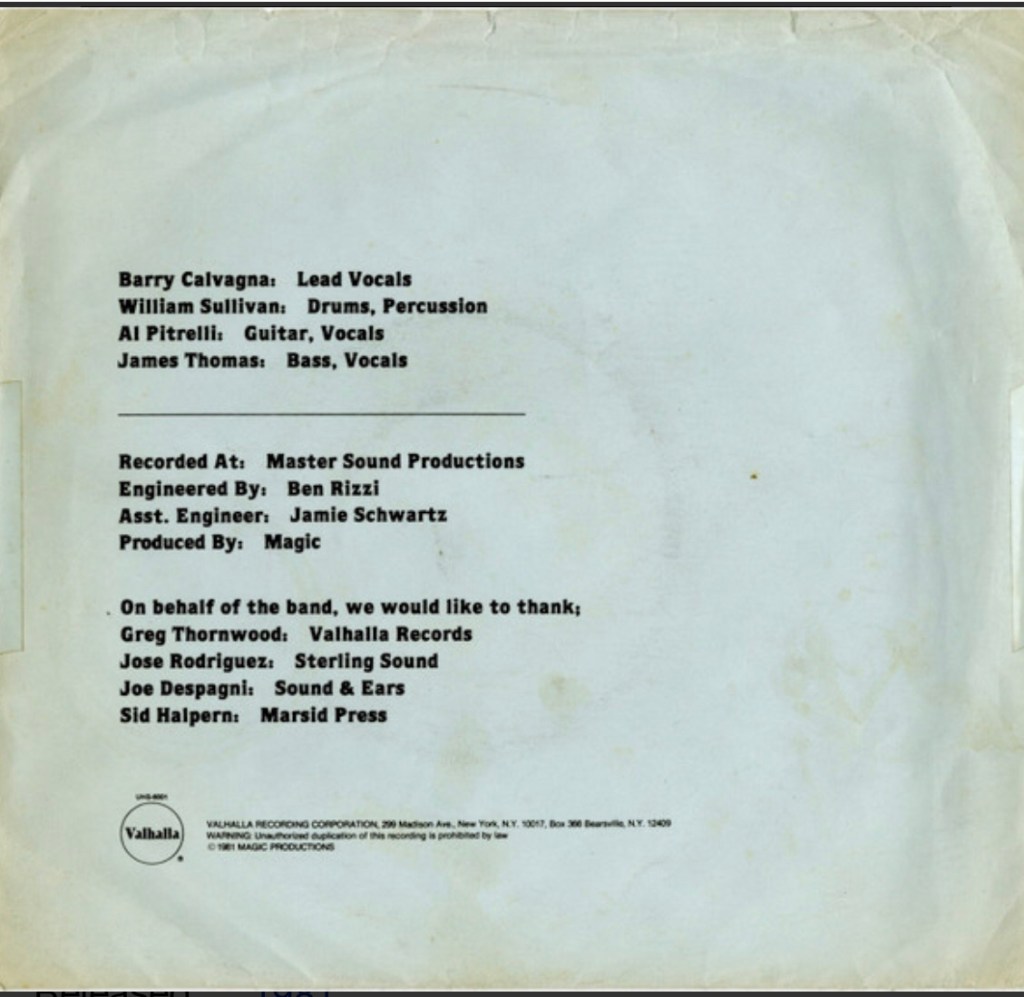
Actually it goes back a few years to 1981 and a band called Magic and a 7 inch single called “Too Much Too Quickly” that had Al Pitrelli playing guitar.

So before Bolton and Berklee there was MAGIC.

They used to rehearse in the basement of a video arcade in East Meadow.

Back to Bolton.

Bruce Kulick and his brother Bob, play guitar on the studio album. Aldo Nova goes a guest solo. Even Bolton shreds a little bit, who started off as a guitarist first, singer second. While the album is a great slab of melodic rock, it didn’t really do anything commercially.

But it gave Bolton enough momentum for the label to fund a follow up in “Everybody’s Crazy” (released in 1985) with Bruce Kulick doing all the lead guitars this time around in the studio. However Bolton was still trying to imitate David Lee Roth, which was a stupid move, as there is only one DLR and Bolton wasn’t it. The album was a financial loss and it did not chart.

However, the label didn’t want to lose too much money on the album, so they put Bolton on the road. However this meant a new backing band was needed as Bruce Kulick accepted the Kiss gig, something which he held until 1996. As a side note, Kulick did got his mate Bolton to co-write a song with the band called “Forever” which was released in 1989 on “Hot In The Shade”.

The new backing band for Bolton would have keyboardist Mark Mangold, who was also the co-writer on the “Fools Game” and “Everybody’s Crazy” albums with Bolton. He also co-wrote “I Found Someone” with Bolton for Cher.

The rest came like this.

Al Pitrelli read the credits on the “Everybody’s Crazy” album and noticed that the people who played on the album had other gigs. He called up his friends, Tony Rey, Chuck Bonafante and another bassist. They learnt a bunch of Bolton tunes, tracked down Bolton’s manager and then offered themselves as his touring band. However the bassist spot went to Bruno Ravel who was called in by Bonafante as Bolton took a disliking to the original bassist brought in by Pitrelli.

For Ravel, it was a dream gig for the 21 year old that lasted six months. On a side note, he had a failed bass gig for an act called “White Lion” because he didn’t like how Bratta and Tramp wouldn’t allow anyone else to write with them.

And if all the names in Bolton’s touring band sound familiar they should, as bands like Danger Danger and Saraya come to mind. Tony Rey would go on to write and produce songs for a lot of mainstream artists.

Pitrelli and Bonfante would also get together regularly in different projects like “Place Called Rage” with Tommy Farese on vocals, “Morning Wood” with Tony Harnell on vocals and “Flesh And Blood” which also included Mark Mangold.

Al Pitrelli by this time had dropped out of Berklee College Of Music. During his time there he became friends with keyboardist Derek Sherinian and drummer Will Calhoun who would go on and join Living Colour.

After he left, he was studying jazz with John Scofield. This is a by-product of growing up in a household that liked Sinatra. Pitrelli’s first Kiss album was thrown out by his dad.

But you can’t keep a rock head down. One thing about rock music is that it is a lifestyle. From Kiss, Pitrelli started to digest Rush, Yes, Led Zeppelin, Aerosmith, Allman Brothers, Mahogany Rush and Hendrix. Then came Eddie Van Halen, an accomplished riff meister and revolutionary shredder.

But Pitrelli’s two biggest influences are Gary Moore and Jeff Beck. Both of these players can move a room full of people with just one note. And that one note is more powerful than a hundred notes. But if they wanted to shred, press the pedal to the metal, they could do that as well. The key word here is balance. Balance between chops and feel.

Suddenly, Pitrelli was seen as a rising star. The Bolton tour (although regional) was his first big break which gave him contacts within the industry. But as the tour progressed, ticket sales stalled and after six months the tour was wrapped up and the touring band sent home.

Ravel was less than impressed with Bolton’s antics and treatment of them, and Pitrelli saw him as mean. In Bolton’s defence, he was pushing 30 and felt that this was his last chance of making it as a solo artist, so he took it out on the people trying to help him make it.

On a sidenote, Bolton also recorded a tape full of demos with just his voice and an acoustic guitar. These demos started to do the rounds with the label execs who wondered why Bolton was singing rock music when his voice was better suited for soul and R&B.

For all of the members, the Bolton tour was a learning experiencing about survival in the music business. Pitrelli knew that survival and making a living in music, depended on playing with anybody and everybody.

Ravel wanted to have his own band but he knew that in order to get to that stage he needed to play with others to make a living.

Enter Talas.

This band was founded by bassist Billy Sheehan in 1971. They went through drummers like Spinal Tap did.

By 1986, Talas lost their founder to David Lee Roth but Talas still had a deal with A&M Records to do one more record. Sheehan gave the band his blessing to go on and meet this commitment.

Vocalist Phil Naro enlisted Jimmy Degrasso on drums, Al Pitrelli on guitar, Bruno Ravel on bass and Gary Bivona on keyboards.

But that final album never got out of the demo stages and Talas was dead when Sheehan did an about face on allowing the band to use the name after word got around that Ravel wore a “Billy Who?” t-shirt that a fan had gave him.

And since the band couldn’t use the name, A&M pulled their deal as well.

While the guys couldn’t use the Talas name, the embryo of what would become Danger Danger was there.

Pitrelli meanwhile jammed and played on the “Funk Me Tender” album from Randy Coven released in 1986. He also did a small club regional tour with Coven.

And then Jimmy DeGrasso left to join Y&T replacing Leonard Haze.

In 1987, a song originally penned by Pitrelli and Ravel called “Temptation” made its way to Phil Kennemore (via Jimmy DeGrasso) and it became track three on the Y&T album “Contagious” which was the bands Geffen debut. If you haven’t heard it, press play on it. It’s a great melodic rock cut.

The first proper incarnation of Danger Danger would have Al Pitrelli on guitars, Steve West on drums, Bruno Ravel on bass and Kaesy Smith on keyboards. Phil Naro was the first vocalist and he was quickly replaced by Mike Pont and then Pont was replaced that same year by Ted Poley. The demo this version of the band recorded got the band its recording contract with Epic Records.

But by 1988, Pitrelli left Danger Danger or he got the boot, depending on who you believe due to having disagreements with the labels A&R rep.

As Pitrelli described it, he was in the band for about 18 months, played a lot of nickel and dime gigs and when the band made a left turn in musical direction, he went the other way. And by the end of it, Danger Danger taught him lessons on what to never do again.

Pitrelli was replaced by Tony Rey who would also leave to join “Saraya” with Andy Timmons taking the guitar slot from 1989 to 1993. You can hear Pitrelli’s playing in Danger Danger on the album “Rare Cuts” released in 2003.

After this Pitrelli re-formed an earlier band he had called “Hotshot” with Pont on vocals and after a very promising six song demo called “The Bomb” failed to get them a label deal he disbanded “Hotshot”.

Pitrelli then got call from an old friend, another Long Island kid called Steve Vai.

Yep that Steve Vai.

He told Pitrelli to audition for David Lee Roth’s band as Vai had just left to join Whitesnake. Vai actually said that he “wanted Pitrelli to take his place in Roth’s band”. Vai even took time out to teach Pitrelli all the guitar parts. Pitrelli nailed the gig and Roth was thrilled.

But whatever went down afterwards was never spoken of again. Roth to this day has never mentioned the Pitrelli audition of the Roth band at all.

In between, Pitrelli was jamming and writing songs with Joe Lynn Turner. Turner had a deal with Elektra who he would rename as Neglektra.

The label kept Turner in development hell between 1988 and 1991, only to drop him and keep the songs he wrote during this period. Because in label land, it’s embarrassing if an artist you dropped makes it with another label on the backs of the songs they had with the previous label. The same thing happened to Dee Snider during this period who was also with Elektra.

In order to get by, Pitrelli did some session work and one of those sessions got a full release. It was a funk soul album by “Philip Michael Thomas” called “Somebody” which did nothing commercially. Thomas is known more as an actor who dabbled in music.

Pitrelli was at the crossroads. He didn’t know what to do anymore. He was in and out of bands, filling in spots perfectly but really struggling to get his own project off the ground. The lack of a reliable income weighed heavily on him. Trying to make it in the music industry was proving tougher than he thought. He had all the chops and players of lesser abilities graced the covers of the magazines. To make some extra cash he was teaching guitarists. He was also married and a conversation with his father-in-law was about him going into carpentry.

But that jam session with Roth impressed drummer Gregg Bissonette a lot and a few months down the track Bissonette recommended Pitrelli to Alice Cooper.

In 1989, Pitrelli got an offer he couldn’t refuse; to become Alice Cooper’s musical director and guitarist in the touring band supporting the album “Trash”.

Musical director meant to rethink the older songs to sound more contemporary so they wouldn’t sound out of place next to the current songs from the “Trash” album. He also got his Berklee roommate Derek Sherinian his first major gig.

On another side note, the students that Pitrelli had would move on to another guitarist called John Petrucci. Yep that same Petrucci from Dream Theater.

As the 80s drew to a close, Al Pitrelli survived in the music business without actually being involved in a full length release. Because one of the lessons he learnt touring was that the real money was made on the road.

Standard
A to Z of Making It, Copyright, Influenced, Music, My Stories, Piracy, Unsung Heroes

The Week In Destroyer Of Harmony History – March 21 to April 3

It’s a two week DOH history this time around as lack of time stopped last weeks edition.

2018 (4 Years Ago)

1984 – Part 1

I was doing a review of the year 1984, Read here for my thoughts on Dokken – “Tooth And Nail”, Van Halen – “1984”, Twisted Sister – “Stay Hungry”, RATT – “Out of the Cellar”, Iron Maiden – “Powerslave”, Bruce Springsteen – “Born In The USA” and Stryper – “The Yellow and Black Attack”.

Ritchie Blackmore

“Being original doesn’t require being the first to do something. It just means being different and better.”
Adam Grant, Originals

History is always written by the winners. If you read any story about Metallica today, it more or less states that “Kill Em All” came out in 1983 and took over the world on release day.

Ritchie Blackmore has been instrumental in influencing guitarists.

But between Deep Purple and Rainbow and three different vocalists, Ritchie Blackmore, blew the paradigm open of what a heavy rock vocalist should sound like. And it’s something he doesn’t credit for.

He pushed Ian Gillian to the limits to record the ohhs and ahhs on “Child In Time” influencing a young Bruce Dickinson to start practicing hard, and getting another unknown singer called Rob Halford to change his vocal style.

Both of these singers would come out with styles that would also influence a generation.

With David Coverdale and Ronnie James Dio he pushed the boundaries even more who influenced another generation of Metal singers.

From a guitarist perspective, it’s hard not to be influenced by Blackmore. Blackmore’s fusion of blues, rock and roll, classical and medieval Influences was so commercially successful, he more or less spawned a new style of guitar playing called Euro Rock/Metal.

And from a band perspective, every single Metal guitarist at that point in time was inspired by Blackmore to find a vocalist who had similar/better talents to the vocalists Blackmore used.

lf the band was started by a drummer and a bassist, they would be looking for a guitarist like Blackmore and a vocalist like Gillian, Coverdale or Dio.

Twitter

“Here’s a challenge for you (and no using the internet for the answer): Can you name all 7 (unsuccessful) albums I’ve done solo or been a part of with a band since I left Twisted Sister in 1987?

A Twitter post from Dee Snider.

For a very long time, the record labels convinced everyone that the only way to define success was by sales. But people might have purchased an album, heard it once and never heard it again.

Dee said further on;

“While I’m proud of all the work I’ve done, YES success is defined by sales. I’m long past “making music for my own head”. Once you’ve had public acceptance of your art, you yearn for it.

The truth is, there is no secret formula for hits.

Artists always had a short life span at the top. Most of the 70’s acts would have been dead and forgotten if there was no MTV television in the 80s.

Which someone else replied that Dee’s album, “We Are The Ones” was excellent with the following questions;

“Do you consider it unsuccessful? Is success only defined by album sales or rather by the quality of the product?”

Another person commented that just because it isn’t popular it doesn’t mean it’s not valid and that music touches people in different ways.

And here we are again wondering what success is.

“Blood and Bullets” from Widowmaker is still Dees best album post Twisted Sister. For me, it’s highly influential.

Dee delivered a stellar vocal performance and Al Pitrelli also produced the goods in the guitar department, while Joey Franco and Marc Russell underpinned it all.

Of course, Desperado (the post TS band that got stiffed by Elektra on release day) guitarist Bernie Torme co-wrote 7 of the 12 songs on the album, so he deserves a huge 10 out of 10 for his stellar riffage and songwriting.

If you’ve read Dee’s book, “Shut Up and Give Me The Mic” Dee had to buy back the Desperado songs from Elektra who claimed ownership of them due to the label financing the demo song writing sessions.

The thing is, a lot of the albums which are really influential to people are rarely commercially successful.

2014 (8 Years Ago)

RANDY RHOADS

I remember the day that I got the “Tribute” tab book.

Studying the style of Randy Rhoads, I learned all about modes and the different scales that are made from each note of the mode, like Ionian, Phyrgian, Dorian, Lydian, Mixolydian, Aeolian and Locrian. I even named my son Dorian after one of the modes. It’s so easy to dismiss musical theory, however when you have an actual song that you can refer to, it makes it so much sense.

Wolf Marshall did an unbelievable job with the book transcription and on the commentary on each song. Actually Wolf Marshall was the transcription god back then. Another was Dave Whitehill. Experienced, super-talented and knowledgeable guitar players that broke down so many doors with their transcriptions and made it easier for young guitar players to pick up the guitar and practice.

“Crazy Train” was the first song I mastered. At the time, Alex Sklonick also had a column in the magazine “Guitar For The Practicing Musician”. In one of those columns, Skolnick also talked about modes and how “Crazy Train” is in the key of A Major and how it switches between the minor and major modes throughout the song. At the time it was a lot to take in however once you get it, you get it. Plus having a song like “Crazy Train” to refer too, who wouldn’t get it.

That one song has all the tools that every guitarist should possess.

And then when you start to go through all of the other songs, you see/hear all of the above tools re-used, which re-enforces all the techniques. Some songs had finger picking and arpeggios. Randy Rhoads was the definition of completeness.

By creating great music, he also taught us how to be better guitar players. Everything made sense. You can take a teacher and make them a rock star, however you can never stop the rock star from being a teacher and that is exactly what Randy Rhoads was. A teacher.

His reach on one song is huge. Add to that all the others and it’s a crazy train alright. Rest in peace brother.

POPCORN TIME

Remember “Popcorn Time”. It had no registrations to use it and there was no restrictions on content. It looked like Netflix and it was free. The user just presses play. It’s easy to use and its design was elegant.

And the entertainment industries killed it instead of employing the people behind it.

“Popcorn Time” was designed by programmers in Argentina, where the movie “There’s Something About Mary” was still classed as a new release by the movie studios in that country.

The development team created an innovative piece of software to meet a service problem for their country because the content industries failed to make content available.

We all know that piracy is wrong, however it opens up the conversation to the larger issue.

For example;

THE BAD – It made the RIAA spend millions suing music customers.

THE GOOD – But, Apple saw a market here and began to turn those Napster digital natives into iTunes buyers by making it easy to grab the latest music, anywhere, at any time. Same deal with Spotify, who put money into a market that didn’t exist before.

ARTIST

Asking Alexandria

They are a hard rock band. When are they going to realise that and drop the stupid screamo vocals.

RECORD LABEL CONTRACTS and ROYALTIES

Fear Factory’s Burton C. Bell had this to say about Roadrunner Records and its founder Cees Wessels;

“I still get royalties. It comes in, but it depends how much we work, how much we tour. If we tour a lot I see better royalties, if we don’t then I don’t.

I have no idea when we’ll get the rights back [to our catalog], because that Roadrunner contract is bullshit.

I literally signed a deal with a Dutch devil. But when you’re young, you don’t care. You’re 23 years-old and ‘we’re going to give you an advance to make your first record, we’re gonna put you on tour, sell your shirts in all the stores. You are gonna to be famous!’’Alright, make it happen!’

Every single label failed their artists by not innovating. The analog dollars vs digital cents mess they got themselves in, is purely of their own doing.

The Macklemore Lessons

Be in it for the long haul. The career of Macklemore has been a long one (21 years and counting). There’s no such thing as an overnight success.

Michael Poulsen from Volbeat started his first death metal band Dominus in 1991. During that time, Dominus released an album called Vol.Beat. When the band broke up in 2001, Volbeat was born. It wasn’t until 2005 that the first Volbeat album dropped. It wasn’t until Metallica picked em up as openers in 2009, that their US career kicked into overdrive. 30 years in the business. That is a lifer.

WORK ETHICS

Work ethics of the current music business.

Check out the list of releases from George Lynch between 2008 and 2014.

2008 – George Lynch – Scorpion Tales
2008 – Souls Of We – Let The Truth Be Known
2009 – Lynch Mob – Smoke And Mirrors
2010 – Raven Quinn – self-titled debut
2010 – George Lynch – Orchestral Mayhem
2011 – George Lynch – Kill All Control
2012 – T & N – Slave To The Empire
2012 – George Lynch – Legacy (EP)
2012 – Lynch Mob – Sound Mountain Sessions (EP)
2013 – Lynch Mob – Unplugged – Live From Sugar Hill Studios
2014 – KXM – KXM

Apart from the high volume output, Lynch is also immersing himself with different band set ups. Different dynamics. Sort of like the seventies musicians who just got together over a weekend and made an album.

The modern internet rule is here today, gone tomorrow. In order to survive, you need to show up and create. The music business is not in trouble. Only dumb labels and artists are.

But all things evolve, and if you are not open to change, you will be forgetten.

Remember John Sykes.

RANTS ON COPYRIGHT, RRHOF and THE WALKING DEAD

BUSINESS MODEL PROTECTIONISM

It’s pretty pathetic how the entertainment industries need to get governments to pass laws every time there is a shift in technology. Back in the Eighties, the boss of the MPAA Jack Valenti proclaimed at a Senate Congressional Hearing that the VCR’s are to the American film producer like the Boston strangler is to the woman home alone.

Fast forward a decade later and VHS sales of movies proved to be a very large income source for the movie industry.

So when it comes to negotiating new laws for copyright, it is these large and cashed up business entities that are lobbying politicians.

Copyright is too distorted and removed from what it was intended to do. It needs a rethink and a massive re-write. The kids of today, the ones that pirate, will one day step up into government and then, change will happen.

THE WALKING DEAD

It’s passed its prime.

The last half of Season 4 was by far the worst. It is a yawn fest of massive proportions.

The main show runners in Frank Darabont and Glen Mazzara got booted for various reasons, with TWD comic creator Robert Kirkman being behind the Mazzara booting.

One thing I can say is that comic book writers should stick to comic books. They are not TV show runners.

ROCK’N’ROLL HALL OF FAME

They call themselves “leaders in the music industry” that joined together to establish the Rock and Roll Hall of Fame Foundation.

Joe Elliott from Def Leppard called it as it is. Elliot called them a “board room of faceless tuxedo-wearing morons” who decide such things based on their own determination of what’s cool.

M SHADOWS

One of the big comparisons that people make is the status of sales right now vs sales more than 30 years ago. And everyone today, especially artists or media personalities, always say that the Eighties was so much better. It is a bold claim to make, especially when the Eighties is known as the era that ripped off artists.

Let’s look at Metallica and Megadeth compared to Avenged Sevenfold.

FIRST ALBUM

Metallica released “Kill Em All” in 1983. It wasn’t until 1989 (yep six years later) that the album was certified GOLD for sales in the U.S. After six months, Metallica was back in the studio recording the follow up.

But, on the back of the Black album juggernaut, by 1999, “Kill Em All” was certified 3 x Platinum, Still it happened, 16 years after it’s release.

Megadeth released “Killing Is My Business (And Business Is Good) in 1985 and to this day it hasn’t been certified at all.

Avenged Sevenfold released “Sounding The Seventh Trumpet” in 2001 and like Megadeth’s debut, it still hasn’t passed the 500,000 Gold barrier.

Compare the first album release of each band and all of them failed to achieve GOLD status within the first five years of release.

But…. Bands had way more sales in the Eighties than today…. The answer is NO, they didn’t.

THIRTY SECONDS TO MARS

Jared Leto was born to be in the arts.

I watched “Thirty Seconds To Mars” live at the Sydney Entertainment Centre on 29 March 2014. Leto had the crowd in his hands from the word go and he manipulated the audience to jump, chant and sing with him throughout the whole performance.

They are a success story.

Sales on the board. Streams. YouTube plays. Box office score. Merchandise.

THE UGLY TRUTH

Record Labels want to sell a lot right now, while an artist is looking to have a career and live forever in the hearts and minds of music lovers.

Hit songs/albums are not made by marketing or an artist telling the world it is their best work. They are made by cultures of people who connect with the song and then share their love of that music with others.

Cheap mediocre goods might sell millions in retail businesses however mediocre doesn’t cut it in music. Hence the death of the album format.

Record Labels are all about the wealth, the Forbes Rich List and flying private. Artists are about the essence and then when they see the talentless executives living it up on the backs of their creations, artists change and become obsessed with the same trappings that consume the Record Label hierarchy.

Record Labels think of how they can monetise the album/song. That is why they strike corporate deals with other entities for crappy pre-release streams and so forth. Artists just want their fans to hear the new music and hit the road to promote it.

Record Labels cease to be when they run out of money, however an artist never stops creating.

Record Labels judge success by how much money the artist made for them. The artist judges their success by how many people their music touched and what impact it had on society and culture.

If a record label exec screws up they could lose their job, however there is a good chance that they will find another high-powered well-paying job. If an artist messes up, there is a good chance they could lose their career.

GUN

Way underrated and way under-appreciated, it’s almost criminal.

In the beginning GUN got lumped in with the hard rock/glam rock style of bands, however GUN had way more substance. Way more character.

Coming from Scotland, they didn’t conform to the LA Sunset Strip scene. The songs didn’t focus on “Cherry Pies” or “Slipped Her The Big One”. They didn’t focus on spelling Rock, ROK. They didn’t have to compete with any band in the scene for the fastest licks and biggest hair.

Instead they focused on their own brand of rock’n’roll. And their lyrical themes didn’t deal with the usual rubbish that the hard rock bands started to serve towards the end of the decade.

Check out my review on “Taking On The World”.

GENE THE WEREWOLF

Check out my review of the “Rock N Roll Animal” album.

I knew nothing about them. Back in the Eighties, we got the press releases, the interviews, the promo spots and the musicians appeared larger than life. Today, we get the music first and then we go back to investigate who the hell created it.

If you are into hard rock, then this is the album for you.

The whole album is an example of progress being derivative.

Taking your influences, blending them and the output is your style and your sound. That is what music is all about. The whole album reminds me of “The Night Flight Orchestra” project. It is a fun album to listen to.

Of course they are on Frontiers Records, who seem to be on a roll surrounding themselves with talent. At first hearing, I thought the band came from Sweden as most of the hard rock bands I have been getting into are from there. However, that is not the case. They are from Pittsburgh, USA.

It is the usual lifer story.

All of the members had done time in previous semi-successful bands from the Pittsburgh area. Some of those bands toured nationally and internationally. There is a lot of history there. A super group from Pittsburgh area bands. In a way like “Night Ranger”. A super group of Californian bands.

Standard
A to Z of Making It, Classic Songs to Be Discovered, Influenced, Music, My Stories, Unsung Heroes

Australian Method Series and The Record Vault: Birds Of Tokyo – Universes

“Universes” is the second album from Birds of Tokyo, independently released on 5 July 2008.

The Personnel for the album is Ian Kenny on vocals, Adam Spark on guitars and keyboards, Adam Weston on drums and Anthony Jackson on bass.

If people are unaware, Birds of Tokyo formed in 2005 as another creative outlet for Karnivool vocalist Ian Kenny who wanted to do something softer and accessible.

There was a period between 2005 to 2012 that both bands operated, however Birds Of Tokyo then took over Ian Kenny’s life until late 2018 when Karnivool got together to play some shows and then COVID-19 hit and it looks like both bands started operating again at the same time.

I am a Karnivool fan first, and my interest to hear Birds Of Tokyo was because of that.

Karnivool plays a certain brand of heavy alternative rock/Metal which I like but even they have added more abstract movements into their songs..

Birds Of Tokyo at the start had this lighter alternative rock vibe happening but as they grew more popular, they more or less became a standard verse and chorus pop act. And a very good one at that.

Uno

Backward tape noises for about a minute leads into the “opening track”.

Broken Bones

Its aggressive in the verses and it could pass as a more pop version of Karnivool, purely because of Ian Kenny’s vocals.

The “I’m on a highway that leads to the end” section and how it builds up is why you should press play on this, because I guess no matter what we do, all of the roads we take lead us to our end.

For humans are born just to die.

Wild Eyed Boy

It’s got a start that reminds me of “The Cure” and “Inxs” but Ian Kenny’s voice and vocals keeps the song rooted in rock territory.

Silhouettic

The triple knock out combo continues with this.

It’s fast rock, hard to describe, but the vocal melodies are so catchy, they remain long after the song is finished, especially the lyric “there goes my baby”.

Head in My Hands

It feels almost like an Icehouse track, with Iva Davies singing. A bit slower, more early 80’s Brit Pop like Joy Division and I can’t get the lyric “I hate my melodies there all the same” out of my head.

But press play to hear the Thin Lizzy like harmonies which mimic the vocal melodies.

White Witch

It reminds me of Jet and “Are You Gonna Be My Girl” in spirit and feel. It also could have come from a Wolfmother album.

An Ode to Death

It’s heavy with a sinister groove and a chord progression that reminds me of “The Way” from Fastball.

Armour for Liars

Its aggressive and super melodic.

“Flowing blood for wealth and oil, the arms race and their toys, Power suits and power ties, corporate armour built for liars” more or less sums up what the song is about.

And I like the repeating line of “hey kid, run on home again, no world news to sell again”.

The Baker’s Son

More like Karnivool than the alternative pop rock on show here and at 6 plus minutes long, the song moves between moods and feels.

Train Wrecks

It feels like its influenced by INXS as it has that vibe with a bit of Radiohead and Muse mixed in.

Medicine

A strummed acoustic and metronomic piano chords with Kenny’s vocals makes up the closer.

If your time is short, then press play to hear the first three tracks in “Broken Bones”, “Wild Eyed Boy” and “Silhouettic” along with the 70’s rocker “White Witch”. While I think of it, stick around for “Armours For Liars” as the deep track.

And it was certified Gold in Australia but it’s not the album you see in their Top 5 Spotify list. Those bigger albums were just around the corner.

Standard
Classic Songs to Be Discovered, Derivative Works, Influenced, Music, My Stories, Unsung Heroes

1976 – Part 4.7: Lynyrd Skynyrd – One More For The Road

It was my first purchase.

Steve Gaines joined, making it a three guitar team again, with Allen Collins and Gary Rossington. Ronnie Van Zant is on Vocals, Leon Wilkeson on Bass, Artimus Pyle on Drums and Billy Powell on Keyboards. Sam McPherson is on harmonica. JoJo Billingsley, Cassie Gaines and Leslie Hawkins are the backing vocalists.

“One More from The Road” is a live album compiled from a few shows.

It’s also the only live album from the classic era of 1970 to 1977. And an essential album to own.

Workin’ for MCA

Written by Ed King and Ronnie Van Zant which more or less sum up the crap record deal they had with the label.

Slickers steal my money since I was seventeen
If it ain’t no pencil pusher, then there’s got to be a honky tonk queen
Well I signed my contract, baby, now I want you people to know
Every penny that I make, I wanna see where my money goes

The creative accounting from the labels. What they give you, they get back tenfold. Bon Scott comes to mind when he sang, “getting ripped off”.

I want you to sign the contract
Want you to sign the date
Gonna give you lots of money
Workin’ for MCA

I Ain’t the One

Written by Gary Rossington and Ronnie Van Zant about a love affair between a whiskey swilling brawler and Daddy’s rich girl.

Saturday Night Special

Written by Ed King and Ronnie Van Zant.

How can you not like the intro and verse riffs?

Press play and enjoy.

Searching

My favourite song from the “Gimme Back My Bullets” album and written by Allen Collins and Ronnie Van Zant. The tempo is slightly increased and this version is my definitive version.

Travelin’ Man

Written by Ronnie Van Zant and Leon Wilkeson.

The intro bass riff from Leon Wilkeson gets me interested straight away.

Simple Man

A classic written by Gary Rossington and Ronnie Van Zant. Also check out Shinedown’s cover in the 2000’s. Brent Smith delivers a stellar vocal.

Press play on this to hear the harmony lead breaks.

Whiskey Rock-a-Roller

Great song title, written by Ed King, Billy Powell and Ronnie Van Zant.

It was a rite of passage to consume whiskey and listening to rock and roll. The song is about hitting the road to the rock and roll show.

The Needle and the Spoon

Written by Allen Collins and Ronnie Van Zant.

I like the intro on this. And the verse riff that comes in is a cross between “Searching” and “Sweet Home Alabama”.

Gimme Back My Bullets

Written by Gary Rossington and Ronnie Van Zant.

How good is that intro riff?

Its heavy and full of groove.

Tuesday’s Gone

Written by Allen Collins and Ronnie Van Zant and man didn’t Zakk Wylde take a lot of licks from this. As soon as I heard it, I thought of “Road To Nowhere” and a few songs from the Pride and Glory album.

A classic. The leads alone hook me in.

Gimme Three Steps

Written by Allen Collins and Ronnie Van Zant, it’s a 12 bar blues with a bit of country rock thrown in.

Call Me the Breeze

Written by J.J. Cale. Everyone was covering Cale around this period. Simple 12 bar blues rock and roll and they blew another amp in the process.

T for Texas

Written by Jimmie Rodgers and the “new fella” Stevie Gaines was introduced. And it’s more soloing over 12 bar blues chord progressions.

Sweet Home Alabama

The hit, written by Ed King, Gary Rossington and Ronnie Van Zant. Inspired by Neil Young’s song “Southern Man” which was seen as a diss to the south. This didn’t impress Ronnie Van Zant and he meant every word when he sang, “well I hope Mr Young can remember, a Southern Man don’t need him around”.

And during the performance, Van Zant, interjects over the solo, “there are plenty of good people in the South, so make sure you tell Mr Young about it”.

Crossroads

A Robert Johnson cover that Eric Clapton has made his own, but Lynyrd Skynyrd also deliver a pretty mean version full of energy and power.

Free Bird

The big closer written by Allen Collins and Ronnie Van Zant. At almost 12 minutes long, it’s not for the faint hearted. The guitar interplay in the massive outro solo section is worth the price of admission.

For a first purchase I became an instant fan of the band.

And they reformed during this late 80s early 90s period so when I was getting into their old stuff, I had new content to listen to as well.

Standard
Classic Songs to Be Discovered, Influenced, Music, My Stories, Unsung Heroes

The Record Vault: Bush – Razorblade Suitcase

Released in 1996, I got this on cassette originally, which I found in a 3 for $10 bin.

But I didn’t get it when it came out. It was a few years later and I got the CD recently at a record fair. Again it was in a 3 for $10 box.

Personal Holloway

Press play to hear the bass guitar riff.

Greedy Fly

It’s basically an artist writing a song, without a thought of it being a hit. And somehow it gets released as a single and it’s seen as a hit. I like the feel of the verses, the way the bass rumbles and those open string droning notes on the guitars builds up into the Chorus.

Swallowed

The lead single, and it followed a “Live (band) vibe”.

At 30.5 million Spotify streams it’s definitely the hit song from the album. But it pales compared to “Glycerine” at 151 million streams or “Machinehead” at 91.6 million streams.

Insect Kin

Press play to hear how the song starts with the snare groove and how it just keeps building. You get to hear Rossdale throw his throat out in the singing.

Cold Contagious

It has a cool drum groove, with the guitars decorating the song in a nice way, as Rossdale is singing, “you will get yours” with the volume and intensity increasing. And at six minutes long, it’s the anti-single, but it still got released as a single.

A Tendency To Start Fires

The verses hook me, but the Chorus loses me.

Mouth

It’s almost like the song “Black Sabbath”. Listen to it in its doom like feel.

“Nothing hurts like your mouth”

Truth right there. We might forget the words but we never forget the feeling.

Straight, No Chaser

They tried to re-write “Glycerine” but they didn’t get close.

History

I like the intro guitar riff on this. It just didn’t go on long enough.

Synapse

The Chorus is a favourite, very Bowie like.

Communicator

It’s “Mouth” part 2.

Bonedriven

Another cool guitar riff to start if off but overall the song doesn’t connect with me as I felt they really tried hard to recreate “Glycerine”.

Distant Voices

They should have ended the album with “Synapse” as the last three songs drag it down.

Like “Sixteen Stone”, it was the accessible singles of the album that got me interested in the album and then it was a matter of discovering some cool sections here and there.

They did an electronic remix album after this and they lost me with that cash grab. And I didn’t check out “The Science Of Things” until recently.

Standard