A to Z of Making It, Copyright, Influenced, Music, Unsung Heroes

Derek Schulman

On October 15, 2020, Derek Schulman appeared on the Bob Lefsetz Podcast.

I first heard of Schulman as the guy responsible for signing Bon Jovi and Cinderella. But before becoming a label executive, he was a member of Gentle Giant (GG), a band that has a bigger fan base today than when they originally broke up.

When Lefsetz asked why GG had grown in popularity, Schulman explained: “We wrote music for ourselves, didn’t follow trends, and the music held up.” Interestingly, GG never considered themselves a progressive rock band. Rock, yes, but not prog. They simply pushed themselves musically.

I believe GG’s resurgence is largely due to the internet. Their music isn’t locked away in a vault, it’s widely accessible. If we were still in the pre-Napster era, their catalog might have remained buried, since labels wouldn’t see the financial incentive to print CDs. Labels have always believed they know what fans want, but they’ve often been wrong. Had they continued releasing hard rock in the ’90s, the genre could have still produced acts selling close to 500,000 units. Instead, they abandoned it.

It always comes back to the music. People return for the music, not for record sales, labels, executives, or streaming numbers.

From Musician to Executive

Before Gentle Giant, Schulman played in a band with a few hit singles, but by 1969, he was burned out from the pressure to keep churning out commercial hits. He wanted to form a band that was the opposite of pop, so GG was born.

But by 1980, after 14 years in bands, Schulman was done. GG had become a job, and he had lost enthusiasm for recording and touring. With nothing lined up, he spent a year feeling lost. Fortunately, he had savings, thanks to his role as GG’s quasi-manager in the mid-’70s.

A friend at PolyGram called with a job offer. Schulman moved from California to New York and joined the label as a Promotions/A&R rep, though his role was mostly promotions. He was hired because two of PolyGram’s heads of radio promotion were huge Gentle Giant fans.

At the time, PolyGram was a mess. The label had major acts like KISS and Def Leppard, but they drained a lot of resources. Schulman’s break came when artists and managers started bringing him albums. Uriah Heep was shopping a new record, and Schulman helped organize a deal to release it.

Then came Bon Jovi.

Bon Jovi’s Breakthrough

Schulman met Jon Bon Jovi and was impressed by his focus and drive. Jon wanted to be bigger than Elvis. He even introduced Schulman to his parents, who told him: “Take care of our son.”

At the time, no other labels were bidding on Bon Jovi. Schulman also had a strict policy, he refused to get into bidding wars.

The key move was bringing in Doc McGhee. Doc originally came to Schulman’s office pushing Pat Travers, but Schulman told him to check out Bon Jovi instead. Schulman saw in Doc the same relentless drive that Jon had.

Jon met Doc, they struck a deal, and just like with Schulman, Jon’s parents needed to approve.

McGhee put Bon Jovi on tour with Ratt and Scorpions. Their debut album was a success, but their second record, “7800° Fahrenheit”, was considered a sophomore slump. Schulman hated the album title, the recording process was a mess, and the overall vibe felt off. But the album did its job, it kept the band on the road while McGhee worked overtime to book shows.

Schulman, meanwhile, had started working with producers Bob Rock and Bruce Fairbairn, who had just finished albums with Loverboy and Honeymoon Suite. Jon and Doc knew they needed great producers to reach the next level.

Schulman suggested co-writing with others. Paul Stanley and Gene Simmons had already introduced Jon to Desmond Child. The rest is history.

The label knew they had something big as soon as “Slippery When Wet” was mastered. The original album cover was scrapped, and Jon designed the new one himself. “You Give Love a Bad Name” and “Livin’ on a Prayer” were immediate hits, and the album shot to No. 1. Schulman had a percentage point on the album, but when he left the label, his royalties ended.

Cinderella

Schulman was introduced to Cinderella by an agent, a lawyer, and Jon Bon Jovi, who knew Tom Keifer.

He went to see them play a club in Philadelphia. The band wasn’t great, Tom Keifer stood out, Jeff LaBar was solid on guitar, but the other two members weren’t up to par. Then Schulman listened to a 90-song demo of Keifer’s original material. He was blown away by Keifer’s songwriting.

Schulman told the lawyer: “Get Tom to replace the other two with better musicians, and I’ll give you a deal.”

Andy Johns was brought in to produce “Night Songs”. The album dropped shortly after “Slippery When Wet” exploded, and “Night Songs” shot into the Top 10. Suddenly, Schulman was on fire, he had two bands in the Top 10.

When Lefsetz asked why Cinderella never released another big album, Schulman pointed out that they did, “Long Cold Winter”, but he had briefly forgotten the title.

Tom Keifer eventually lost his voice, which Schulman confirmed was true. Schulman also helped shape Cinderella’s albums with his artist experience, though he didn’t contribute to Bon Jovi’s records in the same way. He even co-wrote songs with Tom but never took credit.

Dream Theater

Derek Oliver, an A&R representative at Atco Records and a passionate fan of progressive rock, was the key figure in discovering Dream Theater.

In the late 1980s, Dream Theater had self-released their debut album, “When Dream and Day Unite”, through Mechanic/MCA Records, but the album failed to gain much traction due to poor promotion and distribution.

Meanwhile, Oliver, who had interviewed and reviewed the band during the period as part of Kerrang was impressed by their technical proficiency and songwriting.

Recognizing their potential, he brought Dream Theater to the attention of Derek Schulman, the head of Atco Records at the time.

After meeting the band and seeing their dedication, Schulman agreed to sign them to Atco. Under his guidance, Dream Theater recorded their breakthrough album, Images and Words (1992), which featured the hit single “Pull Me Under.” The album’s success helped establish them as a leading force in progressive metal, proving that Schulman and Oliver’s instincts were right.

Running Labels

Schulman also played a key role in launching Bob Rock’s production career, giving him his first gig with Kingdom Come, another band that went on to dominate the charts.

In 1989, Schulman left PolyGram to run Atco Records. PolyGram wanted to keep him, offering him control of Vertigo and Mercury, but he wanted a change, even if it meant losing his Bon Jovi and Cinderella royalties.

Doug Morris was hesitant about Schulman at first and saw him as a potential replacement. But Schulman built an impressive roster, signing Pantera and The Rembrandts. He had actually planned to sign Pantera to PolyGram but knew he was leaving, so he told their attorney to wait until he moved to Atco.

At first, Atco thrived. Schulman put together a strong team, and the first three years were fantastic. But eventually, he started losing perspective. One day, he heard a No. 1 song on the radio and liked it. When he asked a work colleague who had signed the artist, they said: “You did.” That moment shook him.

Doug wanted him out, but Schulman quit. He even attempted a coup while on a trip to Russia.

Roadrunner Records and the Rise of Metal

Schulman took a break before getting a call from an old friend, Case Wessels, at Roadrunner Records. Initially consulting for a year, he eventually became president.

Roadrunner was independent, which Schulman loved—no board to answer to. He scrapped some of Wessels’ ideas and focused on breaking bands like Coal Chamber and Fear Factory, both signed by Monte Conner.

Then he saw Slipknot live and knew they would be massive.

He also signed Nickelback. Their first album (with Roadrunner) featuring “Leader of Men”, got some airplay, but when “Silver Side Up” dropped, Schulman immediately recognized its potential. The moment he heard “How You Remind Me”, he knew it would be huge.

Roadrunner was suddenly rolling in cash. Wessels wanted another “Silver Side Up”, but Schulman knew those albums don’t appear every six months, more like every 5 to 10 years.

Lefsetz asked why Nickelback gets so much hate. Schulman believes they’re a guilty pleasure, many people who claim to hate them secretly enjoy their music.

Finally, Schulman pointed out that while the industry panicked over piracy during Napster, hip-hop thrived by giving music away for free.

When streaming took over, hip-hop was already dominant—and it still is.

If you like your hard rock and metal history, then Derek Schulman is an unsung hero and this podcast is one to listen to.
Standard
Copyright, Derivative Works, Music, My Stories, Piracy, Stupidity

Four For Friday

When I started these weekly posts it was a means to keep me blogging during a hectic schedule.

And there was no definitive structure as to what I would cover. But I can see that Cooyright issues keep appearing.

And here is another week devoted to that beautiful term. Copyright. Which was designed to give the creator a limited monopoly on their works so they could create more works.

LETS GET IT OVER WITH

Ed Sheeran can’t get a break. Last week, the case against him from the daughter of Ed Townsend was dropped.

But this week, an organization called “Structured Asset Sales”, (SAS) have started their own litigation.

They control a different one-third stake in Townsend’s copyrights. They “own” the basic notation (musical score) filed at the Copyrights Office decades ago.

When the original case was happening, (SAS) was also a part of it, seeking a “monopoly over a basic musical building block.”

Their case was also thrown out.

But they are appealing their part. Because hey, they created nothing and believe they should be paid for creating nothing. And they want a monopoly on a feel and style.

A big reason why Copyright had expiry terms initially was to stop all this crap. Politicians had a foresight back in the early 1900s to see this coming.

And that changed in the 60s when the labels and book publishers started to amass intellectual property and then started to lobby politicians to change laws and bring in new laws to give these corporations a monopoly on the works.

It’s funny now, how the labels are also getting sued from the very laws they sponsored to benefit them.

124 WEEKS

In April 2021, UFC fighter Jake Paul knocked out Ben Askren in less than two minutes.

Soon after, the popular H3 Podcast on YouTube commented on the fight and showed a clip of the fight.

Event promotor Triller wasn’t happy and issued a copyright infringement lawsuit demanding $50 million in damages.

H3 opted for a fair use defense.

The case is now in its 124th week.

The clip of the fight was 119 seconds long.

Who are the real winners here?

URUGUAY

The Uruguayan Government has a bill in motion which would allow artists to go direct to internet platforms like Spotify and social media sites like Facebook for compensation.

Spotify would still need to pay the existing licensing agreements and if this bill goes ahead could be forced to pay again to the artists direct.

I’m all for artists getting paid but the problem lays with the entities who hold the rights to the songs. They get the majority of the streaming pool and they don’t distribute it back to the artists.

This is a perfect example.

Spotify still needs to honor the licensing agreements with the labels and publishers so these organizations will receive their cut.

And if they are aware of the artist going direct, I am sure that some creative accounting will take place to hold back any payments to the artists.

Anyway. Spotify isn’t happy with the bill and unless it’s changed they will pull out of Uruguay.

As a byproduct, the local music industry which has been growing 20% from streaming revenue will have this source of income come to zero.

ALBERT NAMATJIRA

Albert Namatjira died in 1959. He was an Aboriginal artist, painting the Australian landscapes in watercolors.

The copyright in his art is due to expire in 2029, 70 years after his death.

This means the works will be part of the public domain and anyone can use them in their works moving forward.

But lawyers for the family are arguing that Copyright should last in perpetuity. Forever. Never expire.

And they are pissed.

The issue here is that the family were getting royalties for his art up until 1983. At that point in time, the government trust that administered the rights sold them to a private organization and the royalties ceased.

It took the family 34 years to get the rights back in 2017, with the proviso they need to relinquish them again in 2029.

Furthermore in the last 5 years, Namatjira’s art has exploded in popularity and has become a valuable intellectual property.

But Copyright was never meant to be a reversionary pension fund.

Standard
A to Z of Making It, Copyright, Music, My Stories, Stupidity, Treating Fans Like Shit

Four For Friday

It’s all about the money in music and the lawsuits which come about because of it.

THE GREAT 78 PROJECT

The “Great 78 Project” from the Internet Archive is digitizing 78-rpm records from the early 1900s until the 1950s.

78rpm records are some of the earliest musical recordings, and were produced from 1898 through the 1950s when they were replaced by 33 1/3rpm and 45rpm vinyl records.

The Archives asked people to donate their albums so that the cultural past survives for future generations to study and enjoy.

At the moment the collection is at 400,000 plus recordings. The majority of these 78s are forgotten and the 78rpm versions are not on streaming services.

Sounds great right. Preserve some cultural history from donated records and provide access to people to enjoy.

But the labels don’t get paid when this happens and suddenly don’t like it.

Universal, Sony and other labels (as part of the RIAA) are suing for copyright infringement.

The labels’ have used colorful phrases to describe the “78 Project”, as an “illegal record store”.

From the 400K plus songs, the labels named close to 3K sound-recording copyrights that the Archive allegedly infringed.

And they want $412 million for it because as far as the labels are concerned the music is available on streaming services.

The Great78 project, is not a substitute for music streaming services like Spotify or Apple Music.

When you listen to it, you hear that the music was digitized from the 78rpm record.

You get the crackle and the hiss of the record. It is a totally different version from the clean remastered versions you hear on music streaming services.

It’s ridiculous that it’s even an issue.

SIRIUS XM

SoundExchange, is responsible for collecting and distributing digital music royalties.

Sirius XM is responsible for playing music and paying digital royalties.

SoundExchange claims that Sirius XM is performing some creative accounting by inflating the revenue from its webcasts so it pays less in music royalties to the tune of $150 million.

Isn’t it funny how the labels and publishers go straight to litigation when someone else like Sirius XM does the exact same thing that they did to artists for 80 plus years.

Twitter/X

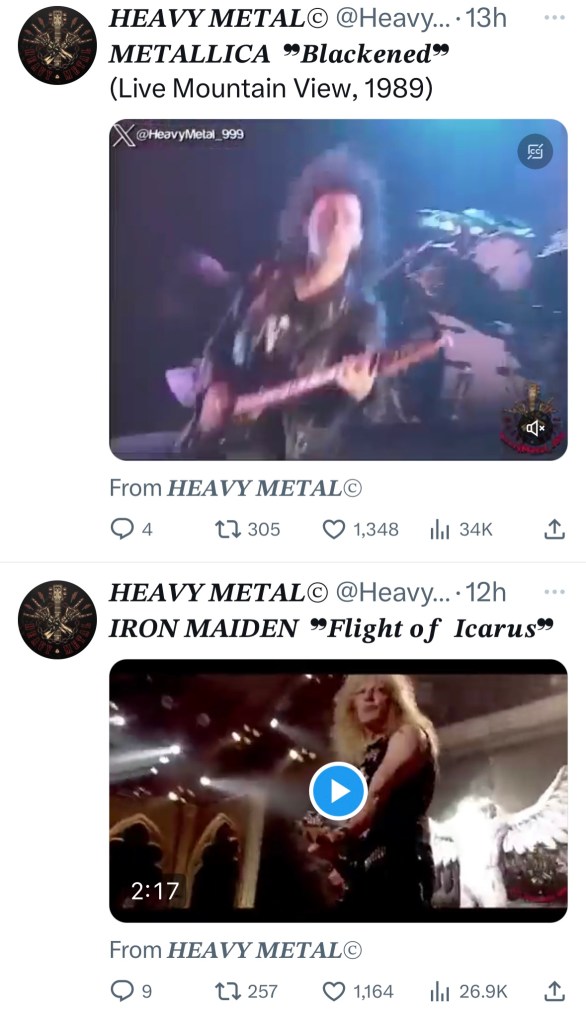
Twitter/X users put up snippets of live concerts, music videos, interviews and basically themselves jamming to their favorite music or playing the vinyl or CD of their favorite music.

Posts like these.

Two minute snippets of live performances that someone recorded which isn’t the user.

Or something like this.

Footage from a concert that the user attended and shared on the platform.

The users on other social media sites do the same thing.

But the RIAA, the labels lobbyist and litigation arm don’t like it.

They have accused X Corp of breeding mass copyright infringement because the company fails to respond to takedown notices and lacks a proper termination policy.

For this crime, the labels want $250 million from X Corp.

Elon Musk wants the case dismissed and his legal team have asked the courts to consider it as the labels have no hard proof of any wrong doing.

$3 MILLION PER HOUR

It’s the combined amount of how much the labels made in the first six months of 2023.

And they made that money because they have schemed, paid or legislated their way into owning the rights of a lot of music.

The music created by artists in bedrooms, parents basements, hotels, tour buses and at soundchecks, the labels now own.

And they will own these rights for the life of the artist plus 70 years after their death. In some jurisdictions, it’s 90 years after their death.

Final Note

The artists who create culture and value are never in the conversation. Even if the labels (and the RIAA) get all the monies paid to them, they will not share any of it with the artists.

And it is the artists who gave them this power to litigate, by signing away their rights in shitty contracts so they could have a recording career. And maybe a chance to make it big.

Standard
A to Z of Making It, Copyright, Music, My Stories, Piracy, Stupidity

Four For Friday

RIAA POWERS

How much power is too much power?

Two years ago, the RIAA won a piracy lawsuit against two sites that offered YouTube-rippers. For those that don’t know, these sites allow the user to turn a YouTube video into an mp3.

After the verdict, the RIAA demanded $83 million in damages from the site owners.

And suddenly, there was an appeal.

As the TorrentFreak article explains;

“If the record companies can really get multi-million dollar judgments without having to prove a single instance of infringement within the United States, then no one who operates a website is safe,” Gurvits (Defense Lawyer) said at the time.

There has to be some onus on the RIAA to prove infringement.

And they can’t because they don’t know who infringed.

It’s easy to get a techie to run a report and say that the YouTube ripping sites were accessed by U.S IP addresses. But. It’s not easy to prove who is responsible when their evidence is made up of IP addresses.

But accessing the sites doesn’t constitute Copyright infringement. And the RIAA cannot prove what infringement took place or what videos from YouTube were turned into mp3s.

So why is the law allowing them to bring cases to trial without this proof.

JASON ALDEAN

The song “Try That In A Small Town” came out in May 2023 and it was out of the public conversation. It was a dud and no one cared enough to listen to it. His true fans did but no one else.

Then someone (Critic Zero) started the backlash against the song in the middle of July, 2023 and by doing so, they amplified the song by providing much needed free marketing.

The criticism then spread to other blogs and news outlets faster than Covid and as a by product the streams and downloads of the song kept going up. In the space of two weeks the songs Spotify numbers went from 1.5 million to 12.3 million.

To top off the controversy, Aldean and his team had to edit the music video because it contained footage which was copyrighted.

SPOTIFY INCREASE

The price of Premium Family is changing from A$18.99/month to A$20.99/month.

My favorite part is the reason Spotify gives for the increase, which is word for word to what Netflix gave a year ago;

We’re increasing the price of Premium Family so that we can continue to invest in and innovate on our product offerings and features, and bring you the best experience.

Really.

It’s nice to know that Spotify is using subscription money to pay people for podcasts that a lot of their customers don’t like.

BAND I’M SEEING

I’ve got tickets to watch “The Night Flight Orchestra” in Sydney next Friday. Readers of the blog will know that I am a fan. Each album has been reviewed glowingly.

In case you are interested.

You can read the debut album “Internal Affairs” (2012) review here.

“Skyline Whispers” (2015) is here.

“Amber Galactic” (2017) is here.

“Sometimes The World Ain’t Enough” (2018) is here.

“Aeromantic” (2020) is here.

“Aeromantic II” (2021) is here.

SONG IM LISTENING TO

“Crime Of The Century” by Revolution Saints. It’s a great piece of melodic rock and that Chorus just sticks around forever.

My review of the recent album is here.

Standard
A to Z of Making It, Classic Songs to Be Discovered, Derivative Works, Influenced, Music, My Stories, Unsung Heroes

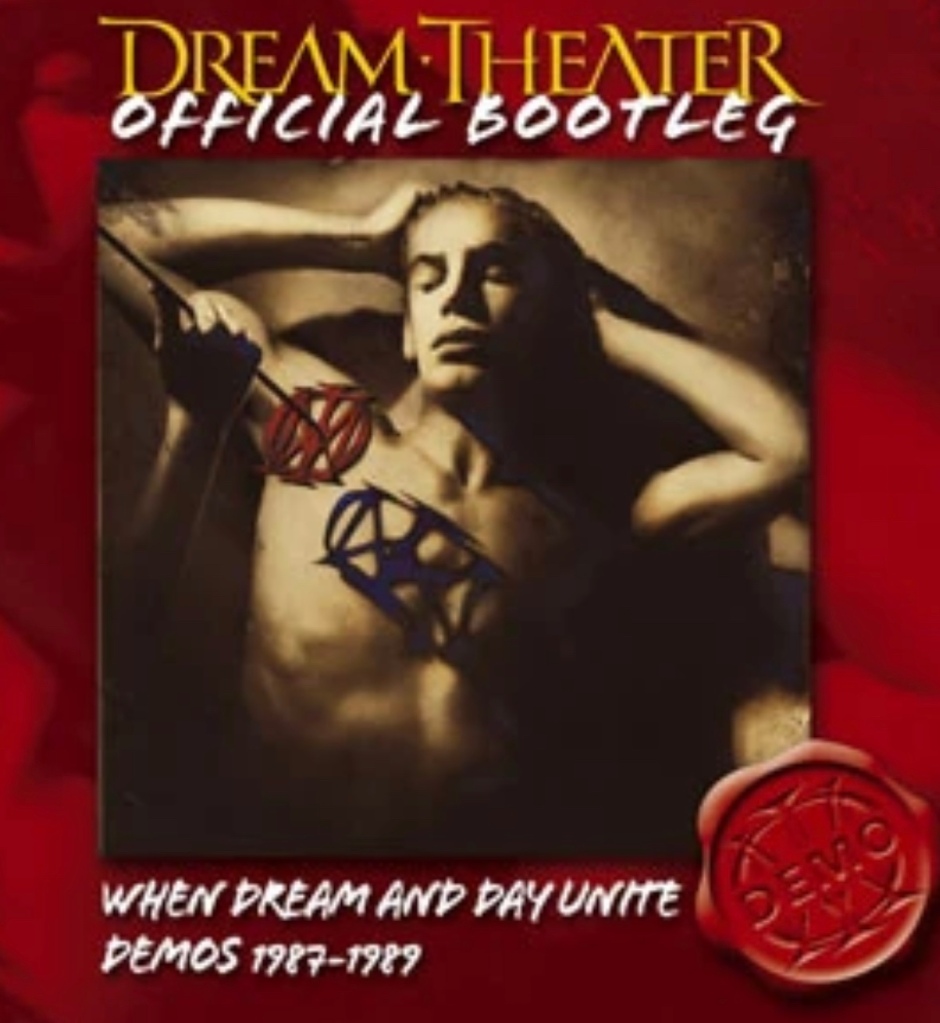
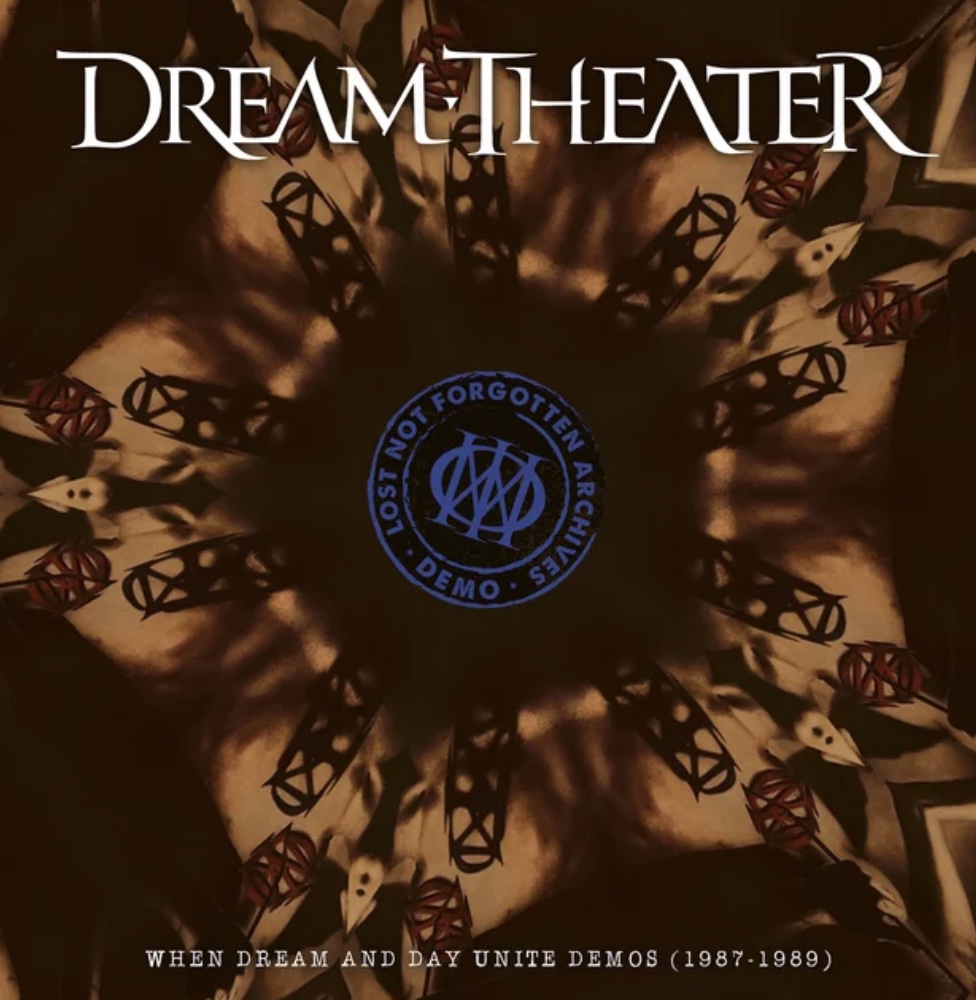
The Record Vault: When Dream And Day Unite Demos 1987-1989

It was released in 2004 on Ytse Jam Records, the official bootleg label of the band created by Mike Portnoy and John Petrucci, but Portnoy was the main driver.

Yep, the thing that bands are doing right now, Dream Theater has been doing it since 2003. Marillion, one of Portnoy’s favorite bands have been doing it even earlier via their fan club.

This was also released as part of their Inside Out record deal via the “Lost Not Forgotten Archives” on 12 May, 2023.

The CD contains pre-production demos as well as instrumental versions of the songs and songs that did not make it on to the album, or were recorded around the same time. Also included are six tracks the band recorded as a Christmas gift for their friends.

The band started this recording process as Majesty. By the end of it they would be Dream Theater.

They started it with Chris Collins as the vocalist. Then a whole year would pass before Charlie Dominici would join Mike Portnoy, John Petrucci, Johnny Myung and Kevin Moore. This is the band that recorded the debut album.

Afterlife – Instrumental Demo

It’s my favorite track from the debut album and it was the first new track they wrote upon returning home from Berklee in the Summer of 1986.

It’s straight ahead speed technical Metal and the instrumental demo highlights it.

And Johnny Myung is one hell of a bassist.

The harmony solo between the keys and guitar is still here, however the solo before is different to the recorded version.

The song was performed live with vocalist Chris Collins however it had different lyrics and melodies.

The Killing Hand – Instrumental Demo

It’s weird how my two favorite songs on the debut are the first two songs written.

You can say this song is the start of the Dream Theater epics.

That section after the solo still hooks me.

The Ones Who Help to Set the Sun – Instrumental Demo

The working title of this song was “Death Of Spock”.

It’s the most progressive of the tracks so far and the Arabic Metal feel is very prominent in the demo.

The Rush influence is also prominent when you hear the song instrumentally.

Ytse Jam – Instrumental Demo

Well the song was written to be an instrumental so instrumental demo doesn’t make sense.

Regardless, it’s a fan favorite and that Intro gets peoples attention immediately.

Cry for Freedom – Instrumental Demo

I needed to rehear it to remember it. A leftover from their Berklee jams.

Standard riffing that seems lost without a vocal melody.

But I do like the Sunset Strip riff from about 2.40 and then the change in feel at 3.00. The drums play a simple groove, the synth takes the lead and it sounds like “Stranger Things” took it for their intro. Or maybe the band was heavily influenced by the “Signals” album from Rush.

It’s also been preformed live with Chris Collins.

Resurrection of Ernie – Instrumental Demo

It’s like a John Carpenter soundtrack piece and I like it.

The music here has never been used or rewritten for another song, so it’s a true rarity.

Drum Solo – Instrumental Demo

I hate drum solos in concert and I hate them on albums. If they add some music to it and have the drums doing intricate things then I’m all in.

Portnoy created it for a contest that Modern Drummer magazine was running. The prize, “Neal Peart’s Tama Drum Set”.

Portnoy submitted it under the title “Peartnoy’s Complaint”.

He didn’t win.

A Fortune in Lies – Instrumental Demo

It is the opening track on the album. I still get hooked on the verse riff and how the keys decorate it.

And in the demo here, there’s no Chorus

Only A Matter of Time – Instrumental Demo

It’s missing the excellent synth lead which defines it.

A Fortune in Lies – Early Charlie Demo

Charlie Dominici is a great vocalist.

But at 36 years of age when he joined the band, he was always on borrowed time with the Dream Theater guys.

Mike Portnoy said it was like having Billy Joel singing in Queensrÿche. In this case it was more Steve Perry singing in Dream Theater.

A good singer in the wrong band, they would amicably part ways after this album.

Afterlife – Early Charlie Demo

My favorite track with a killer chorus. But you had to wait for it.

The Ones Who Help to Set the Sun – Early Charlie Demo

You hear a lot of Marillion in the demo and I like it.

These “Early Charlie” Demos are the ones that got the band signed. A friend of Portnoy’s had an ex-band mate who left Combat Records to start Mechanic Records and on June 23 of 1988, Majesty signed their deal.

Once signed, Terry Date was selected as Producer, who at the time had a reputation for making albums sound great on a low budget.

Portnoy’s 4 track came out and away they went with the Pre-Production demos.

  • A Fortune in Lies
  • Afterlife
  • Ytse Jam
  • Only A Matter of Time
  • The Ones Who Help to Set the Sun
  • The Killing Hand
  • Light Fuse and Get Away

All of the pre-production demos are more polished than the instrumental demos.

The solos are still a work in progress however most of the elements are there.

“Light Fuse And Get Away” was newly written during this phase.

“Status Seeker” was written just before they entered the studio and never demoed.

The entire album was recorded and mixed in 3 weeks.

Shortly before the release, the guys were informed of another unsigned band who held the registered trademark for the name Majesty. So they had to change their name.

And Dream Theater was born.

The album dropped on March 6, 1989 to little promotion and fanfare. The label reneged on their promise to fund a video and provide touring support.

It was dead on arrival as the guys retreated back to their basement rehearsal studio and their day jobs at delis, Chinese food places and music stores.

To Live Forever – Xmas Demo

The song was written after the guys watched “Rattle and Hum” from U2.

It’s stuff like this which I like from Dream Theater. They would take all kind of influences and still make it sound like Dream Theater.

On here, you can really here the pop vocals in Dominici.

Mission Impossible – Xmas Demo

A little jam with Portnoy losing his shit at the end of the song at Petrucci who was wailing away.

Golden Slumbers/Carry that Weight/The End – Xmas Demo

A Beatles medley.

O Holy Night – Xmas Demo

It’s not a Xmas demo with a Xmas song.

A Vision ’89 – Xmas Demo

I like Dominici’s vocals as well. Then again I’m a fan of this song, so I enjoy all versions of it.

This one is very Queensryche like.

And there you have it.

If you want to hear Dream Theater as a technical speed Metal band with various influences of other styles then this is the album.

Crank it.

Standard
A to Z of Making It, Classic Songs to Be Discovered, Copyright, Influenced, Music, My Stories

Four For Friday

It’s all about Copyright, that little piece of legislation meant to give creators a monopoly on their works, so they could create new works, however the creators now sell or license their rights to a corporation, who then seem to hold onto the rights forever and by doing so, the Corporations keep lobbying hard to change laws so copyright lasts forever.

THE VALUE IN COPYRIGHTS KEEPS GETTING BIGGER

It’s 2008 and the Global Finacial Crisis decimated assets across the world. In these wastelands, the Investment Houses turned to Copyrights to balance portfolios.

The arrival of streaming services took off the cloak and funny math on royalties by the labels. While artists complained about the pay per stream rate, one thing they couldn’t complain about was the amount of money paid to the organizations that held the rights.

15 years later, these portfolios keep making money for the Investment Houses as the majority of music consumers transitioned to streaming.

In 2022, Germany generated 1.656 Billion in streaming revenue. The total income for the country was 2.07 Billion so streaming equated to 80 percent of it.

Globally in 2022, streaming revenues reached 17.5 billion U.S. dollars. 70 percent of total recorded music revenue.

If you are not getting a cut of it, someone else definitely is.

COPYRIGHT AFTER DEATH

It’s been five years since Aretha Franklin died and her heirs are still fighting over who handles her Estate, which has her Royalties paid to.

The unusual trial will determine which of the two handwritten wills, including one found in couch cushions, will come in force.

The interesting part is how Aretha valued her earnings from Copyright, which she listed as $1. Meanwhile, the Estate earned $4 million in one year after her death.

SPOTIFY PAYMENTS TO SWEDISH ARTISTS

Since 2008, Sabaton has amassed 2.5 billion streams on Spotify. Check out the research.

It is estimated that Spotify has paid the rights holder of Sabaton’s catalogue between $9.6 million and $15.9 million during this time.

If Sabaton owned their Masters 100%, then they would have received between $7.6 and $12.6 million dollars from Spotify. It equates to $507K and $840K per year. There are five members in the band, so taking the lower amount, each member would get $100K each. This takes into account that they have no manager percentage, accountant percentage and so forth.

If they had a 50% Royalty agreement with their label, they would have received between $3.7 and $6.3 million dollars. It equates to $247K and $420K.

If they had a 20% Royalty agreement with their label, they would have received between $1.5 and $2.5 million dollars as the label would get the other 80%. It equates to $100K and $167K. Taking the lower value, each member would receive $20K for the year, which comes to $1,666 per month. This takes into account that they have no manager percentage, accountant percentage and so forth.

RE-RECORDINGS

The Law states that artists can get back their rights after so many years. But the labels are fighting each case tooth and nail.

So if the artists have the means, they are creating new masters and are making those new masters as canon. This in turn gives them control over their music and they can then license these recordings to TV Shows and Movies and Games on their own terms.

SONG I AM LISTENING TO

Chokehold from Sleep Token.

It came up on a Release Radar many months ago and I’ve been hooked ever since. Hooked enough to buy the Vinyl album when it came out a few weeks ago.

From the U.K, they combine Pop, R&B, World, New Age, Church, Classical, Folk and Djent like tech metal. And I’m a fan.

To show how much cross over appeal they have, you can watch Daughtry do a live acoustic cover of the song.

Metal music is always resilient to changes in genres however it’s also easily adaptable to other genres or it can be used as a fusion element.

And fusion is happening everywhere.

Taylor Sheridan is good at mashing unrelated and different story ideas into one cohesive story.
Yellowstone is a mash up of Classic Westerns, Medieval dramas with a lot of back story and political thrillers. Tulsa King is “The Godfather” in a Western setting.

And then I did some research on em, and they have a gimmick, wearing face covering like ninjas from an anime.

Check em out.

Standard
Influenced, Music, My Stories, Unsung Heroes

The Week (Last Few Months Actually) In Destroyer Of Harmony History – August 15 to September 20

I like doing these review posts as it gives me the opportunity to read my earlier writing. Some of it is okay, some of it is crap and some of it is good. But the life Reno’s I went through recently put a stop to these weekly posts.

So here is a review of a few months of history.

4 Years Ago (2018)

REDEMPTION

You can read my review of Redemption’s new album at the time, “Long Night’s Journey Into Day”. Vocals on this album were provided by Tom Englund from Evergrey, while previous efforts had Ray Adler from Fates Warning fronting them.

Being a fan of Redemption before Englund joined, I was always keen to hear a new Redemption record, however I was even more keen to hear it when I knew Englund would be singing.

STANDING FOR SOMETHING

Back in 2018, we had gas poisoning and acid attacks in the UK, Russia meddling in politics (and still meddling via a pointless war in Ukraine) and mother nature taking back her lands via fires, volcanoes, hurricanes/twisters and earthquakes. We have a problem with pollution in the air and plastics in our waters. We have people carrying out mass shootings or driving vehicles into crowds of people. We have wars over religion and poverty/famine in Africa is still happening and as much as big business want to deny it, climate change is real.

And then of course we got lockdowns due to COVID-19.

The past is littered with bands and music in general taking a stand against a problem, a situation, injustice and war. But what about now. What is upsetting musicians enough that they feel compelled to write about it?

Remember, you can’t be liked by everyone.

Take a stand.

LOCK UP THE WOLVES

A ticking clock sounds in the distance.

Suddenly it starts to get more louder as the speed increases.

It’s time for something to happen but what.

Then a syncopated guitar, drum and bass riff kicks in. And there is a pause. It happens again. And another pause.

“Lock Up The Wolves” doesn’t get the notice it should.

DR FEELGOOD

“Dr Feelgood” came out on the first of September, 1989. 33 years ago. The album cost me $19.99. I pay just a little bit more than that a month now for my whole family to listen to almost the history of music on Spotify.

The drug overdoses, the death and subsequent return from death for Nikki Sixx, the drugs, the crashed cars, the lawsuits, the drugs again, the imposter, Vince escaping jail, the women, the drugs again times two, the partying, the clashes with the law and the eventual “sobriety”.

“Dr Feelgood” had to be number 1. If the music didn’t do it, the stories would have. Apart from the big songs, the other songs on the album were not mere filler.

“Sticky Sweet” has a wicked solo section, “She Goes Down” has a great bass and drums verse section after the solo section, which ends with the sound of a zipper going down, “Slice Of Your Pie” is so Aerosmith, but it’s the Beatles “She’s So Heavy” outro that hooks me, while “Rattlesnake Shake” has a riff reminiscent to the 60’s blues guitarists that influenced Mick.

POWERSLAVE

“Live After Death” on cassette was my first Maiden. I even high speed dubbed the album, just in case the cassette deck chewed up the original tape. “Powerslave” was released a year before “Life After Death” but it came into my collection a few years after because if you had “Live After Death” you didn’t really need the earlier albums.

The thing with “Powerslave” which makes it great is that it has the power and energy of a live album and the line-up is finally stable. When you don’t have to look for new musicians to fill the void, you can focus on writing great songs as they did with the “Peace Of Mind”, “Powerslave”, “Somewhere In Time”, “Seventh Son of A Seventh Son”.

For an album which is 38 years old, it’s still so relevant today as it was back then. That is the power of music and great song writing.

1979 – Part 3

1979 was a year of transition. While some bands were on their last legs, some were just starting to find their own.

Led Zeppelin were coming to an end while Thin Lizzy was on the ascendancy. The Scorpions had bigger things waiting with “Rock You Like A Hurricane” and “Winds Of Change” while Fleetwood Mac and Bad Company delivered stellar albums that unfortunately got compared to their previous mega gazillion selling albums.

Aerosmith became a shell of the band they were with “Night In The Ruts”, while Motorhead after a few up’s and downs with record label crap, got lumped in with the NWOBHM movement starting off and started their brief commercial rise.

Uli John Roth left Scorpions and created Electric Sun, but in all honesty he should of stayed with Scorpions, while a supergroup of “musicians who all had small record deals” got together and called themselves Survivor. “Eye Of The Tiger” was a few years away, but you get to hear a band allowing their influences to shape their sound.

Basically, all the bands on this list just kept on creating, regardless of their status on the record label commercial tree. Because that’s why people get into music, to create. Not because copyright terms are forever or because some label said I will give you money to create.

Led Zeppelin – In Through the Out Door
Scorpions – Lovedrive
Thin Lizzy – Black Rose: A Rock Legend
Fleetwood Mac – Tusk
Bad Company – Desolation Angels
Aerosmith – Night in the Ruts
Motorhead – On Parole
Motorhead – Bomber
Motorhead – Overkill
Electric Sun – Earthquake
Survivor – Survivor
Susan – Falling In Love Again

11 CRUE YEARS

“Generation Swine” and “Saints Of Los Angeles” both came out on June 24, 11 years apart.

How fortunes change for a band in a decade?

Before 1997, Motely Crue was riding high after “Dr Feelgood”. They renegotiated their Elektra contract for a lot of money and dropped “Decade Of Decadence” with 3 new studio recordings. Life was good.

Then Vince left or was fired (depending on whose story you believe). Regardless, the Crue got Corabi and delivered a stellar self-titled album in 94. But it didn’t sell the way Elektra wanted it too, and since they were footing the bills, they wanted the blond guy back in. Yep, Elektra Records A&R Reps in 1995, referred to Vince Neil as the blond guy.

The Crue camp remained defiant and went ahead writing songs for an album to be called “Personality #9” with Corabi. But money wins in the end and Corabi was out and Vince was back in.

It’s never been confirmed, but the Chinese whispers were in full voice, and the story doing the rounds mentioned how Corabi’s wage was coming from the other guys. Basically, Elektra paid Nikki, Tommy and Mick. Management took their cut, legal took their cut, Corabi got paid a wage and the rest was shared between the other three based on the band agreement.

“Generation Swine” came out, you heard it was a confused album. During the tour, Tommy Lee and Vince Neil punched on and Tommy leaves, then comes back and leaves again. Nikki gets into a slanging match with Elektra and eventually the contract was terminated and somehow Nikki managed to get the copyrights of the Crue songs back in the hands of the band. They form their own label and away they go.

Randy Castillo comes in, “New Tattoo” comes out, Randy dies, Samantha fills in on drums, Nikki gets it going with Samantha and his marriage goes to pieces while the Crue play theatres and cancel shows all over the world. I know, their Australian tour got canned. And after “New Tattoo”, the Crue went on hiatus.

In between, they got some stories together and a book called “The Dirt” came out. The band got back together for a few select shows and demand was so huge, those few shows turned into a huge world tour which was encapsulated in the “Carnival of Sins” DVD release.

If you want to have a career as an artist, you need to be a lifer, and be ready to ride the journey. It’s not always bright lights and success after success. There are hard times and good times. Doors shut and other doors are opened. And when everyone wrote them off, they came back stronger than ever.

For a band who were just average musicians at best, they built a career 40 plus years long. And that period between 1997 and 2008 could have been the end, but it wasn’t.

KINGCROW

I was overdosing on a band called Kingcrow and their new album at the time “The Persistence”.

A FEW MILLION

I came across an interview from Vince Neil in Faces USA 1993. Post Crue departure, Vince was the man, the centre of attention. Here are some sections in italics.

Faces: What surprised you the most about the reception you received upon your departure from Motley Crue?

Vince: How quickly I was accepted. A lot of the labels had faith in me. I had a lot of different labels that were interested. It was a really exciting process, walking in there and talking with the different companies, like the heads of Geffen and Giant and Epic.

All these corporate presidents were like “Come on, come and be with us.”

I sat in with Mo Ostin at Warner Brothers and all these dudes and I felt so much power in the room. When I made the deal, went “Okay, give me the money I want and a Warner Bros jacket with Bugs Bunny on it and I will sign the deal.”

I went with a Warner Brothers basically because they gave me the money I wanted and the security of being on the Warner’s label.

Faces: Can you tell us what the deal was?

Vince: Eighteen million dollars for 5 records.

Think about it. Motley Crue signed a 5 album deal with Elektra worth $35 million and the singer who wasn’t even the main songwriter of the band, then goes and signs a solo deal with Warner Bros for $18 million and 5 albums. And the “Exposed” album is a great slab of hard rock during a time when hard rock albums started to disappear from the record store shelves. But in music, these long term deals very rarely are seen to the end. Two years later in 1995, Vince was no longer accepted, and he had no record deal and no management after “Carved In Stone” disappointed commercially.

The person who signed him, Mo Ostin left Warner Bros in 1994, so it’s safe to say the new team, didn’t really like some of the signings that the old team did.

Even Motley Crue didn’t see the end of their Elektra deal. The people who negotiated the Motley deal in 1992, were no longer at Elektra by 1995 and the new Elektra management team didn’t really care for Motley. All they cared about was the bottom line and Nikki Sixx constantly called out current Elektra boss, Sylvia Rhodes at the groups concerts, even calling her from the stage, so the crowd could tell her to fuck off.

So what’s a few million when bands make the labels multi-millions.

SOLO

I expressed my disappointment at the SOLO movie, which basically put into images the words that Han Solo said in the original Star Wars movies.

Did we really need $300 million spent on that?

The problem these days is movies have a lot of action scenes and hardly any good dialogue scenes. Meanwhile TV shows are winning the story script war hands down.

And do movies need to cost $300 million plus to make. In my view the higher the cost of the movie, the less story it has. And people are attached to a story.

COPYRIGHT ISSUES

It’s sad reading stories about how far removed Copyright Law is from what it was intended to be.

Copyright battles are happening everywhere. Most of the news is on how the record labels and movie studios are calling on governments to pass stronger dictatorship style copyright laws which would give these organisations police like powers.

But Copyright was originally designed to help the creator of the art. However, it’s assisting the corporations to make billions of dollars while the creators make a lot less.

Remember the movie, “This Is Spinal Tap”. Well, the movie has made over $400 million in profits, however the co-creators have received $81 from merchandise sales and $98 from record sales. If you think those amounts are pretty low, well the co-creators thought so as well, and off they went to court, for fraudulent accounting and to get the copyright back in the hands of the creators. And lucky for them they got a judge that saw their side, so the case is going to get interesting. Unfortunately for UMG/Vivendi, the co-creators in this case, also found fame with “The Simpsons” and they have a voice in the market as powerful as the corporation.

8 Years Ago (2014)

EASTERN EUROPE

I was in the middle of our holiday around Eastern Europe and you know what, piracy is king in these countries. CD and DVD shops exist with forgeries. Clothing shops exist with forgeries.

But in all of this piracy, thousands of people turn up to watch artists perform live. Every artist tours Eastern Europe and I am pretty sure that sales of recorded music now and in the past didn’t correlate to the thousands who attended the shows.

PROTEST THE HERO

I got back from Eastern Europe on a Thursday morning and by Friday night I was at the Manning Bar at the Sydney Uni watching Protest The Hero. The ticket for the night was $45 Australian plus booking fee of about $6. Compared to some of the prices I have paid for tickets, this was a good deal.

And that’s a wrap of about a months’ worth of posts from the past.

Standard
Classic Songs to Be Discovered, Derivative Works, Influenced, Music, My Stories, Unsung Heroes

1996 – Part 5.3: Michael Schenker Group – Written In The Sand

Every label head said Schenker was finished, washed up.

It’s 1991 and a supergroup called Contraband drop their debut album. And it keeps on dropping because it is so bad. The nice advance payment that Schenker got to be involved in the project didn’t do much to enhance or move forward his career. In fact his manager and ex-partner took most of it.

But he stays alive, because he’s a lifer. When you have been in the game for this long, the only thing you know how to do is play. And play he did. He jumped on board the unplugged bandwagon and released an album. He called up Robin McAuley and released another McAuley Schenker studio album.

Then he re-unites with Phil Mogg and they start writing. The songs got the labels interested and the “Walk On Water” album from UFO, released in 1995 surprised everyone. Suddenly Schenker was back on the agenda and he’s getting money thrown at him again. He had a lot of bad people in his life at this point in time, from managers and partners, so it was always going to happen that MSG would return.

I didn’t think it would be that quick. Because a year after “Walk On Water”, “Written In The Sand” is released, the eighth full-length studio album that falls under the MSG brand.

The only thing consistent with all of these MSG albums is the name and Michael Schenker himself. The other members are in a constant flux. For this album, Schenker is joined by Leif Sundin on vocals, Shane Gaalaas on drums, and Barry Sparks on bass. All the music is by Michael Schenker and all lyrics by Leif Sundin.

Ron Nevison is doing all the Producing, Engineering and Mixing.

It’s not on Spotify which irks me, but YouTube has it.

Brave New World

It’s got groove, swing and lot of rock and roll. And the first thing that grabs my attention are the vocals from Leif Sundin. His voice is very melodic, fluid and unique. I would say he’s up there as one of the best singers in MSG.

The lead breaks are impressive, with Schenker even soloing over a harmony solo which acts as a rhythm guitar.

Cry No More

Press play to hear the intro. Its heavy and a lot of acts who went alternative to survive weren’t doing riffs like this during this period. The song could have been on a Deep Purple album and it wouldn’t be out pf place.

I Believe

It’s a ballad that turns into a rocker. It’s not original, yet it is an easy listen.

Back to Life

No one was writing riffs like this in 1996. Its old school and I like it. Barry Sparks is massive on the bass here as well.

Written in the Sand

This track is essential MSG. It has a sleazy bluesy riff and a lot of melody. And Schenker delivers a tasty guitar-solo in the middle and for the outro.

Essenz

It wouldn’t be an MSG album without an instrumental. This one has an “Eruption” vibe before moving into a fast blues. Think of “Hot For Teacher” when it picks up.

Love Never Dies

Imagine “Finish What Ya Started” merging with the melodic rock genre. Well this is the outcome. Another close favourite with a killer Schenker lead break.

I Will Be There

Press play to hear the verse riff. Schenker makes it sound technical, yet it rocks so fluidly.

Take Me Through the Night

Its classic heavy metal while the singing is happening and the solo section is barroom blues brawling.

It wouldn’t be out of place on any metal album from the early 80’s.

Down the Drain

The album closer showcases how Schenker decorates in a creative way. You cannot ignore how good it is.

While Schenker’s North American career had stalled, he was still a big draw in Japan and certain European markets. And just like that, the whole “Contraband” affair was forgotten. That is if you heard the album. Which wasn’t easy to do.

Crank it.

Standard
Music, My Stories

The Week In Destroyer Of Harmony History – July 18 to July 25

2018 (4 Years Ago)

ANEW REVOLUTION

Whatever happened to Anew Revolution?

I was a fan back in the day and I still enjoy cranking their tunes. They released two official albums that I am aware off, in “Rise” (2008) and “iMerica” in 2010. There was an “Unplugged EP” in 2012 and a Kickstarter project that release new songs to the backers only in 2014.

I hope Anew Revolution make more music. They have fans. We probably won’t make the band millions, but we will listen.

Check out my review of “Rise” here?

WITHHOLDING MUSIC FROM STREAMING

Once upon a time, it used to cost a lot of money to record. Very few acts, got signed and even less acts got a chance to record and get distributed. Getting inside the record label machine was hard, however if an act could penetrate, they could have a long career even if they never had a hit on the charts.

The label did have good intentions to keep you in the business and the label would promote you. All at your cost of course. But the truth is, it was harder to keep a record deal than to get a record deal. Especially if you didn’t sell. And even more so, once MTV came out and you didn’t sell.

Kiss benefited from this business model. They relied on the label putting some money upfront for the recording of the album, for the film clips and for tour support.

Then Napster came, then torrents, the iTunes store and streaming and Gene and Paul just kept on shouting it loud to everyone about how there is no music business, while they toured non-stop and made money from the music business.

In the process they recorded two albums during this period.

Yep, two albums. “Sonic Boom” and “Monster”. But for all of the complaining about streaming they did, the Kiss catalogue was on Spotify Australia. Then half of it was off. Then it was back on after a few weeks off. Madness.

I’m against bands withholding their music from a service that people legitimately pay for.

It’s all about consumption. Funds are tight, but Google and Spotify is not the problem. The artists are getting squeezed by the consumer. The consumer either listens or doesn’t want to listen to your music.

For any artist thinking of withholding their music from a streaming service, don’t do it. Don’t hold back progress. Because if you look at the past, you will see people who said the internet would kill the incentive to make music. Wrong, there’s so much more music than ever before. People said streaming would kill the business. Wrong, revenues are up and streaming is seen as it’s saviour.

Think forward, not backwards.

THE NIGHT FLIGHT ORCHESTRA

What can I say, there is something about TNFO and the music they create that hits a nostalgic spot for me. And I’m digging it.

Album number 4, “Sometimes The World Ain’t Enough” is full of massive sing-along choruses and derivative versions of some of the best pop songs ever written.

For example, if you like Deep Purple, Supertramp and Rainbow, then you will like the opening track “This Time”.

And that’s how the album flows. A road trip down memory lane, done in a new way.

2014 (8 Years Ago)

I was preparing for my European holidays.

A day before our flight, the news doing the rounds was the MH17 disaster. Then our flight got changed to an earlier time. But no one told us until the last minute.

And I had questions.

Because the new schedule would give us an 8 hour stopover in Bangkok instead of the normal 2 hour stop over.

And holidaying is meant to be relaxing and easy.

Thanks for reading folks, that’s another wrap of DOHistory.

Standard
Copyright, Influenced, Music, My Stories, Piracy

The Week In Destroyer Of Harmony History – June 20 to July 17

Time just ran away from me.

In Australia, the End Of The Financial Year is 30 June 2022. And man there is a lot of work to be done a few weeks before that date and a few weeks after that date.

And some things just get priority over others.

2018 (4 Years Ago)

This time 4 years ago was very light on posts. I had a second part review of the year that was 1984.

Coming into 1984, hard rock and metal bands started popping up everywhere in the mainstream. Magazines moved their reporting from different styles of music to cover only hard rock. The labels even started promoting rock music as different genres. Eventually, the heavy metal section of the record store would be divided to include hard rock, speed metal and extreme metal. In a few more years after that, glam metal and melodic rock would also be listed as categories. But in 1984, regardless of what “genre” a band got labelled with after, we still found the albums in the heavy metal section of the record shop.

Judas Priest still had the world in the palm of their hands with “You’ve Got Another Thing Comin” and then they dropped “Defenders Of The Faith”. “The Sentinel” is my favourite track on the album. I could listen to it over and over again.

The debut album from the “guys from Jersey” is tiny compared to the albums that came after, but it still has some worthy riffs to talk about. So press play on Bon Jovi’s debut.

The fury known as Yngwie Malmsteen dropped his debut album “Rising Force” and neo-classical got an adrenaline shot.

The Fish led era of Marillion dropped “Fugazi”. It was an acquired taste and I enjoyed the music more than the vocals.

When I first heard “Ride The Lightning”, I didn’t even know what kind of music it was. I felt like a chainsaw assaulted my earbuds. It didn’t sound like the hard rock mixes I was used to, as my ears were conditioned to enjoy the Tom Werman, Keith Olsen, Bruce Fairbairn produced albums.

It was original, progressive and it set the track list running template for the future albums which followed.

I didn’t know it then, but Y&T would became one of my favourite bands ever. Their big money Geffen move didn’t happen until the late 80’s and A&M was the wrong label for their classic era. Regardless, Y&T’s is part of my DNA. “In Rock We Trust” I say.

From a copyright point of view, how the hell would David Coverdale do the accounting for the “Slide It In” album. There are the songwriters who would deserve their royalty and then there are the two versions of the album, with different members who would get a performance royalty.

The final Cold Chisel album “Twentieth Century” came out months after they played their final show in December of 83.

And it had three classics in “Saturday Night”, “No Sense” and “Flame Trees”. It’s also hard to believe that “No Second Prize” from Jimmy Barnes solo album that followed this, was submitted and rejected from this album.

2014 (8 Years Ago)

Stronger Copyrights

I absolutely support that musicians should be paid for their work.

What I don’t get is how the record labels and misguided artists feel entitled to push for stronger copyright enforcement as a way to guarantee an income which is contrary to the foundations of what copyright was designed to do.

The song “Happy Birthday” goes all the way back to 1893 and it was under Copyright protection until 2030 because someone decided to retroactively place it back under copyright. Then there was outrage and then it was part of the public domain.

Copyright protectionism is about protecting old business models. Stronger Copyright has nothing to do about supporting thriving new industries. Stronger Copyright has nothing to do about finding new ways of doing things.

And people do pay for music.

Metallica’s self-titled Black album is still moving on average 2000 units a week. And it is doing this even though millions of copies of the album are available to be downloaded for free. It is doing this even though it is available for streaming on Spotify and YouTube.

Volbeat has been selling records on a weekly basis in the U.S since 2011. They are doing these numbers even though their album/s are available to be downloaded on peer-to-peer networks. They are doing these numbers even though their albums are available for streaming. Same deal with Five Finger Death Punch, Avenged Sevenfold and Skillet. Still selling, regardless of the state of piracy.

So what is it. Do artists need stronger copyright laws or better business models and terms that pay them a fair days pay for a fair days work?

Asphalt Ballet

What a great band name, using a police slang term for a motorcyclist crashing and skidding along the road at high speed. Their so called overnight success was 14 plus years in the making that began in different states and different cities, far removed from the Sunset Strip of LA.

Vocalist Gary Jeffries has a huge story to tell. He put in a lot of time playing the bar circuit and his origin story dates back to the Seventies. Eventually he came to L.A in the mid Eighties to audition for QUIET RIOT after original vocalist Kevin DuBrow left. He didn’t get that gig, losing out to Paul Shortino from Rough Cutt.

Start with the debut album. They wanted to call the album “Mood Swing” and once you sink your teeth into it, that is exactly what you will get.

It was produced by Greg Edward who paid his dues as an engineer on big albums like “Scarecrow” from John Cougar Mellencamp and “Like a Rock” from Bob Seger and the Silver Bullet Band. Virgin Records released the album and it looks like they had no idea how to promote the band or the album in a changing musical landscape.

DR FEELGOOD

Dr Feelgood had to be number 1.

It was a million dollar blockbuster and the mythology around Motley Crue by 1989 supported and underpinned this blockbuster movie. The drug overdoses, the return from death, the crashed cars, the women, the drugs, the partying, the clashes with the law and the eventual “sobriety”.

It is their first album with Bob Rock, who Nikki found via Ian Astbury from “The Cult”. Remember that music is a relationship business. That is how we are meant to roll. It was recorded in Canada at Little Mountain Studios at the same time that Aerosmith was recording “Pump”. Both of the biggest party bands had committed to a healthy lifestyle, going on jogs together.

The piece de resistance is “Dr Feelgood”. Musically, it is a Mick Mars composition, that he had completely mapped out on his own. He had to take the song to the band a few times before they started to pay attention to it and it was the song that started the ball rolling with Bob Rock, after the band sent him a demo.

Can you imagine Vince Neil singing for a whole day and only having one line of a lyric that was deemed usable?

Yep, that was the standard set by Bob Rock. Of course a million dollar budget didn’t hurt. And didn’t they come a long way from the seven days recording session for “Too Fast For Love”. Album number five left no loose ends.

“Dr Feelgood” set a new standard for hard rock and a lot of the bands like Dokken, Great White, Firehouse, Poison, Ratt and so many others just didn’t take that next step. And of course, shortly after the album was released, Metallica went to Bob Rock and said that they want their own “Dr Feelgood”.

We all know how that turned out.

THE KINDRED

“Today I Caught the Plague” was first. I thought the band name was crap but the debut album “Lore” was a real stand out for 2011. I came across the band by sheer luck when I saw a tour poster from “Protest The Hero” and it had “Today I Caught The Plague” as one of the supports.

While “Lore” was an independent release, “Life In Lucidity” is on Sumerian Records. A label that is perfect for them. Because labels are still the answer to get your name out to the masses. As much as the internet was meant to level the playing field, the labels have more power than ever. So if you want to be on a label, you need to be on a label that specialises and deals with bands that are of similar styles.

The first song I listened to was “Heritage” and I bought the album on iTunes not long after, ordered the CD from Amazon and put it as a favourite on my Spotify playlist.

The band name is also changed to The Kindred.

IF GAME OF THRONES WAS A ROCK BAND

If Game Of Thrones was a rock band and the band had the levels of piracy that the TV show had, expect their shows to sell out in minutes.

If Game Of Thrones was a rock band and the band is doing a free show like the GOT exhibition then expect pandemonium to ensure.

ZAKK WYLDE COMPENDIUM

A very long post covering Zakk’s long career with Ozzy, Pride And Glory, Ozzy again and Black Label Society up to 2014. Check out what I think are essential songs that people should listen to from Mr Berserker Wylde.

And I just kept talking about “Angel Of Mercy”, spreading the gospel on the song from Black Label Society.

Great music must contain emotion. That is why “Angel Of Mercy” connected with me. It hits me emotionally and it makes me feel something. All the great songs do? And because I care for the song, I can’t stop sharing it and talking about it with people who want to listen. And when music is done right, it sells itself.

And that’s a wrap for a month’s worth of DoHistory. Let’s get back to reading blog posts and posting some more content.

Standard