A to Z of Making It, Classic Songs to Be Discovered, Influenced, Music, My Stories, Unsung Heroes

2001 – Part 2.1: Tool – Lateralus

This album is huge in my life.

Apart from the great listening experience it also changed the way I played and wrote songs. After this album, I was okay with jamming on a groove instead of soloing.

This album joined albums like “Tribute”, “Powerslave”, “Somewhere In Time”, “Appetite For Destruction”, “Slave To The Grind”, “The Great Radio Controversy”, “And Justice For All”, “Metallica Black Album”, “5150”, “Hysteria”, “Wicked Sensation”, “No More Tears” and “Images And Words” as my “Bible” albums. These “Bible” albums are albums that I devoured, learning the riffs and the licks.

Tool is Maynard James Keenan on vocals, Adam Jones on guitar, Justin Chancellor on bass and Danny Carey on drums. Production is handled by David Bottrill.

The album debuted at No. 1 on the Billboard 200 chart. It went to No. 1 in Australia. In the U.S its certified as 3x Platinum and in Australia it’s also certified as Platinum. People were listening and unable to turn it off. Even on streaming services, the song “Schism” has only been on Spotify just under two years and it’s at 49.3 million streams, And it’s a 8 minute song.

The album is a product of the members being at the peak of their creativity and a four year label dispute.

At the time the band was critical of file sharing, so as part of the marketing for the album, they announced a different album title and a bogus 12 song track list, with stupid titles like “Encephatalis” and “Coeliacus”. Of course, the unregulated Wild West of file sharing sites, were flooded with bogus files bearing the titles’ names. It wasn’t until a month later that the band revealed the real album name and that the name “Systema Encéphale” and the track list had been a bunch of bullshit.

CD’s can pack 79 minutes of music and Tool gave em a few seconds back. Because at 78 minutes and 51 seconds long, it’s got every groove and landscape packed in across the 13 tracks. And to think that they kept editing the album at the mastering stage to get it under 79 minutes.

The Grudge

The whine of a machine starting up and it all comes crashing in, the toms are syncopated with the guitar riff and the bass is unique, taking the lead here to outline a different melody.

Once the vocals kick in with “Wear the grudge like a crown of negativity / Calculate what we will or will not tolerate”, they syncopate with the guitar riff. Maynard is telling ya, don’t let your grudges hold you back.

At 1.22, the song changes. It takes you into uncharted territory. The previous landscape is gone, in the rear-view mirror. And we are into the verse.

Clutch it like a cornerstone
Otherwise, it all comes down
Terrified of being wrong
Ultimatum prison cell

You can’t imagine your life without the grudge you might have against the person who wronged you, the scarlet letterman. And what if your grudge isn’t justified and you have been wrong the whole time. You don’t want to be in that position, so you keep holding onto the grudge.

The song changes again after the bridge, with the vocal melody of “Choose to let this go”. The riff is heavy, Sabbath like heavy.

Give away the stone
Let the waters kiss and transmutate
These leaden grudges into gold

Let the burden go, it’s okay. Don’t let your hate and prejudices define you anymore.

The song then percolates and builds from 6.25 as the intro riff returns. Then there is silence and just the bass. And then an explosion of music from the 7 minute mark as Maynard belts out a scream that he carries for 24 seconds.

Studio trickery. Maybe.

The last 30 seconds is how you end a song. Listen to it. You will not be disappointed.

The Patient

A creeping guitar riff starts the song off. At the Sydney concert I watched, Maynard did say the song is about the vampires that you come across in your life, who try to get you down.

But I’m still right here
Giving blood, keeping faith
And I’m still right here

Wait it out
Gonna wait it out
Be patient (wait it out)

The vampires could be anything. The education system, society, the corporations, the government, a friend, a lover, a family member. Be patient. Everyone comes undone eventually.

Schism

8 power chords are played on the bass, then silence for a few seconds, before the iconic bass riff starts the song. Justin Chancellor announces himself as a bass hero.

I know the pieces fit cause I watched them tumble down
No fault, none to blame, it doesn’t mean I don’t desire
To point the finger, blame the other, watch the temple topple over
To bring the pieces back together, rediscover communication

This meaning from Songmeanings sums it all up.

Once upon a time, all religions were the right one, than, they fell apart. The pieces are now corrupt, moulded shadows of the once great temple. This song says if the pieces don’t communicate with each other than we are doomed.

Parabol/Parabola

They are two tracks on the album. But they exist as one as the last note of “Parabol” flows into “Parabola”

The three minutes of “Parabol” feels like I’m in the vast plains of the Middle East, looking at the night sky.

The Pre Chorus and Chorus of “Parabola” echo Maynard’s work with A Perfect Circle.

This body holding me, reminding me that I am not alone in
This body makes me feel eternal
All this pain is an illusion

Live in the now people. It’s easier said than done. I know people who can’t let go of the past. It consumes them to the stage of insanity. They feel wronged. But all this pain a person feels focusing on the past is an illusion. It’s not real, it manifests in the brain. The pain that you think you are experiencing will pass.

At 2.04 it changes from being a standard hard rock song into a typical Tool song.

At 3.58 the bass takes over for a brief moment before the band kicks in, setting up the finale, the last 2 minutes.

At 4.40, a Black Sabbath fuzzed out riff kicks in. it plays while the drums play like a ceremonial fill.

Ticks And Leeches

A drum pattern kicks off the song. The bass kicks in, with a riff that is played along with the bass drum. It’s weird and off putting. Then the guitars kick in with some repeating single notes, the bass gets busier and so do the drums. By the 50 second mark, the double kick is frantic.

And then it changes for the verses.

Maynard’s melody is bordering on the periphery like a chainsaw.

Hope this is what you wanted
Hope this is what you had in mind
Cause this is what you’re getting
I hope you’re choking
I hope you choke on this

How good is that that Pre Chorus and Chorus riff, when Maynard is singing the melody of “hope this is what you wanted” and “I hope your choking”.

At 3.24 it changes into a clean tone guitar riff that keeps repeating forever. It percolates up to the 5.58 minute mark, before it explodes for the final 2 minutes.

Got nothing left to give to you

Every person with a dream or a goal has ticks and leeches waiting to suck em dry. Even good old Mother Nature will have nothing left to give us except floods, droughts and fire, for the humans are parasites here, sucking the wealth of resources dry for profit.

Then the massive ending from 7.20. The double kick drums are relentless, that Pre Chorus/Chorus riff kicks in and Maynard starts with his “is this what you wanted” melody.

Lateralus

The epic title track at 9 minutes and 22 seconds long.

The clean guitar riff is basic and it keeps repeating. Then the bass comes in and the drums, an explosion of poly rhythms and exploration.

How good is the main riff from 1.15? It’s a metal tour de force.

At 4.50, it’s just the bass, playing a triplet of notes with a brief pause.

And the intro guitar kicks in again.

And it keeps building.

Then at 7.17, the best part of the song kicks in. The drums play a simple beat, while the guitar is staccato like and the bass is doing something different, highlighting the vocal melody with a choice selection of notes.

It needs to be heard to be understood.

Reaching out to embrace the random.
Reaching out to embrace whatever may come.

A song in which the “spirit” lives outside the norms but the person is still human and divine at the same time. They touch on these kind of themes with “Forty Six & 2” from the “Aenima” album.

Listen to it and read the lyrics. It’s like a complex novel coming to life.

Disposition/Reflection/Triad/Faaip De Oiad

The final tracks are part of a large suite but separate tracks on the album.

“Disposition” is like a tribal drum groove with a clean tone guitar riff. It only goes for about 3 minutes and 20 seconds.

It carries into “Reflection” which is the centrepiece at 11 minutes. It has a drum groove that evokes the Middle East, another iconic bass line, synths and an exotic guitar and vocal line.

So crucify the ego, before it’s far too late
To leave behind this place so negative and blind and cynical
And you will come to find that we are all one mind
Capable of all that’s imagined and all conceivable
Just let the light touch you
And let the words spill through
And let them pass right through
Bringing out our hope and reason

It’s an incredible Tool song.

How good is the line “capable of all that’s imagined and conceivable”?

It’s the same mantra put forward by the self-development industry. You know the one, the 10,000 hours, showing grit, emotional intelligence, a growth mindset, resilience and creating a culture in which people feel safe to express their thoughts and everything will turn out okay.

From 8.28 it really kicks into a groove. Watching it live, is a memorable experience.

“Triad”

A 6 minute conclusion as the vast plains of the Middle East are back.

“Faaip de Oiad” is Enochian for “The Voice of God”. Now if you’re wondering what Enochian is, I also had to look it up when I came across it years ago. It’s basically an occult language that two spiritualists from England came up with, who claim angels divined this language to them.

As for the song, it’s just abstract noise and nothing worth talking about.

I was introduced to Tool in 1998. My best man burnt me the “Aenima” CD. I immediately got it. It was exactly what I was looking for. I didn’t want the album to end.

This album has sustained 20 years. It’s not something you play a track from and then forget about, it’s something you go deeper into. It’s a journey.

They covered so much ground with this album and “Aenima”, that they next two albums that came after in “10,000 Days” and “Fear Inoculum” got stigmatised as sounding like “Aenima” and “Lateralus”.

And progressive rock/metal is meant to be dead. But Tool doesn’t fit into that category. It’s a little bit of metal, a little bit of rock, a little bit of progressive in its time changes and song structures and in its lyrics, they push different boundaries and messages. And Tool doesn’t care what the labels want or what the charts like. They push their own envelope, catering to their own needs first and taking their listeners with them.

Most of Tool’s songs since the “Aenima” album, are over seven minutes long. Their most recent album “Fear Inoculum” has every song over ten minutes. From a streaming point of view, this is a bad idea, as one Tool song from start to finish equates to three to four pop songs. And in an hour, you will hear a 15 minute Tool song 4 times whereas a 3 minute pop song will be heard 20 times.

So when you see a Tool song in the multi-millions, just think of the time invested listening to these songs.

If you hate Tool, then keep ignoring em. If you are into hip-hop only, ignore em. If you like your 3 to 4 minute pop fix, ignore em. But if you are a rocker and you liked how bands used to experiment with a song or two on an album, then you need to check out Tool.

And like Tool, I couldn’t edit this post any shorter. It is what it is, because it is.

Standard
A to Z of Making It, Classic Songs to Be Discovered, Derivative Works, Influenced, Music, Unsung Heroes

1976 – Part 1.6: Bob Seger – Night Moves

I always have time for a little bit of Bob Seger. “Old Time Rock N Roll” was the song that got his name into my consciousness. “Turn The Page” was another, but I heard the Metallica version first. Actually, that whole “Garage Inc.” album from Metallica, got me excited to check out bands that I wasn’t sure I should check out.

So “Night Moves” is album number 9. For a person who lived on the road, the cover is perfect, with his image and the spotlight in the background.

At the age of 30, Seger did good live business in middle America, but couldn’t break through nationally.

Then he dropped the “Night Moves” album, a road trip of nostalgia and a soundtrack for many growing up in the 70’s. I didn’t hear this album until the 90’s. Such a long time after its release but if I heard this in the 80’s I wouldn’t have liked it, as I was head over heels in love with hard rock and heavy metal.

“Rock and Roll Never Forgets”

It’s a 12 bar blues romp.

The catchcry of “come back baby, rock and roll never forgets” is truth. As fans of the music and its lifestyle, we can dabble our tastes in other styles but we always come back to our rock and roll roots like we never left.

“Oh the bands still playing it loud and lean / Listen to the guitar player making it scream”

“Night Moves”

When I was doing some reading on Bob Seger, a lot of reviews when the album came out, kept mentioning how his songs sound like other songs that came before. And I’m thinking, perfect, that’s just the way I like it.

“I used her, she used me / But neither one cared / We were gettin’ our share / Workin’ on our night moves”

The strummed acoustic guitar kicks it off, but it’s Seger’s phrasing and vocal delivery, almost “American Pie” like.

The narrative of the secret getaways of teenage lovers takes its cues from Van Morrison and his “Brown Eyed Girl” and the movie “American Graffiti”. Bruce Springsteen’s “Jungleland” from “Born To Run” can also be heard, a coincidence or a fact that both artists have the same influences.

“The Fire Down Below”

It feels like a song from The Eagles “Hotel California” album which came a few years after. Reading comments on the YouTube video of the song, led me to a 60’s R&B singer called Johnny Taylor, and his songs “Who’s Makin’ Love” and “Take Care of Your Homework”. And one comment even mentioned that the Silver Bullet Band is tight in the “Brown Sugar” style of the Rolling Stones.

All I can say is, take what has come before and make it better.

“Sunburst”

“Sunburst” has inspirations from the Beatles “Dear Prudence” and Rod Stewart’s “Handbags And Gladrags”.

Stick around for the change at the 2.10 minute mark when it gets a bit metal like.

“Gaze on the sunburst / His weapon at his side / He flashes it with pride / Before his legions”

What’s this. Lyrics about the wood finish on a guitar. Before the term “Guitar Hero” even existed.

“Sunspot Baby”

Another 12 bar blues romp, that he would really nail with “Old Time Rock’N’Roll”.

“She packed up her bags and she took off down the road / Left me here stranded with the bills she owed / She gave me a false address / Took off with my American Express”

Story telling at its best about a lover who did a number on him as she charged up a fortune on his credit card.

“Mainstreet”

It could be about any town in any part of the world, as we all have the same main streets and a story or two of someone who tried to make it out.

The guitar melodies and leads on this one are excellent.

“And sometimes even now, when I’m feeling lonely and beat / I drift back in time and I find my feet / Down on Mainstreet”

That’s right, you can never escape your hometown. You know every corner, every crack on the road, every curb and every smell. It’s in your DNA.

“Come to Poppa”

It smoulders along with its “Cocaine” groove.

“If you need a pacifier / Call me anytime”

This is more crude than any lyric that the PMRC found offensive in a decades time for their “Filthy 15” list.

“Suck on that”, I say.

“Ship of Fools”

The Eagles influence is present again with “Lyin’ Eyes” and “Take It Easy” combining to become “Ship Of Fools”.

“Mary Lou”

It’s a cover and it sounds like Seals and Crofts “Your Mama Don’t Dance” or “Jailhouse Rock” or “Smokin In The Boys Room”.

You know the riff I’m talking about.

In the U.S, six million copies were shipped, for a 6× Platinum certification. And “Night Moves” is the anchor to Seger’s most successful period which includes “Stranger In Town” in 1978 and “Against the Wind” in 1980.

How many artists can say that their ninth album broke em him to the masses?

Standard
A to Z of Making It, Classic Songs to Be Discovered, Derivative Works, Influenced, Music, My Stories, Unsung Heroes

Australian Method Series: Choirboys – Midnight Sun

I’ve already written about Choirboys previously, especially their 80’s album in the self-titled debut released in 1983 and “Big Bad Noise” which had the monster hit, “Run To Paradise” released in 1987.

So how do you follow up a monster album released in 1987. Well after all the touring, opening up for large U.S acts and going back into the studio to write and record, the gap was 4 years.

That’s right, 4 years.

It’s a long time.

Instead of recording in Australia, they went to Cherokee Studios in L.A with producer Marc Tanner who used to be an Elektra recording artist.

“Midnight Sun” hit the streets in 1991. And compared to “Big Bad Noise” which was certified double platinum in Australia, “Midnight Sun” has no certification.

For a great album, it gets no love or attention. Even on Spotify, there are no songs from this album in the Top 5 of most listened songs from The Choirboys.

“Midnight Sun”

It’s got this AC/DC style groove (think of “Live Wire” with a bit of a Springsteen/Mellencamp vibe.

Lyrically they are the devils boy, is walking the streets of society as the keeper of the midnight sun.

“Our Empire Falls”

This song should have been a hit.

Standing with her back to the ocean
Is this the final curtain call?
Still trying to make a deal with the sunshine
It′s over, it’s over

Once bathed in glory
But now your image is fading

And check out the lyrics, which deal with faded glories and contemplating suicide. This from an act who was expected to write party anthems.

Tonight is the night our empire falls

“Rise Up”

Their blend of different rock styles is perfect. This song is a great example of how a song can still sound hard rock but be catchy and commercial. It’s a mixture of an AC/DC (that “Live Wire vibe again), Bryan Adams and “Jessie’s Girl” from Rick Springfield with a bit of Def Leppard.

The intro alone has the drums and bass playing a simple hard rock groove.

It’s no surprise that Mellencamp’s music is heard in Australian artists, as the “Scarecrow” album was massive.

Cos I see the best of things
Lies somewhere in the kiss of knowledge
Bullshit ends when faith begins
If you’re down at the bottom, at the end

Rise up

“Place With No Love”

A great ballad with a weird music video featuring a character in a leather fetish mask.

“Rendezvous”

It’s got this “Radar Love” style drum groove and a film clip with people hitting the road to meet up somewhere.

Now we’re on the road to our Rendezvous
With nothing, there’s nothing to lose

These lyrics connect straight away.

Australia is a massive place with vast distances between towns. The only way we used to be connected was via the motorways and suburban roads and railways. So hitting the road to meet up is part of the Australian psyche.

How can you fly with your feet on the ground
Take all of your dreams, let’s get out of this town

We all wanted to escape our hometowns to try and achieve our dreams. These days the kids are okay to live at home we’ll into their 30’s.

“Only In America”

This song melts. When I hear it, I think of The Cult, AC/DC crashing with Springsteen.

Only in America you read my rights to me
Only in America I watch my trial on TV
Only in America only in America
I won’t ever be alone
Then why do I feel so lonely

“Battle Boulevard”

Check out the intro.

It’s just bass and drums and then the guitars come crashing in with power chords and a nice little lead.

I hear the guitars playing My Generation
That used to be our song
And I can feel the beat down on the boulevard

“Going Home”

This feels like a hard rock “Need You Tonight” from INXS.

But I’ve lived a dreamer and I’ve lived in hope
But I don’t want to stay here on my own

I’m going home

“Romance Street”

A rocking ballad if that ever could be a thing. To me, it’s an awesome cut in the vein of “Born To Run” Springsteen.

“We Believed”

When “The Killers” came out, I thought of this song. Because it felt like “The Killers” sounded like this.

In the end, The Choirboys was just another Australian band trying to break into the larger U.S market, which didn’t pan out as expected. And while the first two albums sounded “Australian” (whatever that means, but the label reps kept saying shit like this), the “American” sound was here on this album, and the song writing is mature and the lyrics get you thinking.

Useless fact, fast forward a few years from this, I was in a band opening up for Choirboys in a small pub with about 200 hundred people in attendance.

And vocalist/guitarist Mark Gable along with bassist Ian Hulme were the only original members, but they still brought it live.

The band is still going today with the line up that did this album. Jamming with Gable and Hulme, is guitarist Brett Williams and drummer Lindsay Tebbutt.

Standard
A to Z of Making It, Classic Songs to Be Discovered, Derivative Works, Influenced, Music, My Stories, Unsung Heroes

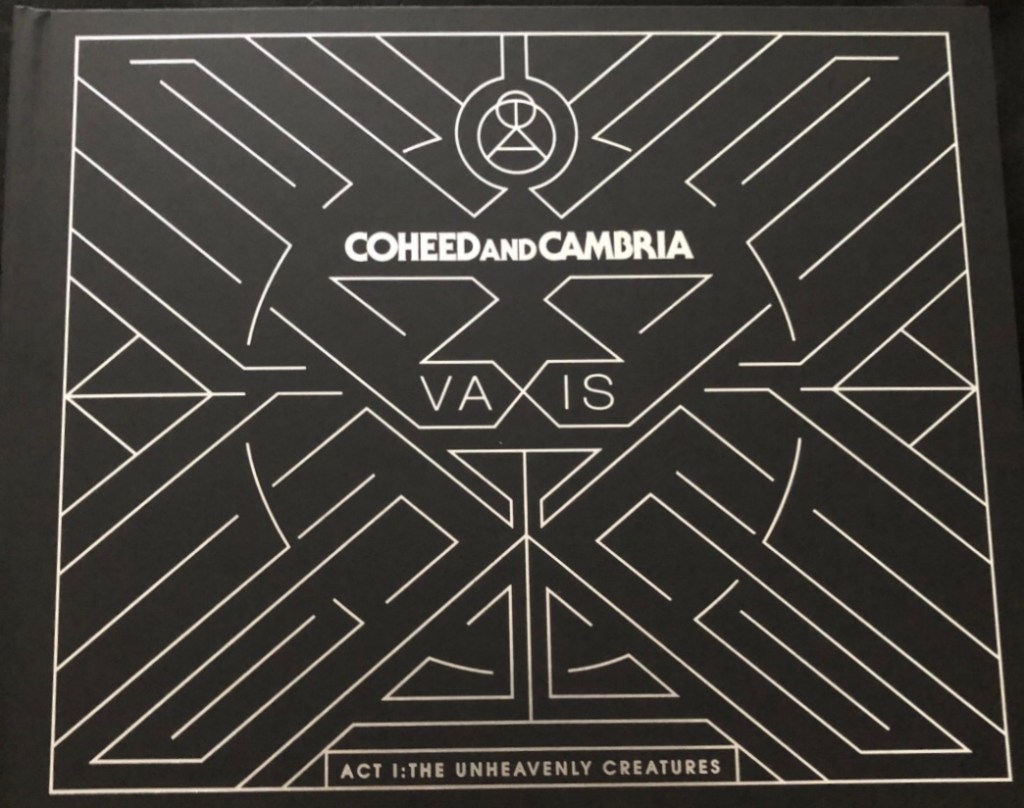
The Record Vault: Coheed And Cambria – Vaxis – Act I: The Unheavenly Creatures

Coheed and Cambria were back in the Amory Wars universe when they announced the 5 part Vaxis series.

This is Act 1.

Otherwise known as “Vaxis – Act I: The Unheavenly Creatures”, the ninth album, released on October 5, 2018.

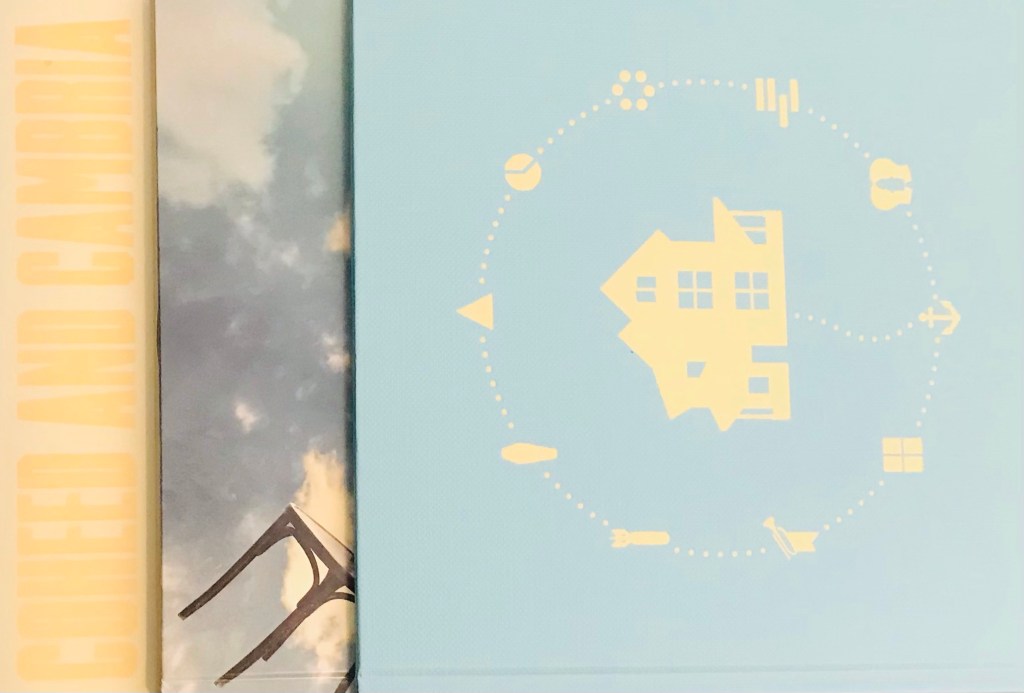
As soon as it was announced, I was interested and Pre-Ordered the limited edition deluxe box set which includes an 80+ page hardcover, full color book with custom illustrations and complete ACT I story.

The Book also houses the CD of “The Unheavenly Creatures” as well as the exclusive BONUS CD, “The Crown Heights Demos”.

The box set also includes a replica Creature mask, a fold out poster of the cover art, the usual VIP/Black Card which allows card holders early access to tickets and early entry to Coheed and Cambria headline shows.

And the pre order also came with access to a digital site to download the album and the demos on release day.

So, the story.

Set sometime after the events of “No World for Tomorrow”, (their 2007 album, as the three subsequent albums were all prequels), the planets that formally made up Heaven’s Fence are scarred and cracked after an event known as “The Great Crash.”

A group of elites known as the Five Houses of the Star Supremacy have converted these worlds into prison planets, with one planet being called The Dark Sentencer.

The album tells the tale of two new characters, Sister Spider and Creature as they struggle with being imprisoned on The Dark Sentencer and fight to secure the safety of their unborn son, Vaxis.

At 78 minutes, it’s a monster of an album.

The album opens as usual, with a short music and spoken intro called “Prologue”. The voice over talks about “the five houses”, “the planet prisons”, and “a love story”. And the voice ends the narrative with, “It begins with them, but ends with me, their son, Vaxis.”

Then the “Domino The Destitute” inspired riff kicks off “The Dark Sentencer”. You get the big chants like a prison riot is taking place, the big rock riffs and the progressive feel of the arrangement. Like all Coheed albums, song number 2 is the epic.

The title track “Unheavenly Creatures” has a riff that sounds like it was written on the TonePad app. When the guitars come crashing in, it’s major key pop rock.

I like how Coheed always makes riffs in a major key sound heavy, like in “Toys”. If anything it could have come from the fingertips of Mark Tremonti.

The spirit of “Mother Superior” is evident on “Black Sunday”.

“Queen Of The Dark” starts off with a sad piano riff and then a digital delay strummed riff comes in before the window shattering drum groove sets the mood and tone.

“True Ugly” feels like a power pop punk song, full of melody and aggression.

“Love Protocol” has an arena rock Chorus that needs to be heard.

“The Pavilion (A Long Way Back)” has a simple palm muted arpeggio guitar riff and a drum groove that demands attention. It’s one of the best songs on the album and it was the first song written for the album.

“Night-Time Walkers” feels like a “Halloween” or “Escape From New York” soundtrack in the intro. Or a scene from “Stranger Things”. Then the crunching guitars kick in and the drumming becomes more dominant before it moves into a massive Chorus.

“The Gutter” could have come from “A Night at the Opera”. And how good are the violins in this song.

“All On Fire” feels like “No World For Tomorrow”.

“It Walks Amongst Us” has this Middle Eastern exotic soundscape to start off, before it moves into a metal like riff that is played with an 80s keyboard synth sound.

“Old Flames”, is the second last track, and it’s a massive song. You can see it in the same way that the second last episode of each season of “Game Of Thrones” was the biggie.

This feels like classic rock as a piano starts it, before the Cheap Trick like riff kicks in and a massive Arena rock Chorus.

The whole “Naa / Na na na na na-ah” feels like a Cheap Trick song. Even My Chemical Romance have sections like this. As the guitars and drums end, the piano riff starts and it’s the “Prologue” riff.

“Lucky Stars” is an acoustic number that closes the record. It’s like the aftermath. Make sure you stick around for the Clapton like lead break.

And the guys toured hard on this album and now we wait for “Act 2”, in between Claudio’s side project The Prize Fighter Inferno, named after a character in the Amory Wars story.

Standard
A to Z of Making It, Classic Songs to Be Discovered, Derivative Works, Influenced, Music, My Stories

1996 – Part 1.1: Def Leppard – Slang

There was no way Def Leppard could continue in the same vein of “Pyromania”, “Hysteria” and “Adrenalize” without a reset. It became a heavy burden to carry on the style of those albums. They had to change or die.

I was surprised when the opening musical notes of “Truth” started off, and the distorted “why don’t you tell me” vocal line. It was more in the vein of Brit Alternative Rock/Pop than Blues Heavy Rock.

Check out the exotic sounding lead break. And the demo version of the song sounds more natural and it’s my go to version as the mix is in the heavy rock category that I like.

I like the exotic middle eastern sounds on “Turn To Dust” before a groovy Rick Savage bass riff kicks in and the Chorus is classic Def Lep, with the layered vocals.

“Slang” always felt like an INXS song to me as it’s got that fun pop vibe.

How good is the repeating lick intro to “All I Want Is Everything”?

Then when the drums and bass come in, it’s got a perfect groove and Joe Elliot’s haunting vocal melody takes it to another level.

This track could have come from a Tom Petty album.

“Work It Out” is Vivian Campbell’s first songwriting contribution and it’s a high point on the album. The song reminds me of the sounds of British bands like Gun who had a brief moment in the spotlight between 1989 and 1995.

The chugging guitar sound was made by running Campbell’s guitar through a drum machine gate.

In the June, 1996, Guitar issue, Campbell said that when he was in Dio, he wrote some of the music, but writing a song for Dio was basically writing a guitar riff and 32 bars of a guitar solo. That was his world, as Dio would then arrange the pieces as he saw fit.

Campbell mentioned that Def Leppard is not about that. It’s about getting the song right for the record. Campbell further said that;

“In the 80’s there was more than just doing what was appropriate for the song. There was the plus, you know, that I had to do a solo for a record but also had to advance my career as a guitarist in the eyes of all guitarists.”

Make sure you stick around for the interlude section. It starts off funky, there’s a repeating palm muted guitar lick with ambient noise and then a bone crunching riff.

That’s right people, no guitar solo, but still plenty of guitar melodic licks and riffs played throughout.

That small fingerpicked intro for “Breathe A Sigh” is excellent. This is Def Leppard going more rhythm and blues with their unmistakable layered harmony vocals in the Chorus.

In a June 1996, Guitar issue, interviewer Rich Maloof mentioned how the hip hop groove is reminiscent of TLC’s “Diggin’ On You”.

How good is the arpeggio picked guitar riff and the vocal melody from the start in “Deliver Me”?

And that Chorus is heavy rock with the melodic layered vocals that I expect from Def Lep.

“Gift Of Flesh” has a slamming wah solo by Phil Collen done in one take.

“Blood Runs Cold” is another classic Def Lep track. The actual version and the “Rough Mix” version are both excellent.

How cool is the New Wave style of guitar on “Pearl Of Euphoria”?

And yes there had to be a song title with a word that ends in “ia”.

The June 1996 Guitar piece from Rich Maloof ends with these words;

As guitarists in a band that found success in a doomed era of rock, Collen and Campbell have adopted the Darwinian notion that survival is dependent on change. The new era is just as doomed, of course, but it speaks well for this pair that they knew to change and had the reserve of talent needed to grow.

As Collen concludes, “We’ve picked up a lot of experience on the way and we found a way to get it out of our system with an album we think is right. To us, that is the biggest thing. We weren’t even slightly worried, and we think anyone who likes us will like it. And hopefully we’ll get some new fans as well.”

Crank “Slang” and enjoy an excellent Def Leppard record.

Standard
A to Z of Making It, Copyright, Music

Re-Recordings

Last week, there was a lot of discussion on Taylor Swift and her re-recordings. This week, crickets. Nothing. It’s amazing how fast news rises and dies. And I’m surprised at how many different views people have on it.

In the end it’s all about control.

In metal and rock circles, these kind of re-recordings have been happening from when I could remember.

Def Leppard created forgeries of a few of their songs in the last 10 years so they could be on streaming services as they were having a contractual dispute with the label over the payments they should be getting from digital services.

Any artist that ends up on Frontiers Records, ends up doing forgeries of their classic songs. Check out this Frontiers list of a whose who ofre-recorded classics.

Jeff Lynne re-recorded a lot of ELO songs and released them as a solo album with the title, “Mr. Blue Sky: The Very Best of Electric Light Orchestra.”

Stryper re-recorded their best off and called it “Second Coming” album.

Whitesnake had their biggest hit by re-recording an earlier song in 1987 which was on Geffen Records and as a Frontiers artist David Coverdale re-recorded his Deep Purple era and released it as a Whitesnake album.

Journey re-recorded the majority of their classics with Arnel Pineda and released these re-recorded songs with an album of new material as a bonus disc.

Pretty Maids did the same with “Louder Than Ever” in which they left the “sacred” albums of “Future World” and “Jump The Gun” alone but took songs from the others.

Trixter did it with a few songs on each of their Frontiers albums.

Kid Rock said in 2012 that he will re-recording his 12x Platinum smash, “Devil without a Cause” so that he will own the rights to the new versions.

Styx re-recorded some of their classics plus a couple of Damn Yankees songs with the “Regeneration: Volume I and II” releases.

Dokken (the version with Don Dokken on vocals, Jon Levin on guitars, Barry Sparks on bass and Mick Brown on drums) re-recorded the classics from the 80’s and released those versions as a “Greatest Hits” package in 2010. Maybe the title of the album should have been “Greatest Re-Recorded Hits”

KISS also re-recorded their classic songs with current members Eric Singer and Tommy Thayer and released em as a bonus disc with “Sonic Boom”.

Arch Enemy went down this route to re-record classic songs from their first three albums with their new singer. Fans who liked the original albums didn’t like the forgeries while people who discovered the band during the Angela Gossow period, didn’t care.

Any person who purchased a “Guitar Hero” or “Rock Band” game, most likely supported an artist who had re-recorded their song because the master went missing, or something was wrong with the master or because they wanted to have control of the higher license payment for the songs that appeared on the games.

And let’s not forget what the Osbourne camp did with “Blizzard Of Ozz” and “Diary Of A Madman” by taking out Kerslake and Daisley from the recordings and getting their parts re-done by the current members at the time in Mike Bordin and Rob Trujilo. Bordin expressed regret at doing it many years later.

Standard
A to Z of Making It, Classic Songs to Be Discovered, Influenced, Music, Unsung Heroes

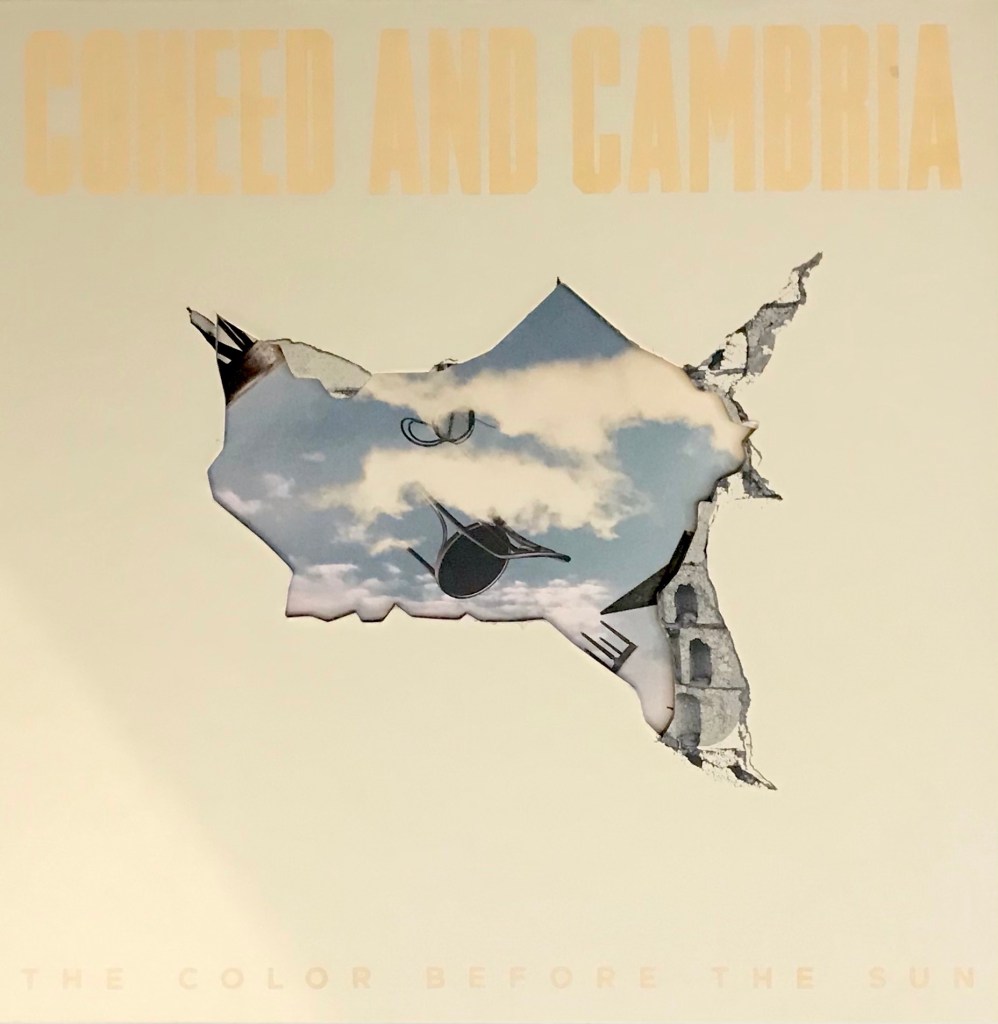
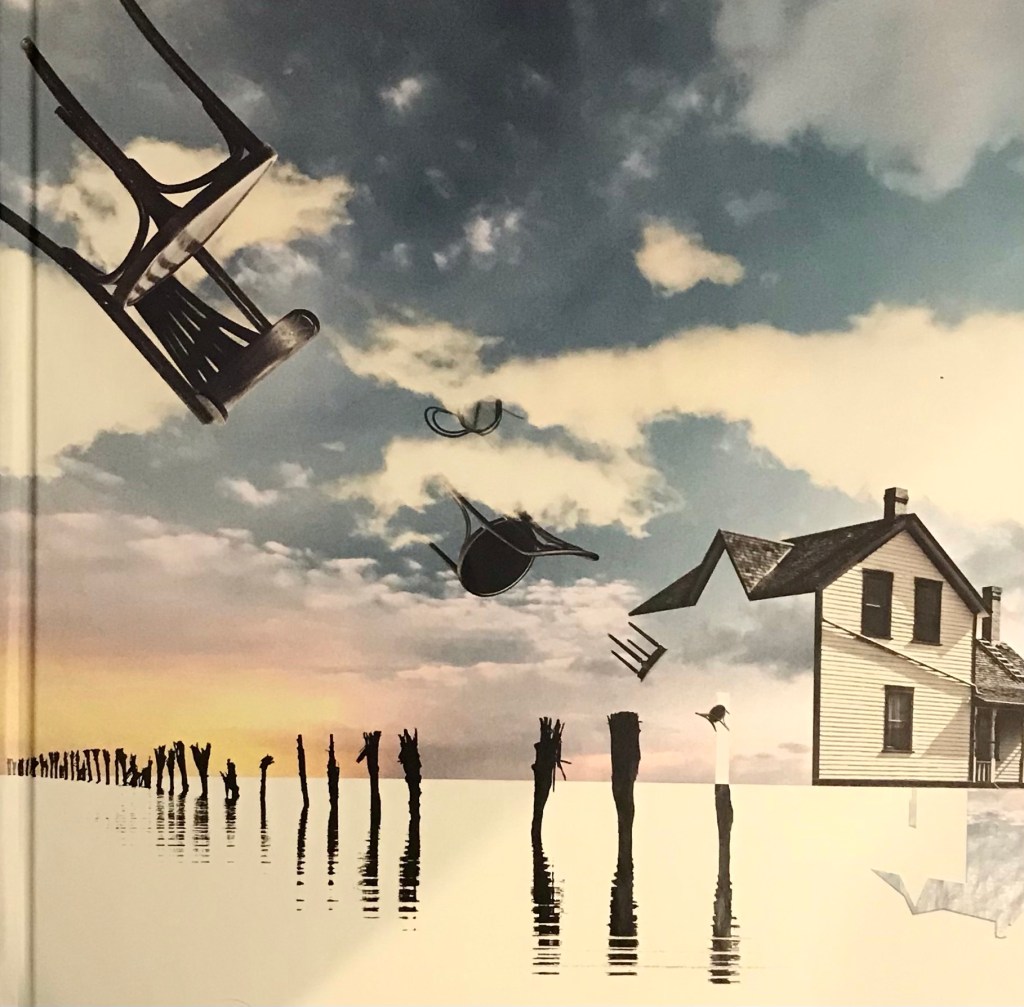
The Record Vault: Coheed And Cambria – The Color Before The Sun

The album came out in 2015 and it’s the only non-conceptual album the band has released and easily there most accessible. Then again, with each release their old emo hard-core and metal roots got less and less as some prog rock influences came in and then classic rock.

I got the limited edition, deluxe box set which includes two CDs, the album and a disc of demo tracks, plus two hardcover books, one featuring album lyrics and artwork and another featuring a “behind-the-scenes look” of the album’s creative process, plus an in-studio DVD, and a clear 7-inch record of unreleased demo tracks.

I also got a custom house key, a lapel pin, a certificate of authenticity; as well as exclusive, members-only access to new music, videos, concert tickets, merchandise and commentary from the band to a special website that requires a log in and all that.

“Island”

The acoustic single note riff to kick off “Island” is addictive. It reminds me of Rush and “The Spirit Of Radio”(not because the riffs sound the same, but because of its feel) and then a riff which reminds me of “Jessie’s Girl” kicks in with the same single note riff in distorted played over it. It’s upbeat and poppy, but lyrically the song deals with doubt and about “getting off the island”, in which this case the island is a metaphor for the comfort zone of our lives or the war we have within our head about starting something new or staying with the old.

I live inside this head, and I’m at war
Hero and villain, Same type, keeping score

“Eraser”

It has a groovy bass played in the verses and drums which dominate.

Oh Middle age, bring me a crisis
What am I worth, does the truth hurt?

Yes what are we worth and what are our lives worth. There’s nothing like age to get you reassessing and re-evaluating. In this case, Claudio wants the clocks to be turned back to the way things were.

I’ve been nostalgic recently, maybe because I am watching “Sopranos”, but when I think to turning the clocks back to the past, it might sound exciting, but I don’t want to live in a world with a few channels, no internet or slow dial up internet and listening to music based on purchases instead of leasing.

“Colors”

I lost myself along the way
Restless nights mixed with purposeless days
Counting forward, taking steps
To a better man, the one you can live with

The song deals with changes like selling a house, moving to a new house and spending time away from family. And until you get settled again, it takes weeks maybe months before you make sense of it all.

“Here To Mars”

It’s in the stars
And you’re my everything from here to Mars

A very upbeat love song from Claudio to his wife Chondra, like “Blood Red Summer” upbeat.

Make sure you check out the interlude section from 2.18 to 3.02 as it builds up into the Chorus again as Claudio sings, “I will never let you go”.

“Ghost”

The acoustic guitar riff keeps repeating like a metronomic grandfather clock. The song is simple, as Claudio’s vocal harmonies carry the song.

“Atlas”

That you’re the weight of his anchor,
The love that is guiding him home,

Written for Claudio and Chondra’s son, Atlas.

“Young Love”

The song is an apology to The Big Beige, Claudio’s old house in New York. And for those fans who always wondered why the demo releases are called the “Big Beige” versions, well it’s because he did them at home.

I like the repeating guitar lick.

“We leave for the coast/In the wrong hands/You where bruised, disposed”

I like the ending, as at it transitions into “You Got Spirit, Kid”.

“You Got Spirit, Kid”

It’s the first single released for “The Color Before The Sun”.

The plastic king of castle polyethylene
Go on, time to be a good little pig

Cause when the rug gets pulled out from underneath
Just embrace the fall
Oh you got spirit, kid
You’re number one
Go on living that farce
Cause nobody gives a f… who you are

Manufactured pop stars don’t have a long shelf life which is a shame, because there is talent there, but it’s never given a chance to be its own beast as others control it. And when it all goes bad, the people who control just move on to the next wannabe. In other words, you will come to a point in life when you realise that the problems you see as big aren’t that important in the grand scheme of things.

There is a nice little Pink Floyd jam at the end which makes an amazing segue into “The Audience”.

“The Audience”

This song became a favourite instantly with its Tool like groove. Just listen to the music in the verses. The guitars play an intricate riff, the bass syncs up with the bass drum while the drums free style and still keep a beat.

This is my audience
Forever one together
Burning Stars
Cut from the same disease
Ever longing, what and who we are

The fans of Coheed and Cambria have expectations as to how the band should sound, the industries who make money from Coheed and Cambria have expectations as to how the band should sound and the band members themselves as they grow older have evolving wants as to how they should sound. Sometimes they don’t align and sometimes they do.

“Peace To The Mountain”

It’s a simple acoustic, drum and vocal song.

I learned to keep quiet,
How to keep my distance.
Afraid to let strangers in,
How to keep my secrets.

I see this as Claudio hiding behind the characters and the Sci-Fi world he created because he was scared to express his own feelings in his songs. But he’s now older and wiser and at peace with who he is.

So if you were scared to check out Coheed and Cambria before, because of the Armory Wars saga, check out this album.

Standard
A to Z of Making It, Classic Songs to Be Discovered, Music, My Stories, Unsung Heroes

The Week In Destroyer Of Harmony History – April 5 to April 11

4 Years Ago (2017)

I was writing about the labels and streaming services.

Spotify is a service, that provides music to users. It was created by techies because the record labels didn’t have the clout to do what was required for their artists and the vast copyrights they hold. But for Spotify to work, it needed access to the vast libraries of copyrights the record labels hold. And in the process the three major labels got a stake in Spotify.

And the labels still control the narrative. They have done such a great job with their fake news stories about streaming rates killing music, but at the same time their revenue goes up due to streaming payments.

8 Years Ago (2013)

It was a Bon Jovi week. I tracked how “What About Now” dropped from #7 to #34 in a week.

Sales had dropped from 101,000 to 29,000 to 16,000. And news happened about Richie Sambora dropping off the tour due to personal issues.

In comparison to sales with other acts, “Babel” from Mumford and Sons was still moving 37,000 units, and “Night Visions” from Imagine Dragons was moving 47,000 units. Both albums had been on the charts for 27 and 30 weeks respectively at the time.

Then I did another post which had “What About Now” dropping from #34 to #50 at week 4.

It only moved 2,383 units for the week but the tour was selling out. I wrote that the album is the worst Jovi album ever. It debuted at number 1, then went to number 7 and then it went to number 34 and then at 50.

I even got creative and asked the question what could have Bon Jovi done differently.

But reading back now, I went on a misguided rant which is embarrassing to read but still part of this blogs history.

Last Man Standing” from Bon Jovi is a classic song waiting to be rediscovered.

Everyone knows the hits. However, there are a lot of songs that deserve more attention than what they have received. 

“Last Man Standing” is written by Jon Bon Jovi and Billy Falcon. The studio version was meant to be on 2003’s “This Left Feels Right” greatest hits package, however, it ended up on the “100,000,000 Fans Can’t Be Wrong” box set released in 2004.  It was a laid back acoustic style ballad with slide guitar and all the country twang you can get into a song.  An acoustic live version of the song was added to the “This Left Feels Right” DVD.

It was then re-worked into a great rock song for the 2005 “Have A Nice Day” album.  The intro grabs you and makes you want to pay attention and the theme of the song is about kids turning up to a circus/freak show act to see the last real performer of live music.

I also wrote about “Undivided” which is another classic Jovi song waiting to be rediscovered.

“Undivided” was written by Bon Jovi, Sambora and Billy Falcon and it’s probably the heaviest song Bon Jovi has recorded. The producer was Luke Ebbin (who was introduced to JBJ by A&R legend John Kalodner) and the song was originally called “One”.

I wrote about how Black Sabbath was employing the same scorched earth marketing that Bon Jovi employed to promote their new album “13” and their first with Ozzy since 1978.

I got into Black Sabbath via Randy Rhoads and the “Tribute” album. The “Blizzard” and “Diary” albums became my bibles in relation to guitar playing. I needed to learn every riff, every lick, every bass line and every vocal melody line. It was an obsession.

On “Tribute”, I heard three songs that where not written by the usual Ozzy, Randy and Bob Daisley combination. I actually feel sorry for Bob Daisley. The Osbourne’s have tried hard to write Daisley out of the Ozzy history. 

It was “Children of The Grave” that got my attention. The way it’s done on “Tribute”, with faster tempo and the wonderful Randy Rhoads Guitar Hero solo.

I was listening to a lot of Periphery at the time as well. And I wrote a post about their song “Ragnarok”.

I saw Periphery live at the Annandale Hotel in Feb 2013, as a sideshow they did from the Soundwave tour. 

They were good. Very good. Technical and melodic. Technical and aggressive. Technical and progressive. Technical and rocking. Technical and serene. Technical and mechanical. 

Ragnarok. The end of the world in Norse mythology by submersion of the world in water. Afterward, the world will resurface anew and be repopulated by two human survivors. Does this sound familiar to all? 

This song explodes from the 2.20 minute mark to about 4.30. Check it out.

Andy Johns also passed away. He was a pretty big deal in my life as he was involved in quite a few influential albums for me.

Cinderella and the “Night Songs” and “Long Cold Winter” albums. Then came “For Unlawful Carnal Knowledge” by Van Halen. Ted Templeman was on board to record Sammy Hagar, as Andy Johns was too demanding for Sammy.

Majority of music lovers will remember the artists and the songs attached they wrote and the producers become forgotten.

I discovered a Swiss band called Polution that played a brand a rock I like, so I wrote about em.

I checked em out on Spotify to see if anything else has come out since and nothing has. So I guess another one bites the dust.

Standard
A to Z of Making It, Classic Songs to Be Discovered, Influenced, Music, My Stories, Unsung Heroes

The Record Vault: Coheed And Cambria – The Afterman: Descension

“The Afterman: Descension” is the seventh studio album by progressive rock band Coheed and Cambria and the second part of a double album, the first part of which is “The Afterman: Ascension”.

You can read my review on it here.

The deluxe version of the album was released with a coffee-table book co-written by band member Claudio Sanchez and writer Peter David, giving a song-by-song experience of the concept album. The album follows the Amory Wars storyline, and concentrates on the character Sirius Amory.

In summary, “The Afterman’s” story takes place at the start of the saga. It follows Sirius Amory, an astromner and his All Mother spaceship as they explore a powerful energy source known as the “Keywork” which is powered by the souls of the departed, imprisoned in some form of purgartorial afterlife.

“Pretelethal”

“WHO WILL REPAIR THIS HEART?” is the repeating lyric, as this song is the set up for the next one.

In the book, Claudio explains that the musical ideas came from him jamming with a lot of new gadgets that he picked up on the road.

And he stuck with the lyric because it represents loss and pain.

From a story point of view, a weakened Sirius is being protected by the energy of Evagria The Faithful, from the other entities. But Vic The Butcher, Domino The Destitute and Holy Wood The Cracked are bombarding Evagria, trying to get to Sirius, so they could possess his body and leave this place.

“Key Entity Extraction V: Sentry The Defiant”

A sombre acoustic guitar starts off with a droning open string and a high melody.

Then the song explodes into the riff and the whole band is in.

If you remember from the “Ascension” review, there is a character called Vic The Butcher, who wanted Sentry to kill innocents on his behalf, but when Sentry refused, Vic The Butcher organised others to kill Sentry by hanging, making it look like a suicide to Sentry’s family.

And now both their souls are trapped in the purgatory stage of the Keywork.

The feel of the song reminds me of “No World For Tomorrow”.

Sentry is the last entity that Sirius will encounter.

Evagria explained to Sirius that he had been in the Keywork for 547 days even though to Sirius it was no more than a week. Just think of the movie “Interstellar”.

For Sirius, it was time to go home, only if he could find a way. As the All Mother told him, his chance of survival to return was 30%.

And I saw Sentry as a pseudonym for “Claudio The Defiant” as the music and lyrics came after Claudio had an argument with his manager because the Manager requested that Claudio try and write more accessible music, which Claudio already thought he was. This was his response.

“The Hard Sell”

“You’re selling out to be in!” is the main hook on this song.

In “The Afterman” book, Claudio mentions how this song comes from a personal viewpoint about his struggles with record labels and managers who want him to write more accessible lyrics.

No one starts writing songs for em to become a hit. There is a need inside a person to create.

Sirius has now returned to Heavens Fence and is being questioned about what he saw and what happened. But he doesn’t tell the whole truth, scared as to the consequences that could come if everyone knows that an “afterlife” exists.

And his wife Meri has moved on with her life. She is in a relationship with the Police Officer who saved her at the bar in “Goodnight, Fair Lady” when her drink was spiked.

“Number City”

This is a different Coheed and Cambria with a groovy, funky, fuzzed out bass riff, taking control of the song. It’s almost disco rock and I like it.

And in the story there is a car accident with Sirius and Meri in which Meri is unconscious and taken to ICU.

“Gravity’s Union”

It’s the longest song on the album and it’s the moods that hook me.

And from the 5 minute mark to the end, it’s desk breaking stuff, with all the layered guitars, the emotive drumming, locked in bass and those infectious vocal melodies from Claudio.

It goes back to before the accident. Sirius and Meri are arguing in the car when it crashes.

And the song ends with a heart monitor beeping.

“Away We Go”

It reminds me of “Feathers” from “No World For Tomorrow”. It has a synth lick to kick it off which is memorable.

This song deals with Meri and her transition into the afterlife.

“Iron Fist”

This is Sirius dealing with the loss of Meri and how he ruins a lot of things.

And you don’t think that a song called “Iron Fist” would be an acoustic ballad, feeling like it’s recorded in the heartland of the country.

The lead from Travis Steer. Its bluesy and full of soul.

“Dark Side Of Me”

As soon as the drums start and the finger picked guitar intro kicks in, I am hooked.

There are bits and pieces from “Here We Are Juggernaut” in the Chorus and the build-up of “Mother Superior”.

It deals with Sirius facing Meri new partner who was also going to be a father. But Sirius ruined it all.

“2’s My Favourite 1”

This one also reminds me of “Feathers” from “No World For Tomorrow”.

Sirius makes the decision to go back to the Keywork and find Meri, to help her transition into the afterlife.

Both albums are different and worthy to be heard.

Check em out.

Standard
A to Z of Making It, Classic Songs to Be Discovered, Influenced, Music, My Stories, Unsung Heroes

The Record Vault: Coheed And Cambria – The Afterman: Ascension

It’s a double album, released in two stages. The first part is “The Afterman” Ascension” and the second part is “The Afterman: Descension”.

It is the first Coheed and Cambria album since 2005 “Good Apollo, I’m Burning Star IV, Volume One: From Fear Through the Eyes of Madness” to feature Josh Eppard on drums, and the first to feature Zach Cooper on bass.

I purchased the deluxe version of the album.

The original advertisement

In summary, “The Afterman’s” story takes place at the start of the saga. It follows Sirius Amory, an astromner and his All Mother spaceship as they explore a powerful energy source known as the “Keywork” which is powered by the souls of the departed, imprisoned in some form of purgartorial afterlife.

The Fan VIP allowed me to enter the venue early to watch an acoustic performance before the show as long as I had purchased a concert ticket.

There is an AUTHORS NOTE in the book which states that “the world within the Keywork is the first stop of the two levels of the afterlife.

The first, where Sirius is at the moment, is actually more of a purgatory, though the souls are unaware that this is not necessarily their final resting place. Once the souls stop looking out only for themselves, shirking the “me, me, me” attitude that leads to regret, unfinished business and unrest, they can move to the collective consciousness, to the perfect Utopian afterlife.”

And as Sirius explores this energy source he starts to encounter the souls of these people and their stories are told in the “Key Entity Extraction” songs I to IV.

The Hollow

A piano riff kicks it off. You can hear the keys hit the strings.

It gives you a visual of how the souls come at Sirius.

Claudio Sanchez transposed the “The Ring In Return” melody into this. The piece is meant to express the anxiety Sirius is feeling before he heads out into the Keywork.

There is a narrative between Sirius and Mother who is the onboard AI of his spaceship, who promises to be with him all the way as he enters this mysterious energy sournce.

Key Entity Extraction I: Domino The Destitute

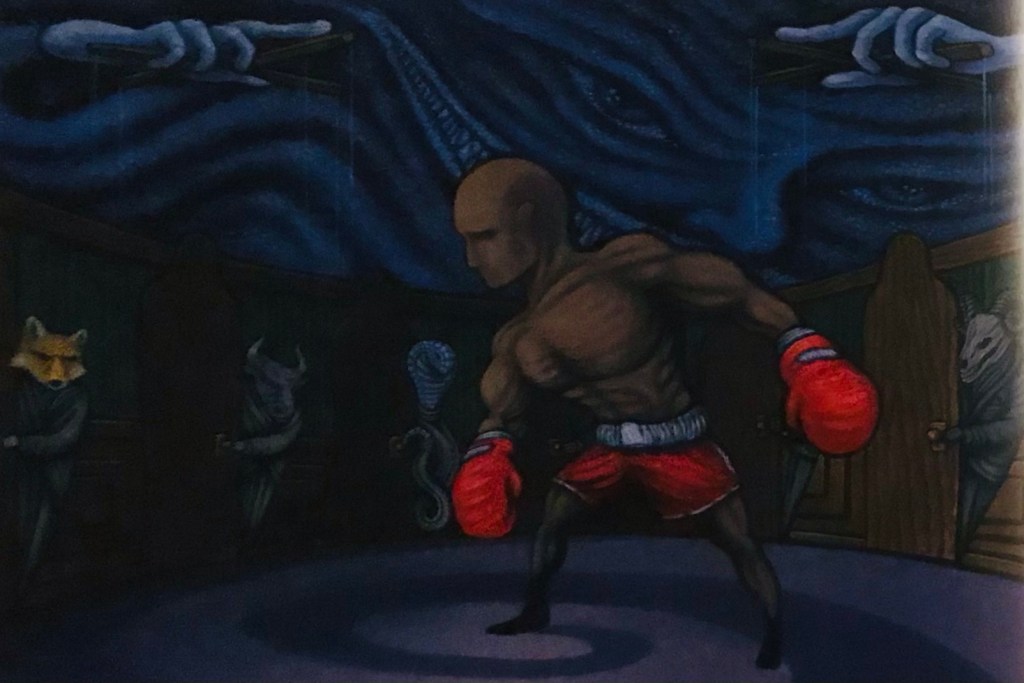
You can see how Domino is controlled by a puppet master.

The intro which reminds me Dream Theater’s “Learning To Live” outro and “Wasted Years” from Iron Maiden was enough to get me to lose my shit.

Domino is one of the first lost souls Sirius encounters.

It’s a personal song about the troubles that former bassist Michael Todd was involved in, after falling in with a bad crowd and the addictions he had.

But its told in the story of a boxer named Domino, who had it all to be a champion, but fell in with the wrong crowd, throwing fights and using drugs. One day he convinced his brother Chess to help him and his gangster friends with an armoured car robbery, which went horribly wrong and Chess got shot. Domino unable to go on, took a gun to his mouth and ended it.

The Afterman

In the book you get a drawing with the lyrics on the next page, plus a blurb from Claudio who talks about the origins of the song and the personal inspiration.

The digital delay riff is excellent. A beautiful and tragic song.

It takes place on Valencine, the home planet of Sirius and how his wife Mary reacts to seeing a breaking news report which states: “Controversial researcher Sirius Amory feared dead after unexplained explosion, ending privately funded endeavour to self-professed “Keywork”

Mothers Of Men

The intro riff gets me interested to pick up the guitar and learn it.

Sirius discovers that the Keywork doesn’t discriminate against positive or negative energy. It’s all energy in the end and valuable at that.

Goodnight, Fair Lady

Can there be a pop rock song about a serious subject matter like date rape?

In “Goodnight Fair Lady”, Sirius’s wife is at a bar and her drink gets spiked. She is saved by an Officer called Graves Colten. The Officer will eventually become her love interest.

Key Entity Extraction II: Holly Wood The Cracked

The second entity is a wannabe starlet, fixated on celebrity culture who would go to dangerous lengths to feel she was connected to celebrities.

All the songs on this album are from personal experiences, which have been made to fit the narrative as in this case, Claudio also had some fan stalkers during his time.

Key Entity Extraction III: Vic The Butcher

The albums most rocking song.

Vic was a tyrant Army General who did anything to get into power and did anything to stay in power. He is rage in the Keywork.

He asked a promising soldier called Sentry to kill innocents, but Sentry refused (you will get his story in the next Afterman review) and Vic ordered other soldiers to kill Sentry.

Eventually but at an older age, Vic was charged with war crimes and was due to stand trial for them, but he ended up burning the building he lived in, with both he and his wife inside and hundreds of others.

Key Entity Extraction IV: Evagria the Faithful

“Evagria The Faithful” is the opposite of “Vic The Butcher”.

The Yin to the Yang.

She rescues Sirius from Vic’s tight grip. She has shed her human consciousness and transcended into the Utopia. She operates on a part of the Keywork which is in perfect harmony and oneness. She keeps the other entities away from Sirius but she can only hold them off for so long.

Subtraction

This was supposed to be a Prize Fighter Inferno song (a Claudio Sanchez side project which also continues the story from a character in the earlier albums).

The song deals with the thoughts of Sirius and how with his relentless need to explore the uncharted territory, he is also driving his relationship with Mary to breaking point.

And the first part of the album ends with “The Afterman: Descension” next.

Standard