Classic Songs to Be Discovered, Derivative Works, Influenced, Music, My Stories, Unsung Heroes

1976 – Part 4.7: Lynyrd Skynyrd – One More For The Road

It was my first purchase.

Steve Gaines joined, making it a three guitar team again, with Allen Collins and Gary Rossington. Ronnie Van Zant is on Vocals, Leon Wilkeson on Bass, Artimus Pyle on Drums and Billy Powell on Keyboards. Sam McPherson is on harmonica. JoJo Billingsley, Cassie Gaines and Leslie Hawkins are the backing vocalists.

“One More from The Road” is a live album compiled from a few shows.

It’s also the only live album from the classic era of 1970 to 1977. And an essential album to own.

Workin’ for MCA

Written by Ed King and Ronnie Van Zant which more or less sum up the crap record deal they had with the label.

Slickers steal my money since I was seventeen
If it ain’t no pencil pusher, then there’s got to be a honky tonk queen
Well I signed my contract, baby, now I want you people to know
Every penny that I make, I wanna see where my money goes

The creative accounting from the labels. What they give you, they get back tenfold. Bon Scott comes to mind when he sang, “getting ripped off”.

I want you to sign the contract
Want you to sign the date
Gonna give you lots of money
Workin’ for MCA

I Ain’t the One

Written by Gary Rossington and Ronnie Van Zant about a love affair between a whiskey swilling brawler and Daddy’s rich girl.

Saturday Night Special

Written by Ed King and Ronnie Van Zant.

How can you not like the intro and verse riffs?

Press play and enjoy.

Searching

My favourite song from the “Gimme Back My Bullets” album and written by Allen Collins and Ronnie Van Zant. The tempo is slightly increased and this version is my definitive version.

Travelin’ Man

Written by Ronnie Van Zant and Leon Wilkeson.

The intro bass riff from Leon Wilkeson gets me interested straight away.

Simple Man

A classic written by Gary Rossington and Ronnie Van Zant. Also check out Shinedown’s cover in the 2000’s. Brent Smith delivers a stellar vocal.

Press play on this to hear the harmony lead breaks.

Whiskey Rock-a-Roller

Great song title, written by Ed King, Billy Powell and Ronnie Van Zant.

It was a rite of passage to consume whiskey and listening to rock and roll. The song is about hitting the road to the rock and roll show.

The Needle and the Spoon

Written by Allen Collins and Ronnie Van Zant.

I like the intro on this. And the verse riff that comes in is a cross between “Searching” and “Sweet Home Alabama”.

Gimme Back My Bullets

Written by Gary Rossington and Ronnie Van Zant.

How good is that intro riff?

Its heavy and full of groove.

Tuesday’s Gone

Written by Allen Collins and Ronnie Van Zant and man didn’t Zakk Wylde take a lot of licks from this. As soon as I heard it, I thought of “Road To Nowhere” and a few songs from the Pride and Glory album.

A classic. The leads alone hook me in.

Gimme Three Steps

Written by Allen Collins and Ronnie Van Zant, it’s a 12 bar blues with a bit of country rock thrown in.

Call Me the Breeze

Written by J.J. Cale. Everyone was covering Cale around this period. Simple 12 bar blues rock and roll and they blew another amp in the process.

T for Texas

Written by Jimmie Rodgers and the “new fella” Stevie Gaines was introduced. And it’s more soloing over 12 bar blues chord progressions.

Sweet Home Alabama

The hit, written by Ed King, Gary Rossington and Ronnie Van Zant. Inspired by Neil Young’s song “Southern Man” which was seen as a diss to the south. This didn’t impress Ronnie Van Zant and he meant every word when he sang, “well I hope Mr Young can remember, a Southern Man don’t need him around”.

And during the performance, Van Zant, interjects over the solo, “there are plenty of good people in the South, so make sure you tell Mr Young about it”.

Crossroads

A Robert Johnson cover that Eric Clapton has made his own, but Lynyrd Skynyrd also deliver a pretty mean version full of energy and power.

Free Bird

The big closer written by Allen Collins and Ronnie Van Zant. At almost 12 minutes long, it’s not for the faint hearted. The guitar interplay in the massive outro solo section is worth the price of admission.

For a first purchase I became an instant fan of the band.

And they reformed during this late 80s early 90s period so when I was getting into their old stuff, I had new content to listen to as well.

Standard
A to Z of Making It, Classic Songs to Be Discovered, Derivative Works, Influenced, Music, My Stories, Unsung Heroes

1976 – Part 4.6: Lynyrd Skynyrd – Gimme Back My Bullets

If it wasn’t for Zakk Wylde, I wouldn’t have gone and purchased any Lynyrd Skynyrd. His love for Southern Rock, was on show for the “No More Tears” album. Check out his leads in “I Don’t Wanna Change The World”, “Road To Nowhere” and “Mama I’m Coming Home”.

In the interviews Zakk conducted with the Guitar Mag’s, he spoke about a technique called chicken’ picking that he picked up from learning Southern Rock songs and he demonstrated great knowledge on Southern Rock and the 70’s bands associated with the movement.

Then he dropped the debut “Pride and Glory” album a few years later, which is basically an amalgamation of Black Sabbath and Southern Rock. And it made me a fan, so I went searching for Southern Rock bands.

Enter “Lynyrd Skynyrd”. The story of the band should be a Netflix TV series. Working for MCA, the worst label in the business, the band was never going to make a profit regardless of how successful they became and how many records they sold.

The band for this album is Ronnie Van Zant (RIP) on Vocals, Gary Rossington and Allen Collins (RIP) on Guitars, Leon Wilkeson (RIP) on Bass, Artimus Pyle on Drums and Billy Powell (RIP) on Keyboards.

Guitarist Ed King, quit the band before this album, making them a two guitar band instead of three. King would pass away in 2018 due to various health issues.

There was a saying that the Wilkeson and Pyle (and before Pyle it was Bobby Burns) set a groove, which Collins, King and Rossington danced over. And Pyle has been ostracised from the organisation due to being a sex offender while original drummer Bobby Burns died in a single car crash after hitting a mailbox and tree on a sharp bend, Things don’t end well for these guys.

But the biggest tragedy was the plane crash on the “Street Survivors” tour.

Van Zant, new guitarist/vocalist Steve Gaines, backing vocalist Cassie Gaines, assistant road manager Dean Kilpatrick, pilot Walter McCreary, and co-pilot William Gray all died in the crash. The survivors had been seated toward the back of the plane and all of them were seriously injured with broken bones, crushed arms, sever facial disfigurements and severe burns.

And the plane was earlier inspected by Aerosmith’s tour crew for the band to use on their 1977 tour but it didn’t pass the Aero’s safety inspection.

But before the tragedy, the Skynyrds debauched their way through the U.S on the backs of whiskey, brawling and great music.

“Gimme Back My Bullets” is studio album Number 4, released on February 2, 1976. It reached number 20 on the U.S. albums chart and was certified gold on January 20, 1981 by the RIAA.

Gimme Back My Bullets

Written by Gary Rossington and Ronnie Van Zant.

The staccato like count in reminds me of the “Back In Black” intro. After that, a funky blues rock riff kicks in, before the Southern Rock chord progression kicks in

Every Mothers Son

Written by Allen Collins and Ronnie Van Zant.

The acoustic riff grabs your attention straight away, an amalgamation of “Sweet Home Alabama” and blues rock songs like “Shooting Star”.

Trust

Written by Allen Collins, Gary Rossington and Ronnie Van Zant.

It reminds me of The Rolling Stones and I like it.

(I Got The) Same Old Blues

Written by J.J. Cale. Every artist was covering his songs.

The 12 bars groove is heavy, yet funky. The slide guitar is simple yet effective.

Double Trouble

Written by Allen Collins and Ronnie Van Zant.

It follows the trend set with “(I Got The) Same Old Blues”. And the name used by Steve Ray Vaughan, could have come from this song. The blues on offer here is similar to what SRV would play, just more amped up and more technical.

Roll Gypsy Roll

Written by Allen Collins, Gary Rossington and Ronnie Van Zant.

The acoustic riff to start it is campfire like, and riding on the greyhound to leave town was a rite of passage for the youth once upon a time. These days, the kids are over 30 and still at home.

Searching

Written by Allen Collins and Ronnie Van Zant.

My favourite song on the album. Musically and lyrically. Rossington and Collins steal the show here.

Cry For The Bad Man

Written by Allen Collins, Gary Rossington and Ronnie Van Zant.

It starts off like a Kinks song crossed with “Mississippi Queen”. And I like it.

All I Can Do Is Write About It

Written by Allen Collins and Ronnie Van Zant.
Zakk Wylde basically took this song and wrote “Road To Nowhere”.

Press play and enjoy it.

It’s listed as “not their best” album, but if you like southern rock, you shouldn’t skip it and I see it as an underrated album.

Standard
Classic Songs to Be Discovered, Influenced, Music, My Stories, Unsung Heroes

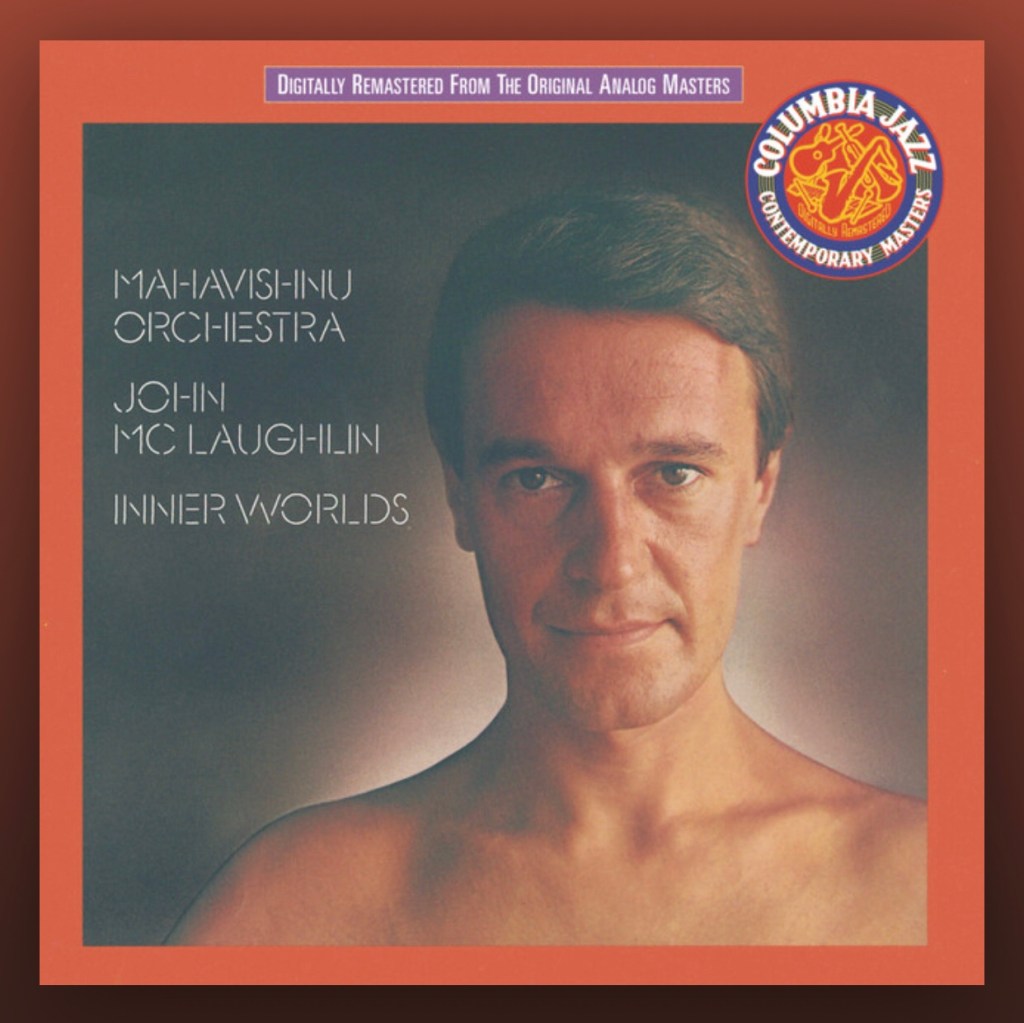
1976 – Part 4.5: The Mahavishnu Orchestra – Inner Worlds

The Mahavishnu Orchestra were a jazz fusion band formed in New York City in 1971, led by English guitarist John McLaughlin.

The group underwent several line-up changes throughout its history across two stints from 1971 to 1976 and 1984 to 1987.

The first line-up which consisted of musicians Billy Cobham, Jan Hammer, Jerry Goodman, and Rick Laird, the band received its initial acclaim for its complex, intense music consisting of a blend of Indian classical music, jazz and psychedelic rock, and its dynamic live performances between 1971 and 1973.

After the original group dissolved, it reformed in 1974 with a new cast of musicians behind McLaughlin:

“Inner Worlds” came out in 1976. It’s the group’s sixth album release and it would be the last album by them for nearly ten years, when leader and guitarist John McLaughlin re-formed the group in 1984.

All in the Family

The song is written by John McLaughlin who also plays guitar and guitar synth. Stu Goldberg is on all things keys related.

Ralphe Armstrong is on bass and the star of the song is Narada Michael Walden on Drums, congas, bass marimba and shaker.

And the reason why Walden is the star is because the song opens with a drum solo before it moves into a fast jazz like beat. Its chaotic as all the instruments come in and somehow it all makes sense. Progressive rock is the best way to describe it.

There is this section between 3.25 and 3.45 in which McLaughlin and Goldberg play this fast unison lead line and I like it.

Miles Out

It’s written by John McLaughlin who plays all things guitar and a special instrument called the “360” systems frequency shifter. It’s actually not an instrument, but an effect. These days, it would be in a stomp box, but back then it was a pretty large unit.

You hear it in action in the Intro and throughout the song. Stu Goldberg is on the Mini-Moog and Steiner-Parker synthesizers, Ralphe Armstrong is on bass and Narada Michael Walden on drums.

I like the bass intro from Goldberg, it’s creepy like, and funky. McLaughlin plays a staccato like guitar riff, which is more funk and reggae like. When he activates the frequency shifter, it sounds chaotic but the drumming of Walden is super-fast, technical and on point. Somehow it makes sense.

In My Life

Written by John McLaughlin and Narada Michael Walden.

John McLaughlin is on 12-string acoustic guitar, Stu Goldberg is on backing vocals, Ralphe Armstrong is on bass and Narada Michael Walden is on the piano and drums, along with the lead vocals.

It’s a poor song and the lyrics are very childish, like seriously, they sing “thank you for the fish in the sea”. A skip for me.

Gita

Written by John McLaughlin and it’s another song with vocals that doesn’t connect with me.

Morning Calls

A short one minute piece, written by John McLaughlin who plays guitar synthesizer and Narada Michael Walden who plays organ.

It sounds Oriental and Celtic like but it’s another skip for me.

The Way of the Pilgrim

Written by Narada Michael Walden and it’s got some intricate instrument sections, but this far in, these kind of passages are starting to sound same same.

River of My Heart

Written by Kanchan Cynthia Anderson and Narada Michael Walden.

There is no guitar on this, with Ralphe Armstrong on double bass and Narada Michael Walden on Piano, Lead Vocals and Percussion.

But it’s a skip for me.

Planetary Citizen

Written by Ralphe Armstrong, this song could have been on a Stevie Wonder album. It’s got that blues, jazz funk fusion happening.

And are you ready to be a planetary citizen?

Lotus Feet

Written by John McLaughlin. I like this instrumental.

There is a guitar that plays arpeggios and a MiniMoog playing a lead break with percussion as the foundation.I

It sort of reminds me of “Albatross” from Fleetwood Mac, the Peter Green version of the band.

Inner Worlds

The title track. Part 1 is written by John McLaughlin and Part 2 by Stu Goldberg. But it’s a bit of mess and that Frequency shifter gadget is just noise to me, however it would have been cool to have that whooshing effect back in the day.

In the end, there are better Mahavishnu Orchestra albums, which we will get to as I work my way back through history.

Standard
Classic Songs to Be Discovered, Derivative Works, Influenced, Music, My Stories, Unsung Heroes

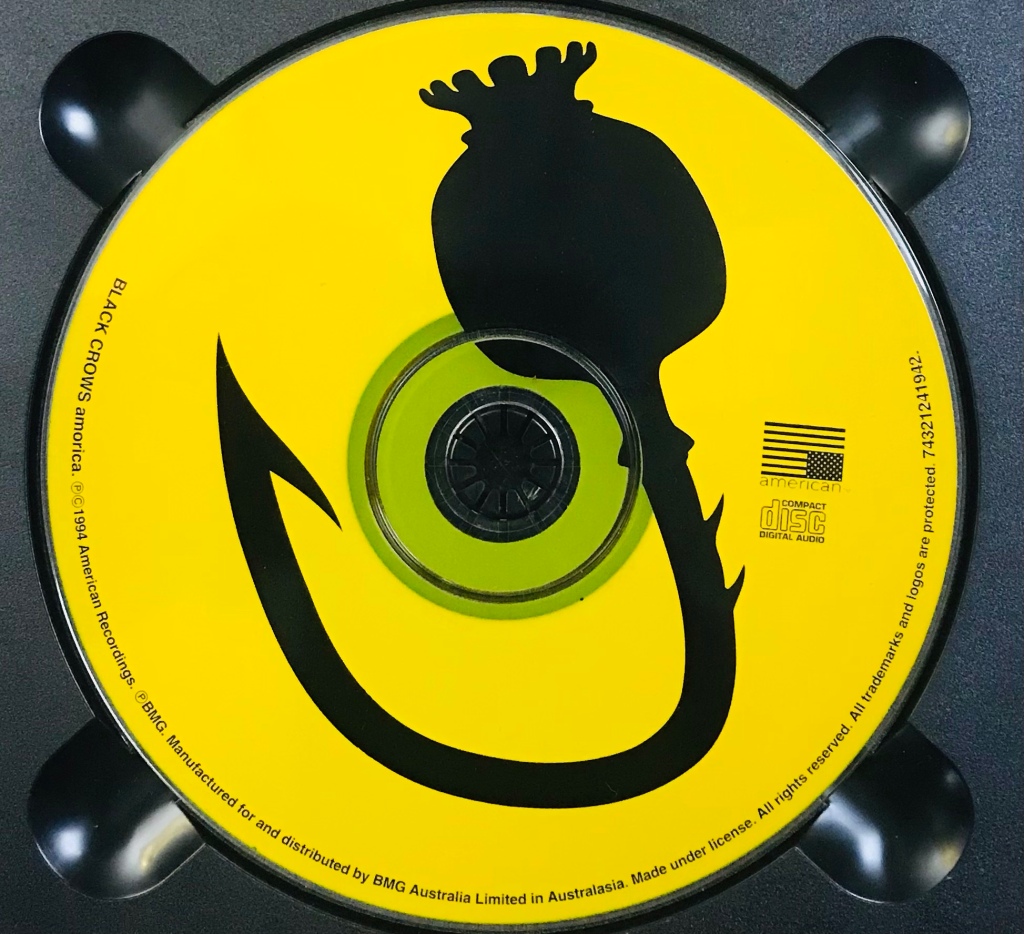
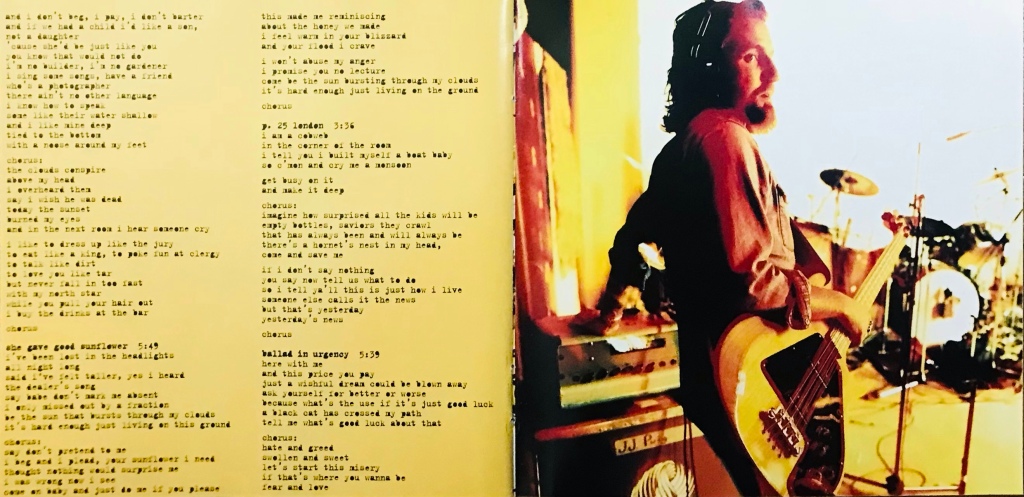
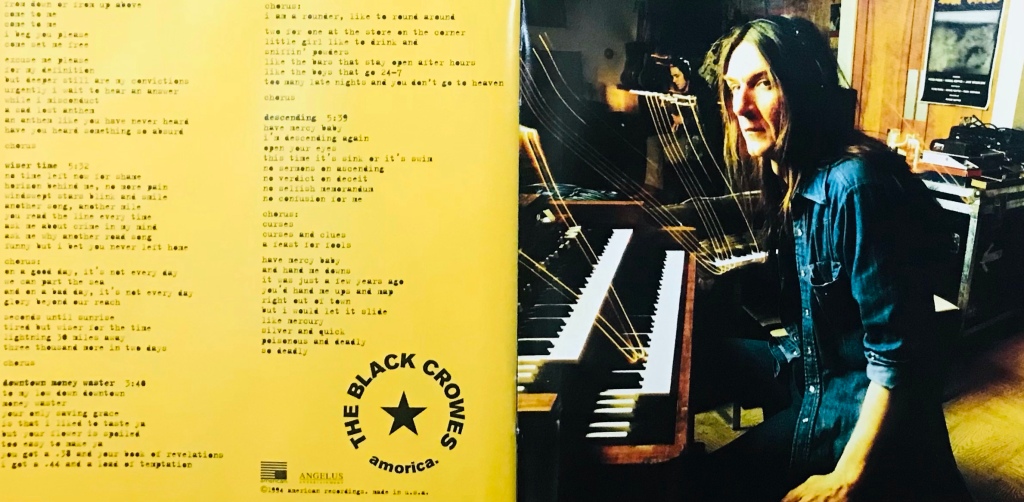
The Record Vault: The Black Crowes – Amorica

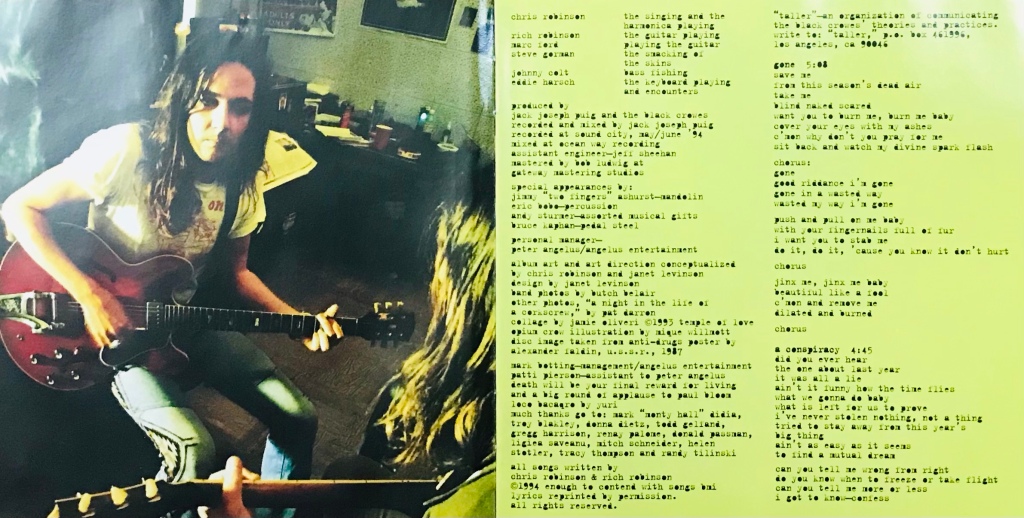
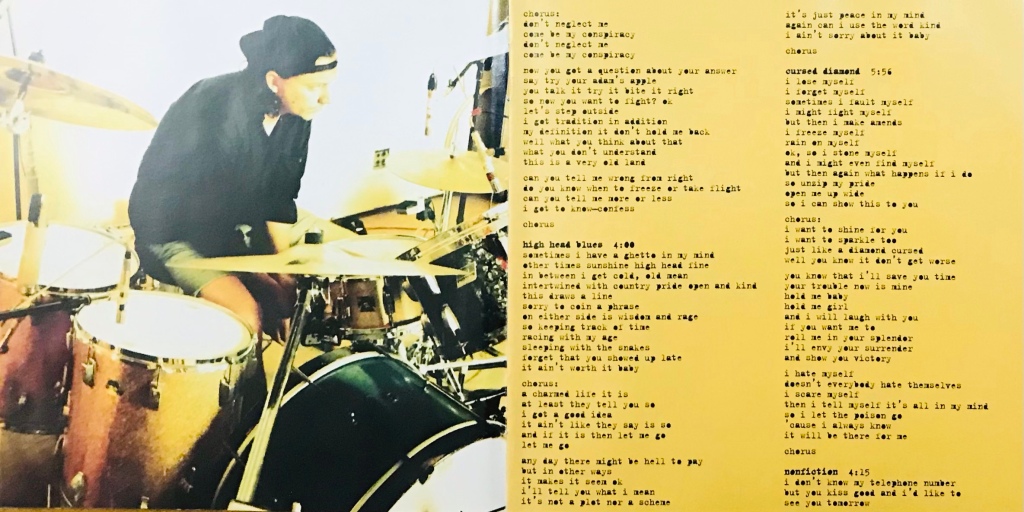
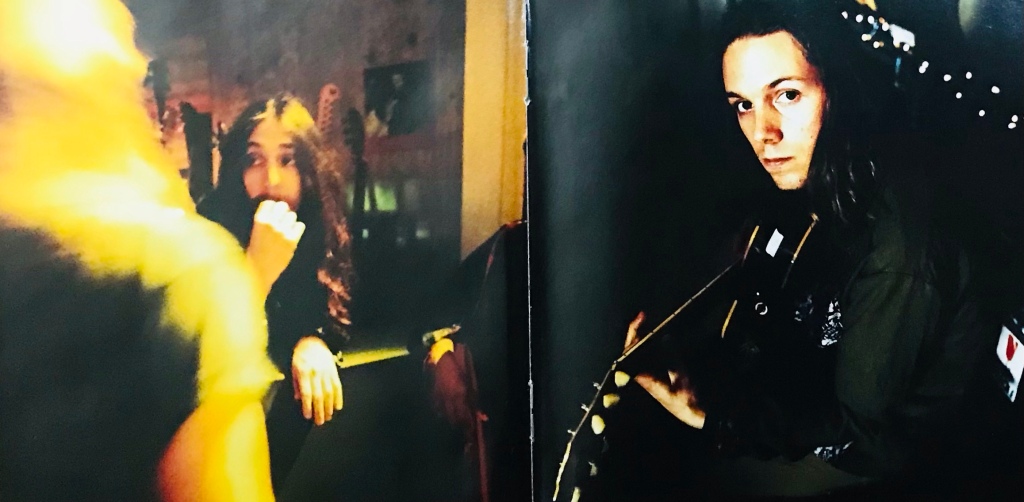
The band is unchanged. Chris Robinson is on vocals and harmonica, Rich Robinson and Marc Ford are on guitar, Johnny Colt is on bass guitar, Steve Gorman is on drums and Eddie Harsch is on keyboards.

Released in 1994, “Amorica” took a while to come to fruition. It wasn’t a hazy 8 day recording session like “The Southern Harmony And Musical Companion”.

You see, in 1993, the band worked on an album called “Tall”. But the recordings got scrapped because Chris and Rich Robinson didn’t see eye to eye during the sessions. Rich felt that Chris alienated him from the rest of the band. Chris reckons that Rich was upset because he was leading the sessions and was rejecting his riffs and ideas.

Well, Rich ended up winning the argument and the “Amorica” album is the result of moving forward with the ideas of Rich and not Chris.

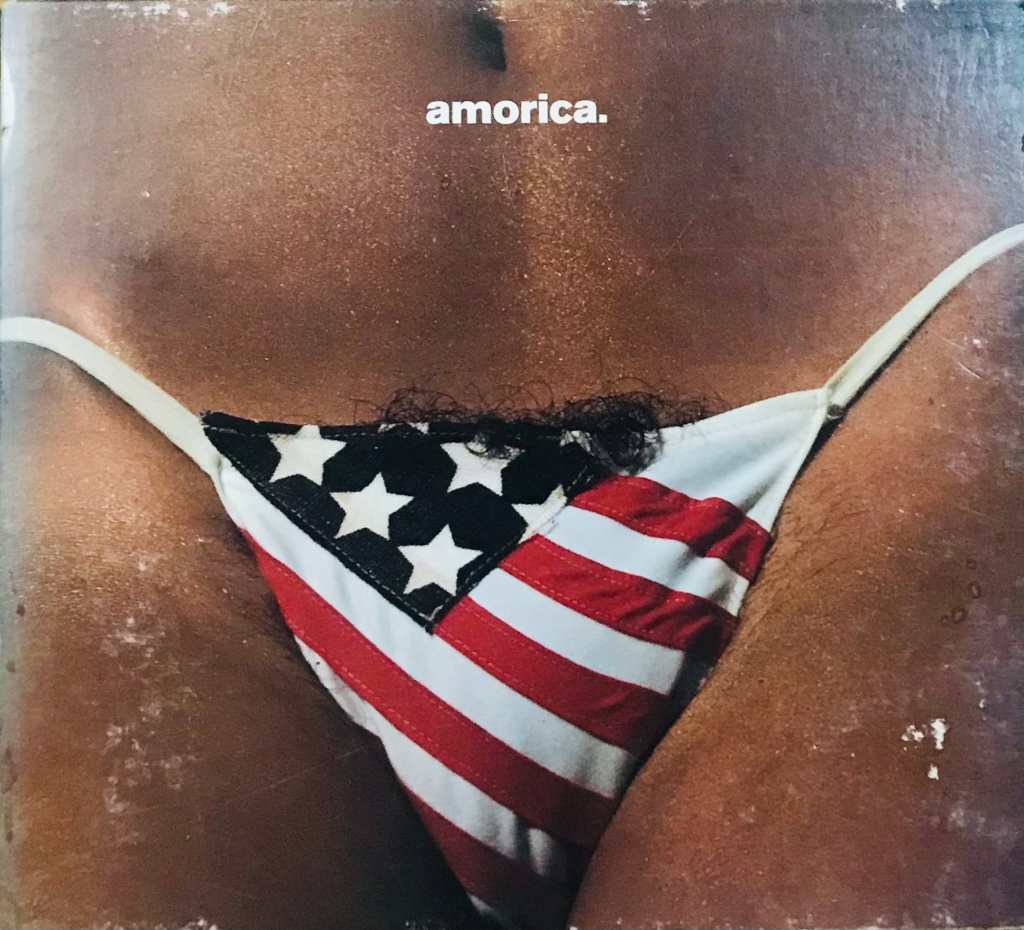
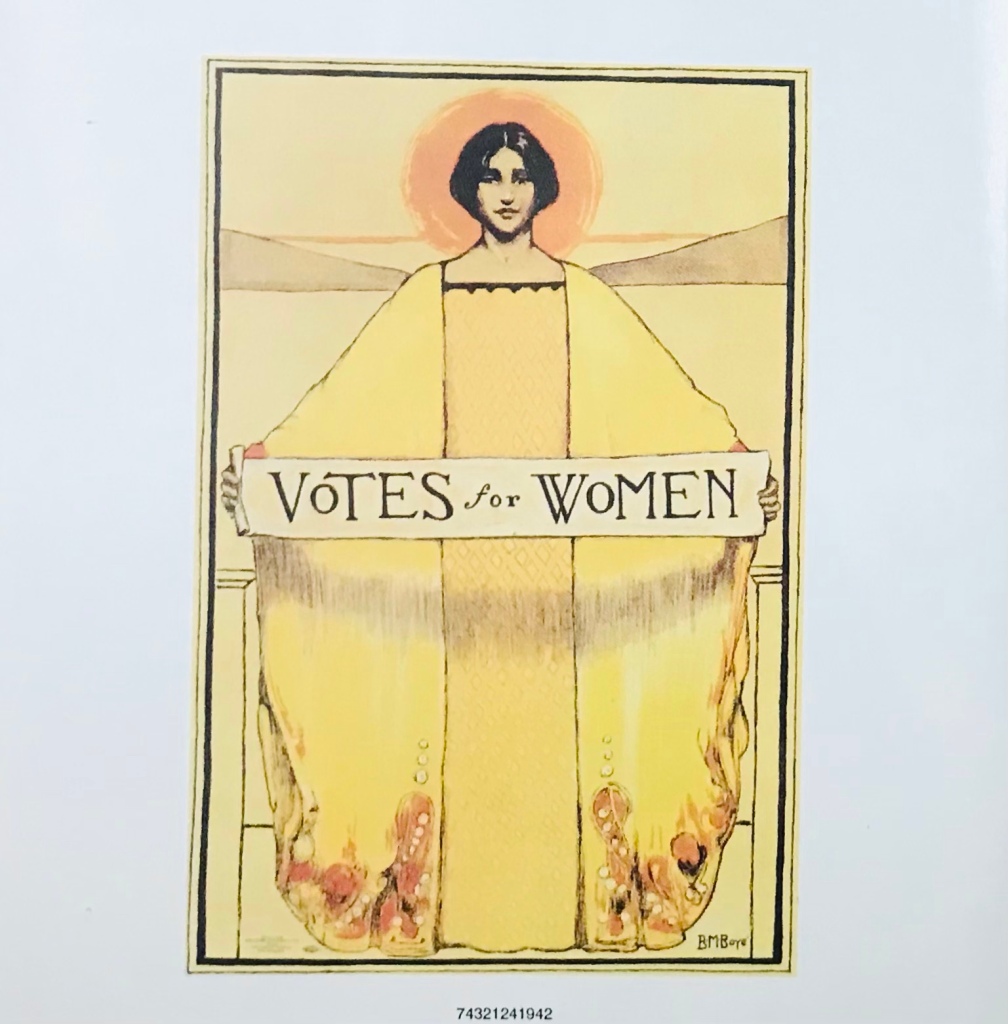
And man, the cover caused a stir in even in the more progressive 90’s.

Who would have thought that a picture which was deemed offensive in 1976 when it appeared on a cover of Hustler was still seen as offensive almost 20 years later?

Well in Australia, we didn’t really see anything wrong with it so we got the cover as intended, while the U.S got two covers.

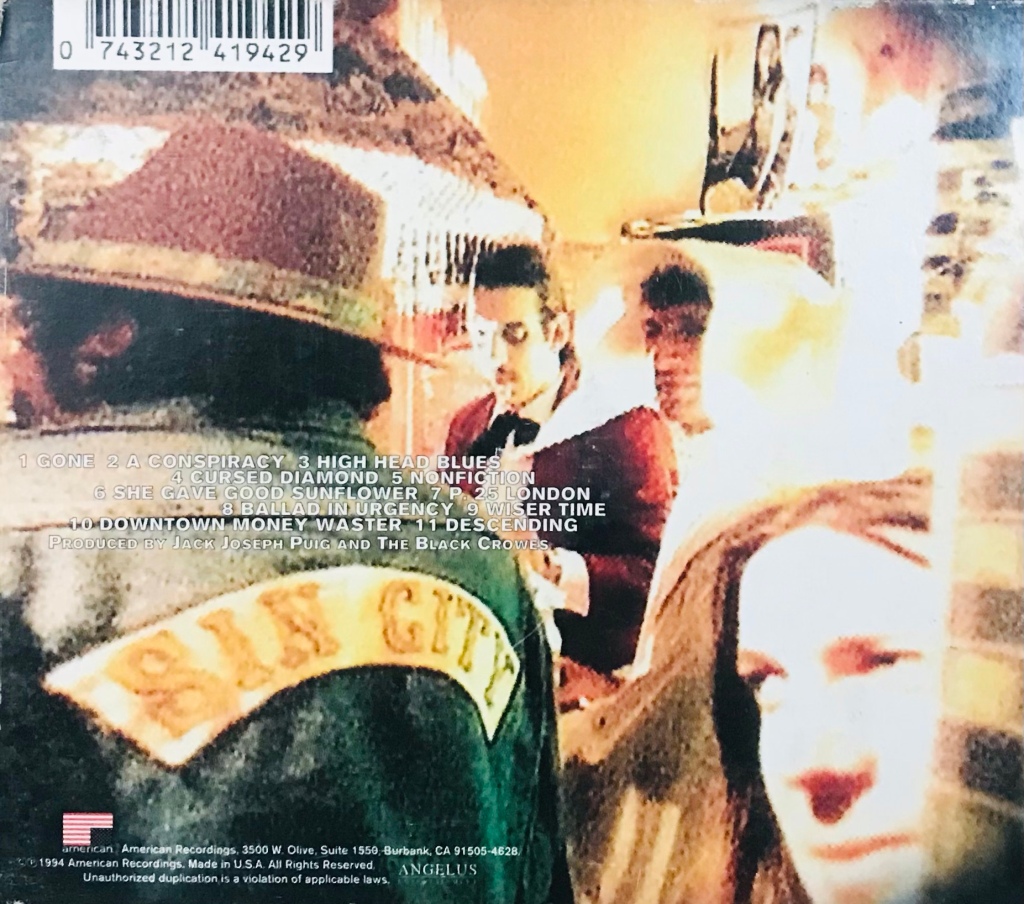
Gone

It sounds like they had a few drinks, wrote some riffs and then jammed em. It’s complicated blues, as there is so much going on but it didn’t set my world on fire.

A Conspiracy

They tried to recreate the groove and infectious melody of “Remedy” with this. While they didn’t get close, they still got a very rocking song out of it.

High Head Blues

A sleazy soul blues rock riff starts it off. It’s almost funky and I like it. One of the best songs on the album.

Cursed Diamond

A piano like slow rhythm and blues tune, very Rolling Stones like and the solo section gets all aggressive and swampy.

Nonfiction

An acoustic track with a vocal that sounds like 70’s Rod Stewart. But it’s a skip for me.

She Gave Good Sunflower

Chris is asking a babe to do him and the track could be interchanged with any song from the previous albums.

Press play to hear some nice wah wah soloing from Marc Ford over a thundering Johnny Colt bass riff. And stick around to hear the outro soloing as well.

P. 25 London

A throwaway track.

Ballad in Urgency

Another ballad, with some unique blues/jazz like chords, nicely phrased guitar fills and Johnny Colt’s bass thundering in the background.

The song then fades into a piano section along with Mr Colt’s bass.

Wiser Time

Steve Gorman brings it here, showcasing that even though the Robinson brothers write the songs, the performances of the band members are just as important. This one is also a favourite.

Rich Robinson plays some tasty slide and he also duets on lead vocals.

And each section has so much variation. The verses are based on a three chord “Sweet Home Alabama” like chord progression. The Chorus is classic blues rock.

But.

It’s the later sections which takes the track and makes it a signature song.

It’s not for the crossover fans who just liked “Remedy” and nothing else.

This is for the hard core fans. It starts off with a swampy Delta bluesy acoustic slide solo, which is followed by an electric piano solo, very Doors like.

This then gives way to an electric guitar solo, very B.B. King like with a bit more grit and it all crashes in to a Lynyrd Skynyrd soaring lead, full of harmonized guitars.

After five minutes and thirty seconds, the only thing you can do is press repeat.

Downtown Money Waster

Old time blues with a ragtime piano and acoustic slide guitar.

Descending

Another favourite and another five plus minute ballad-esque song, which starts off with a piano riff. And when the band kicks in, it gets the head moving and the foot tapping. If it doesn’t, feel for a pulse.

Chris Robinson is on fire vocally and Mr Colt’s bass is thumping throughout, synced up to the bass drum of Gorman’s.

The track closes with a ramped up piano solo over another thundering bass riff from Mr Colt.

The album did good business in Australia again, charting at 11 which they also replicated in the U.S and a Gold Certification.

But it took the record buying public by surprise because it didn’t really have that “accessible” song that people could latch on to. The debut album had “Hard To Handle” and the follow up had “Remedy”. But this one had some deep cuts and some fan favourites.

Crank it.

Standard
A to Z of Making It, Classic Songs to Be Discovered, Derivative Works, Influenced, Music, My Stories, Unsung Heroes

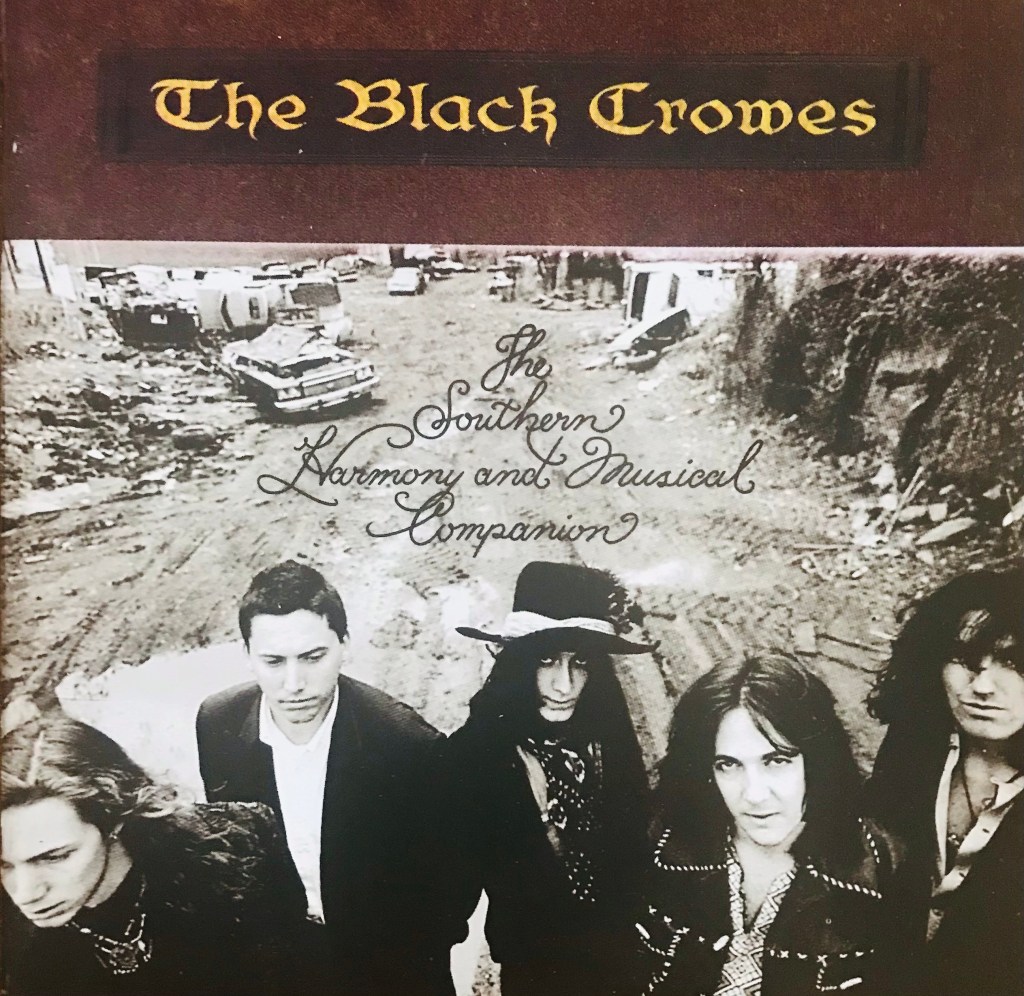
The Record Vault: The Black Crowes – The Southern Harmony and Musical Companion

Eight hazy days is all it took for the band to record album number 2, released on May 12, 1992. Having done the pre-work, the band was ready to capture their live sound onto tape.

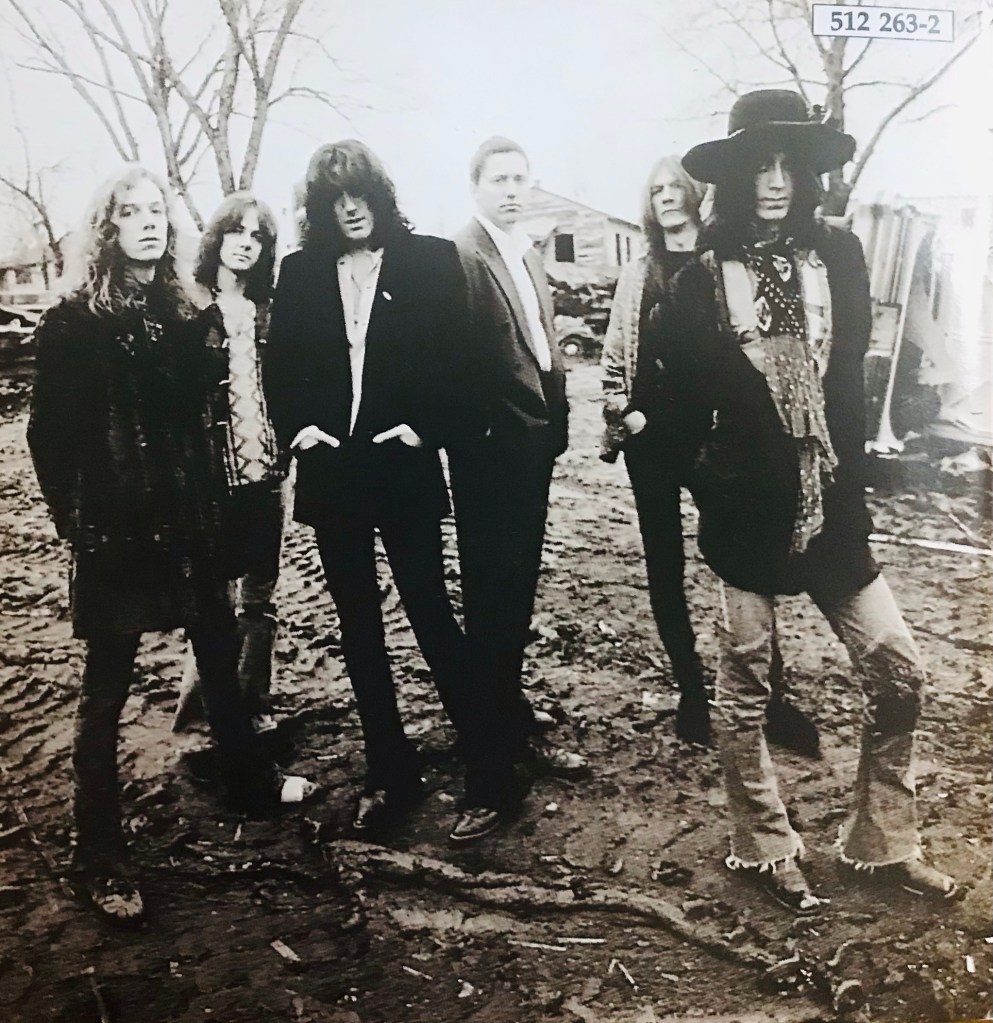
The band of Chris Robinson on vocals, Rich Robinson and Marc Ford on guitar, Johnny Colt on bass, Steve Gorman on drums and Eddie Harsch on keyboards are on fire. And the jam live spirit drips from the speakers.

Wikipedia tells me that it was the first time an album featured four album rock number-one hits. The previous record was set by the great Tom Petty in 1989, with three number-one rock hits. The album itself reached the top spot of the Billboard 200 album chart, propelled by the success of these singles.

The album’s name comes from an influential 1835 hymn and tune book compiled by William Walker. While I never knew that at the time, I did think the title was unique.

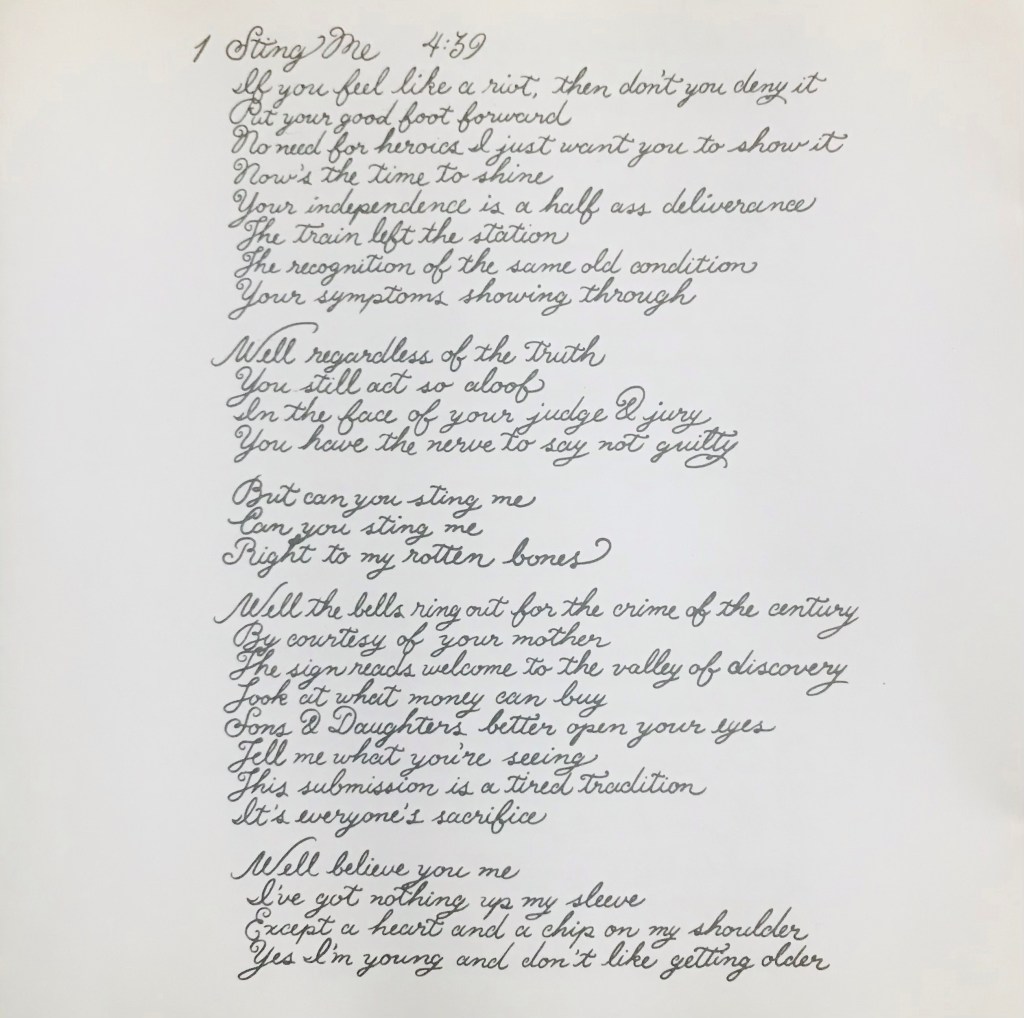
Sting Me

We needed rock and roll to reset from the glamorized rock and metal that did the rounds in MTV.

That’s what “Sting Me” is about. It shows the bands intention and confirms that the first album, “Shake Your Moneymaker” was not a fluke.

“If you feel like a riot, don’t you deny it” are the opening lines and man, with all that was happening in LA, it could have been the protest song of the rioters, when the shitty verdict was handed down to the four white policemen in their beating of African-American Rodney King.

And the Chorus is so Rolling Stones like, I love it.

Remedy

This song deserved to be a smash hit everywhere. It was the perfect amalgamation of blues rock and pop rock.

And I love the lead break on this from Marc Ford. It reminds me of the leads that Slash does with GNR and it’s something which Slash doesn’t get enough credit for, being a great blues rock player in the vein of Jeff Beck. And Marc Ford is up there as well, so underrated.

And how good arethe female backing vocals.

But the song is forgotten on streaming services, compared to the debut album songs like “Hard To Handle” at 132 million streams on Spotify and “She Talks To Angels” at 78.6 million streams, “Remedy” pales at 27.3 million streams.

I guess all the fans already have the album, and we’ve overdosed on it, so the last thing we want to do is to play it again on a streaming service.

Kind of like playing “Wanted Dead Or Alive”, “Enter Sandman” or “The Final Countdown” or “Kick Start My Heart”. Then again, people are playing those songs in the millions each week.

Thorn in My Pride

The acoustic guitar playing is so Led Zep like and the lyrics of “my angels and my devils being the thorn in my pride” are favorites of mine. And Marc Ford brings it again in the lead department, with a very accomplished SRV like shred.

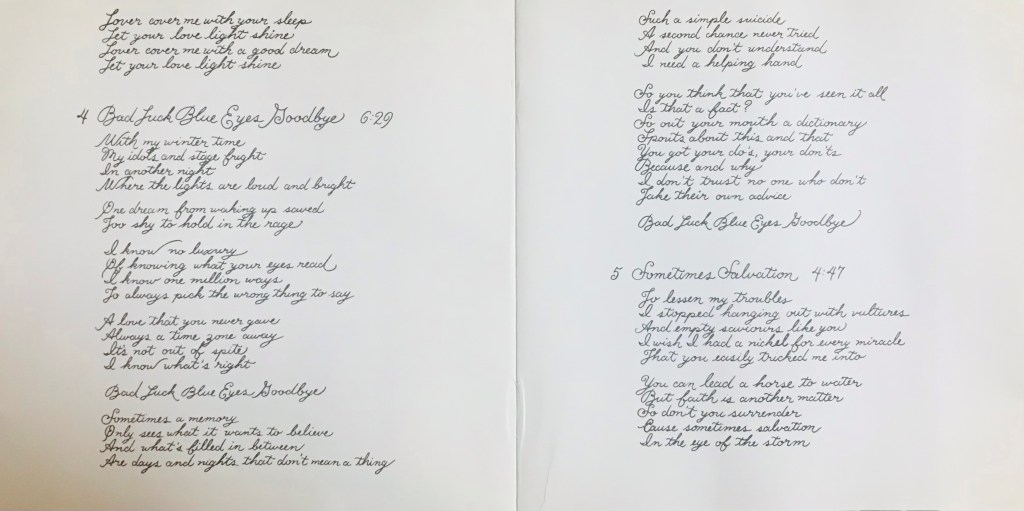
Bad Luck Blue Eyes Goodbye

I like these kind of slow blues songs, like “Little Wing”, “Since I’ve Been Lovin You” and “Black Magic Woman”.

Actually Poison with Richie Kotzen wrote a killer track like this called “Until You Suffer (Fire and Ice) from the “Native Tongue” album, but no one purchased that album. So did Richie Sambora, with “Stranger In This Town”.

Sometimes Salvation

It’s a slow maybe mid temp blues rock song, about lessening your troubles, by hanging with less vultures, and wishing you had a nickel for every time you were tricked by some miracle.

Hotel Illness

It’s got this Beatles and Rolling Stones blues rock vibe and I like it.

Black Moon Creeping

I like the groove on this.

No Speak No Slave

The opening riff reminds me of “When The Levee Breaks”. It could easily be interchanged with a Corrosion of Conformity song.

My Morning Song

This should have been another hit off the album, but “Remedy” was so big that nothing else could measure up.

Time Will Tell

A Bob Marley cover, with acoustic guitars and gospel like backing vocals, as the band takes the reggae feel to the muddy waters of the Mississippi Delta and turns it into an acoustic blues rock track.

We loved the album in Australia. It charted as high as Number 6 on our ARIA charts and it earned a Gold Certification.

In the U.S market, it went to Number 1 on the Billboard charts and earned a 2x Platinum certification.

For a long time I called it “The Great Southern Harmony Musical Corruption”. So put it on and let it corrupt you.

Standard
A to Z of Making It, Classic Songs to Be Discovered, Derivative Works, Influenced, Music, My Stories, Unsung Heroes

Australian Method Series: Airbourne – Breakin’ Outta Hell

Released in 2016.

By now people knew what to expect with an Airbourne album. Fast blues rock, sleazy blues rock and hard rock, inspired by AC/DC, Rolling Stones and ZZ Top.

And no power ballads.

Bob Marlette is producing.

Breakin’ Outta Hell

It’s fast and maniacal like they are really breaking out of somewhere. It’s tempo reminds me of songs like “Let There Be Rock” and “Whole Lotta Rosie”.

Rivalry

If you enjoyed the debut Audioslave album, you will like this, as it has a riff similar to “Cochise” in the Intro.

Otherwise the Verses and Chorus are straight from the playbook of AC/DC and Slade.

In the PR for the song, Joel O’Keefe said:

“As with other songs we’ve done, there’s an aspect here of rock‘n’roll taking a stand against those corporate forces that seek to restrict our freedoms, that try to shut down the little live venues, leaving bands with nowhere to really hone their craft.”

Challenge accepted.

Get Back Up

This can be interchanged with any AC/DC song of the Brian Johnson era and not be out of place. In some stages, the throaty vocals remind me of Tom Keifer.

It’s Never Too Loud For Me

With its “RNR Ain’t Noise Pollution” influences merged with “Sin City”, you know exactly what you get with this.

Thin The Blood

It’s super fast.

An image of Tommy Lee in the Crue movie comes to mind as they recount his daily routine on the “Dr Feelgood” tour, like waking up chained to a bed, trying to work out what happened the night before, callin his wife, taking a lot of drugs and alcohol and the cycle repeats.

I’m Going To Hell For This

“Hail Ceaser” comes to mind and I like it.

Down On You

That whole Chuck Berry influence which AC/DC used to great success on “Long Way To The Top” and “High Voltage” is back here.

And the guys really broke out the big guns in the lyric department, about a boy playing with his toy and kissing a woman between her knees.

Never Been Rocked Like This

It’s not groundbreaking but the passion for loud blues based rock and roll is evident here.

When I Drink I Go Crazy

It’s fast and the title sums it up.

It also has one of the funniest lyrics ever, “I’m standing in the middle of the road, directing traffic like a ninja”.

Only Joel O’Keefe can get away with using Ninja in a rock song. Maybe the Steel Panther guys could as well and lyrically this is who the album is competing with. Steel Panther.

Do Me Like You Do Yourself

The Intro gets the foot tapping.

And the lyrics just keep getting Shakespearean.

Like “you’re hands are moving with a mind of their own, having the best sex and you’re all alone.”

Pure poetry.

It’s All For Rock ‘N’ Roll

A perfect closer with a tribute to Lemmy.

Listen to it, raise a glass and enjoy.

Appreciate Airbourne for what they are, a hard working rock and roll band who write music that needs to be listened to loud while beer is being consumed.

Standard
Influenced, Music, My Stories, Unsung Heroes

1976 – Part 4.4: Grand Funk Railroad – Born To Die

The name “Grand Funk” and “Grand Funk Railroad” started to appear in interviews with guitarists via the Guitar mags circa 1988 to 1992, as bands started to incorporate more blues rock into their music. Then I purchased an encyclopaedia called “The Rolling Stones Encyclopaedia of Rock and Roll” and they are listed.

But I had never heard their music and it was only a few years ago that I started to listen via Spotify.

“Born to Die” is the 10th studio album, released in January 1976.

Released on Capitol Records and produced by Jimmy Ienner.

Ienner was briefly considered for the role of producer on the “Destroyer” album because he was the producer of one of Paul Stanley’s favourite bands, the Raspberries who had broken big on the backs of an Ienner produced album. While Ienner lost out to Bob Ezrin for the “Destroyer” gig, he did a job with Kiss, as Executive Producer on “Double Platinum”.

The band for the album was Mark Farner on Guitar/Vocals, Craig Frost on Keyboards, Mel Schacher on Bass, Don Brewer on Drums/Vocals, Jimmy Hall on Saxophone/Harmonica and Donna Hall on Background Vocals.

Born To Die

What a track with the feel of the song “Bad Company”, written by Mark Farner in memory of his cousin who died in a motorcycle accident.

The Hammond Organ has this tremolo style effect which makes it sound menacing. The bass playing grooves and the vocals are multi-layered in the Chorus.

Lived his life of freedom, exactly the way that he wanted to.
But there’s always that one thing, we never do count on.
You was born for it to happen to you …

Dues

Written by Don Brewer and Mark Farner. As soon as the syncopated bass and bass drum start off the song, I was interested.

I tried religion and some holy roller steals my tenth

Press play to hear the music played under the melody of “can we ever stop paying dues?”

And then the lead break kicks in and I’m playing air guitar to it. And they keep soloing until it fades out.

Sally

It’s the sugar gum commercial pop song for the album written by Mark Farner for his then love interest, the actress/singer Sally Kellerman.

But it’s a skip for me.

I Fell For Your Love

Written by Don Brewer and Craig Frost and there is too much soul and not enough rock.

Talk To The People

Written by Mark Farner and Craig Frost.

I’m not a fan of the music or the melodies.

But there is a great solo to end.

Take Me

Written by Don Brewer and Craig Frost.

Take me and make me feel your music..

And there is some great soloing .

Genevieve

I expected this to be a ballad, but I got an instrumental of fusion of jazz, funk and rock. And I like it.

Love Is Dyin’

Written by Don Brewer.

It’s got this “All Along The Watchtower” vibe, the Hendrix version vibe, not Dylan.

Politician

Written by Mark Farner.

Mr. Politician please don’t deceive us.
Mr. Politician you’re there to relieve us.
Just how can we tell, mister,
When to believe in you.

I guess some things never change.

Press Play to hear the solo break and the bass playing under it.

Good Things

It’s a slow Blues Rocker that starts off like a Bad Company cut, but once the intro lead melody kicks in, it feels like a Jeff Beck cut.

Written by Mark Farner there is plenty of guitar soloing happening.

The album just broke the Top 50 on the Billboard charts and was seen as a disappointment.

It’s not held in high regard by the hard core fans.

It was the last Capitol Records album they did so maybe the title was prophetic in a way.

Standard
Classic Songs to Be Discovered, Derivative Works, Influenced, Music, My Stories, Unsung Heroes

The Record Vault: Arc Angels

In August 1990, Blues Rock Guitar Hero, Stevie Ray Vaughan was killed in a helicopter crash. His Double Trouble rhythm section of Tommy Shannon (bass) and Chris Layton (drums) were devastated and with SRV’s death, out of a gig.

They dealt with the pain by jamming. They called in guitar prodigy Charlie Sexton and another guitarist in Doyle Bramhall ll. Bramhall’s father, Doyle Bramhall, Sr. is also steeped in the blues, playing drums for Lightnin’ Hopkins and Freddie King. And Bramhall, Sr. also collaborated on songs with Stevie Ray Vaughan and Jimmie Vaughan, who he knew since childhood.

The jam sessions took place at the Austin Rehearsal Complex. This is how the “Arc” in the band name is derived.

I heard “Living In A Dream” on Letterman and I thought it was Badlands via the sound, but the look definitely wasn’t Jake E Lee and Ray Gillen (RIP). But I couldn’t get their album, even though it was on Geffen Records. I suppose the year of 1992 didn’t help either.

“Arc Angels” is the self-titled debut album released in 1992.

Production is handled by Little Steven & The Disciples Of Soul.

Living In A Dream

What an opening cut, with a feel of “When The Levee Breaks” and just think of “Stormbringer” played in a blues based way.

It’s written by Doyle Bramhall II and Charlie Sexton. They both share vocal duties and they put their guitar skills on display, riff wise and lead wise.

‘Cause there’s nothing wrong here
I’m just living, living in a dream

And sometimes we don’t want to escape that dream.

Paradise Café

Written by Charlie Sexton and Tonio K, this song reminds me of the Roadhouse movie. You can imagine the band playing the song behind a Perspex cage to protect them from glass bottles.

Well now everything is rosy
And the money’s so well spent
This kind of education
Is worth every cent
When your momma pays the tuition
And your daddy pays the rent
You could learn a lot in college
Although you never went

Sometimes the silver spoon is not enough to satisfy.

Sent by Angels

Written by Doyle Bramhall II.

I like the Bad Company vibe on this. Black Crowes also comes to mind.

Sweet Nadine

Written by Charlie Sexton and Tonio K.

The acoustic guitar riff reminds me of “Little Suzi” from Tesla. Even the titles are similar. The drum beat is more surf rock and Iggy Pop like than Blues Rock.

Sweet Nadine
That ain’t her real name
But you know what I mean

I suppose every artist has a “Sweet Nadine” somewhere.

Good Time

Written Doyle Bramhall II and Sammy Piazza, it’s got this Stevie Wonder “Superstition” funk rock happening, with a bit of “Play That Funky Music White Boy”.

I was hangin’ out with some friends of mine
Down in Hollywood just a-wastin’ time
I knew right then nobody could get me down
‘Cause I’m takin’ myself out on the town
We’re gonna have a good time

See What Tomorrow Brings

Written by Doyle Bramhall II and as soon as the opening arpeggio chords started I was interested.

At 6 minutes long, it’s hard to explain the song, a mixture of “Little Wing”, “Free Bird” and “With A Little Help From My Friends”, the Joe Cocker version. And when slow blues ballads are done right, they leave their presence with you. This song does just that.

Wait just long enough
See what tomorrow brings

What a great line. Patience is hard to attain, because its original meaning is “to suffer”. So to ask someone to “wait” is to ask them to be “patient”.

Always Believed in You

Written by Charlie Sexton and Tonio K. the cut could be interchanged with songs on a John Mellencamp, Bruce Springsteen, Bryan Adams or Don Henley album.

I was born back in the sixties
I was born and raised to win
We had beaten, beaten back the darkness
But somehow the darkness slipped back in

Truth right there. People thought that we had broken through the injustice and prejudice however people just doubled down into their echo chambers, percolating until they exploded again.

The Famous Jane

Written by Charlie Sexton and Tonio K.

It’s a mid-tempo rocker about heroin.

She was probably born in Hollywood in the era of the King
She hitchhiked Highway 61 and got elected Queen
She ended up on Bleeker Street down in the underground
And then somebody there called her sweet, and the story got around

The lyrics more or less sum up its possible introduction into Hollywood.

Spanish Moon

Written by Doyle Bramhall II, Charlie Sexton and Chris Layton. This is a great song with a similar riff and groove to “Living In A Dream”.

Everybody’s looking for a little bit of love
Not a lot of love being given

No one wants to be alone, but people associate companionship with love. But if love doesn’t happen, having a circle of friends to talk with, laugh with and go out with, is every bit good enough.

Carry Me On

Written by Doyle Bramhall II who brings out the Southern Classic Rock.

Shape I’m In

They bring out the Chuck Berry “Johnny Be Goode” feel on this cut, written by Doyle Bramhall II, Charlie Sexton and Marc Benno.

I tried so hard to get back in the race
I’d just be satisfied if I could place
There’s so much competition but the best don’t always win
I’m doing pretty good for the shape I’m in

Be you and don’t let the rat race dictate to you who you should be.

Too Many Ways to Fall

Written by Chris Layton, Tommy Shannon, Charlie Sexton and Tonio K.

This is another of those percolating blues rock tunes.

‘Cause there’s just one way that we can stand
Too many ways to fall

Truth right there.

The outro reminds me of what Pearl Jam would do.

The band didn’t last long. Geffen jumped into bed with Seattle, Bramhall’s heroin addiction was out of control and by 1993, the band broke up.

But we have this album.

Standard
Classic Songs to Be Discovered, Derivative Works, Influenced, Music, My Stories, Unsung Heroes

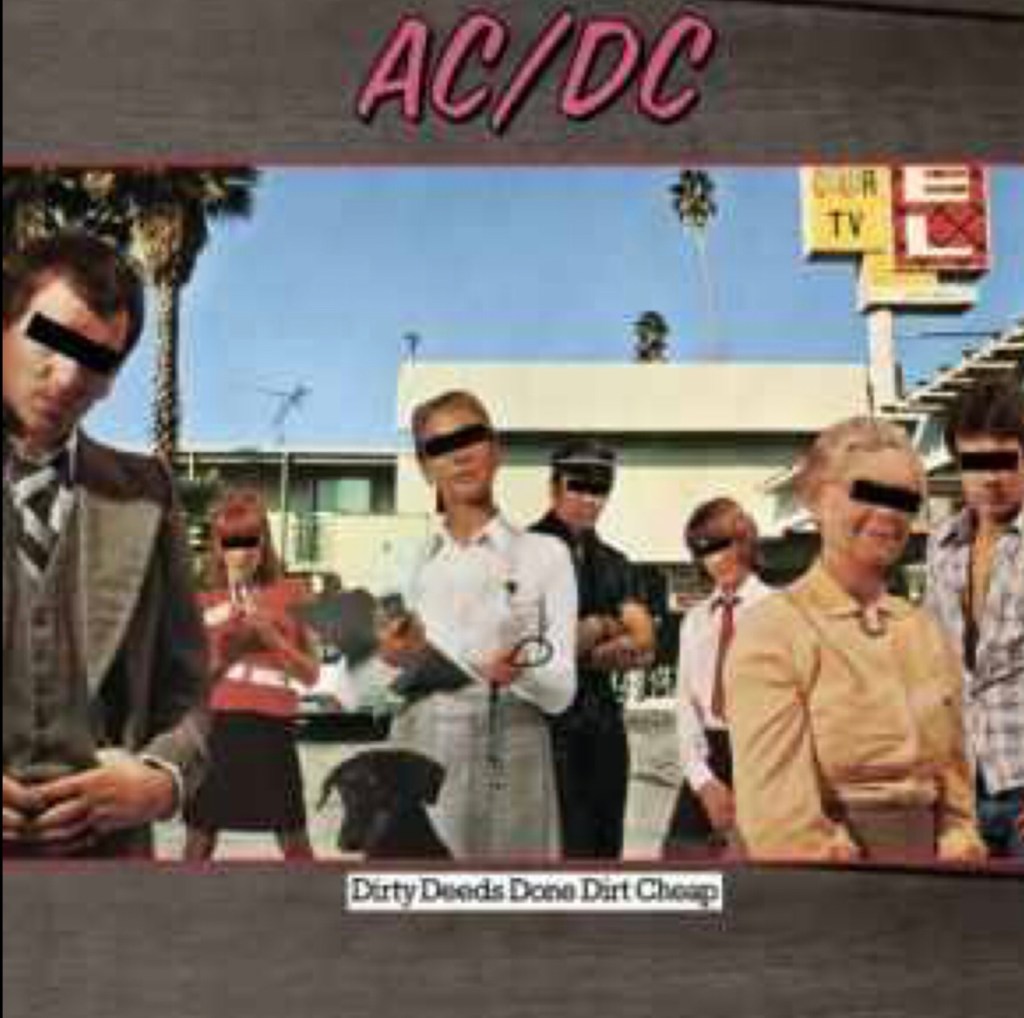
Australian Method Series: AC/DC – Dirty Deeds Done Dirt Cheap

Released in 1976. This is the cover we know for the album and not the Hipgnosis one which came out on the International release.

This version of AC/DC rocked hard. Bon Scott is on Vocals, The Young Brothers are on all things guitar related, Mark Evans is on bass and Phil Rudd is on the Drums.

Production is handled by The Easybeats main songwriters in George Young (big brother of Angus and Malcolm) and Harry Vanda.

“Dirty Deeds Done Dirt Cheap” is the third studio album by AC/DC. While it hit the streets in Australia in 1976, it didn’t get a U.S release until 1981.

And that decisions by Atlantic A&R man Doug Morris to release the album proved to be unpopular with the band.

AC/DC had successfully reinvented itself with a new singer, Brian Johnson. The band was working on a new album, which would become “For Those About to Rock We Salute You”, released later that same year.

But Morris saw a financial opportunity to capitalize on the success of “Back in Black” which had already sold over five million copies. And due to those numbers, Morris estimated that “Dirty Deeds” would move at least 2 million.

But it also took away an opportunity for the new album.

“For Those About to Rock” would have sold a lot more if Morris had waited.

So the US release of “Dirty Deeds” was widely seen as damaging the momentum for that album, which it outsold. The band was also forced to add songs from the “Dirty Deeds” album to its set list on its subsequent tour, further taking the focus away from their new album.

But going back to 1976, Atlantic was unhappy with the vocals and the production. This infuriated Malcolm Young because the label was putting shit on his older brother.

Bassist Mark Evans assumed Bon Scott would be fired as a result. The band was on the verge of being dropped.

But “High Voltage” which was also released in the United States in 1976 was still selling and the sales of that album versus what the label paid for it, gave AC/DC a lifeline.

The Young brothers along with Bon Scott were very creative during this period. As was the norm, each year had a new AC/DC album. And they always overwrote for each album.

As a side note a song called “I’m a Rebel” was recorded for this album, with music and lyrics written by Alex Young, another brother of the Young’s. While the song was never released by AC/DC, Accept somehow got their hands on it and released it as a single, and also named their second album after it.

Dirty Deeds

The riff’s simplicity is its magic.

The drum groove was used by Lars Ulrich for the “Enter Sandman” intro.

The lead break is the embryo of the “Thunderstruck”.

And Bon Scott is menacing as he gave us a new phone number to call.

36-24-36.

Love At First Feel

It’s got that Chuck Berry 12 bar blues rock feel, which AC/DC used a lot of. The most notable song being, “Long Way To The Top”.

Press play to hear a very good and underrated Angus Young lead.

And I like how it quietens down after the solo, with the vocal melody of “Love At First Feel” repeated as they build the song back up.

Big Balls

There was a band in Australia called Skyhooks who had this kind of cabaret/stage show delivery in their songs.

Rocker

Well the songs a rocker alright.

It brings back memories of Val Kilmer performing a rockabilly song in the movie “Top Secret”.

Problem Child

A favourite because of the riffs and the vocal delivery. If there is a track to press play on, then this is definitely one of em.

And Angus delivers another underrated lead break.

In concert, Scott would often introduce “Problem Child” as being about Angus.

There’s Gonna Be Some Rockin’

The 12 bar blues is back. Bands like Status Quo would build a career on tracks like this.

The rhythm is also very similar to that of “The Seventh Son” by Willie Dixon.

Ain’t No Fun (Waiting Round To Be A Millionaire)

It follows more of the same “Long Way To The Top” feel. But press play to hear the Chorus riff, as there’s a chord ringing out and then some arpeggios and single notes.

Ride On

It can be supercharged with other slow blues songs they have done, like “The Jack” and “Night Prowler”

Squealer

How good is the intro on this?

The bass plays a groove that is not typical of AC/DC. It’s almost funky like.

And when Bon Scott moves from his lower register to his higher register, the guitars become more aggressive and the drums get louder.

Angus again wails away on the guitar, delivering a very mature lead. It’s one of my favourite AC/DC cuts and it has been largely forgotten.

This is another track you shouldn’t ignore on this album.

In relation to sales it was a hit in Australia when it came out.

In the US, it was a different story.

Following the American success of “Highway to Hell” in late 1979, copies of the album began to appear as imports in the US.

Some of these were the original Australian edition on Albert Productions; however, Atlantic also pressed the international version in Australia, and many of these were also exported to the US.

Strong demand for both versions (in the wake of the even greater success of Back in Black) led the US division of Atlantic to finally authorize an official US release in March 1981. It went straight to No. 3 on the Billboard album charts.

In relation to sales, 6× Platinum in Australia and the US.

Crank it.

Standard
A to Z of Making It, Classic Songs to Be Discovered, Derivative Works, Influenced, Music, My Stories, Unsung Heroes

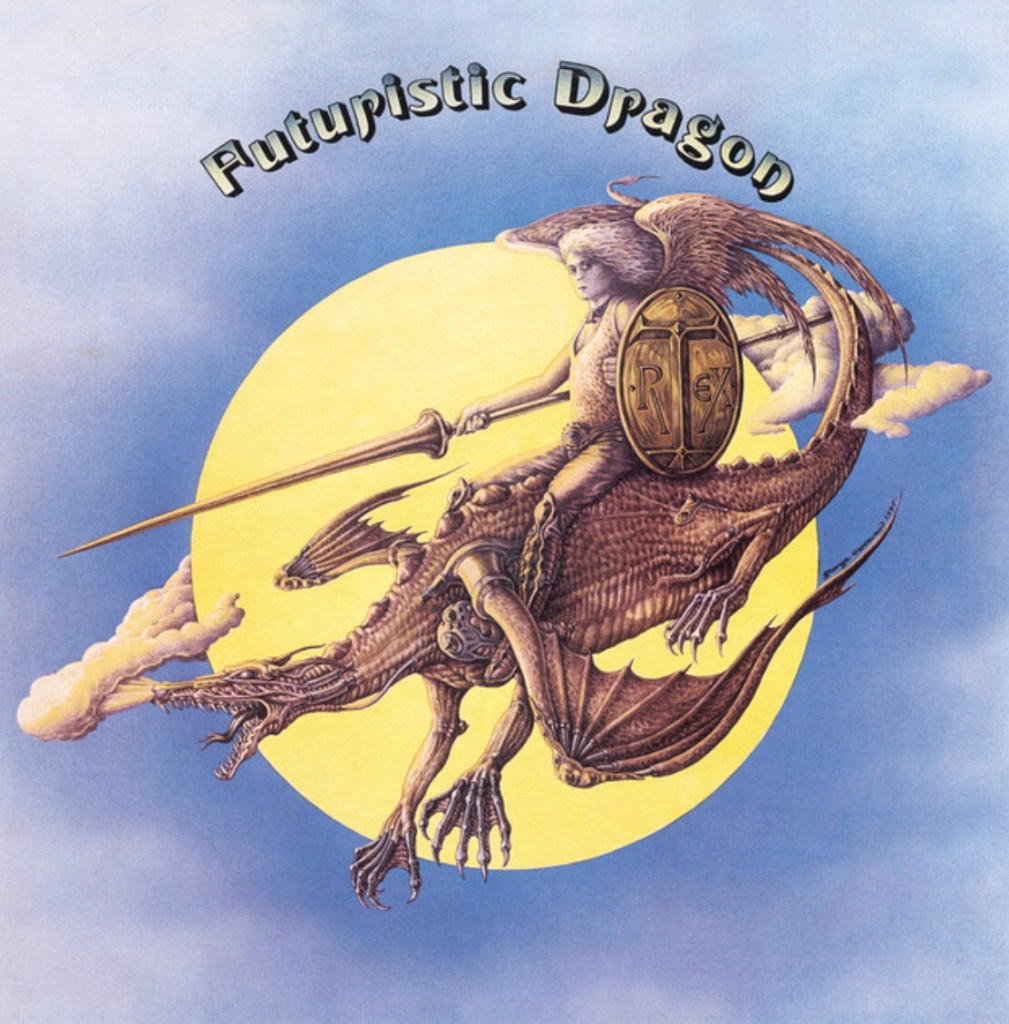
1976 – Part 4.3: T-Rex – Futuristic Dragon

I didn’t know who T-Rex or Marc Bolan was until Nikki Sixx kept mentioning him as an influence between 1987 and 1990. And I had heard “Get It On” and “Children Of The Revolution” on radio before but the radio announcer never announced who the artist was and with so much hard rock coming my way, T-Rex just kept slipping from my mind.

“Futuristic Dragon” is studio album number 11 released in January 1976 everywhere else in the world except the U.S. The U.S release didn’t happen until 1987.

It’s listed as a T-Rex album, however when Mickey Finn left the band the previous year, Bolan said that “T-Rex no longer exists”. But the labels are always wise and they wouldn’t release it unless it was T-Rex.

The band is Marc Bolan on Vocals, Guitars and Moog, his partner Gloria Jones on Backing Vocals and Clavinet, Steve Currie on Bass,
Davy Lutton on Drums, Dino Dines on Keyboards and Jimmie Haskell on Strings.

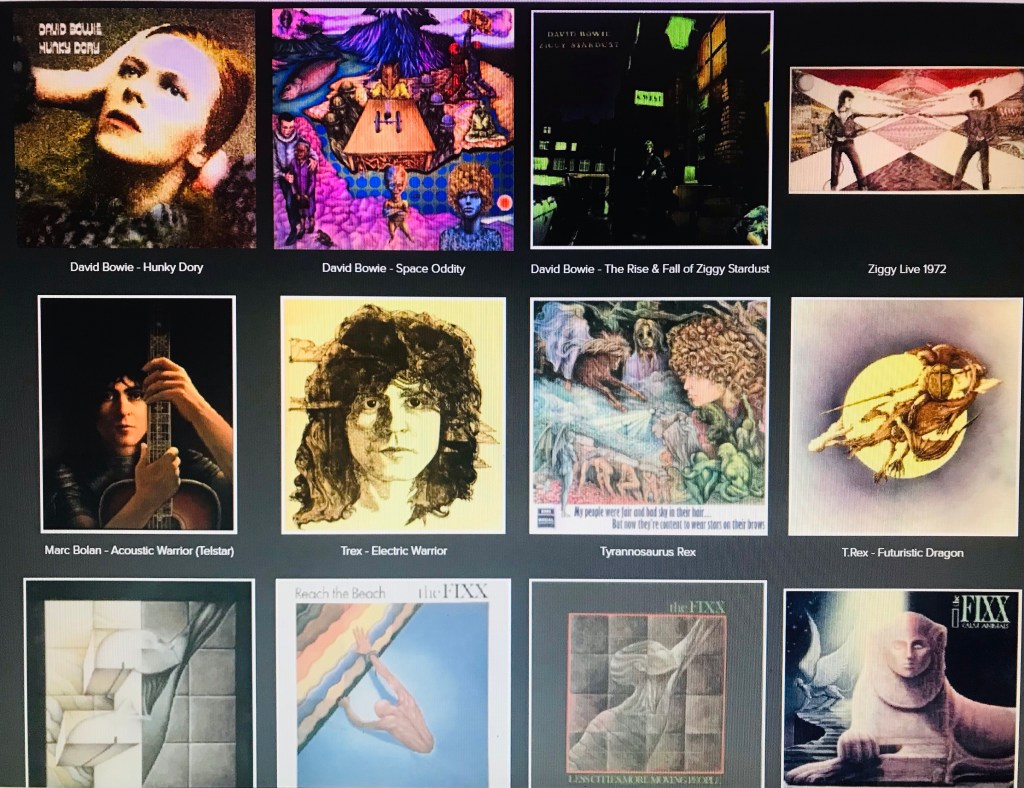
George Underwood did the cover artwork who also covers for other T-Rex albums, along with Bowie, Mott The Hoople and alot of book covers.

Here is a snapshot of some from his website.

All tracks are written by Marc Bolan.

Futuristic Dragon

It’s almost two minutes of a bass groove like the one in “Crazy Train”, guitars on cocaine and a voice over from Marc Bolan. But part from the bass groove, I was like “what the…”

Jupiter Liar

The “Get It On” style riff is back as Bolan is vamping on a F5 power chord.

But this time there are gospel/soul like backing vocalists. And Marc Bolan has a talent for creating a catchy song without a proper Chorus.

Chrome Sitar

The groove on this song is addictive. It’s almost metal like in the riff, however the horns give it a blues/soul rock vibe.

All Alone

It’s a Blues Rock Soul cut, very Rolling Stones like in the blues rock department.

If the verse vocal melody and progression sounds familiar, it should as Nikki Sixx took for when Frankie died. “On With The Show” I say.

New York City

It was a single, a blues rockabilly tune with catchy gospel like backing vocals.

And there is a vocal melody here (the “I did, don’t you know” lyric) which reminds me of another song from another artist, which I can’t remember right now. I like it when that happens, but also hate it when I can’t remember the other artist.

My Little Baby

Another catchy tune, mixing blues rock with soul and a bit of ELO like strings. The vocal melody was definitely used by other artists in the 80’s and beyond.

Calling All Destroyers

The verse vocal melody inspired Phil Lynott for the verse vocal melody on “Cold Sweat”.

Theme for a Dragon

It’s soundtrack like with the strings carrying the melody.

Sensation Boulevard

This could have been on any 80’s pop album it’s that catchy. Press play to hear to bass groove that rumbles throughout the song.

Ride My Wheels

This one has too much soul and less rock. The first slip up on the album, but I still appreciate it for the experimentation of soul based rhythms.

Dreamy Lady

Another experimenting song, however the sugary 60’s pop works here. It’s even disco-esque. Was disco even a thing in 76.

Dawn Storm

It’s a perfect blend of soul and rock.

Casual Agent

A small misstep with too much soul and not enough rock and blues.

Overall, the album is enjoyable to listen to. Marc Bolan is very underrated as an artist and on this album, you will hear a lot of melodies and riffs that other artists have used afterwards.

The blend of rock and blues was always there in T-Rex’s music, and the strings also appeared, however with the addition of soul and a bit of disco, the album was definitely ahead of its time.

Futuristic. Yes.

But it was no match against “A Night At The Opera” from Queen. While T-Rex toured on this album, the overall turnout at the gigs was poor and the album didn’t do that great on the charts either. The glory days of just a few years ago seemed like decades ago.

Standard