A to Z of Making It, Influenced, Music, My Stories, Unsung Heroes

Dues To Pay

Don Brautigam didn’t get the Metallica “Master Of Puppets” or the Motley Crue “Dr Feelgood” cover design gig because he just graduated from drawing school or he had the digital tools at home to create art. Brautigam had spent 15 years doing book covers, sci-fi art and album covers for over artists. He got recognition for his Stephen King book cover design in 1980. He was paying his dues every single day.

Twisted Sister didn’t just write a multi-platinum album out of the blue. It was a long hard road, with some great live moments and record label rejection. While they had the US Tri-State scene covered, to the rest of the world they were unknown. As far as the person in Australia was concerned, they laboured in obscurity. But they kept on doing the great work for a lot of years before most people heard them.

Dream Theater’s “Images And Words” was seven years in the making from when the band got together in 85. All of those choices made in the past led to this album. And once you add the years of individual practice and listening before Dream Theater formed, you can see that “Images and Words” didn’t just write itself.

John Sykes didn’t just come out of the blue and join Whitesnake and then go on to co-write one of the best albums from 1987. His journey involved local bands in the UK, then Tygers of Pang Tang, Thin Lizzy and finally Whitesnake. David Coverdale started off with local bands in the UK, then Deep Purple and finally Whitesnake. The accumulation of years paying their dues led to a perfect synergy/chemistry which resulted in the 1987 album.

Recently I got into the instrumental music of Andy James. A great melodic guitarist and what a shredder. When you look at his past, you can see a high work ethic, writing, recording, touring, doing transcriptions, magazine work, sessions and what not. I am sure, many nights/months passed labouring in obscurity, but he kept on doing great work, years before most people realised and recognised his work.

Hate em or love em, but Five Finger Death Punch is no accident. They are a good example that it takes years, over a decade to find the right formula that works, to keep on working on the music, the message in the lyrics and taking chances. The band members themselves have roots that go back to the early 90’s.

The past is the forerunner to the future and any success that might follow. That rocket ship to success that MTV sold everyone, no longer exists. No one will ever be as big as they’d dreamed they’d be. If an artist is lucky, they will have established a following that pays their bills.

And today, the past is even more important. We live in an era where people don’t realize how hard it is to rise above the noise and connect with people. We do it socially, but artistically it’s difficult. And our past stories and experiences are there to build connections. The right or wrong choices we made in the past, shape who we are today.

But the world moves so fast.

Standard
A to Z of Making It, Influenced, Music, My Stories, Unsung Heroes

Don Brautigam

The album cover is a forgotten art form, but man, it was an important one. Once upon a time, the look of an album covers would be the deciding vote if a person outlaid the money. It carried the brand of the band. It was the first thing that spoke to the music buyer. And as time has gone on, the artists who created some of the iconic covers are never mentioned.

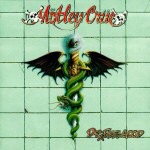
Ask anyone who created the “Master Of Puppets” or “Dr Feelgood” cover and I bet ya, they can’t answer it. But both albums have an iconic status in the history of music. I had to refer to the actual album credits. If anyone answered Don Brautigam, then they really know their cover artists. While the album covers are brilliant, it’s worth noting that Brautigam worked as an artist for 15 years prior to the Metallica job.

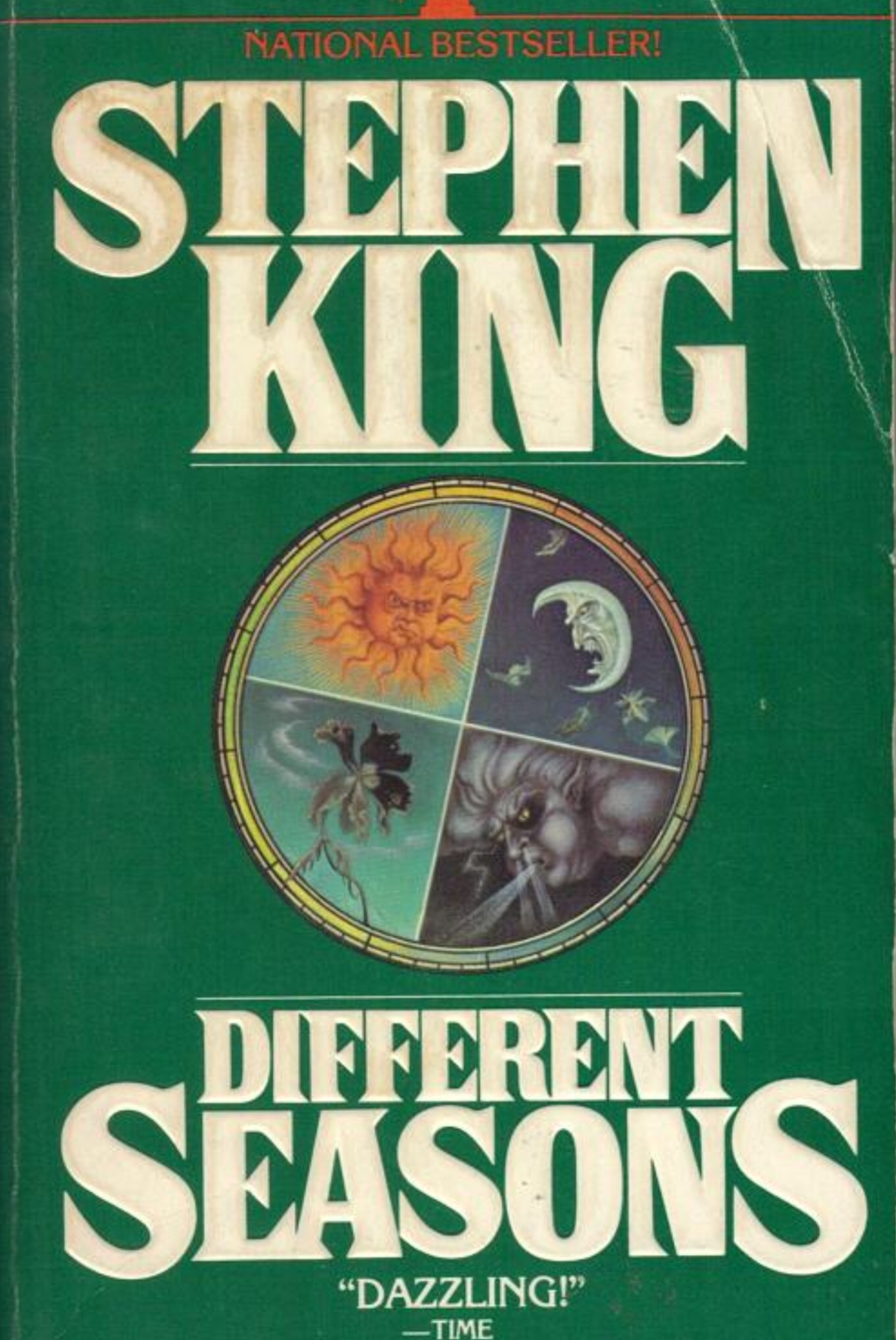
  • If you’ve seen any Stephen King book covers like “The Stand”, “Cujo”, “Salem’s Lot”, “The Dead Zone”, “Different Seasons”, “Night Shift” and “Firestarter”, that’s Brautigam’s work.
  • If you’ve seen any Dean Koontz book covers like “Dragon Tears”, that’s also Brautigam’s work.
  • If you’ve seen any Anthrax album covers like “Among the Living”, “State of Euphoria” and “Persistence of Time” that’s also Brautigam’s work.
  • If you’ve seen any Metallica album covers like “Master Of Puppets” and the self-titled “Black” album, well, that’s also Brautigam’s work.
  • If you’ve seen the cover for “Dr Feelgood” from Motley Crue, that’s also Brautigam’s work.
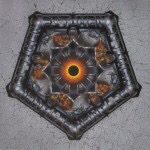
  • If you’ve seen the cover for Testament‘s “The Ritual”, well, you guessed it, that’s Brautigam.
  • If you’ve seen the cover for Frehley’s Comet first album. Brautigam.
  • If you’ve seen the cover for AC/DC’s “The Razor Edge”, well that’s Brautigam’s work as well.
  • If you’ve seen the cover for “The Dark” from Metal Church, that’s Brautigam.
  • If you’ve seen the cover for “Rockit” from Chuck Berry, that’s also Brautigam.
  • If you’ve seen any James Brown album covers like “The Payback” or “Reality”, that’s Brautigam.


Standard
A to Z of Making It, Influenced, Music, My Stories, Unsung Heroes

Dollars And Cents

Everyone today knows “Charles Goodyear” as the inventor of vulcanised rubber. But what they don’t know is that he spent his whole life on struggle street, in and out of prison because of his money problems and six of his twelve children died because he couldn’t support them.

And when he perfected his vulcanised rubber, he couldn’t take out a patent because another scientist called Thomas Hancock took out a patent eight weeks earlier. You see, Hancock had gotten a hold of a sample of Goodyear’s final product and reverse engineered it. Goodyear tried the courts, however the judge couldn’t understand how Hancock could have reverse engineered the invention and awarded all rights and royalties to Hancock.

It wasn’t until his journals were read by others that the following was found: “Life should not be estimated exclusively by the standard of dollars and cents.”

The Goodyear name would be recognised many years later. His achievements are world-changing but he never got paid for it while he was alive.

Hancock thought he won. He cheated a little bit and got his way. 

Culture is built by people losing in the short-term only to win in the long-term. That loss right now, builds a connection, solidifies a reputation and creates trust. And those three things are more valuable than the one victory early on.

Remember a time when writers created their works, while working other jobs. And a lot of those great writers still kept those other jobs.

F. Scott Fitzgerald gave the world “The Great Gatsby” while he also worked in advertising.

William Faulkner worked as a postal worker and during that time he wrote “The Sound And The Fury”, a book that was largely forgotten upon its release and only made famous when a book Faulkner wrote many years later for a decent pay check became popular, which in turn brought interest into his earlier works. After his postal gig he worked as a night manager in a power plant. Writing between the hours of midnight and 4am, he also produced “As I Lay Dying”. Both books are in the Top 100 Literacy Classics.

Ken Kesey wrote “One Flew Over The Cuckoo’s Nest”. The story about CIA sponsored mind control came about because Kesey worked as a cleaner in a mental hospital and for some extra cash he volunteered to be in a CIA sponsored mind control study which was promoted as something different to its participants. Those experiences formed the words of his novel.

JRR Tolkien worked as a Professor at Oxford while he wrote “Lord Of The Rings”. George Orwell worked for the BBC as a propagandist, which gave him the inspiration for his 1984 work.

After Dream Theater recorded their debut album, the label went bust. While they tried to get a new deal, they kept on writing songs and they had to get jobs to support themselves. During this period of work and jam, they wrote enough quality material to give the world “Images And Words”, their breakthrough album and the one that would give them a career.

Led Zeppelin’s debut album was funded by Jimmy Page and their manager Peter Grant. Once completed, it was shopped around to labels and rejected, until Atlantic US picked it up. On its release it wasn’t successful, but as we all know by now, time has a funny way of changing people’s views.

There is no easy way to cut through the noise and be heard. Paying your dues has been there from day one. Michelangelo was portrayed as being blessed to paint. The fact that he was paying his dues from the age of 7 by mixing paint, cleaning paint brushes and learning brush techniques working with a master should never be forgotten.

Convert six people instead of trying to convert 60 people. Start small and build. AC/DC were booked to open up a basement gig for Paul Kossoff’s Back Street Crawler in the U.S. Kossoff unfortunately died on his way to the gig, but AC/DC still took the stage and put on their normal act to six people. After a few songs, the six people bolted to the nearest payphone to call their friends. Within an hour the club was at capacity and history was made.

Tell your story and be truthful. Metallica’s “Nothing Else Matters” and “The Unforgiven” are two of their most popular songs and it’s James opening up about a relationship breakdown and his upbringing with religious parents. There is a reason why “Kick Start My Heart” is iconic. It references Nikki’s almost fatal overdose. The story you want to tell can be political like “Peace Sells” and “And Justice For All” or inspirational like “We’re Not Gonna Take It” or a call to arms like “SMF” and “We Will Rock You”.

Keep creating and recording. Al Kooper, produced the self-titled debut from Lynyrd Skynyrd. It just came out and it wasn’t really setting any sales charts on fire. “Free Bird” was still months away from becoming the boss of FM radio. Ronnie Van Zant called Kooper and told him the band had written a new song and they wanted to come in and record it ASAP. The song was “Sweet Home Alabama” and it sat in the vaults for a year before it was released on album number 2.

In the pre-internet era of scarcity, less music got made and even less got properly promoted. The history of music is littered with good bands or good musicians that didn’t quite make it or never even got a chance to make a record. And these days, every town has thousands of bands who are recording themselves and releasing their music themselves. And it’s all dollars and cents until you have that iconic hit that breaks on through.

Standard
A to Z of Making It, Classic Songs to Be Discovered, Derivative Works, Influenced, Music, My Stories, Unsung Heroes

Release Radar Recap

Gemini by The Night Flight Orchestra

What a classic rock song from my favourite supergroup of metal heads. It’s so catchy. If you haven’t seen the animated film clip, head over to YouTube and check it out. 

The album “Amber Galactic” is out so expect a review to come.

House On Fire by Rise Against

A good listen but not as good as the first single release “The Violence” and the politically charged lyrics, “The bombs are getting closer everyday, That can never happen here we used to say, have these wars come to our doorstep?”..

Blister by Hell Or Highwater

 Another solid track from Atreyu’s drummer Brandon Saller’s other project who takes vocal and guitar duties. Really impressed with this band. 

Chasing Dragons by Adrenaline Mob

Great band. Enough said.

American Dreams by Papa Roach

This is similar to what Papa Roach became famous for. Nu Metal with a dose of Pop.

Halfway Right by Linkin Park

Next…

While You Wait by Dead Letter Circus

Nice acoustic guitars and a Tool/Perfect Circle style vocal delivery makes for a pretty good song.

Choose Your Fate by Warrant

Actually the song is the best one so far from the release but they need to call the project something else guys. It didn’t work for Sabbath without Ozzy, Lizzy with Phil and it will not work for Warrant with Jani.

Indestructible by Harem Scarem

Not as solid as the other tracks released on my radar so far from Harem Scarem but still a good listen.

Something Else by Seether

This band has some great tracks, some good tracks and some tracks that don’t resonate with me. This one falls into the good listening tracks.

Oh Lord by In This Moment

I guess I am a fan of the melodic version of the band and the albums, “The Dream” and “A Star Crossed Wasteland”.

Ever After by Andy James

He’s been around for a while but to me he is one of the new breed of guitar heroes doing the rounds. You can put words to his guitar melodies and have some super catchy syncopated metal songs happening.

God Of Temptation by The Unity

Don’t’ know much about the band, but it’s a pretty good listen.

Stargazer by Seven Kingdoms

Power Metal. Just not in the mood for it. Next

Love Is The Remedy by Jorn

It’s got a tasty riff. For those that don’t know, Jorn is the Norwegian singer that can sound like Dio, Dickinson, Tate or Coverdale on a whim. And all of those vocal influences make him unique. There are some good songs, but this one is a miss.

Still Standing Up by The Ferrymen

The fantasy cover of a masked man ferrying skeletons is hit and miss, but musically, this band is good. Again I know nothing of them, except I have heard three songs over the last three weeks on my Release Radar playlist and saved each song.

Ashes by dEMOTIONAL

Again I know nothing about this band, however each song I have heard on the Release Radar is a good listen, so I will be following up on them.

Days Of Self Destruction by CKY

They have a cool cover in red and shades of black making out dragons. The song is a miss.

Will You Want Me by 7 Days Away

The cover is black with some shades of grey making out the band logo and name. Does it remind you of some other “black” album covers?

I got into this band via illegal downloads. And when I came across them in Spotify, I clicked follow. I’m glad I did.

Skin – Kove Remix by Rag’n’Bone Man

Elton John reckons Rag’n’Bone man has the best new music out there. If you haven’t heard “Human” then you should. It’s a hit and it’s getting there slowly, as all good music does its converting people like me into it. This song is “Skin” and the Kove remix is garbage. Hear the original. Accept no substitute.

New Slaves by Vitamin String Quartet

My kids love the Vitamin String Quartet, especially their take on rock and metal bands. The Iron Maiden tribute brings back memories. For this song, it’s a NO from me.

Clouded Minds by JD Miller

Next.

Endless Roads by Liv Sin

Sister Sin was good. Liv Sin is also good. The music is excellent and rooted in that Euro Melodic Metal sound. Also check out “Endless Roads” and “The Beast Inside”.

Runaway by Bai Bang

Next. Just a bit too clichéd and poppy for me.

I’m Alive by Art Nation

It’s a good listen with a big chorus.

Wolves Reign by Wolfpakk

Musically the song is good. It just needed that Bruce Dickinson style vocal delivery.

Meet My Maker by Life Of Agony

It’s groovy and a good listen.

Blood Sick by Wednesday 13

Skip.

Genesis by Aethere

Next.

Prologue (Deep Sleep) by Lonely Robot

 The end.

Standard
A to Z of Making It, Classic Songs to Be Discovered, Derivative Works, Influenced, Music, My Stories

Prog Music And Disconnected From Fates Warning

In the Year 2000, the mainstream was ruled by Nu-Metal bands and progressive music was really at opposite ends of the spectrum.

On one side, you had the Dream Theater style of progressive music. This involved a lot of time changes, with the focus on high-octane technical musical workouts and each song exhibited a smorgasbord of riffs.

In this period, Dream Theater was also rebuilding their brand into something that matters. After breaking through with “Images and Words” in the early 90’s, they kept on moving into a more “record label” pressured sound, which alienated their fan base and even the band members themselves. Mike Portnoy expressed his disgust that John Petrucci was sent by the label to work with song doctor Desmond Child on the song “You Not Me”.

But the creative arts history is littered by artists tricked into taking the wrong path by label executives who chased dollars instead of career longevity. Bigger is merely bigger. “If it’s better”, is a debate for another day.

In the end, the best way to re-build their brand was to stand for something, instead of standing for everything. That meant that Dream Theater stood up for progressive music instead of standing up for progressive music that could have commercial appeal with the hope that it crosses over into the mainstream. And they reset their career with “Scenes From A Memory”.

On the other side of the progressive music spectrum, you had the Tool style of progressive music. This involved time changes, but the focus was on groove and atmospherics, with each song building on a unique riff or bass line or drum pattern. Tool always stood by their brand and never wavered from it.

In between you had Porcupine Tree, merging Tool like aggression with Pink Floyd like atmospherics and on the extreme end you had Meshuggah with their focus on groovy, technical polyrhythms.

The missing link is Fates Warning.

Fates Warning released an album called “Disconnected” in 2000. With “Disconnected”, Jim Matheos merged the Tool and Porcupine Tree progressive elements with the Dream Theater progressive elements and put them through the Fates Warning blender. It’s a fusion of all the best progressive elements at the time into a cohesive piece of work that can be listened to over and over again from start to finish.

With so much access these days, it’s only natural that albums are overlooked, especially albums that didn’t really set the commercial charts on fire. Hell, the press behind the album was even a whisper.

But the album sticks with me, in the same way that each lick and melody from “Images and Words” by Dream Theater sticks. In other words, both of those albums made progressive music sound simple on the ear. Other people might have the view that progressive music is about doing something different (like not following the verse – chorus structure) and pushing musical boundaries (like time signatures, exotic scales and different musical styles). I would add that making something technical sound simple to the ear should also be part of the definition.

Metallica did it with each album up to “…And Justice For All”. They got technical with each release, but it still sounded simple to the ear. Rush are the original kings of pushing the technicality with each release, until they reset their career with “Signals”. Dream Theater nailed it with “Images And Words”. Fates Warning nailed it with “Disconnected”. Tool nailed it with “Lateralus”.

Who is going to nail it next?

Standard
A to Z of Making It, Copyright, Music, My Stories

The History Of Music

What if you put out new music and no one cared?

Getting people to pay attention is your main priority. Who cares if they do not pay for music? They will eventually.

If you’re a middle of the road artist that was around in the pre-internet era, making money on streaming payments will not be as good as it was on sales pre-Napster. But, in saying that, you are competing with all the superstars in the history of music for people’s attention. There are no more gatekeepers deciding what music should be in print and what music should be out of print.

If you make money from recordings, is not really relevant, because most of the money is in touring, merchandise and sponsorships. And it always will be, because human experiences will always get people to pay. So you know that streaming fan who hears your music on YouTube. Well they could be the fan that shells $500 on a VIP ticket. And you could have thousands of those fans waiting for the human experience to roll into town.

But if you do want to make money from streaming music, then stay independent and don’t sign to a label. Especially, if you own your copyrights, Spotify pays pretty good, provided people are listening. And the more people who embrace streaming, the greater the pool of money to divide. Remember when AC/DC refused to have their music on iTunes and even streaming services? Now they’re on all of them. Holding out for big dollars from recorded sales is a detriment in the long run, especially when YouTube and pirate sites have their catalogue for free.

But false narratives thrive in the music business like Spotify doesn’t pay enough, that it should give more of its revenues to artists. But Spotify already pays 70% of its revenues to rights holders. The enemy is obscurity.

Malcolm Gladwell said in “Outliers,” timing is everything. All the hours of practice to be proficient at your art, will give you expertise, but it will not make you famous. Twisted Sister played the club circuit for 10 plus years and they put in their 10,000 hours of deliberate practice. It didn’t stop every label in the country from rejecting them. But no one could see the opportunities MTV would bring to rock and metal music. And Twisted Sister was there to make the most of the opportunity. Timing is important and so is change.

And change is everywhere. Bands used to have places to play live. By the time those bands got heard by a larger audience, they had already played thousands of gigs and were good. Then between 1983 to 1991, hard rock bands got signed by the hundreds. Musicians jumped from band to band to band to band in order to get the timing right and get signed. And artists who thought that hard rock and metal got too commercial branched out and played a more abrasive style. Thrash, Techno-Thrash and Death metal bands started springing up all over the place. This rise in the creative arts also led to many new record labels to capitalise on these new scenes. In the process the metal community fractured even further.

Remember when the first Metal Massacre album came out it in 1982, it had bands that played rock and metal on it. Ratt and Steeler held the flag for hard rock and Cirith Unglo and Metallica held up the flag for some of the different styles coming through. In between was the standard metal bands. It was a unity. But by the time, Metal Massacre 7 came out in 1986, hard rock ceased to be on it. It was more of the extreme styles of metal.

Everyone went into their own bubble, trying to promote their own scene and dishing the other scene. Some artists made money and some didn’t. Meanwhile the record labels rolled in it because the economy was good and people had money. But everything changes. And the kids of those 80’s music consumers see music as infinite, while we saw it as a rarity. While I used to decide which albums to buy for my $20, my kids can stream the history of music for less.

And that is your competition. The history of music versus your new release.

Standard
A to Z of Making It, Classic Songs to Be Discovered, Copyright, Derivative Works, Influenced, Music, My Stories, Stupidity

So What If Steve Harris borrowed from Beckett

A friend of mine said it’s fake news, but, seriously, so what if Steve Harris was influenced by the band “Beckett”. So what if Steve Harris borrowed from the band “Beckett”. Trust me when I say this, there is no way that “Beckett” and their song writers created their songs in a vacuum, free from any texts and music that could have influenced them. So as much as Harris borrowed from “Beckett”, the band “Beckett” also owes its dues to the people they borrowed from.

But this isn’t an issue with the Beckett songwriters.

For whatever reasons, Steve Harris made a deal settlement with “Robert Barton” and “Brian Ingham” from the band “Beckett” over the song “Life’s Shadow” and how six lyrical lines were referenced in “Hallowed Be Thy Name”.

The current issue is with a retired rock band manager called Barry McKay, who is taking Steve Harris and Dave Murray to court over a song called “Lying In My Shadow” (which to me is “Life’s Shadow”), also from the same band “Beckett” and written by “Brian Ingham”.

The rock manager claims “Hallowed Be Thy Name” reproduces major parts of “Lying In My Shadow” in “Hallowed Be Thy Name”. “Lying In My Shadow” could be a demo that was never released and Barry McKay might have paid for the rights to it.

But seriously who cares.

Every song that is created has multiple influences or reference songs. “Hallowed Be Thy Name” is no different.

There are comments that “Hallowed Be Thy Name” also has similar lyrics to another Beckett song called “Rainbow’s Gold”. And of course there is the fact that from 4.10 to the end of “Life’s Shadow” is the inspiration point for the whole middle section in “The Nomad” from “Brave New World”. Just to re-iterate, music creation is taking bits and pieces from songs that influence you, place them into the blender and the product that comes out is yours.

Yes, there are ties between the bands. Rod Smallwood managed both. There is a respect between both bands. Maiden has covered Beckett songs in the past and the guys in the band have played together in various little projects.

Fake news or not, this is the mess that “Copyright Hijacked By Corporations” has created. A rock manager, who did not even write the song, can bring up a suit against a band for being influenced by it. Ridiculous. This is all about cash. But it’s the public that determines success, not the label or the press. It’s the public that decided what is valuable to them.

From a listener’s point of view, all songs are different and unique in their own way. The fact that one song went on to define a band and become one of the best metal songs in history and make millions is the issue here. People feel wronged that someone else made money and they didn’t. One song doesn’t replace the other. They can all co-exist, even though the Maiden versions are vastly superior. And to me, it’s the main reason why this is in the courts.

Hell, Steven Jobs took bits and pieces from other companies to create the first Apple. Even his revolutionary iPod’s and iPhones copied designs and functionality from other designs. But he did it better than all the others. And so did Maiden, Zeppelin, Metallica, Jovi, The Eagles, Acca, Def Leppard, Motley, Rolling Stones, The Beatles, Whitesnake and every other artist who made it big.

The Telegraph.co.uk article 

Standard
A to Z of Making It, Music, My Stories

Get People’s Attention First

Tom Petty sang “Love Is A Long Road” and it should be the aim for every artist. There should be a need to foster the love of the audience into a sustainable career. But it takes time. In the words of Bon Scott, it’s a “Long Way To The Top”. You’ll get ripped off and on some occasions you’ll get paid. You will have highs and you will have lows. Relationships will break down, friends will leave you and your fans will fall in and out of love with you.

But no one wants to take the time to build the love. There is a general viewpoint that artists believe if they record an album and it gets released, they are entitled to some form of payment. It doesn’t work that way. It’s never worked that way. It’s the audience who decides who gets paid. I am sure the majority of artists understand it.

Relationships are hard. Anybody who tells you they’re easy is lying or has a bad one. And for any artist these days, it is all about relationships. If you want an audience to invest, you need to establish a relationship. You need to make the effort. The days of touring a city based on the sales figures of recorded music in that city/state are long gone. In vogue is data.

How many people are listening to your music in the city?

How many people are downloading your music in the city?

Ask Dream Theater, Metallica, Rush or Iron Maiden how many albums they have sold in Central and South America?

Then ask them how many people came to their shows in those countries. Mike Portnoy stated in the linear notes on the released bootleg recording of Dream Theater’s Santiago, Chile show from June 2005 that they didn’t know what to expect from South America as they haven’t sold many records there. They even went to the show with a cut down stage set to save money and proceeded to play to their biggest live audience.

All the technology companies have a simple method. Get people’s attention first and the money will come later. It’s not any different for musicians. Instead of breaking down what streaming companies pay per listen, focus on what people are listening to. Because everybody like me wants to find the good stuff, the kind of good stuff we can talk to others about.

Think about the times we live in. This news story has been in my inbox for a while, and it fits perfectly with what I am trying to say above.

Ryan Adams has 695,000 Follower on twitter and he posted a few tweets about “Christopher the Conquered” and how his album “I’m Giving Up on Rock N’ Roll” is blowing his mind. So how did Christopher The Conquered life change from this free promotion to 695,000 followers of another artists.

Here are the results that “Christopher The Conquered” shared;

• Website Page Views – 2489 views
• YouTube Videos: 1653 new views
• Sound Cloud: Single from album – 572 Plays
• Facebook: 82 new likes
• Instagram: 40 new followers
• Twitter: 31 new followers
• Spotify: 28 new followers
• Email Newsletter: 12 sign ups
• Internet Sales (Not including iTunes, Spotify, etc. – that takes a while to get those numbers): $86

So going back to my message, “Get people’s attention first and the money will come later”.

The numbers above show me that Ryan Adam’s doesn’t really have 695,000 followers who are invested in what he does and in what he says. The numbers show me that Ryan Adams fan to artist relationship  is more like 1 to 5% of that number.

This also applies to metal and rock twitter users.

Dave Coverdale has 180,600 followers but only 5% of that 180,600 number are interested in what he has to say or in what he does. Others might check out his tweets, but only a few engage.

Papa Roach has 566,000 followers but again, if you look at their account and the people engaging with them, the numbers are so much smaller.

Dave Mustaine recently posted a tweet so he can get to 1 million followers (at the moment he has 867,500 followers) but like all of the other Twitter users only a small percentage are engaging with him. However, in saying that, Dave’s entry into wine and beer making has given him a stronger following and there is more fan engagement because of it. In other words, fans of Dave Mustaine are engaging with him over music, beer and wine.

Persistence and perseverance are the key to life. If you give up when it gets hard, you will accomplish little and you’ll get nowhere. And you need to keep working on getting people’s attention every single time.

Standard
A to Z of Making It, Copyright, Derivative Works, Music, My Stories, Piracy, Stupidity, Unsung Heroes

On Fire and Not So On Fire

On Fire

The Night Flight Orchestra (the brilliant classic rock project from Swedish extreme metallers) have released three scorching pre-release singles from their third album, due in May. It started off with the Deep Purple inspired “Midnight Flyer”. Then came the super poppy “Gemini” with its Blondie feel and disco vibes and on Friday, we got the Steely Dan/Rolling Stones inspired “Sad State Of Affairs”.

Any concept story that has males fighting female commandos with pearl necklaces has my attention. Bring on TNFO.

Not So On Fire

Record labels are still fighting to block music piracy websites.

In Australia, it will cost the record labels $50 per name to have the website’s domain names blocked. The labels wanted the ISP’s to cover the costs, however the ISP’s argued the point and the courts agreed. But as numerous research has shown, the labels should be spending their money on ensuring that music is accessible to all instead of fighting piracy. And artists should be negotiating better streaming payments from their label instead of complaining about Spotify.

On Fire

Sweden’s music scene.

Call it the Max Martin effect. Call it government investment into the creative arts. For those that don’t know, Martin controls the pop charts, with 70% of the songs in the Top 10 written by Martin and his team of writers. Of course, Martin’s real name is Karl Martin Sandberg, and he’s from Sweden and he was a singer in a hard rock band which had a deal in the early 90’s.

His successes, coupled with the Swedish Government (along with other Northern European countries) investing heavily in the Arts sector equals a very healthy music scene of many genres.

Not So On Fire

Jail time for copyright infringement is on par with jail times for drug trafficking and murder. A 22-year-old in Sweden is facing a 5 year sentence for copyright infringements, while a serious drug trafficker in the same country gets a maximum of 3 years.

In the UK, 10 years in jail for copyright violations is now a reality as well.

On Fire

Blistered Earth have a career spreading the gospel of Metallica as a tribute band. One unfortunate night, they had their gear stolen. As a muso who has had gear stolen, it doesn’t feel too good. It actually feels like crap. Especially, when you don’t have the funds to replace the stolen gear. Well, straight from a scene from the movie “Pay It Forward”, Metallica ended up coming to the rescue and replaced the gear.

Not So On Fire

Australia is going all crazy on Copyright these days. Even to the stage where a copyright collection agency is “diverting payments intended for journalists and authors to a [$11 million] “future fund” to fight changes to the law.

And the world will still get the same bullshit messages about the service being to blame for low payments or the format. On Fire Adrenaline Mob is back. After the death of AJ Pero and the previous departure of Mike Portnoy, the band is still rolling. “King Of The Ring” just hit the streaming scene and it’s doing the rounds.

Not So On Fire

A few years back when Adrian Vandenberg tried to restart his pre-Whitesnake band called “Vandenberg” with new musicians, his 80’s bandmates went to court to stop him from using his own surname with new musicians. So Vandenberg became “Vandenberg’s Moon Kings”.

Actually a similar thing happened to Don Dokken after Dokken splintered in the late 80’s. Even though George Lynch hated the band name Dokken, he still stopped Don from using it after the break up. Go figure.

Anyway, on my Spotify New Release Radar, a song came up from a band called Vandenberg. I was intrigued and it looks like Vandenberg got to use his surname after all. But it wasn’t Adrian Vandenberg. It’s some techno group called Vandenberg and Spotify couldn’t differentiate between the rock band and the techno band. Not so on fire for Spotify, but also “not so on fire” to the courts and band mates that prevented Adrian from using his surname. Instead, we have a techno band using it.

On Fire

Netflix.

A hacker threatened to post online episodes of the “Orange Is The New Black” online if Netflix didn’t pay a ransom. The leak would have meant that the series was released one month ahead of its official June 9 release. Netflix did nothing and the hacker released the episodes. Netflix opted to do nothing and nothing really happened post release. The people who are Netflix subscribers and like the show, have no interest in downloading the episodes. They would rather wait. Even the “kitchen talk” social aspect the next day after an episode won’t start until Netflix airs the episodes. Some people might be ahead of the pack and post spoilers on-line, but the majority of fans will wait.

Not So On Fire

The Billboard Chart or any chart for that matter.

Do we still need this metric?

Charts are still there for the “old way of doing things” record companies to see who is succeeding or losing, because in today’s world they have no idea what’s happening. The chart might measure an instant impact, but it will not measure what is around for years.

It’s all about if people are listening. And if they are listening, are they throwing money down to see you live. And if they come to see you live, are they throwing money down for your merchandise. And SoundScan/Billboard without investing in anything, are trying to remain current. So they come up with a formula that so many streams equal a sale. But streams are not sales. They are listens. So it’s all a mess. What we need are charts that combine sales, streams, concert grosses, Google search items and torrents.

We live in a land of data, however when it comes to music, it’s always muddled. Because it’s fans that make the monies roll in music and no one is asking them who should be on top of the charts.

On Fire

For the sake of music and creativity, let’s hope that the courts finally throw out the stupid “Blurred Lines” plagiarism suit. While the Record labels talk about a music community when they do their own PR statements (which in other words they are talking about themselves), the real music community is in the latest filing condemning that a judge in the previous case believed a groove and an idea is copyrightable.

Not So On Fire

Artists are still mad at Spotify for the streaming rates they pay when people listen to their music.

But the fact that Spotify and Universal Music (just one record label) agreed to a new licensing deal, which means multi millions of dollars to the record label, the artists are silent.

Why?

They should be getting a cut from this licensing arrangement, as it’s their songs the labels are using as leverage in its negotiations with Spotify.

And for the songwriters who write songs that other artists perform and songs that record labels use as leverage in negotiating deals, you can hear their complaints about the pennies paid to them on news stories from time to time.

There are a few things these songwriters can do;

  1. Write a new song that is a hit. You don’t hear Max Martin complaining about the streaming rates coming his way.
  2. Renegotiate their royalty arrangement with the label and their publisher.

Remember in 2008, when 30 Seconds To Mars, ended up $1.4 million in debt to their label, even though they had sold over two million records. They took each other court. EMI for breach of contract and the band for unpaid royalties.

“Spotify is giving up 70 percent of all their revenues to rights owners. It’s just that people don’t know where the money is because the record labels haven’t been transparent.” Bono – U2 

Spotify is not the enemy; piracy is the enemy,” Quincy Jones

“Piracy doesn’t pay artists a penny. We’re trying to build a new music economy that works for artists in a way the music industry never has before.” Daniel Ek 

On Fire

TV shows.

Do a great TV show with no filler episodes and watch people gravitate. As a fan of the “American Gods” book, the first episode is a win.

Not So On Fire

The Album.

Being a Spotify Premium user for 2 and a half years, I can honestly say that the album is irrelevant. Even for bands I like, I hear it once, select my favourite songs on the initial listen and add those to playlists.

As an artist, is it better to get four to five songs out every 4 to six months or 10 to 14 songs every 2 years?

In 2017, whatever is new lasts for minutes. So a new album, will last for a few minutes before we move on. But a great collection of songs more frequently that inspires people to spread the word is a better alternative.

No one cares that Bon Jovi’s new album stiffed. It was just an event to go and sell out stadiums and arenas. It’s a hit game.

Even when albums sold a lot in the 80’s it was still a hit game. “Home Sweet Home” and “Smokin In the Boys Room” sold a poor Motley Crue album. Let’s not forget the follow-up which only had “Girls, Girls, Girls” and “Wild Side”. Speak to any fan of the band and it’s very rare they would say they purchased “Theatre Of Pain” because of “City Boy Blues”.

Even Five Finger Death Punch who sell albums today need to produce hits to sell the albums.

Even Metallica’s new album is selling on the backs of a few songs, like “Spit Out The Bone”, “Moth Into Flame”, “Now That We’re Dead”, “Atlas Rise” and “Here Comes Revenge”. But Metallica is a niche themselves, in total control of their destiny as they control their own copyrights.

But without a hit, you’re a niche artist, like Dream Theater. The album cycle works for them and their fans. And they still tour. Because they have a legacy, but every artist can build a legacy.

Release more frequently and watch your catalogue build on Spotify. While sales are good, they tell only part of the story. Streams (listens) are important and if they are growing, it means people are taking the time to listen.

Standard
A to Z of Making It, Copyright, Music, My Stories, Piracy, Unsung Heroes

I Guess People In The Recording Business Don’t Like Change

The History channel morphed from running historical documentaries to scripted TV shows and unscripted reality shows. Home Box Office morphed from running licensed movies to creating its own content and renaming itself HBO.

Newspapers ran long form stories that people wanted to read. Then the goal shifted to profit-seeking click bait and we got news tainted by money and political agendas from the owner of the news outlet. In the end, the papers got rich by selling advertisements and re-printing PR stories. And the people stopped buying newspapers and took to the internet for their news. The urban boundaries of the traditional newspaper suddenly couldn’t compete with the worldwide boundaries of the internet.

Change is constant, because we get bored easily. The internet connected billions of people and almost 20 years later we take it for granted, the same way we take electricity for granted. We expect it to work all the time and god forbid if we have downtime.

Great buildings of yesteryear are being torn down as cities constantly reinvent themselves. Hell, my hometown is in the midst of converting from an industrial steel city into an innovation hub. So why should music be chained to the ways of the old.

Steve Albini published his 1993 essay “The Problem with Music”. You can find it at this link.

Here is a brief summary of the figures found in it;

These figures are representative of amounts that appear in record contracts daily. There’s no need to skew the figures to make the scenario look bad, since real-life examples more than abound. Income is underlined, expenses are not.

  • Advance: $250,000
  • Manager’s cut: $37,500
  • Legal fees: $10,000
  • Recording Budget: $150,000
  • Producer’s advance: $50,000
  • Studio fee: $52,500
  • Drum, Amp, Mic and Phase “Doctors”: $3,000
  • Recording tape: $8,000
  • Equipment rental: $5,000
  • Cartage and Transportation: $5,000
  • Lodgings while in studio: $10,000
  • Catering: $3,000
  • Mastering: $10,000
  • Tape copies, reference CD’s, shipping tapes, misc expenses: $2,000
  • Video budget: $30,000
  • Cameras: $8,000
  • Crew: $5,000
  • Processing and transfers: $3,000
  • Offline: $2,000
  • Online editing: $3,000
  • Catering: $1,000
  • Stage and construction: $3,000
  • Copies, couriers, transportation: $2,000
  • Director’s fee: $3,000
  • Album Artwork: $5,000
  • Promotional photo shoot and duplication: $2,000
  • Band fund: $15,000
  • New fancy professional drum kit: $5,000
  • New fancy professional guitars (2): $3,000
  • New fancy professional guitar amp rigs (2): $4,000
  • New fancy potato-shaped bass guitar: $1,000
  • New fancy rack of lights bass amp: $1,000
  • Rehearsal space rental: $500
  • Big blowout party for their friends: $500
  • Tour expense (5 weeks): $50,875
  • Bus: $25,000
  • Crew (3): $7,500
  • Food and per diems: $7,875
  • Fuel: $3,000
  • Consumable supplies: $3,500
  • Wardrobe: $1,000
  • Promotion: $3,000
  • Tour gross income: $50,000
  • Agent’s cut: $7,500
  • Manager’s cut: $7,500
  • Merchandising advance: $20,000
  • Manager’s cut: $3,000
  • Lawyer’s fee: $1,000
  • Publishing advance: $20,000
  • Manager’s cut: $3,000
  • Lawyer’s fee: $1,000
  • Record sales: 250,000 @ $12 = $3,000,000 gross retail revenue Royalty (13% of 90% of retail): $351,000
  • less advance: $250,000
  • Producer’s points: (3% less $50,000 advance) $40,000
  • Promotional budget: $25,000
  • Recoupable buyout from previous label: $50,000
  • Net royalty: (-$14,000)
  • Record company income:
  • Record wholesale price $6,50 x 250,000 = $1,625,000 gross income Artist Royalties: $351,000
  • Deficit from royalties: $14,000
  • Manufacturing, packaging and distribution @ $2.20 per record: $550,000
  • Gross profit: $710,000

 THE BALANCE SHEET

 This is how much each player got paid at the end of the game.

  • Record company: $710,000
  • Producer: $90,000
  • Manager: $51,000
  • Studio: $52,500
  • Previous label: $50,000
  • Agent: $7,500
  • Lawyer: $12,000
  • Band member net income each: $4,031.25

The band is now 1/4 of the way through its contract, has made the music industry more than 3 million dollars richer, but is in the hole $14,000 on royalties. The band members have each earned about 1/3 as much as they would working at a 7-11, but they got to ride in a tour bus for a month.

The next album will be about the same, except that the record company will insist they spend more time and money on it. Since the previous one never “recouped,” the band will have no leverage, and will oblige.

The next tour will be about the same, except the merchandising advance will have already been paid, and the band, strangely enough, won’t have earned any royalties from their t-shirts yet. Maybe the t-shirt guys have figured out how to count money like record company guys.

So you wonder why artists are still in debt to their label. Yeah they might have recorded and they might have toured, but they really didn’t make anything. So if you are an artist today, what era would you rather be in.

But Steve Albini didn’t stop there. 21 years later, Albini did a presentation about music at an event. You can read the whole presentation here.

Here is a summary;

I hear from some of my colleagues that these are rough times: that the internet has cut the legs off the music scene and that pretty soon nobody will be making music anymore because there’s no money in it. Virtually every place where music is written about, there is some version of this troubling perspective. People who used to make a nice income from royalties, they’ve seen the royalties dry up. And people who used to make a living selling records are having trouble selling downloads as substitute for records, and they no longer make records.

It’s worthwhile to remember from where we’ve come. From where this bitchiness originates. In the 1970s through the 1990s, the period in which I was most active in bands in the music scene – let’s call this the pre-internet era. The music industry was essentially the record industry, in that records and radio were the venues through which people learned of music and principally experienced it. They were joined by MTV and videos in the 80s and 90s, but the principle relationship people had with music was as sound recordings. There was a booming band scene and all bands aspired to getting recorded, as a mark of legitimacy.

In the 70s and 80s most bands went through their entire lifecycle without so much as a note of their music recorded. But recording was a rare and expensive enterprise, so it wasn’t common. Even your demo tape required considerable investment. So when I started playing in bands in the 70s and 80s most bands went through their entire lifecycle without so much as a note of their music ever being recorded.

The key point here is the artists who played music for their whole lives, wrote songs and never had anything officially recorded. All because the gatekeepers of the day didn’t see them worthy. Today, everyone can record and release their music. If it gets heard, is another story, but you have a chance to record and build a musical legacy.

Radio stations were enormously influential. Radio was the only place to hear music from any people and record companies paid dearly to influence them. Direct payola had been made illegal but this was a trivial workaround. Record pluggers acting as programming consultants were the middlemen. They paid radio stations for access to their programmers and conducted meetings where new records were promoted.

CBS told Journey to change their style and become more radio friendly otherwise they would no deal in place.

The most significant bit of tailoring was an accounting trick called recouping costs. The costs of making a record wasn’t borne by the record label, except initially. Those costs were recouped or taken out of the income the band might otherwise run as royalties. The same was true of all those promo copies, posters, radio pluggers and payola men, producers, publicists, tour support, 8×10 glossies, shipping, freight – basically anything that could be associated with a specific band or record was ultimately paid for by the band, not by the record label.

As the label shifted from vinyl to CD as the dominant format, the labels could easily sell the CD as a convenient, compact, trouble-free way to listen to music. The profit margin exploded and the money got stupid. Retails costs of a CD was half again or double more than an LP but the manufacturing, shipping and storage costs were a tiny fraction. The labels even used vinyl’s legacy as a tool to increase this profit margin by charging bands for unique packaging, despite the fact that CD packaging was designed to be standardised.

21 years later and Albini is still pointing out the record label creative accounting. And these creative accounting practices have been in place since the 1930’s and they are still in place today. The whole world changes, wars happen, we put man on the moon and the recording label contracts having changed a bit.

You may have noticed that in my description of the mass market music scene and the industry as it was pre-internet I made little mention of the audience or the bands. Those two ends of the spectrum were hardly considered by the rest of the business. Fans were expected to listen to the radio and buy records and bands were expected to make records and tour to promote them. And that was about all the thought either were given. But the audience was where all the money came from and the bands were where all the music came from.

So true. The audience/fans are what makes music money but they never had a say or were not even considered in any discussion when it comes to music. And Albini’s comments highlight the viewpoints the record label suits had. Fans were expected to pay. So what a shock they all got when Napster showed them what fans really want. So now we are living in an audience driven distribution system, albeit the record labels are trying very very hard to get it back to a record label driven distribution system.

Fans can find the music they like and develop direct relationships with the bands.

The world and social media allows it to happen. Hell, I don’t even understand why artists would want to do interviews for magazines or websites or radios. With social media, artists can control the narrative themselves. That’s better than a stupid magazine. Artists can tour places they never could have done before.

A couple of years ago my band mounted a tour of eastern Europe. We played all the hot spots: the Czech Republic, Poland, Croatia, Slovenia, Macedonia, Bulgaria, we made it as far as Istanbul, Turkey. It was a magical experience, playing in front of audiences who were relatively unjaded by the routine of touring bands and we were welcomed like friends. We played to full houses at the same size venues as the rest of Europe. The same sizes as we would play here in Australia. And the audiences seem equivocally familiar with our music. The key difference being that most of the places have literally never sold a single record. Essentially 100% of our exposure had been through informal means over the internet or hand-to-hand.

Iron Maiden toured Central America and places like Costa Rica to sold out audiences and they never sold a recorded album there. Same deal with India and other Asian countries.

There is great public good by letting creative material lapse into the public ownership. The copyright law has been modified so extensively in the past decades that now this essentially never happens, creating absurdities whenever copyright is invoked. There’s a huge body of work that is not legally in the public domain, though its rights holder, authors and creators have died or disappeared as businesses. And this material, from a legal standpoint now removed from our culture – nobody may copy it or re-release it because it’s still subject to copyright.

I guess the problems with music are still there and with the lobby groups preaching stronger copyrights and jail times on par with murder and drug trafficking, it could get worse. Seen the memo on the war against drugs. Enforcement is losing.

Standard