A to Z of Making It, Classic Songs to Be Discovered, Derivative Works, Influenced, Music, My Stories, Unsung Heroes

Bodyswerve

I’m reading the book “Working Class Man” from Jimmy Barnes. A review will be coming soon.

And I just finished the chapter that covered his first solo album “Bodyswerve” released in 1984.

I always saw Barnesy as indestructible, taking the world head on, with no fucks given.

But there was fear. He was like all of us. Unsure of choices and decisions.

He had the uncertainty and fear of going it alone after Cold Chisel broke up and the fear he had of coming up with songs for his first solo album.

He kept comparing his writing to Don Walker’s from Cold Chisel, but they are very different writers.

He persevered and kept on writing and he delivered.

Once the songs were written, he had to assemble a band.

He got people he felt “safe with”.

Drummer Ray Arnott recorded with Barnes on Cold Chisel’s final album, “Twentieth Century”. Bruce Howe was the bass player and founder of Fraternity, a band that Barnes had sung with for a short time in 1975 after Bon Scott left.

Bruce Howe was a hard taskmaster back in the day and he should be credited for pushing Bon Scott and Barnesy vocally, and by doing so they both developed their high octane singing style.

Mal Eastick had played with “Stars” and second guitarist Chris Stockley, was selected because he played, “old-style rock, like Little Richard and Gene Vincent”.

And then they went on the road, playing small pubs. They fine tuned the songs and when they went into the studio to record, the energy of the band and their tightness, transferred onto the tape.

And the rest is history.

The album dropped, people were expecting it and went straight to Number 1 in Australia. Jimmy Barnes was reborn as a solo artist.

Listen to the riff and groove of “Vision”.

Then there’s this soul style groove for “Daylight” which reminds me of “Mustang Sally” but it’s more hard rock as the guitar riff wouldn’t be out of place on an AC/DC album.

And what a beautiful combination it is, merging soul with hard rock.

“Promise Me You’ll Call” is a slower tempo song, ballad like, with a soul rock vocal melody.

“No Second Prize” has that “Stand By Me” feel, all rocked up, 80s style. And it became an Aussie pub rock classic.

“Boys Cry Out For War” has a riff which reminds me of “T Rex”. And I like it, as it romps it’s way through my brain.

“Paradise” is a rewrite of his “Rising Sun” song from his Cold Chisel days. A 12 bar rock and roll blues romp.

“A Change Is Gonna Come” is another blues like ballad.

“Fire” and “World On Fire” close the album.

Two great rockers which are virtually ignored.

Standard
Classic Songs to Be Discovered, Derivative Works, Influenced, Music, My Stories, Unsung Heroes

1985 – Part 10

Supertramp – Brother Where You Bound

Album number 8. It’s also the first album without original member Roger Hodgson, which left Rick Davies as the main songwriter and singer.

According to A&M Records, the album went Gold, but the RIAA hasn’t certified it as yet.

The glory days of the band were behind them.

And then I heard “Brother Where You Bound”, the title track. At 16 minutes and 30 seconds long, it’s a tour de force, with Thin Lizzy’s Scott Gorham on rhythm guitar and Pink Floyd’s David Gilmour on the guitar solos.

During the intro, there is an ominous keyboard synth droning while politician speeches are intermixed with readings from George Orwell’s “1984”.

Its self-indulgent in some sections, it reminds me of ELP, The Alan Parsons Project, Pink Floyd and other jazz rock fusion artists. But a ballsy move, regardless.

King Kobra – Ready To Strike

I always saw the ads for King Kobra but my finances limited my purchases. So in the 2000’s I finally listened to the full albums from em.

King Kobra are Mark Free (now known as Marcie Free) on vocals, David Michael-Philips and Mick Sweda on guitar, Johnny Rod on bass and Carmine Appice on drums.

“Ready To Strike” opens the album with mournful arpeggios and a classical inspired guitar solo before it kicks in to a head banging riff.

“Hunger” is a Kick Axe song.

How good is the intro?

Free starts his chant while the toms and guitars are in synchronicity. It reminds me of the “Rock Star” movie with Mark Wahlberg.

“Shake Up” has a similar intro to “Hunger” but that’s about it. This one is a melodic rock cut, virtually unknown. Carmine Appice’s drumming is thunderous in the intro and his rolls between bars are perfect.

“Breakin’ Out” reminds me of Y&T. Its high energy and the drumming of Appice in the verses has this “Radar Love” shuffle, which Tommy Lee also used in “Kick Start My Heart” a few years later.

One thing about King Kobra that would have worked against em is their choice of song titles.

“Tough Guys” is a perfect example.

Musically and melodically the song is excellent, but the title is terrible and the lyrics about “the world’s greatest lie being that tough guys don’t cry” are a miss.

“Second Thoughts” is typical of the melodic rock being played during this period. Think of “Tears Are Falling” from Kiss.

Raven – Stay Hard

They stormed the U.S a few years earlier and then watched all the bands who opened for them get bigger, while they stayed within their cult audience.

So album number 4 is also their first for Atlantic.

“On And On” is excellent musically and “Restless Child” sounds like an UFO cut. These two cuts stand out because they have this mainstream feel to them which I like.

Instrumental closer “The Bottom Line” has the riffs and little melodic leads, but the horn section was a bad idea.

The writing was on the wall.

Rough Cutt – Rough Cutt

This band was more famous for the members who departed it and the management team of Ronnie James Dio and Wendy Dio than their music.

In version 1, they had Jake E Lee on guitars and Claude Schnell on keyboards. Well, Lee would join Ozzy and Schnell would join Dio.

Version 2 had Craig Goldy on guitars and Chris Hager joined from Ratt. Well, Goldy would take the spot left vacant by Vivian Campbell in Dio.

And finally they had enough stability, a record deal and their debut album.

Produced by Tom Allom. If you own a Judas Priest album, you will know who he is.

“Take Her” had a committee of songwriters in Chris Hager, bassist Matt Thorr, vocalist Paul Shortino, drummer Dave Alford, previous guitarist Craig Goldy and Ronnie James Dio.

There is a misplaced cover of “Piece of My Heart”.

There is another cover called “Never Gonna Die” from Australian band, The Choirboys, who had a hit with it in Australia. Shortino misses the energy that Gable brings to it.

“Dreamin’ Again” sounds a lot like a Dio cut from “The Last In Line” album. This one is written by Alford, Hager, Thorr, Shortino and Wendy Dio. It moves between a slower tempo acoustic verse into a distorted Chorus with harmony vocals. The lead break is also guitar hero worthy. It has melody, shred, harmonies and pentatonic lines.

“Black Widow” opens up Side 2. Its written by Amir Derakh, Alford, Thorr, Shortino and W. Dio. I can’t stress how much this sounds like a Dio cut. The feel and tempo is slow driving, the way Dio likes it. The song title is overused and it doesn’t do the music justice.

Actually overused rock titles became a big problem for rock and metal bands.

Like “Kids Will Rock”. The title has been used before, and they even borrowed from “The Kids Are Back”.

Then you have song titles like “You Keep Breaking My Heart” “Dressed to Kill” and “She’s Too Hott”.

It’s probably a good reason why albums like “Slippery When Wet”, “Appetite For Destruction”, “Hysteria”, “Dr Feelgood” and the Black album, broke out in a big way, with the main singles having titles unique enough to separate them from the generic.

Amir Derakh on guitars has a few song writing credits and he is the one who had a pretty interesting career. While most of his guitar contemporaries had retired in the 90’s, Amir was the guitar synthesizer player in the rock band Orgy.

Coney Hatch – Friction

It’s not on Spotify, which is a pain as the album is solid and a great piece of melodic hard rock.

They were on Mercury/Polygram.

Bon Jovi hadn’t broken big yet, but when they did break big in under a year, the label would put the rest of their roster on the backburner.

How good is that pulsing bass riff on “This Aint Love”?

It lays the foundation for whatever riff the guitarists wanted to do and to be honest it wouldn’t be out of place on an AC/DC album.

“She’s Gone” is pure AOR Melodic rock and I like it, especially that small lead break after the Chorus. Even the main lead break is pretty cool.

“Wrong Side Of Town” reminds me of an Y&T cut and god damn, the bass is prominent and pulsing on this song as well.

How catchy is the guitar riff to “Girl From Last Night’s Dream”?

And give the solo section a listen as well.

“Coming To Get You” has a 10 second intro that reminds me of “Dog Eat Dog” from AC/DC before it moves into a more generic Zeppelin like riff.

Then there is “Fantasy”, another melodic rock riff which is memorable.

“He’s A Champion” brings back the hard rock edge of the opening song “This Ain’t Love”. This time the riff reminds me of “In The City” from Joe Walsh.

“State Line” and “Burning Love” close off the album. One is a fast rocker and the closer is a hard rocker with a melodic rock chorus.

Such a good album and virtually unknown in Australia.

Since 1977 is done and dusted, back to 2000 for Part 11.

Standard
Classic Songs to Be Discovered, Derivative Works, Influenced, Music, My Stories

Dystopia

“Dystopia” is one of my favourite Megadeth records in the 2000’s. It’s five years old right now but it feels like yesterday.

Hell, I’m writing about 2000, 1985 and 1977 releases at the moment and even those albums feel like they got released yesterday.

Time does go bye. Way too quickly.

The last few days, I was listening to my Spotify 2016 playlist. Man, so many good songs released during the year and not enough time to listen to everything.

If you are an artist releasing music right now, it’s never been easier, but if you want to get heard above the noise, it’s never been harder.

There is so much new music being released and it’s all competing with each other and it’s also competing with the history of music.

“Dystopia” is a rejuvenated Megadeth. While most of the songs are still written by Dave Mustaine, the performances of new guys, Chris Adler and Kiko Loureiro are energetic.

Lyrically, Mustaine is at his spittiest best.

The drumming from Chris Adler, who at the time was still a member of Lamb Of God, is powerful, technical and when needed an enhancer to the riffs. Kiko Loureiro on guitar, shreds with the best of em, his style a unique combination of so many guitar heroes and his Brazilian roots.

“The Threat Is Real” kicks off the album at full throttle speed. “Dystopia” has musical similarities to “Hanger 18”. I guess you can’t keep a good riff down.

“Fatal Illusion” completes the three punch knockout to kick off the album. It’s got chromatics and a sinister groove to kick it off and then the bass riff kicks in at high octane speeds and once the whole band is in, the driving double kick from Adler stands out and its circle pit time.

There is a section which I call the “Flatline” section. It starts off with the sound of a heart monitor and a beating heart, with a Motorhead influenced riff playing underneath, and once the flat line sound begins, the riff becomes dominant.

“Bullet To The Brain” starts off with an acoustic arpeggio riff which sounds ominous and then the heavy groove kicks in. It’s Megadeth at their best, working with tempo changes and grooves. It’s all 4/4 but it sounds progressive because of the tempo changes.

“Post American World” has a lot of musical similarities to “Symphony Of Destruction” and I like it. Check out the lead break from Kiko on this one.

“Poisonous Shadows” starts off with a Spanish/Flamenco like guitar intro as it builds into a metal behemoth with a Chorus that is memorable. And it ends with a solemn piano playing the chords and vocal melody of the Chorus.

“Conquer Or Die” also starts off with a Spanish/Flamenco like guitar intro before it morphs into a classical like guitar section ala “Randy Rhoads – Dee”. This goes on for about 80 seconds and then the distortion kicks in and the leads kick in. Under 4 minutes, it’s a cool instrumental.

The piece d’resistance is “Lying In State”. The speed of the song is what metal is about.

And the whole section from about the 2.30 minute mark to the end. Just listen to the riffs and how Chris Adler enhances em.

The album should have ended here, but we get another three more tracks called “The Emperor”, “Foreign Policy” and “Melt The Ice Away”.

Standard
Music, My Stories

The Week In Destroyer Of Harmony History – January 17 to January 23

2017 and 2013

I didn’t have any posts during this period 4 years ago and 8 years ago.

So here is a brief history.

2008 (13 Years Ago)

Gene Simmons got fired by Donald Trump on The Celebrity Apprentice.

I don’t know why, but I saw this as funny.

2001 (20 Years Ago)

Jason Newsted asked his Metallica band mates to take a year off to work on side projects.

They said no and Newsted left.

Mike Portnoy tried the same with the Dream Theater guys in 2011 and the same result happened, with Portnoy leaving.

1991 (30 Years Ago)

AC/DC had to complete a show based on the recommendation of a Fire Marshall even after three fans got killed when they were crushed by the crowd at a show in Salt Lake City, Utah

1989 (32 Years Ago)

The embryo of the massive Black album begins, as Metallica drops an almost 8 minute music video, for “One”. This got em into the public eyes and minds.

1982 (39 Years Ago)

Ozzy becomes even more famous because he bit the head of a bat. Plus he gets rushed to hospital for rabies shots.

1974 (47 Years Ago)

One of my favorite bands is formed, by taking two bits of Free and a bit of Mott The Hoople and a bit of King Crimson to form Bad Company.

Standard
Classic Songs to Be Discovered, Influenced, Music, My Stories, Unsung Heroes

Thunder Bay Down Under Summertime Spin Series – Vanishing Point

Here is the usual prologue.

My blogger pal Deke over at Thunder Bay had a cool Northern Hemisphere Summertime Series between July and August.

Each week, he wrote about albums he spun during the summer.

Well, the real Earth summer is between December, January and February in the Southern Hemisphere.

So the good act that Thunder Bay is, boarded a Qantas plane, landed in Sydney, survived 14 days quarantine in a Sydney hotel and is finally here to present the “Thunder Bay Down Under Summertime Series”.

Vanishing Point are from Melbourne, Australia.

“Dead Elysium” came out in 2020. Six years since they released the excellent “Distant Is The Sun” and during that period they had their setbacks in getting this album done, especially around vocalist Silvio Massaro and his throat infections and respiratory illnesses.

And before “Distant Is The Sun” there was “The Fourth Season” which came out in 2007.

The thing with Vanishing Point is that they write the music that makes them happy. With Silvio Massaro behind the mic and Chris Porcianko on guitars, they act as the mainstays and the main writers within the band, which actually came to my attention in 1997 with their debut album “In Thought”.

And while Massaro was on vocals for the debut, Porcianko wasn’t.

The guitars on the debut were handled by Andrew Whitehead and founder Tom Vucur. Porcianko joined the band after the debut album was done and never left. Vucur left during the writing of “Distant To The Sun”, which meant they had to restart the writing process again as they couldn’t use his riffs.

And in 2020, they dropped “Dead Elysium”.

Guitarist Chris Porcianko doesn’t get the recognition but he is an excellent song writer, and guitarist, creating intricate and syncopated riffs. And the dude can shred and be emotive as well.

The haunting piano kicks off “Dead Elysium” and then that syncopated riff comes in, which reminds me of “The Masterplan” and “A Touch Of Blessing” from Evergrey blended together.

And I was all in.

“Count Your Days” starts off with crunching guitars and an octave lead which gels with the symphonic elements.

Then the singing starts.

The day when I waved goodbye I remember it well

Those momentous days of saying goodbye to someone are engraved in our minds. One chapter ends and a new one begins, for better or worse. And it’s hard to say goodbye to something, because of fear. The fear of the unknown, the fear of other people’s opinions or the sadness that comes with saying goodbye.

Once the Chorus kicks in, it takes the track into AOR territory.

I took a look inside and I felt the great divide
In a world I fear that’s giving in to lies

The world was always giving in to lies. People believe what they read from the various newspapers and books. Reading critically is not easy, because it means you need to take another opposing view in mind, plus invest time to read widely. And people don’t want to take in a view that opposes their current beliefs.

And that melodic harmony lead break in the Outro.

How good is it?

The emotions it evokes, just makes me press repeat.

On YouTube, the video clip its shortened, so make sure you get the 6 minute plus version, so you can hear this lead break repeated endlessly before it fades out.

“Salvus” has this major key vibe in the intro, which hooks me in.

A few distorted chords, the orchestral synths and then a guitar lead.

Just before the minute mark, it all becomes quiet, just a vocal melody and some choir synths.

Staring at the edge
Reaching out to the world
Feels like I’m alone

The way this section comes in, I felt like I was alone, at the edge of the world. The movie “City Of Angels” comes to mind, how the character played by Nicholas Cage, stands at the beach, at sunrise, listening to some choral symphony being played in the atmosphere.

Then the drums and bass come in, no guitar as yet, because when they do come in again at the 1.38 mark for the pre-chorus, they are effective.

You don’t have to change the world
I will keep you safe

With all that is happening in the world, it’s hard to even feel safe.

Bring our dark to light

While the title track could have come from an Evergrey album, it’s tracks like “The Fall”, which provide the variation.

Just listen to the Chorus.

I should of seen the signs

Foresight is a wonderful thing but in real time we aren’t the best at seeing the subtle signs.

I can make believe or I can take the fall

How I would love to escape sometimes instead of facing reality.

Throughout my life I’ve been knocked on my arse so many times by people and by society in general, that once I’ve fallen the only way up, is to stand again.

Slowly.

Sometimes with broken bones.

I won’t give up, give in

It’s repeated in the outro, like a mantra, a new awakening and a new awareness.

And the guitar work from Porcianko is brilliant.

Check out Vanishing Point.

Standard
Classic Songs to Be Discovered, Derivative Works, Influenced, Music, My Stories, Unsung Heroes

2000 – Part 10

Kings X – Please Come Home Mr Bulbous

Creativity is all about experimenting and I like it when artists experiment. It alienates some and it might not even bring in anyone new, but as a fan of music, I enjoy it when artists try to grow out of the box that the record labels tried to fit them in.

I didn’t hear this album until 2012.

After feedback and noise, the opening track “Fish Bowl Man” finally kicks in with its groove orientated riff. It’s a product of its time, more alternative than the hard progressive groove rock the band is known for.

On the other hand, “Julia” could have come from a Bush album.

“She’s Gone Away” moves between clean tone arpeggios and syncopated palm muted riffs, with a Beatles vocal melody. That riff before the Chorus should have been repeated a lot more.

“When You’re Scared” has another Beatles like riff, from “She’s So Heavy” with another vocal melody inspired by the Liverpool legends. And it’s no surprise that a lot of artists during this time had Beatles like vocal melodies. I called it the “Oasis Phenomenon”.

Check out the lead break from Ty Tabor on this track. Emotive, bluesy and when he had to shred, he did.

“Charlie Sheen” has some great guitar moments in the opening arpeggio riff and the staccato clean tone verse riff.

Here is a review from Mike Ladano that I agree with (and if you are a Kings X fan, he has reviewed most of their stuff).

Babylon A.D – American Blitzkrieg

The first two Babylon A.D albums are great listens, especially the debut. Then the labels started dropping hard rock bands while they started chasing Alternative sounding bands and Babylon A.D was lost to me.

I saw that this album came out via the Metal Edge magazine, but I never really looked for it in Australian shops, nor did I have any interest at that point in time. It was about 2008 when I came across it via a torrent. I downloaded it and pressed play on my winamp player.

Musically, it sounded different, but it was still hard rock to me.

The title track kicks it off with a rap like vocal line which reminds me of the Beastie Boys and a certain song called “Fight For Your Right”.

Then it goes into the song “War”.

You know the one.

“War, what is it good for, absolutely nothing, say it again.”

That one.

“Magic Mary” has a voodoo power and a Charlie Manson smile. It’s hard rock but its sounding dirtier and grungier. It doesn’t matter what sound effects producers put on the guitars, a rock riff is a rock riff.

“I Wanna Live” has a Tool “Sober” like riff as inspiration for the Verses with a Cheap Trick inspired Chorus. A brilliant combination and one of my favourites on the album. “One Million Miles” from their newer album has a similar intro and verse which is like the Chorus.

“Sinking In The Sand” is one of their best tracks. Its heavy and melodic and the way the verses roll along with just the bass and the vocal line, it reminds me of “Lost Behind The Wall” from Dokken.

“The Sky Is Falling” is a slower tempo song and I like it. Other songs start to become interchangeable with previous songs and the album closers with “Superstar” a perfect hard rocker about seeking your fifteen minutes of fame. Its riffs remind me of songs like “Creepshow” and “Mudkicker” from Skid Row.

Cold – 13 Ways To Bleed on Stage

Released on Geffen Records.

“13 Ways To Bleed On Stage” is the album in which their spider logo made its first appearance.

It was a bargain bin purchase in Australia even though it was a Gold selling album in the U.S, as I always saw this album in discount bins. I picked it up in a 3 for $10 bin, so I paid $3.33 for it.

And I became a fan.

I really liked the Staind/Bush vibe of the album.

Scooter Ward on vocals sounded a lot like em but I didn’t care.

“No One”, “End Of The World” and “Confession” stood out right away. Modern rock songs.

“It’s All Good” has a vocal melody in the verses which is catchy.

“Bleed” has an acoustic arpeggio riff that reminds me of “While My Guitar Gently Weeps”.

As the album closer it is my favourite.

On a side note, guitarist Terry Balsamo would depart after the 2003 follow up “Year Of The Spider” to fill the vacant guitarist spot left by Ben Moody in Evanescence.

Mudvayne – L.D. 50

The singer from a band I was in, who introduced me to Linkin Park and Limp Bizkit (mentioned in the 2000 – Part 9 post previously) also introduced me to Mudvayne.

I mentioned in the Kings X post that creativity is all about experimenting. Well, meet Mudvayne.

The press labelled em as “Slipknot Part 2” because they had painted faces. The press labelled em as Nu Metal as they released an album during the Nu Metal movement. But to compare Mudvayne to anything, you needed to listen to em.

They had progressive elements in their music and odd time signatures and because of these, another term came out of this debut which was “math rock”.

They had speed metal songs, jazz fusion breaks, and death metal vocals on some of the songs.

Pushing the boundaries of what is known as metal, that’s Mudvayne. To compare them to Korn, Limp Bizkit, Linkin Park and Creed, who became the faces of Nu Metal was wrong.

Bassist Ryan Martinie is unbelievable. His bass lines don’t just compliment, they add and enhance the song, as he mixes slap funk bass lines with metal, jazz, rock, chromatics and whatever other musical style he could find.

Guitarist Greg Tribbett is from the era of being influenced by Randy Rhoads.

Drummer Matt McDonough makes sense of all the chaos by keeping time, with tom rolls and a lot of double bass, and some excellent cymbal work.

Vocalist Chad Gray, who formed Hellyeah with Vinnie Paul and Tribbett, after is unique as well, moving between screaming, growling, gravel chainsaw like and melodic and leaving his $40K factory job to chase his dream of being a rock singer.

The album’s title is short for “Lethal Dosage 50”. It basically means the level of toxicity needed in a drug to kill half of the population.

“Dig” blasts out of the speakers with a funky bass riff, drums, power chords and gravel-throated vocals. Its telling the music business suits that they don’t care about their two cents input into their art. And it sets the trend of the album.

My favourite is “Death Blooms”. Musically its perfect and vocally the song moves between clean tone vocals and Gray’s talking vocal lines with a melodic Chorus which wouldn’t be out of place on a Tool or A Perfect Circle album.

Mob Rules – Temple of Two Suns

How could you not give a band a listen who carries a name from a pretty cool Black Sabbath album?

I pressed play, only to be confronted with sounds of Rainbow and Deep Purple on the opening track “Pilot Of Life”.

And I liked it.

It’s basically 80’s Hard Rock with some nice acoustic classical moments and in one song, some violin folk. It all sounds metal and for their second album, it’s a band still finding their feet.

There was enough here to get me interested to hear what would come next.

Tad Morose – Reflections

From Sweden, who play a sort of dark melodic progressive metal. Evergrey is a well-known band who plays this kind of dark prog.

“Reflections” is a compilation album from their first three albums, “Leaving The Past Behind” released in 1993, “Sender Of Thoughts” released in 1995 and “A Mended Rhyme” released in 1997.

The “Sender Of Thoughts” album is a favourite and I’ve been a fan since. So if you want to get a feel for the band, then this compilation is it.

See ya in 1985 for part 10.

Standard
A to Z of Making It, Music, My Stories, Unsung Heroes

Jay Jay French Podcast

The French Connection is a newer podcast from Twisted Sister founder and guitarist Jay Jay French.

In this episode he interviews Dee Snider.

Dee talks briefly about his litigation with Clive Palmer, the Australian businessman and wannabe politician who used the vocal melody of “We’re Not Gonna Take It” with some word changes for his political slogan “Australia’s Not Gonna Cop It”.

Years before, Dee had already sold his catalogue to Universal Publishing, so he wasn’t missing out on any unpaid royalty fee but felt compelled to stand for the message of the song and for any unlawful use of the song.

Anyway, the case is over and the Australian judge will take about 6 to 18 months to come up with a decision and then if the decision goes against Palmer, he will appeal it and the case restarts again.

Jay Jay talks about being business partners with Dee as well as being band members for 45 years.

They talk about touring and playing shows during the “Son of Sam” murders, even taunting the “Son of Sam” killer from the stage, by saying “if you come here motherfucker, well kick your arse”.

They talk about politics and the artist role within that environment especially these days.

Artists are faced with a decision to either avoid talking about it in case they alienate a percentage of their fanbase (which is at about 40%) or to take a stand.

The general rule is if you keep quiet, the unacceptable becomes the acceptable.

Snider believes that a large majority of Trump supporters are metal fans because of their blue collar background. He doesn’t have the statistics to back it up, but it’s a general viewpoint he has.

Regardless Twisted Sister and Dee Snider’s success is more international than North American.

These two dudes can talk and it’s a blast to listen to.

Check it out.

Standard
Copyright, Music, My Stories

Copyright and Public Domain

January is a big month when it comes to copyright. You get old works entering the public domain for creators to use and create new works based on em.

So every 1 Jan, copyrighted works become copyright free.

Copyrighted works from 1925 entered the U.S. public domain, where they became free for all to use and build upon.

But these works from 1925 really expired in 2001 however the U.S. Congress extended the 75 year term to 95 years on the recommendation of the corporations that held the rights.

So if your a writer, you can use the story and ideas from “The Great Gatsby” by F. Scott Fitzgerald for your next story or “In Our Time” by Ernest Hemingway. Hell you can even rewrite them and include zombies. You can use them to make your own video game or movie without paying a fee.

The worrying part is how would the Public Domain look in the future.

Artists are selling off their rights to Investment organizations. And if there’s one thing I know, organizations will fight tooth and nail and lobby and bribe their way to ensure they do not lose out on their investments. More on that below.

First, Nicki Minaj paid Tracy Chapman $450K to make a copyright suit go away over an uncleared sample.

You see these popular artists and their producers and co-writers, use an existing famous song as the “foundation/bed” of a new song.

And they work it up, change the lyrics and bring in some other stuff and so forth. And if it still sounds similar to the original they will ask for a clearance or in some cases, run the gauntlet and release it, without a clearance.

Anyway this song was pulled from the Minaj album because Chapman wouldn’t give the clearance but Minaj liked the song so much and in a devious move, she gave the song to a radio DJ who played it and then uploaded it to social media.

Which of course pissed off Chapman.

And artists keep selling their copyrights to investment firms.

Here is a current artist in Ryan Tedder from One Republic who apart from writing songs for One Republic, he also writes for others.

An Investment firm called KKR doesn’t want to miss out on what other investment firms are doing, so they made a deal with Tedder to get a majority stake in his copyrights, which the firm valued at $200 million.

But Tedder previously made deals.

Check it out.

In 2016, he sold a percentage of his publishing, (but not the OneRepublic publishing), to Downtown Music Holdings. This firm will continue to own and administer those copyrights.

This is a usual business practice in which the artist tries to get the best price for their catalogue from a publisher for a limited term. Especially a valuable catalogue.

Universal Music Group’s Interscope Records still owns the master recordings to OneRepublic’s recorded music and they will earn the majority of revenue from sales and streaming and pay the artist as per the recording agreement.

KKR will earn income from Tedder’s and One Republic royalty income, as well as his producer royalties from other recordings for other artists.

A lot of hands are involved and it’s a complicated payment structure and who would have thought that Copyright would have become so complicated with so many deals.

Standard
Classic Songs to Be Discovered, Derivative Works, Influenced, Music, Unsung Heroes

1977 – Part 9

This is the last post for 1977, even though the 2000 and 1985 series will have a few more.

Steve Miller Band – Book Of Dreams

How good is the riff in “Jet Airliner”?

It’s a cover, an old blues song written by Paul Pena. And its a favorite.

“Book of Dreams” is the tenth studio album from Steve Miller using leftover material recorded for the “Fly Like an Eagle” album, but not released on the album.

“Winter Time” written by Miller is also a favourite along with “Wish Upon a Star”. These ones are more ballad like, slower tempo’s with moods and grooves.

“Jungle Love” is written by Lonnie Turner and Greg Douglass and those blues rock riffs bleed out of the speakers. Its more Boston and Bad Company than anything else.

“Sacrifice” is written by Curley Cooke and Les Dudek. It comes across as a progressive jazz fusion like song.

“The Stake” is written by David Denny. The main riff is the same as “Rocky Mountain Way” from Joe Walsh. Walsh released that song in 1973. But if you go back to 1969, there is a song from Sly & The Family Stone called “Sex Machine” which also has that same groove.

Black Oak Arkansas – Race With The Devil

As soon as I saw a live picture of these guys, I thought of DLR because I kept on reading stories about how DLR modelled his moves from Jim Dandy.

“Race With The Devil” blasts out of the gate with its harmony guitars and speed. “Freedom” has an intro riff that the Rolling Stones would use for “Start Me Up” a few years later. “Rainbow” is progressive like, but still rooted in that Americana vibe. “Not Fade Away” is a Buddy Holly cover and at 7 minutes it closes the album out.

Leo Sayer – Thunder In My Heart

The title track.

A perfect slab of melodic rock with a bit of funk and disco added.

“It’s Over” is a blues funk tune as it stomps and grooves its way from start to finish.

When you look at albums from the 70’s, especially from solo artists, it’s a who’s who of musicians as the backing band.

Larry Carlton. Tick.

David Paich from Toto. Tick.

Bobby Kimball from Toto. Tick.

There are other known musicians and songwriters from different genres who also do backing vocals or play bass or keys or some other instrument.

And the one footing the bill is the artist.

Throughout his career, Sayer had management rip him off a few times along with the labels. He settled out of court on a few and lost money on others.

Little River Band – Diamantina Cocktail

“Diamantina Cocktail” is the third studio album by the Australian rock group Little River Band.

The album was the band’s breakthrough in the United States.

A “Diamantina cocktail” is a drink invented in the area of the Diamantina River in Queensland, Australia. It consists of Bundaberg Rum, condensed milk and an emu egg.

Have ya tried it yet?

“Help Is On The Way” is a great way to kick off the album and it’s the only song that I like.

Peter Frampton – I’m In You

“I’m in You” is Peter Frampton’s fifth studio album. It did big business on the back of the live album “Comes Alive” that came out a year before.

In order to promote Frampton as a teen idol, his label, A&M Records, featured him on the cover wearing silk pyjamas.

Not sure how that went down with the serious hardcore fans, because I always saw Frampton as a serious guitar player, and when I saw the cover many years later, I thought of Billy Squier and a certain video clip.

And with that, 1977 is a wrap. Back to the year 2000, for part 10.

Standard
Classic Songs to Be Discovered, Influenced, Music, My Stories, Unsung Heroes

The Record Vault – Cold Chisel

After years of hitting every place and pub in Australia and drinking em dry with their road crew, Cold Chisel got a record deal and released their first album on WEA/Elektra in 1978.

The self-titled debut sounded nothing like the band did live but back in the day every producer would tell the bands that what worked in the live arena would not work in the studio environment. Tell that to Bob Rock.

Regardless, before the album was even released “Khe San” was already a crowd favourite. It was a lot faster live than the studio version.

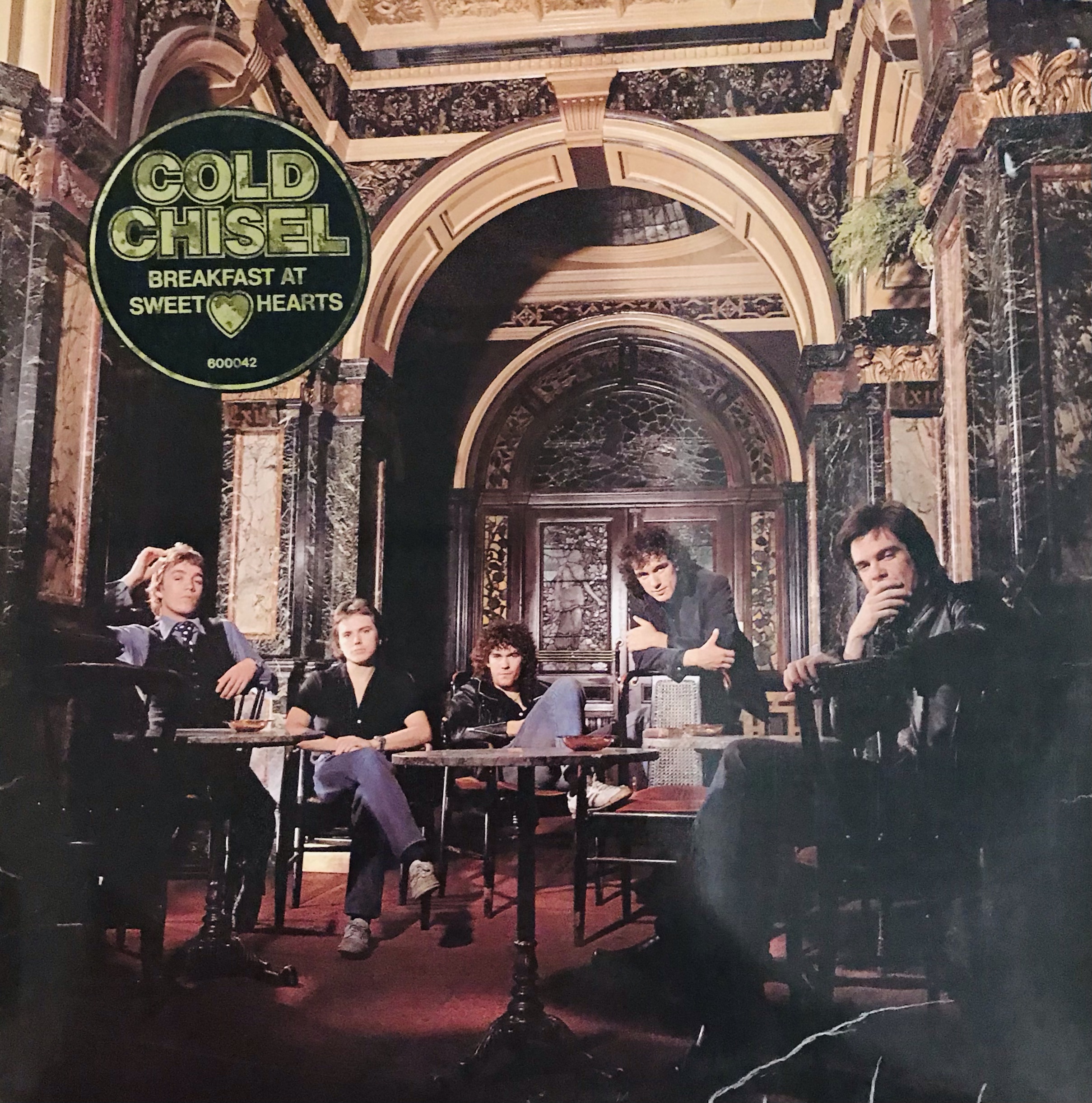
“Breakfast At Sweethearts” came in 1979.

I like the reggae influenced title track and the 12 bar blues of “Goodbye”. “Shipping Steel” has this feel good beat and a riff which is almost danceable. And “Merry Go Round” has a good riff, a fast beat and Barnesy delivering one of his high octane vocal melodies.

But the album is a product of a band touring and in between shows, put into a studio and asked to be creative.

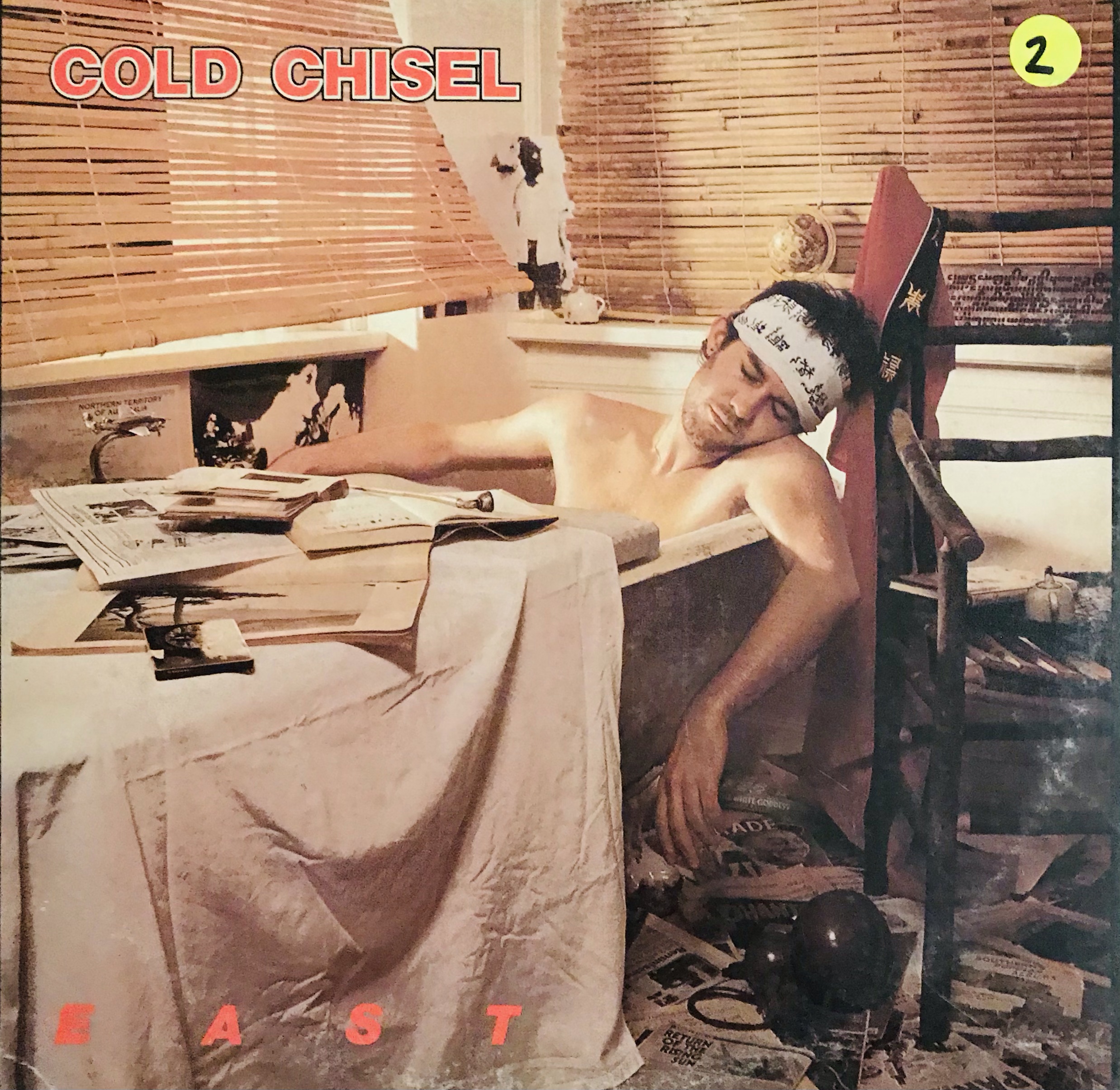
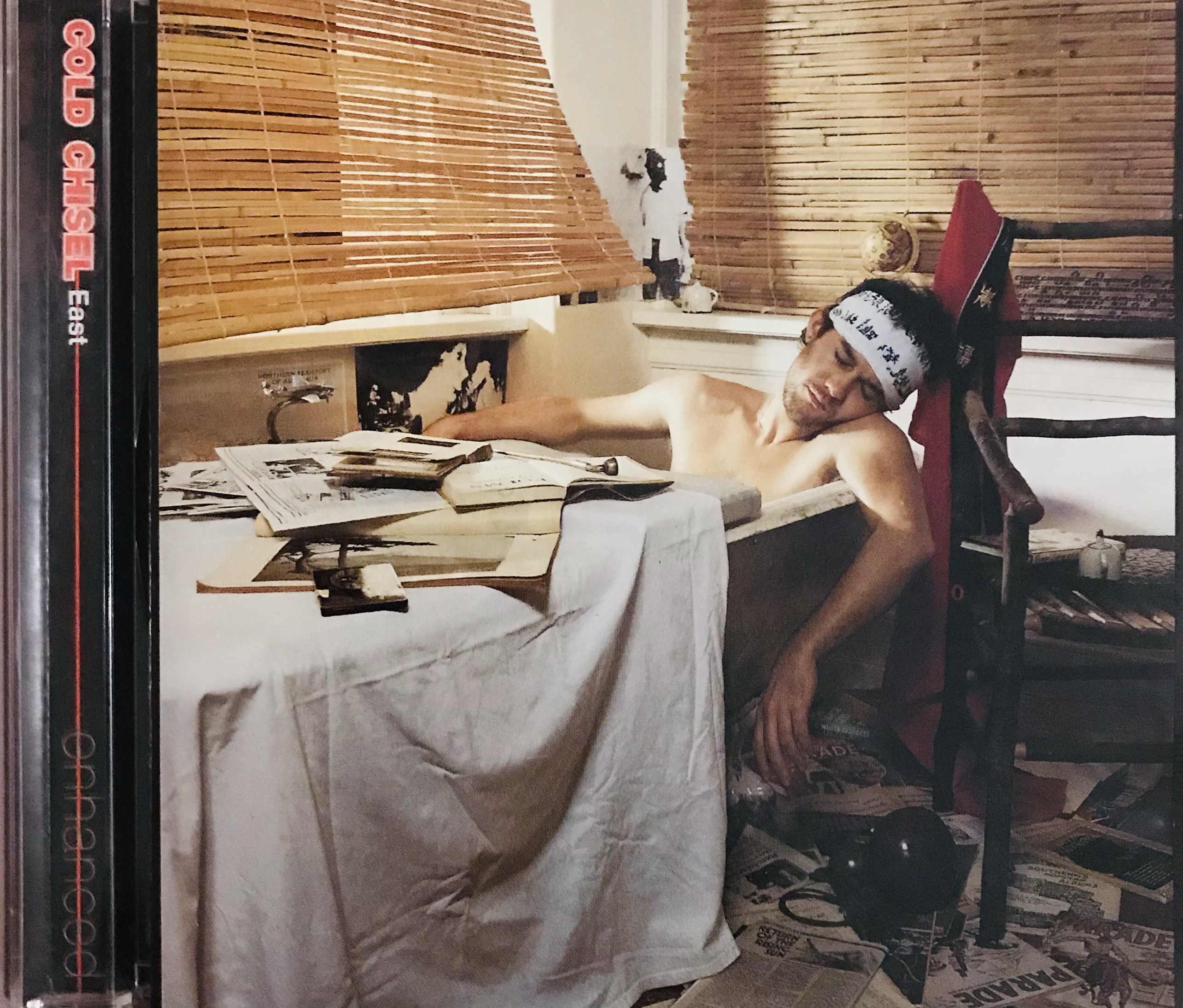
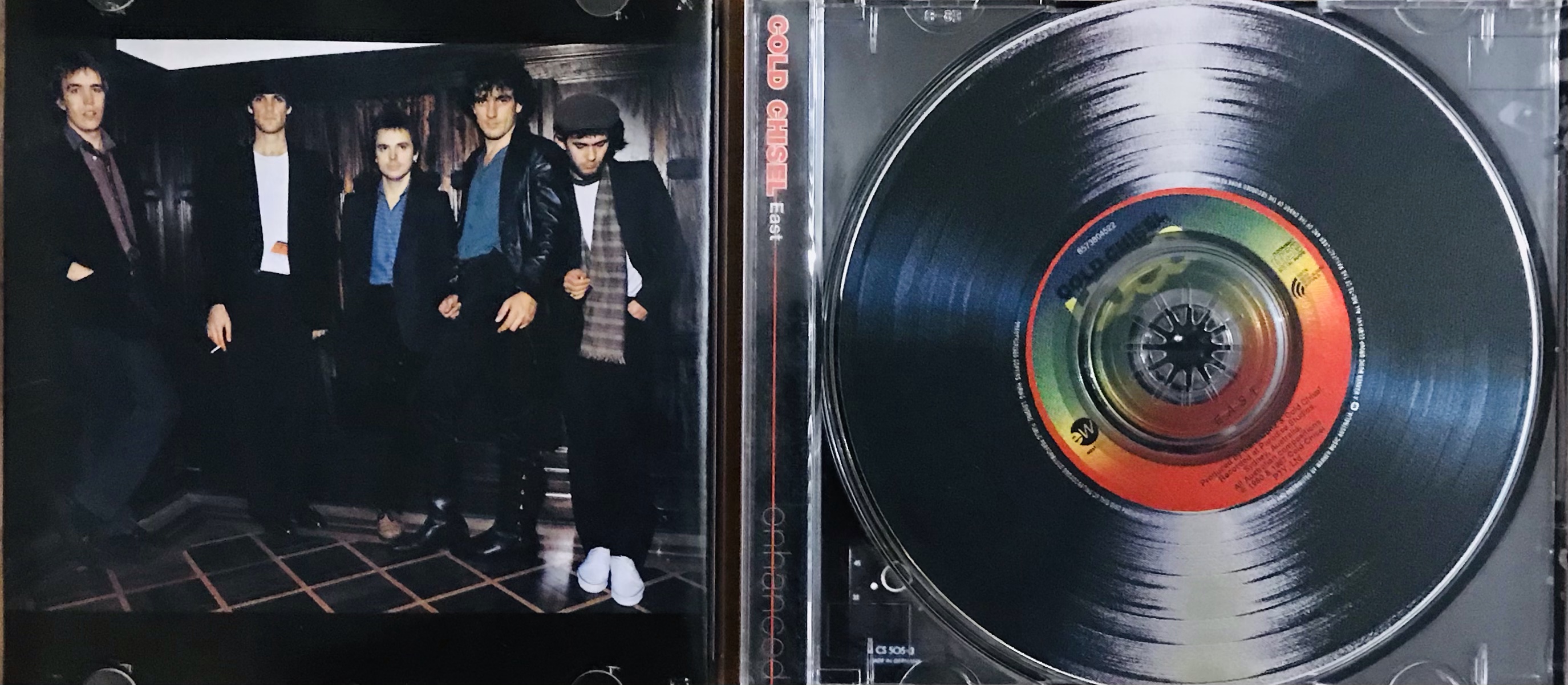
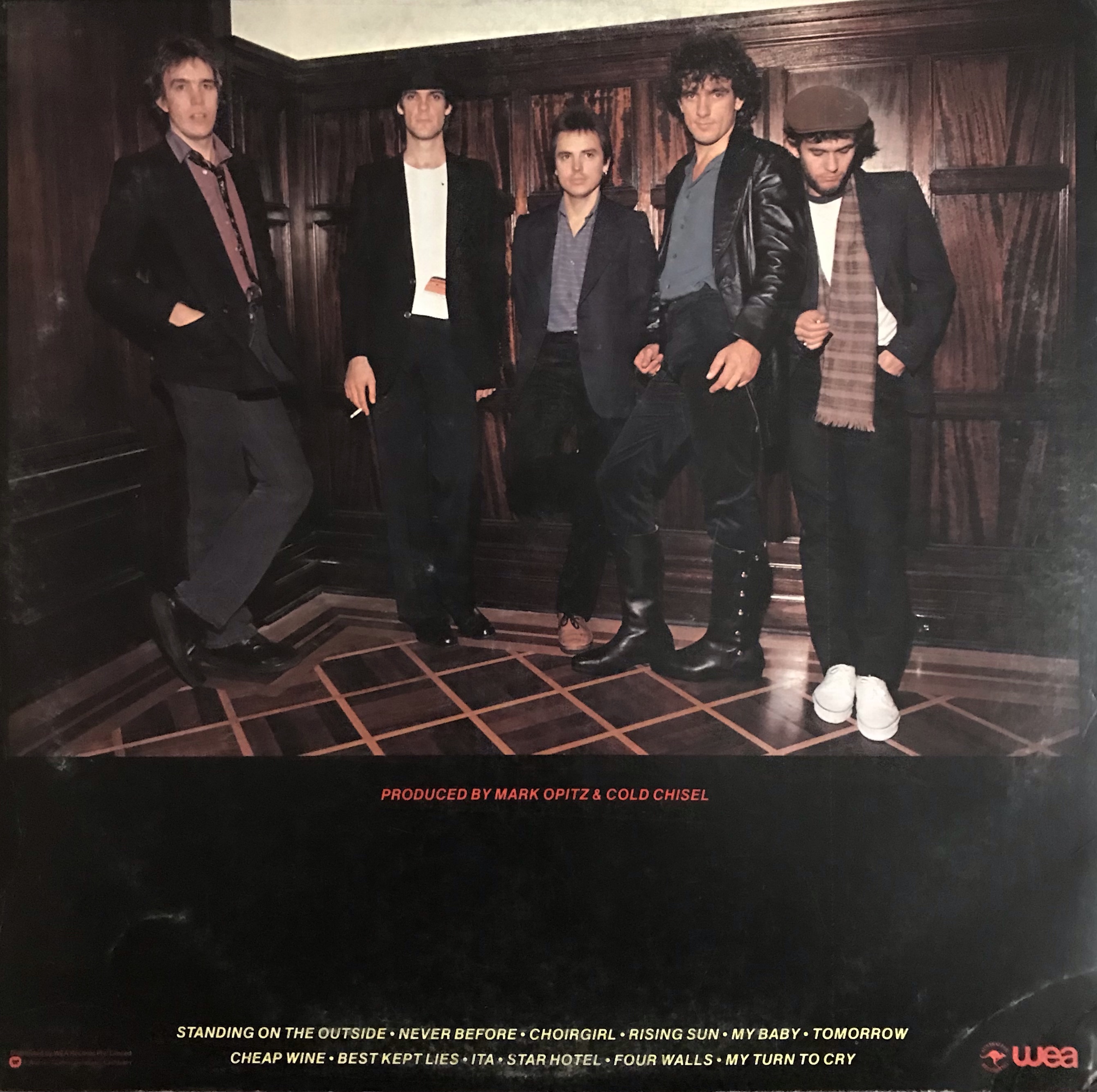
“East” is the third studio album, released in June 1980 and produced by Mark Opitz. By far their best.

I have it on CD and LP. My LP has a yellow sticker of 2 on it which means absolutely nothing, as the second hand store I got it from had it placed there.

“Standing On The Outside”, written by Don Walker kicks of the album in rocking fashion.

“No amount of work’s gonna buy my way to Freedom”

We have been sold the dream that if we work hard enough, we will be somebody. But that’s not the case for everybody. For every person who makes it, there are millions who don’t.
The themes of the “working class man struggling financially” would appear on a lot of songs from Chisel and even on songs when the members went solo. Because even though Australia is seen as the “lucky country”, it sure costs a lot to live in it.

“Never Before” is written by Ian Moss and its progressive, a fusion of so many different styles, almost Police like.

“Choirgirl” is a Don Walker cut and he writes about abortion and the rights of a woman to choose, which at the time was part of the national debate.

“Rising Sun” from Jimmy Barnes romps it’s way through the 12 bar blues as he references his brief relationship with his future wife which ended at the time when she went back to Japan, hence the lyric of the rising sun stealing his baby away.

“My Baby” from bassist Phil Small is my favourite. That vocal melody lead played on the guitar by Ian Moss during the intro deserves to be listened to.

The killer cuts continue with “Tomorrow”, which is another Don Walker track about a person who comes out of jail, can’t catch a break trying to make it legit and ends up on the wrong side of the law again.

“Cheap Wine” is a classic in Australia.

Cheap wine and a three-day growth

When you’re on the booze, tidiness and keeping appearances go out the window.

I’m sitting on the beach drinkin’ rocket fuels

Australia is surrounded by beaches and there’s nothing more Australian than going down the beach and having a few.

“Star Hotel” is written about the riot that took place on the night it was closing up for good.

And the most underrated star of the album is Mark Opitz. Finally the band had a producer who allowed them to do what they best, which is to play and he wanted to capture that live sound and energy on record. Bob Rock had the same ideals for the “Black” album from Metallica. The album sounded fantastic on any system or format.
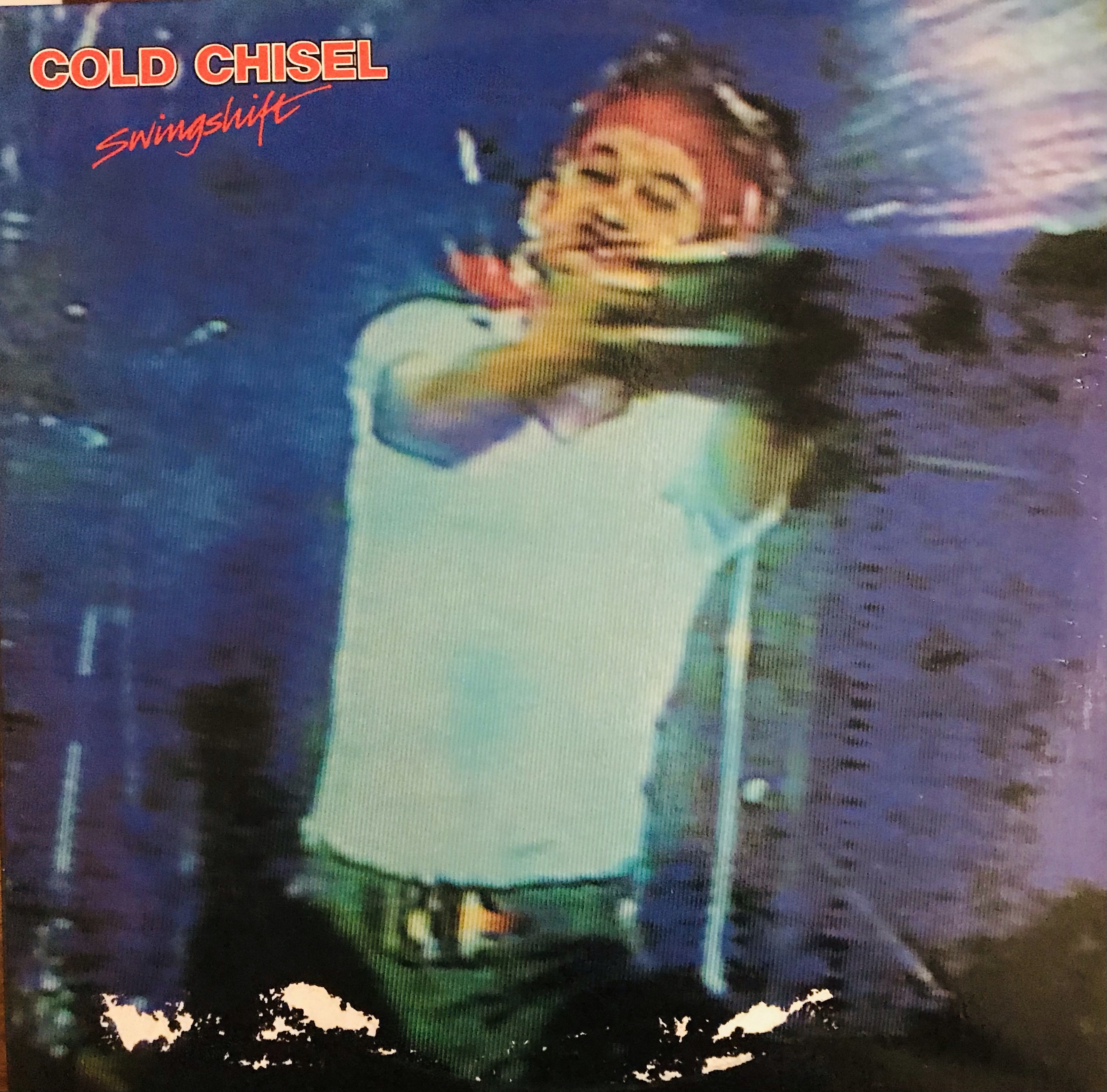
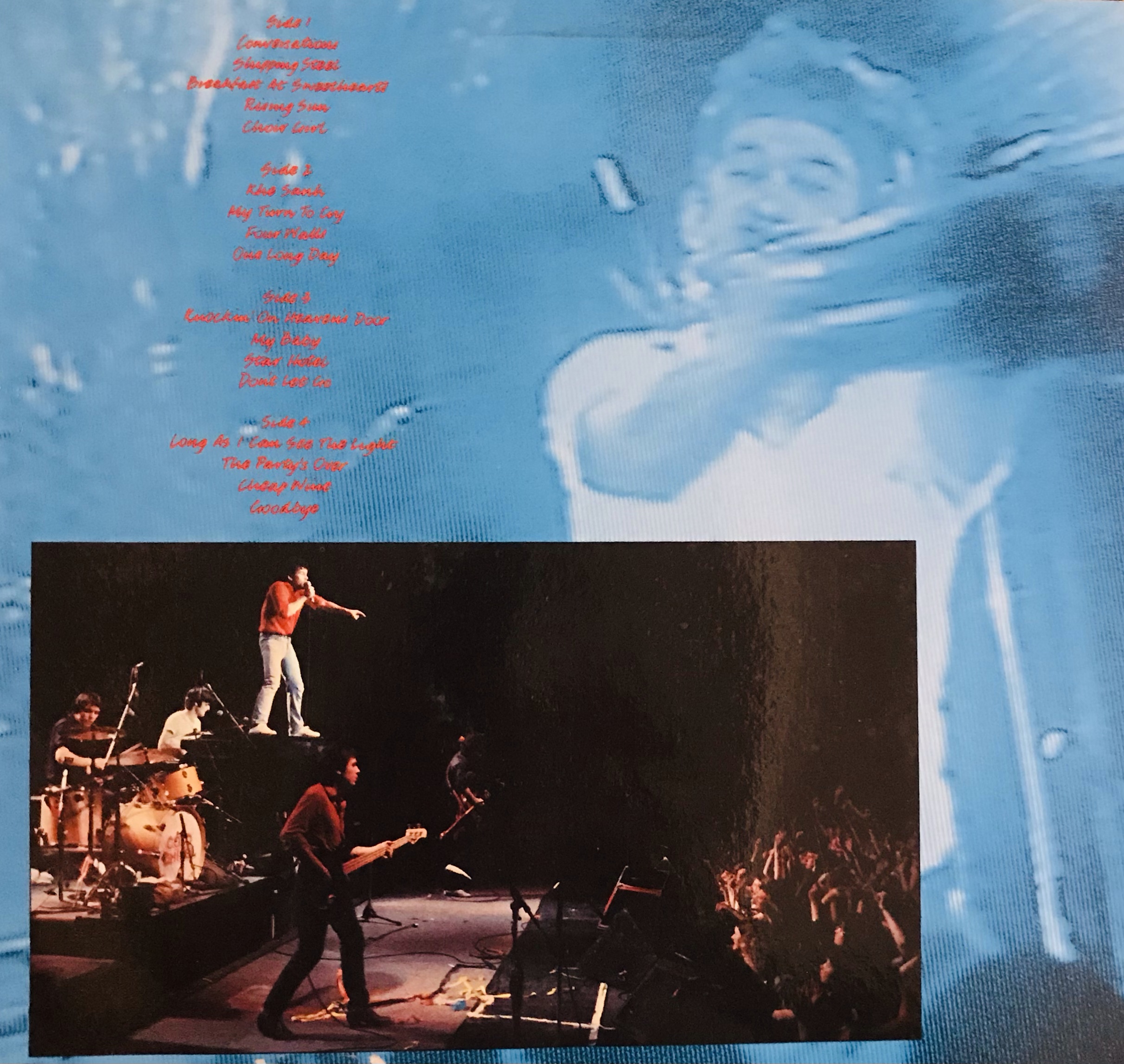
Then came a live album in “Swingshift” which captures the band in its domain. No studio overdubs here, however mixing it all in took 125 hours.
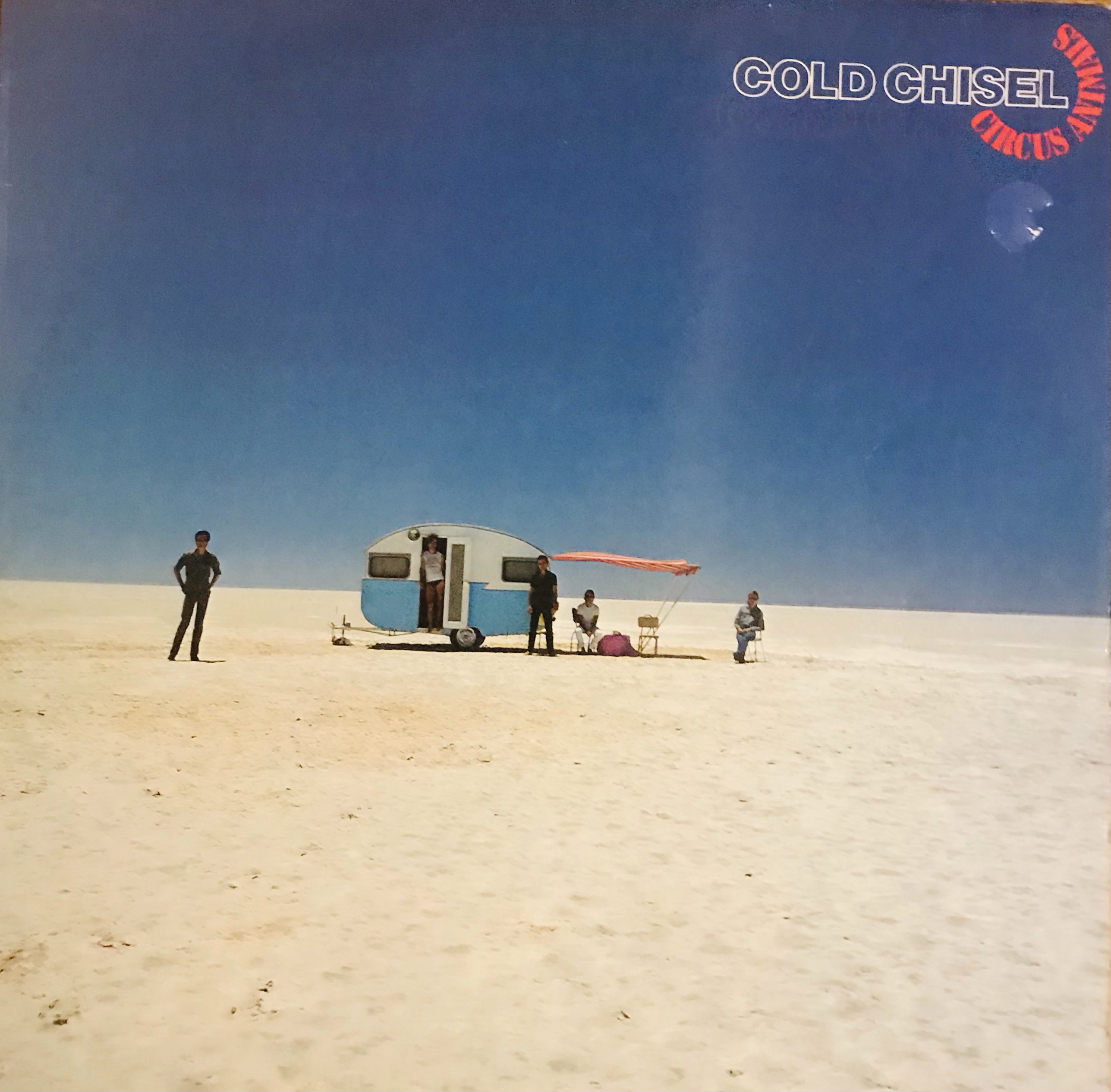
In 1982, “Circus Animals” was released with the angry and loud “You Got Nothing I Want” kicking off the album, which was Barnesy’s “fuck you” to a certain U.S label who showed no interest in them on their recent U.S tour.
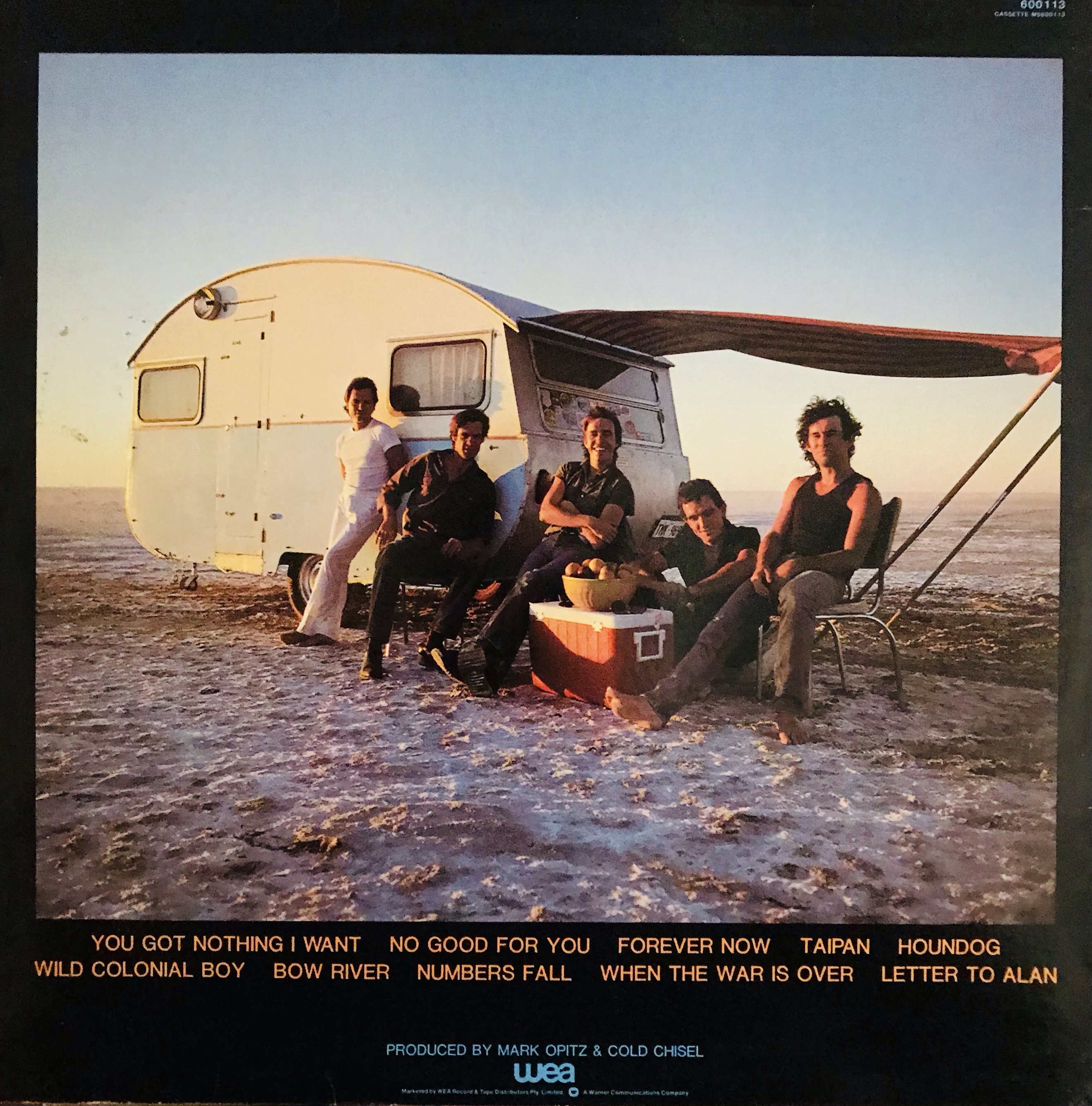
Then “Bow River” kicks off, with Ian Moss firing on the guitar and lead vocals. “Forever Now” (written by drummer Steve Prestwich) is more laid back with a pina colada type guitar melody.

I like the swinging “creeping in the night” blues groove of “Numbers Fall”.

And the piece d’resistance is “When The War Is Over” written by Steve Prestwich, the underrated songwriter of Chisel.

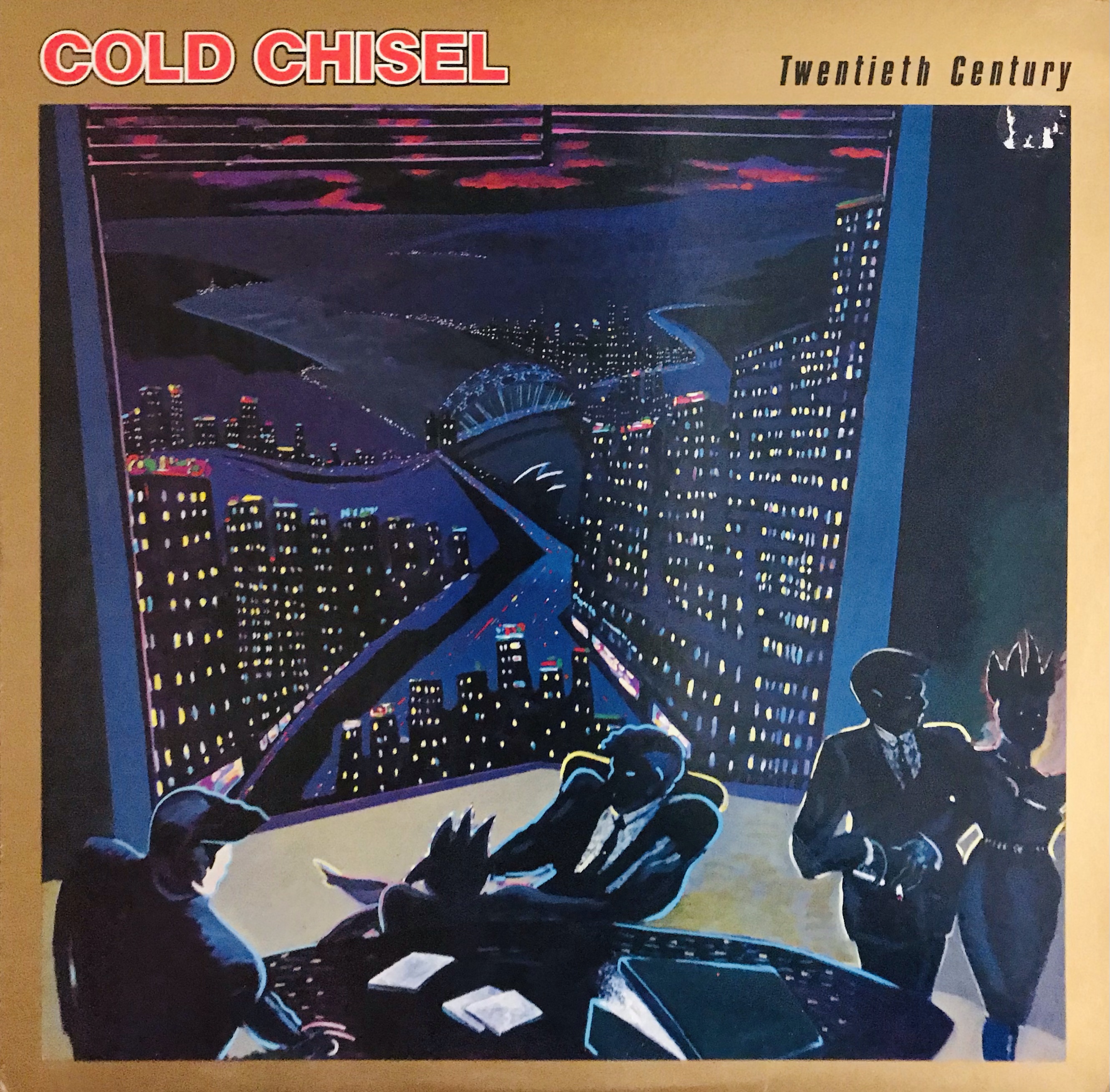
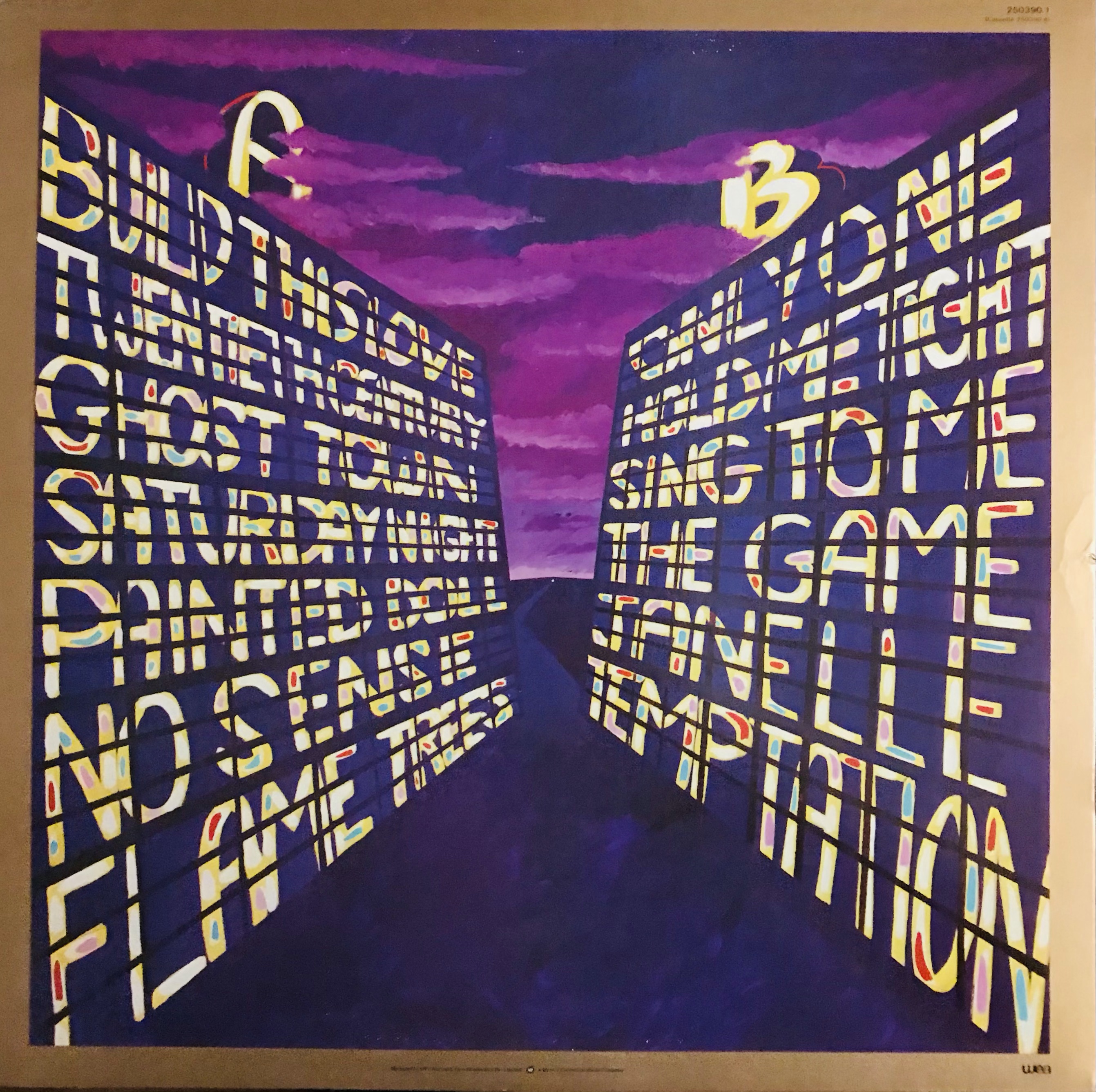
“Twentieth Century” is the fifth and final studio album until the group reformed in 1998. It was released in early 1984 and peaked at No. 1 on the Australian albums chart, their third consecutive album to do so.

The band had announced its intention to separate in August 1983, and by December had played its final shows months before the release of the album.

Barnes did the album on the condition that everyone receives an even songwriting royalty regardless who wrote the songs.

Pianist and main songwriter Don Walker called it a nightmare while producer Mark Opitz said he was there for the breakthrough album and the break up album and the breakthrough was much more enjoyable.

That doesn’t mean there are no good songs on it. “Saturday Night” is excellent and “Flame Trees” is my favorite Cold Chisel song which drummer Steve Prestwich wrote (with Don Walker). Prestwich wasn’t actually playing on the album because he was fired, however he was hired to do the Final Tour.

Confused.

So am I. It makes no sense.

“No Sense” is a Jimmy Barnes cut and its got an acoustic riff which is almost reggae like. But it still rocks. “The Game” written by bassist Phil Small and Don Walker is underrated and a great track.

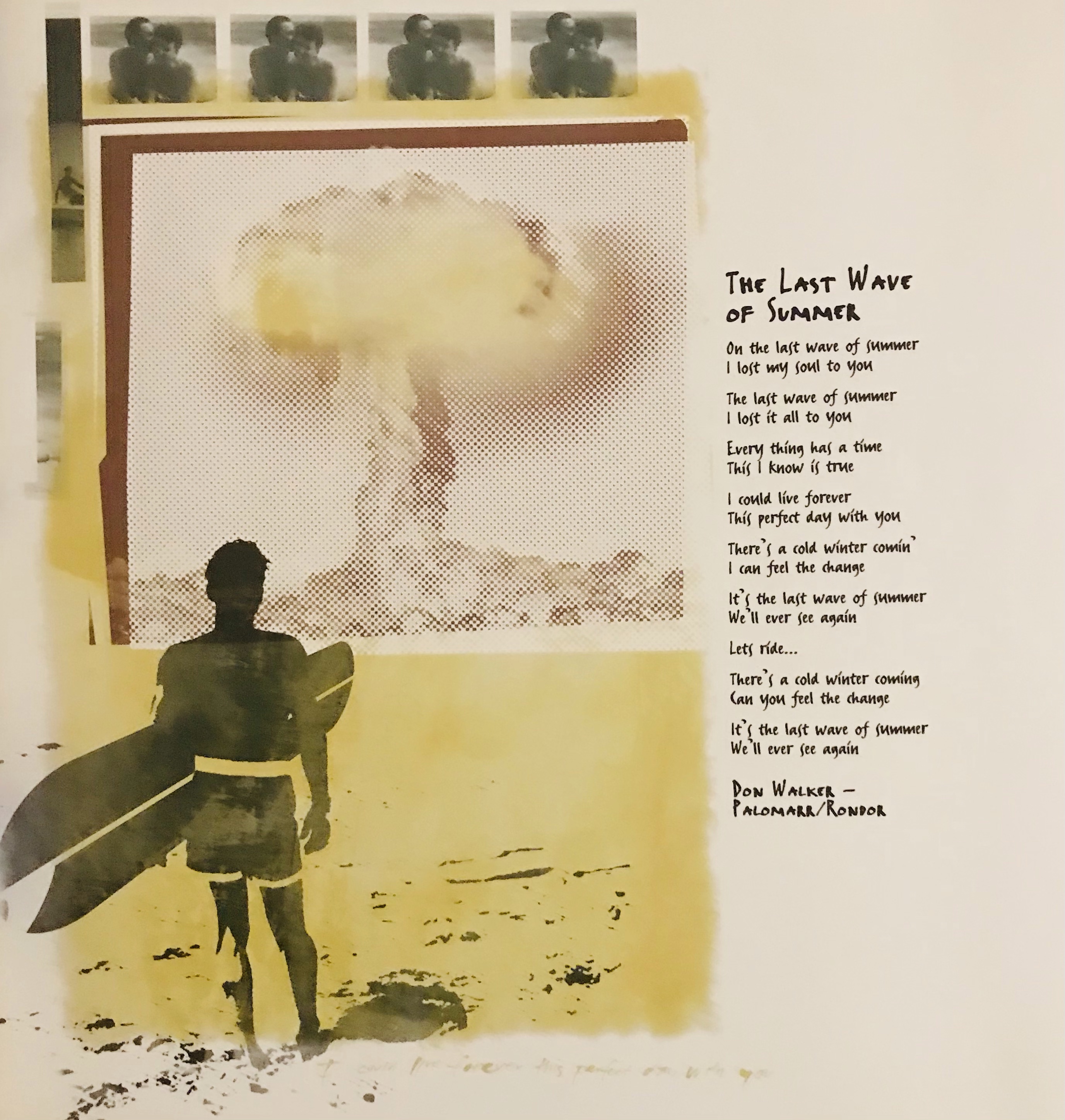
And the band was done until they reformed in 1998 and released the excellent “The Last Wave Of Summer” which I caught live.

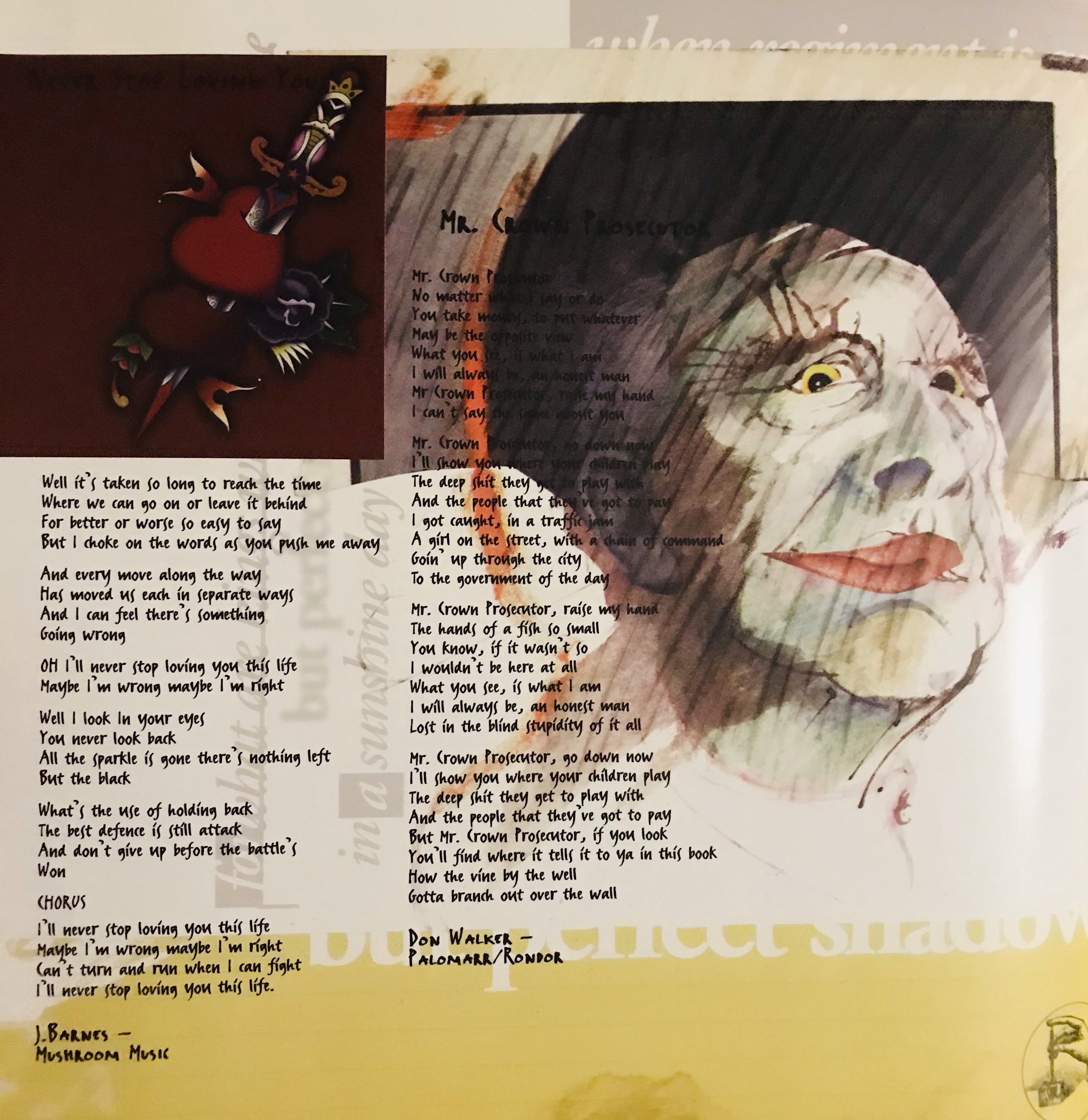
And the tour book is excellent with a bio, the story of the reunion and then each track from the new album has a page for the lyrics with some great art.

Standard