Remember the movie Blade Runner, released in 1982 and set in 2019. Well I guess we are now living in the future.
Anyway, moving on from useless facts, here is Part 3 of my 2019 list for albums released in 2019.
Hey You (You Make Me Rock)
When I Think Of You (Color Me Blue)
Trouble Is Your Middle Name
Flesh And Blood
Well I Never
Sands Of Time
Whitesnake
David Coverdale started writing songs on his own and revisited songs he wrote in the past for this album and it’s a welcome return, as the fans get a very diverse album, with some all-out rockers and shred feasts when DC collaborates with Reb Beach and Joel Hoekstra and some gritty blues rock gems when DC takes the reins himself.
And the stand out song is the epic sounding “Sands Of Time”, a co-write with the mighty Reb Beach and a lyrical theme of two lovers living in the same time in parallel worlds.
Purpose For Pain
Red Clouds
Scott Stapp
His career, both public and private always made the news. His baritone voice (more like Eddie Vedder’s voice) was so far removed from the helium banshee screams of metal vocalists like Bruce Dickinson and Rob Halford and I liked it.
I followed Creed because of Mark Tremonti’s guitar playing and I follow all of his works post Creed. And I also follow Scott Stapp’s career, as a solo artist and vocalist for Art Of Anarchy.
On this album, “Red Clouds” is the song.
These are the days we live in
Sliding, winding, finding our way through the maze
And the maze is more convoluted than ever because we are constantly distracted. It’s like the book “Rich Dad, Poor Dad”. The system is designed to keep us poor, and the world we currently live in is designed to keep us confused and distracted.
We Can Make It
Keep On Dreaming
Roulette
Another band from Sweden, with a very generic sounding band name which makes them very hard to find on Google.
These songs are from the “Now” album and they play a style of American Rock that even US bands cant capture at this point in time.
Rolling down the highway
We just leave it all behind
From the song “We Can Make It”. It was a rite of passage, to grow up and get your driver’s licence, as it gave you the passport to escape the borders of your town. Even if it was for just one day.
Cut It All Away
Rearview Mirror
Art of Dying
From the “Armageddon” album but the “Vices and Virtue” album is still my favourite and nothing they have done since has topped that album.
However, each album always has a few songs that get my attention, and these two are the ones from this album.
I will outrun the battle from within
The beginning of the end is to cut it all away
When we are left to our own devices, our own thoughts, we are different creatures. Some people never recover from the darkness, and some people just deal with it and some people seek help from it.
But you need to start somewhere and it starts with recognizing that a darkness exists.
What comes next is up to you?
Die Young (Acoustic)
Machine Head
An acoustic cover by Robb Flynn of a classic Sabbath/Dio era cut. It’s raw, its emotive and powerful all at once and it was released as a sort of pseudo B-side to a live re-recording of “Davidian”.
Robb Flynn also posted in June in one of his email blasts that the song on Spotify had passed over a 100,000 streams within a month of its release. And it all happened from people’s word of mouth and sharing it on our own playlists.
That’s the power of fans.
Watch Your Back
Black Oak County
From Denmark and so far removed from the 262 population of Black Oak a town in Craighead County, Arkansas. I guess you better “Watch Your Back”. (Yep, I know. Bad joke.)
Shutting Down Our Town
I’m In A Bad Mood
Jimmy Barnes
From the “My Criminal Record”. It’s a crazy world when one of my favourite rockers in the 80’s who lost me when he reconnected with his soul influences, drops one of his best albums since the early 90’s.
The song on the album is “Shutting Down Our Town” and it’s written by Australian country artist Troy Cassar-Daley.
This used to be a place where a man could find some work
Put together Holdens or a foundry job at worst
Australia was built on the backs of our steel and car industries.
Eat, sleep, work, drink, that’s all they ever did
And it was okay. People looked happy. It felt like we had each other’s backs. Then the kids grew up and we all moved out, into different towns and with neighbours we don’t even know.
Oh, they’re shutting down our town
They’re cutting down our town
No more production line blue collar can be found
For some people, they couldn’t get reskilled and ended up on the unemployment line.
Herded all together
From many different lands
Australia’s intake of immigrants changed the dynamics of the country.
Satellite
Cabin Pressure Drops
The Night Flight Orchestra
TNFO are building up to something, with two singles released over the course of 8 weeks. “Satellite” is your typical TNFO fare, a new take on an old sound, with heaps of melody and arena rock choruses, while “Cabin Pressure Drop” is an instrumental.
Can’t Sleep
Lay It On Me
Keep
Blacktop Mojo
From the “Under The Sun” album. I became a fan of this band when one of their songs came up on a Discover Playlist a few years back, and the new album, has a few good rockers on it.
That’s it for part 3.
Parts 4 and 5 to come.





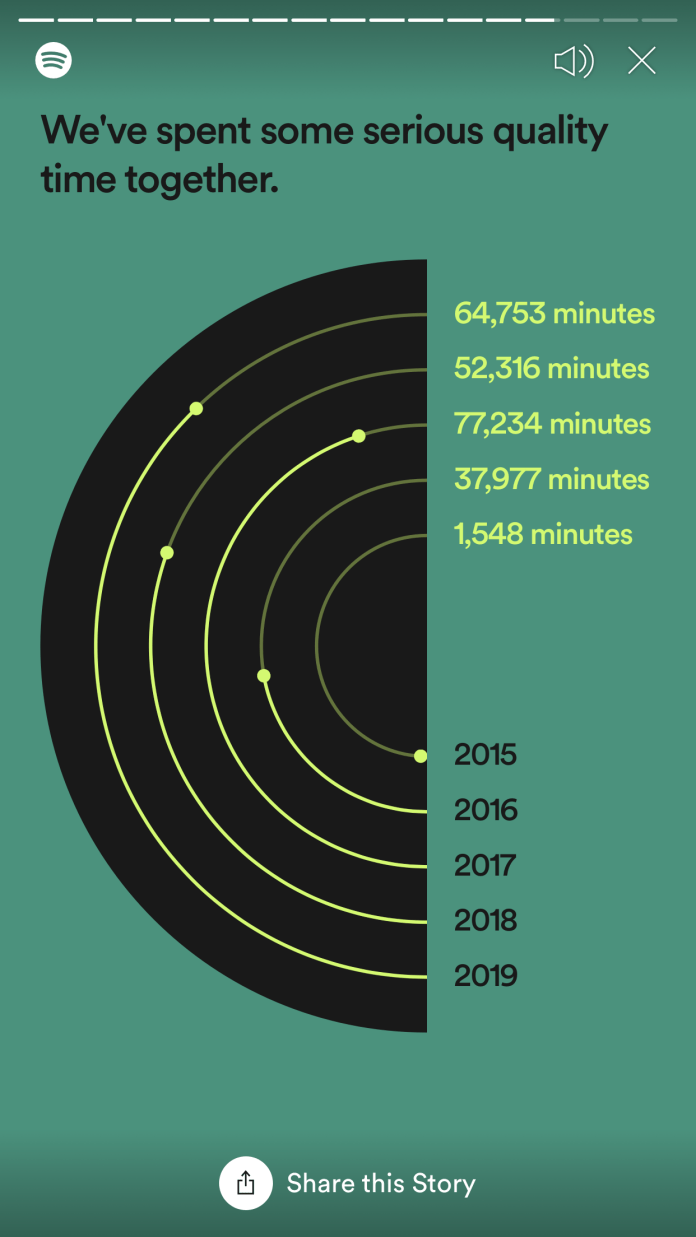
 And the best songs to me are towards the end of the album.
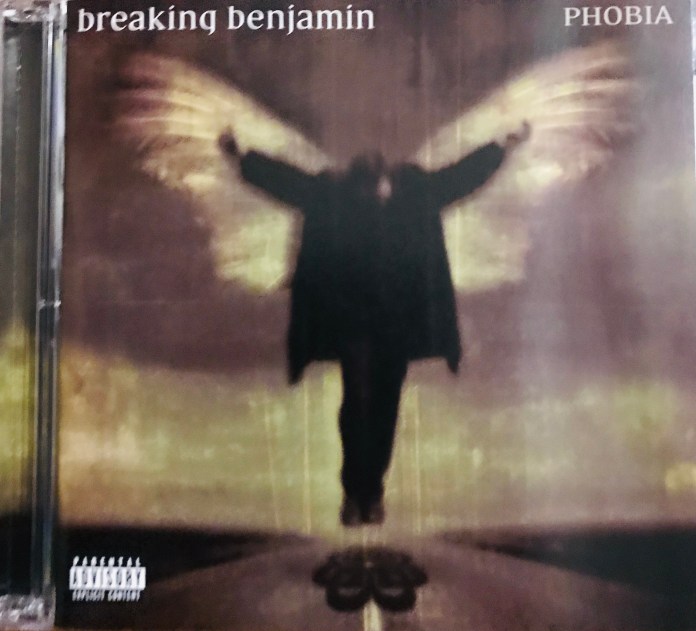
 The second album, released in 2004 and the sad ominous minor key intro of “So Cold” starts it all off, as singer Ben Burnley holds the so cold hand of an unnamed character. “Follow” rocks out of the gate with its staccato intro. “Forget It” soothes along. “Sooner or Later” brings the nu-metal flavour.
 “Breath” was the drug that hooked me in to Breaking Benjamin. And the album released in 2006 had a lot of good songs on it, like “The Diary Of Jane”, “You”, “Evil Angel”, “Until The End”, “Dance With The Devil”, “Here We Are”, “Unknown Soldier”, “Had Enough” and “You Fight Me”.
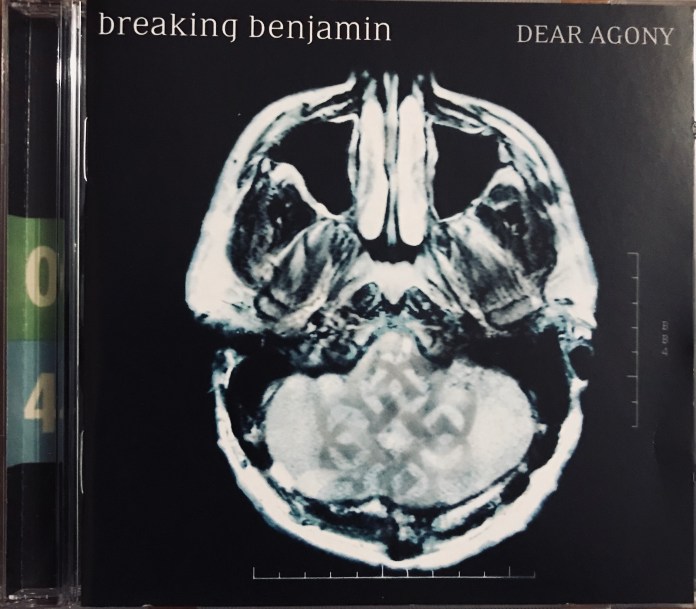 Released in 2009, with an image of Ben Burnley’s brain and it’s the last album before a long hiatus that involved a chronic pain condition to band founder Ben Burnley that is still undiagnosed and a court case between Ben Burnley, the record label and the band members who are now ex-band members over their involvement in a Greatest Hits release, without Burnley’s approval.
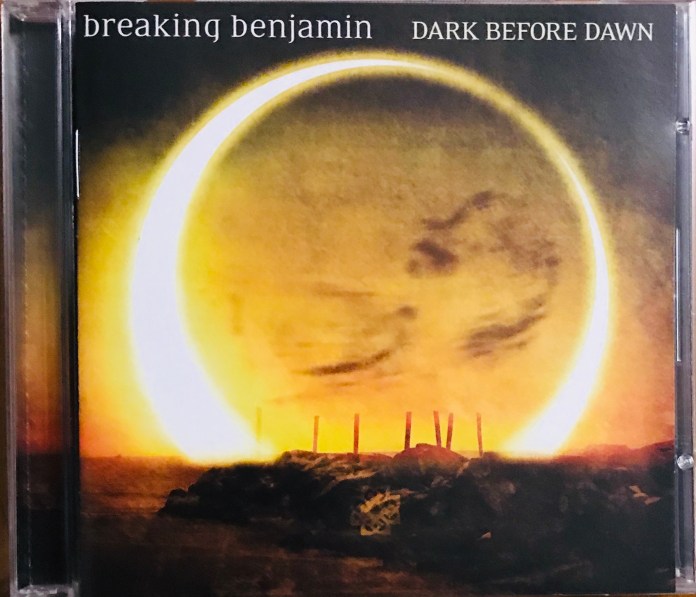 The comeback album released in 2015. And like the previous two albums, its taking what came before, made a few small tweaks and a new song is born.
