A to Z of Making It, Classic Songs to Be Discovered, Derivative Works, Influenced, Music, My Stories, Unsung Heroes

The Record Vault: Deep Purple – Stormbringer

“Stormbringer” came out about 9 months after “Burn”. In the space of a year, Deep Purple were busy writing and recording frequently.

What a novel idea.

Try and tell that to a lot of acts, who want to record an album every three to five years. And the usual argument of ‘no money from recordings’ doesn’t work, because even back in the 70’s, the acts were getting ripped off on the sales part. So they had to tour to make coin. Then again it was normal in the 70’s to release an album a year. It was expected.

The album cover also has a story, about a tornado in a U.S town during the 1920s which was photographed and added to the Copyright free archives, which allowed the image to be used.

And the same photograph was used for Miles Davis’ album “Bitches Brew” in 1970.
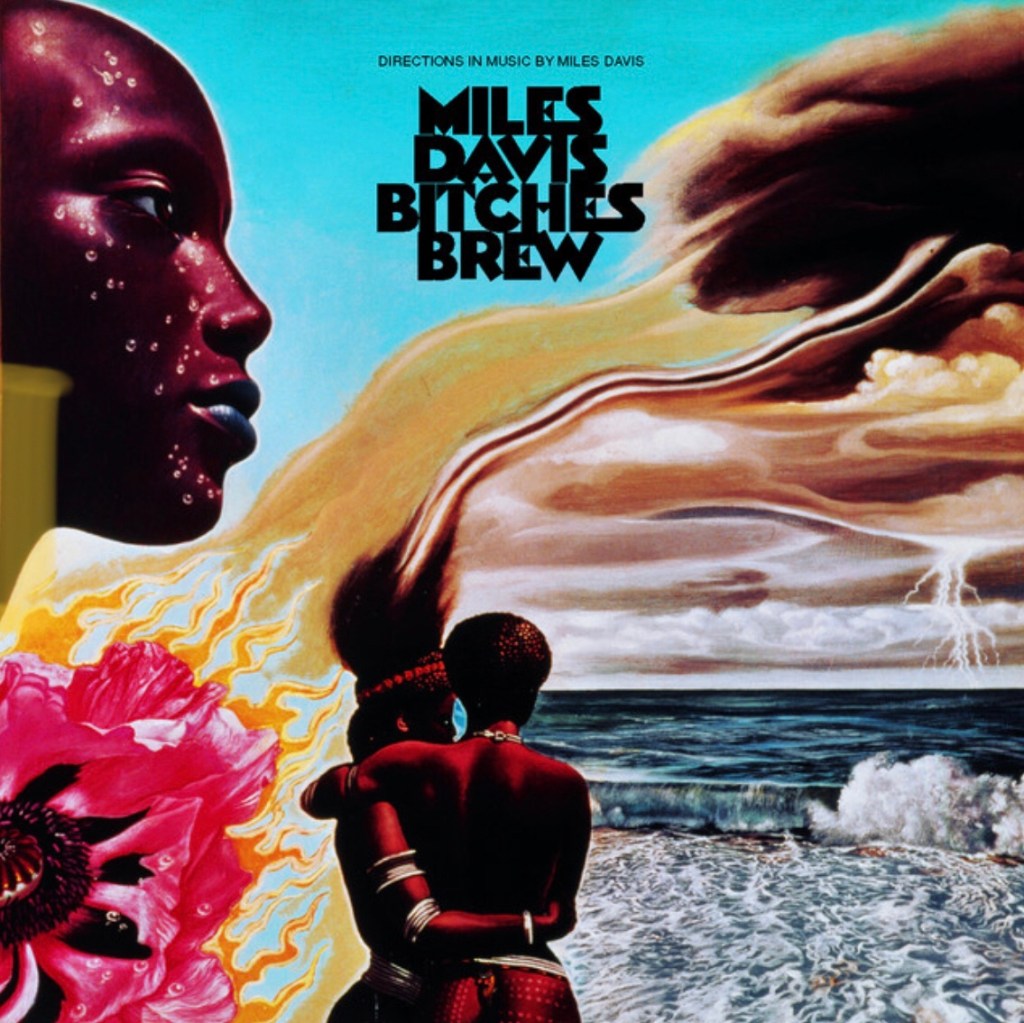
And Siouxsie and the Banshees’ album “Tinderbox” in 1986.

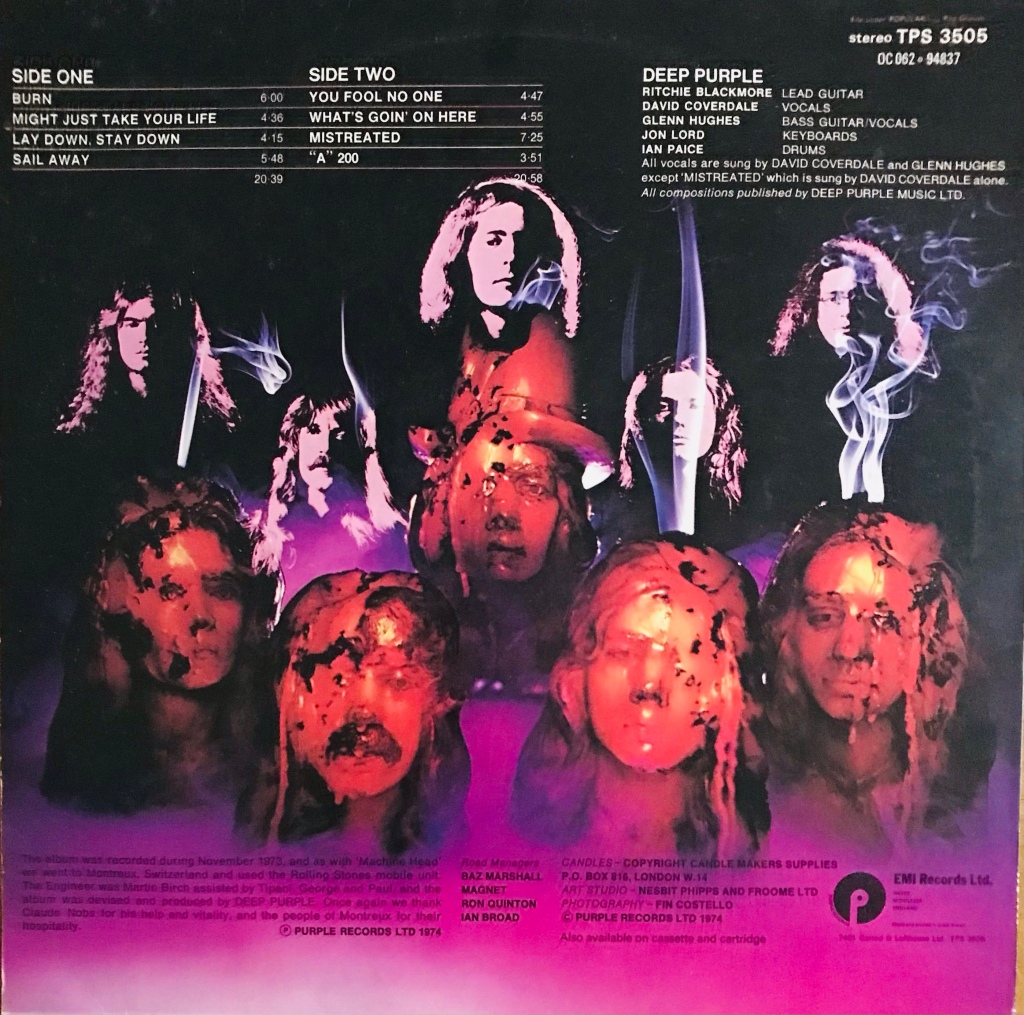
MK3 Deep Purple is Ritchie Blackmore on Guitars, David Coverdale on Vocals (except “Holy Man”), Glenn Hughes on Bass and Vocals (except “Soldier of Fortune”), Jon Lord on Organ and Keys and Ian Paice on Drums.

Its Produced by Deep Purple and Martin Birch again.

Stormbringer

Another thunderous opener written by Blackmore and Coverdale.

If there wasn’t a Heavy Metal movement before, well there was one now. By 1974, each major rock act like Led Zeppelin, Free, Bad Company and Black Sabbath had a heavy song or two on each album that young blue collared youths would take and run with to create even heavier tracks.

I like the exotic flavouring in the solo. It’s not fast, but goddamn, it sounds progressive.

Love Don’t Mean A Thing

Written by Blackmore, Coverdale, Glenn Hughes, Jon Lord and Ian Paice.

This is the whole funk blues soul jam that Glenn Hughes brings. In saying that, the riffs here work so well within the Deep Purple sound.

Holy Man

The Bad Company/Free brand of hard rock had caught on and suddenly Deep Purple was doing a cut that wouldn’t be out of place on the first two Bad Company albums or Free albums.

If the intro sounds familiar, it should, as it’s a common progression used throughtout the 70s, but it went missing a bit in the 80s and came back in the 90s.

I recall Motley Crue using it for “Misunderstood”.

And Blackmore was not the main writer anymore as this song was written by Coverdale, Hughes and Lord.

Hold On

The funk blues rock in the verses grooves and the Chorus is like Soul Rock Music. Blackmore again is missing from the song writing credits, with Coverdale, Hughes, Lord and Paice listed as the writers.

Coverdale and Hughes share vocal duties here and Blackmore brings out his rockabilly Chuck Berry licks which gives way to a Jon Lord solo.

Lady Double Dealer

It’s that fast blues rock that Deep Purple was known for and something that David Coverdale would do a fair bit with the early versions of Whitesnake.

There is a cool Blackmore solo as well.

You Can’t Do It Right

Play that funky blues music white boys.

High Ball Shooter

I like the Intro as it always reminds me of another song which I can’t thing off right now.

The Gypsy

The riffs on this are metal like, but the way Blackmore delivers em, it’s almost progressive like, with a fusion of blues, southern rock and metal like grooves.

Soldier Of Fortune

A great acoustic ballad to end the album, something which David Coverdale would recreate with “Sailing Ships”.

The long jam sessions from the past had disappeared. Replaced with a more structured song arrangement. It’s a bridge between this album and their next album.

Blackmore obviously didn’t like this new direction and left after the tour. And he wasn’t one to keep his thoughts to himself, so he publicly declared his dislike for the funky direction the band was taking and made it clear that was the reason why he left.

But Scandinavian Melodic Rock and Metal was being born with the MK3 albums as they did big business in Sweden, Norway, Denmark and Finland. Austria and Germany also liked this era, along with the UK, France and the U.S.

Check it out.

Standard
A to Z of Making It, Classic Songs to Be Discovered, Derivative Works, Influenced, Music, My Stories, Unsung Heroes

The Record Vault: Deep Purple – Burn

When a band loses members, no one really knows what would come next. Will the band break up or will they continue with new members?

When bands lose their lead singers, the uncertainty is even higher.

But when Deep Purple lost Ian Gillan and Roger Glover, Richie Blackmore stepped up even more to push the band forward. As far as Blackmore was concerned, he was the driving force behind the band and this grit and determination would lead him to find not one but two vocalists who would assist him in moving forward with the massive riffs he was coming up with.

“Burn” is the eighth studio album, released in February 1974, and the first to feature an unknown David Coverdale on vocals and Glenn Hughes, from Trapeze, on bass and vocals.

The album was recorded in Montreux, Switzerland, in November 1973, with the Rolling Stones Mobile Studio.

Deep Purple MK3 is Ritchie Blackmore on Guitars, David Coverdale on Vocals, Glenn Hughes on Bass and Vocals, Jon Lord on Keyboards and Ian Paice on Drums.

Production was still listed with the band as Producers and Mixers (but all they had to do was just say yes or no to the takes and mixes), with Martin Birch doing the bulk of the work capturing the sounds and actually mixing the album.

Burn

It owes some of its thought and structure to “Highway Star” as the DP guys wanted to have another high energy song to open the show and new album with.

It also has structured organ and guitar solos like “Highway Star”, around Bach like sequences which Lord and Blackmore worked out.

Coverdale mentioned in the “The Purple Album Track By Track”, that “Burn” was the first song that he started working on with Richie Blackmore, which he called sounded like “Symphonic Rock”. He also wrote four different lyrical versions for the song, with the Sci Fi version being selected by the guys in the band as the one to use.

David Coverdale loved the riff so much, that “Children Of The Night” from the 1987 self-titled album was the result. I would add that part of “You’re Gonna Break My Heart Again” also has some of the “Burn” feel.

And as good as all of the riffs and solos are, Ian Paice behind the kit, just brings the power and the pace. As soon as his drums come in, the foot is tapping and the head is moving.

It’s my favourite Deep Purple song which gets performed at Whitesnake or Glenn Hughes or Yngwie Malmsteen concerts instead of Deep Purple concerts because of the singers.

Might Just Take Your Life

The Jon Lord organ riff to start it off is from “Woman From Tokyo”.

Jon Lord was the primary writer for Deep Purple on the first couple of albums until Richie Blackmore had enough and started to become the primary songwriter from “In Rock”.

The melodies came from a relaxed jam session that Coverdale and Lord were having.

Overall it’s got that British blues rock feel.

But press play to hear Coverdale and Hughes harmonize in the Chorus.

Lay Down, Stay Down

It’s got that blues rock feel from the “Who Do We Think We Are” album and that sound and riff is something that Blackmore would come back to with his Rainbow project.

Ian Paice again showcases his drumming abilities.

Sail Away

Its got that “Superstition” and “Play That Funky Music” funk rock groove that Blackmore came up with.

Its sung by both Coverdale and Hughes however both could have done the song justice if only one of em just sang it.

This song and “Mistreated” sums up what Coverdale brought to the Purple sound on this album.

Press play to listen to the funky bass playing from Glen Hughes. Hughes was also a co-writer, but he wasn’t credited due to being tied to another recording contract at the time.

The 30th Anniversary release fixed that.

You Fool No One

Coverdale and Hughes doing dual harmonies.

Ian Paice also showing his love of John Bonham and coming up with a definitive drum groove which formed the basis of the track for Blackmore to build on.

The middle solo section is almost Jazz Rock fusion, progressive like.

Press play and just enjoy.

What’s Goin’ On Here

A fun blues song based around a Jimi Hendrix song called “Highway Chile”.

Mistreated

It’s listed as being written by Blackmore and Coverdale.

Coverdale (who calls himself a “Domestic Guitar Hero) wrote a riff on Blackmore’s White Strat, in the Crypts of a Castle they were rehearsing at and when Blackmore heard it, instead of playing the riff with the Coverdale chords, Blackmore played the single notes.

And “Mistreated” was born.

And that opening vocal “I’ve been mistreated” is iconic.

This version is my go to version but on the Purple album from Whitesnake, Reb Beach takes the solo spotlight and creates a fresh and emotive blues shred lead.

A’ 200

An instrumental.

Coronarias Redig

It’s a B-side and if no one had heard it in the 70s, it appeared on the “30th Anniversary Edition” as a bonus track.

It’s a blues Rock song but those Hammond Organ chords give it a soul gospel feel.

And press play to hear Blackmore’s leads.

In Australia, the M3 version of DP went to number 5 on the charts. In Austria, Denmark, Germany and Norway it went to number 1. In Canada, Holland, Finland, France, UK and US it was a Top 10 album.

In other words people liked it.

Standard