Classic Songs to Be Discovered, Derivative Works, Influenced, Music, My Stories, Unsung Heroes

1985 – Part 12

I was always on the lookout for bands that were not part of the mainstream magazine press when it came to metal and rock music.

Waysted – The Good The Bad The Waysted

It’s Pete Way from UFO but Paul Chapman on guitars steals the show. His riffs and leads are excellent. Fin Muir on vocals has a bit of UDO in his style and the grit he brings, works.

“Hang Em High” brings the heavy blues rock to the 80’s with a bit of a George Lynch style inspired verses. The vocals bludgeon their way and it’s the perfect anti-hero to the MTV stars of the day.

“Hi Ho My Baby” delivers the classic rock sound of the 70’s, more Free like, but people would say it’s more like AC/DC.

“Heaven Tonight” takes a bit of Journey from the piano department to deliver the songs foundation, but the song rocks away for a ballad, with a Rod Stewart like vocal and Chapman on guitar delivers the riffs and the melodic leads.

Check out the arpeggio intro to “Manuel” and when it kicks into overdrive, its melodic rock heaven and the last 90 seconds is a section which reminds me of the piano riff in “Love To Love” and the guitar solo. It’s perfect, allowing UFO to influence the new.

“Rolling Out The Dice” sounds like a song The Cult would write in a few years’ time.

“Land That’s Lost The Love” could be one of the best UFO songs that didn’t appear on an UFO album. Chapman delivers a verse riff straight from the gutters of the Sunset Strip, but the Chorus, is classic UFO, a vocal melody which is catchy over a guitar melody. Make sure you check out the lead break from Chapman.

Overkill – Feel The Fire

I liked the logo as it was a tweak on the Iron Maiden font. But I never got any of their stuff in the 80’s because my budget was limited, they virtually got no promotional push in Australia, which meant their albums wouldn’t be in stores and they had a lot of competition.

“Raise The Dead” is pure speed metal. The band is labelled as one of the earlier thrash pioneers, but thrash is a generic term.

Check out the main verse riff and see if you can name the song that inspired it?

“Rotten To The Core” blasts out of the gate like “The Four Horsemen”. A classic and still part of their live show today.

Check out the lead break to “There’s No Tomorrow”. Its guitar hero worthy from Bobby Gustafson.

“Hammerhead” has a riff in it, that Metallica would use on “Disposable Heroes”. And the lead break again from Gustafson is shred’a’licious. The title track “Feel The Fire” is another favourite. It’s got riffs and leads and it will get you playing air guitar. There is a section which is almost “Over The Mountain” like.

Nasty Savage – Nasty Savage

It’s funny how metal musicians got labelled as drunks, drug takers, anti-social and what not. But everyone seems to forget that most of the musicians of bands who had deals but never made it big were serious players.

Nasty Savage live in some weird world of speed metal, hard rock and technicality.

1985 was probably the last year when genres didn’t matter and artists incorporated so many different musical elements into their music. Afterwards, labels would hear bands like Nasty Savage and tell them to change their style to suit a genre which they created and could market.

On Metal Blade, signed by Brian Slagel after their 1984 demo “Wage Of Mayhem”, started doing the rounds on the underground circuit.

“No Sympathy” has this dramatic ominous symphonic music for 50 seconds, before the intro riff kicks in. It’s more technical than the speed metal of early thrash metal. Mercyful Fate comes to mind immediately.

“Gladiator” is more of a hard rock tempo, with a head banging riff. Vocally, Nasty Ronnie is more theatre like, mixing, King Diamond falsetto’s with baritone chainsaw barks. If you like polished hard rock style vocals, then this isn’t for you.
I read a live review in which Nasty Ronnie even smashed a TV set on his head.

At 2 minute the song changes feel before it moves into the solo.

Other tracks are “Fear Beyond the Vision” (listen to the ball busting falsetto’s in the Chorus) and the garage sounds of “Metal Knights”. Check out the lead break in this one. Guitarists Ben Meyer and David Austin have shown, four songs in that they are ambitious and progressive in their song writing.

“Dungeon Of Pleasure” has a great intro riff. “Psycopath” has an intro which is just bass and drums before the harmony melody of the guitars comes in. And then it goes into this demented and chromatic riff.

Lizzy Borden – Love You To Pieces

I judged Lizzy Borden on their logo that they would be like Venom. I know it’s a terrible comparison. So when I pressed play and I heard the hard rock and heavy metal riffs with a vocal style which was more hard rock than anything, I was like goddamn, I’m never judging things by their cover again.

Lizzy Borden is maybe the pre-cursor for Ghost.

Check out tracks like “Council For The Cauldron” for the Iron Maiden like riffs and the melodic lead breaks.

“Psycopath” has this “Friday On My Mind” style feel, just a bit more metal like and some extra additions to make it different. “Love You To Pieces” is a heartfelt ballad about you know, ripping up your loved one into pieces.

And the piece d’resistance is “American Metal”. It more or less sums up the different types of guitar riffs from the metal bands. There are riffs influenced by EVH, Rhoads/Lee, Crosby/DeMartini and Tipton/Downing.

220 Volt – Mind Over Muscle

I heard these guys well into the first 2000’s decade. I really like their merge of early Scorpions, NWOBHM and acts like UFO, Deep Purple and Rainbow. Think of how Europe sounded on their first two albums before “The Final Countdown” merged with Malmsteen’s metal opus “Marching Out”. It’s melodic, its metal, its rock and it works.

This album continues the great work set up on their self-titled debut in 83 and its follow up, “Power Games” in 84 and the song “Power Games” appears on this album and its one of my favourite tracks on this album.

Stand out tracks apart from “Power Games” are “Electric Messengers”, “Secret Dance (Xymania)”, “Blessed By The Night”, “Halloween” and “Mind Over Muscle”.

Crank it and check out the guitar playing.

Faith No More – We Care A Lot

How good is that bass and drum groove from Billy Gould and Mike Bordin to kick off “We Care A Lot”?

Then the keys from Roddy Bottum come in and Mr Jim Martin brings in riffs, here and there to decorate. Vocalist Chuck Mosley does his street rap and street singing style which works for me, over the progressive song structures created by the rest of the band.

Then Mr Martin wrote a nice acoustic classical/flamenco piece called “Jim”.

“Why Do You Bother” also has those drum and bass grooves with the keys over it, which makes the unique Faith No More sound.

“Pills For Breakfast” has a metal like riff and groove which gets me to pick up the guitar and learn it. They didn’t have time to write lyrics. So the music takes it away. And tracks like “As The Worm Turns” and “New Beginnings” have some great musical moments.

And this brings to end the 1985 series after 12 posts. I am off to the year 2000, for the thirteenth and last post of that series.
Standard
Copyright, Music, My Stories, Piracy

The Week In Destroyer Of Harmony History – February 13 to February 19

4 Years Ago (2017)

It was busy during this period as I got my mojo back for writing.

I started writing a series of “Score Card” posts a few years before this and within three years I rechecked in with some of the artists I wrote about to see what was happening with them.

Because three years in the music business is a long time.

Bands like Vanishing Point, Harem Scarem, Rev Theory, Adrenaline Mob, Lizzard, Thirty Seconds To Mars, Audrey Horne, Stryper, Nonpoint, Breaking Benjamin, Sound Of Contact and Kingdom Come all got mentioned.

I wrote about how fast we move on to other things. The BlackBerry was “the phone” with emails and phone capabilities and then iPhone’s launch with apps in 2007 changed the game.

People wanted to do more with their phones and that more came from apps which put tools into the hands of their users. Developers and companies rose up all around the world, to create apps for the iPhone. But they couldn’t do the same on the Blackberry.

In 2007, Blackberry was number 8 in global smartphones sold. By 2017 it had zero market share. The speed at which people abandon one thing and move on to another is huge. Remember MySpace. Remember Yahoo. Remember dot-matrix printers. Remember film cameras.

The Pirate Bay (TPB) was about to turn 14 years this year. From its inception, it was a facilitator, spreading the disruption caused by Napster years earlier to even larger audiences. It showed the entertainment industries how they needed to change.

But they didn’t change and it took companies like Netflix and Spotify to make this happen. And they did it by using the same technology made famous by The Pirate Bay. While Netflix realised that the money is in producing your own content, Spotify and other streaming providers have not.

Licensing content from someone is not a satisfactory business model. Just ask HBO, formerly known as Home Box Office. Their early business model was all licensed content and they lost money year after year, while the movie studios got richer. It wasn’t until HBO went into original content, that they started making some serious cash.

TPB stood strong against the pressure put on it by the MPAA and the RIAA and their sister organisations throughout the world. It has stood firm against government officials (loaded up in lobbyist dollars) trying to prosecute it. It was taken down, raided and it still survives. And it keeps on innovating even when court orders become the new normal, requesting ISP’s to block the web address or domain registries to deny any applications for TPB domains. Even in it’s home country of Sweden, court appeals and cases are still ongoing. Google was even pressured to alter (in my view censor) its search algorithm, so TPB doesn’t come up.

But TPB is still alive. It has become a vessel for people to access content they normally wouldn’t have access too. In the process, it has made the world a better place.

Metal music in general has grown to all corners of the world. Suddenly, every country has a metal scene and the larger metal bands that have the means to tour are suddenly hitting markets they’ve never hit before.

The high rates of software piracy in Eastern Europe caused an IT skills explosion.

The high rates of music creation software piracy led to the electronic dance explosion coming out of Europe.

The Pirate Bay spread via word of mouth. It didn’t embark on a scorched earth marketing policy. Maybe there’s lessons there for all.

And I went down memory lane for a post called “In The Name Of Metal”, writing about the record shop days and how all the bands I like got labeled as Metal.

If you wanted to find their music, you had to go to the heavy metal section of the record shop. Even Bon Jovi could be found in the metal section.

And I wrote about Metal history and how it was to be a metal fan, in the 80s.

8 Years Ago (2013)

The labels were trying to destroy radio by getting it to pay more. And if listeners went to streaming services, that would be okay for the labels because they get most of the streaming money, pus they have a percentage stake in these organizations.

I was cranking the Journey catalogue and I couldn’t resist not writing about how similar “Seperate Ways” and Measage Of Love” are similar in the Chorus.

I went 2000 plus words on a Mane Attraction review from White Lion that covers some back story, the year 1991, the competition, some hindsight views from artists after 1991 and the album review itself.

And what it means to be the main songwriter in a band and other band members wanting a songwriting credit for doing sweet fa.

And finally I was pissed about CDs.

Lyric booklets became non existent and if they did come with lyrics it would be something like fitting the lyrics of 12 songs on two pages.

We still had those stupid FBI Anti Piracy Warnings.

Did the labels and the FBI seriously believe that these labels work or deter people from piracy?

You couldn’t even skip those ads on DVDs.

Well that’s my DoH history for the week?

Standard
Classic Songs to Be Discovered, Derivative Works, Influenced, Music, My Stories, Unsung Heroes

Thunder Bay Down Under Summertime Spin Series – The Angels

Here is the usual prologue.

My blogger pal Deke over at Thunder Bay had a cool Northern Hemisphere Summertime Series between July and August.

Each week, he wrote about albums he spun during the summer.

Well, the real Earth summer is between December, January and February in the Southern Hemisphere.

So the good act that Thunder Bay is, boarded a Qantas plane, landed in Sydney, survived 14 days quarantine in a Sydney hotel and is finally here to present the “Thunder Bay Down Under Summertime Series”.

I’m sure you’ve all heard their song “Am I Ever Gonna See Your Fave Again”. If you haven’t the live version of the song has the following words;

Am I Ever Gonna See Your Fave Again
No way, get fucked, fuck off

It came out in 1977, but it really became it’s own beast in the 80s and when it appeared on their live album “Live Line” released in 1987, it’s legendary status within Australia was certified and it re-entered the charts.

Their earlier albums had production from Young and Vanda. The same dudes who worked with AC/DC and the same dudes from The Easybeats and of course George Young is the older brother of Angus and Malcolm.

After the success of “Live Line”, the Australian market was primed for a new album.

“Beyond Salvation” was released in Australia in early June 1990 and reached No. 1 on the ARIA Albums Chart.

The first single “Let the Night Roll On” came out six months prior to the album’s eventual release.

The second single “Dogs Are Talking” had tracks from young bands who would be touring in the support slots as the B Sides. What a brilliant idea to promote other acts. That’s how I came across Baby Animals.

The U.S. version of the album, released under the name “The Angels From Angel City” (seriously I never understood why US label reps would do that to Aussie bands), featured a vastly different track listing.

It’s made up of 4 songs from this album, “Dogs Are Talking”, “Rhythm Rude Girl”, “Let the Night Roll On” (the only 3 songs to also appear on the Australian edition), and “Junk City” (Australian single B-side to “Let the Night Roll On”).

And re-recordings of 5 classic Angels songs, “City Out of Control” (Night Attack, 1981), “Am I Ever Gonna See Your Face Again” (The Angels, 1977), “I Ain’t the One” (Face to Face, 1978), “Who Rings The Bell” (The Angels’ Greatest, 1980), and “Can’t Shake It” (No Exit, 1979).

But the album that survives today is the Aussie edition.

But the album divided the fan base.

Lyrically they switched to writing about loose women and the rock and roll spirit, which was a far cry from their more political/social consciousness and punk style lyrics from earlier albums.

For me, they filled the void in between AC/DC albums.

And if you want to hear rock in the vein of AC/DC then check out “Let The Night Roll On”, “Back Street Pick Up” and “Dogs Are Talking”.

“Rhythm Rude Girl” still has that pub rock spirit but it’s a bit more mature musically within the blues. There is this bass and drum groove in the song with some slide guitar licks. Its excellent.

The band still does the rounds these days with Dave Gleeson from The Screaming Jets on vocals after Doc Neeson passed away in 2014.

Check em out.

Standard
Classic Songs to Be Discovered, Influenced, Music, My Stories, Unsung Heroes

2000 – Part 12

Wow, 12 posts on the Year 2000. And one more to come after this.

Sammy Hagar – Ten 13

I was just listening to his “Lockdown 2020” album released with “The Circle”. Cant say I’m a fan. It’s not the album I wanted to hear from him.

Then again, how can you not listen to a record featuring Sammy Hagar?

Check out “Let Sally Drive”. The riffs, the vocal melodies and that Acca Dacca vibe.

Then “Serious JuJu” kicks off with a Tool like vibe/feel in the riffs and the variety between the songs is intoxicating.

“All politicians speak in jive, they lie to keep the lie alive”

It’s not just the politicians these days. A lot of people are trying to get ahead by putting down others.

“The Message” is one of those slower type rockers. Think of “Right Now”. It still rocks as hard as it rolls.

“Little Bit More” has Sammy showing all those Alt Rockers how it’s really done.

“Protection” is “Humans Being”, with a bit more soul and boogie instead of the fast paced rocker that Van Halen delivered. And Sammy is singing about how we all need “protection from the system”.

Check it out.

U2 – All You Can’t Leave Behind

It was the perfect time for a comeback and they delivered.

“Beautiful Day” is classic U2. Musically, they had returned to the well of rock, after dabbling in electronica, techno and dance synths previously. It came out in Australia, just after the Olympics finished and it was a beautiful time.

I know a lot of us sang it as “it’s a beautiful day when you got bills to pay”, smiling and laughing while we sung it.

“Stuck In A Moment You Can’t Get Out Of” sounds like one of those soul blues rock tunes that hangs around for a while. It’s slower in tempo, almost ballad like, but it still rocks for me.

“Elevation” continues the knockouts and “Walk On” makes it four from four. “Kite” at track 5 and its melancholic mood captures me. Five from five.

And this album was a high peak for the band.

“All That You Can’t Leave Behind” went to number one in 32 countries and won seven Grammy Awards, including Best Rock Album.

Bono kept on saying in interviews how U2 was “re-applying for the job of ‘biggest band in the world'” with this album. And in my view they succeeded.

Oasis – Standing on the Shoulder of Giants

It still did good business in Australia, coming in at number 6 on the ARIA charts.

But hindsight is a wonderful thing for Noel Gallagher, who didn’t want to make the album as he was devoid of inspiration, and had no reason or desire to make music, but Liam kept pushing him to write as the band needed a new album to go on tour.

And for an album which Noel sees as uninspired, I think it’s pretty good.

“Put Yer Money Where Yer Mouth Is” has this “Dirty Deeds Done Dirt Cheep” riff and a “Roadhouse Blues” vocal line, which connected with audiences. It’s one of my favourites from the album. “Go Let It Out” wouldn’t be out of place on earlier Oasis album.

“Gas Panic!” is an underrated gem, exotic and progressive in feel and atmospherics. At almost 7 minutes long, its anti-pop.

“Where Did It All Go Wrong?” could have crossed over onto the country rock charts. Hell, I will even call it Southern Rock. “I Can See A Liar” starts off with an AC/DC style riff before it moves into the psychedelic rock from The Beatles.

The album closes with the six minute and thirty seconds “Roll It Over”, another melancholic track which percolates slowly. Make sure you stick around for when the guitar solo starts and the gospel singers kick in. It’s worth it.

The Smashing Pumpkins – Machina/The Machines of God

All albums that came after “Siamese Dream” and “Mellon Collie” would be compared to those albums instead of standing on their own. Regardless, the album still did good business in Australia and most major music markets. But poor business when compared to the other albums.

“The Everlasting Gaze” is a bloody good song. Listen to that intro riff, which re-appears in the verses and don’t tell me it’s not metal.

“Stand Inside Your Love” is different, more Brit Pop like The Cure and “Heavy Metal Machine” has this massive blues rock groove, all fuzzed up and heavy as lead.

“Glass And The Ghost Children” feels like a Neil Young song, when he went electric and all fuzzed up and experimented. “This Time” is one of their signature ballads. “Blue Skies Bring Tears” percolates at a slow tempo.

Overall, “Machina” at that point in time was the second lowest-selling Pumpkins album. Their label made sure they told them the same. Maybe it was the reason why they broke up.

Drummer Jimmy Chamberlain, who returned to the band for this album, said it was like watching your kid get straight A’s for ten years, and suddenly flunk out of school. Billy Corgan, said the album wasn’t heavy enough or alternative enough to compete with Korn and Limp Bizkit, plus it was a concept story which nobody understood.

But their viewpoints are based on sales, not art.

For “Machina”, Billy Corgan delivered a piece of musical theatre, that is still waiting for the massive double album reissue in the way it was always meant to be.

Queens Of The Stone Age – Rated R

As soon as the bass groove starts of for “Feel Good Hit Of The Summer”, I was hooked. Of course a certain Dave Grohl used that same pattern for the Foo Fighters.

“Better Living Through Chemistry” feels like a cut from “The Tea Party”. And I like it. Make sure you check out the riff in the middle of the song. “Tension Head” is another that has a riff that gets me to pick up the guitar. “I Think I Lost My Headache” is a lost cut from Black Sabbath.

Porcupine Tree – Voyage 34

Only four songs are on the album. Each one at least 10 minutes or more. Phase 1 kicks it off and Phase 4 ends it. You can guess the song titles of the other two songs.

And after the spoken intro which mentions participants eating sugar cubes laced with LSD, the Pink Floyd inspired single note echo riff kicks off. And the themes of experimenting on humans while they consume drugs continues. It’s not the album I wanted from em at this point in time, but I am a fan of the courage Steve Wilson had to experiment and push boundaries.

Catherine Wheel – Wishville

“Sparks Are Gonna Fly” has this wah wah tremolo riff to kick it off, before it explodes without any effects. Its blues rock and its foot stomping. “What We Want To Believe In” has a fuzz wah drenched intro lead to kick off the song, and I like.

“All Of That” is a favourite. So is “Idle Life”. They are both slower tempo, ballad like.

Spiritual Beggars – Ad Asra

The retro looking cover and band name graphic was good enough to get me interested. Like QOTSA and other acts that brought back the heavy rock from the 70’s, Spiritual Beggars did it Euro style.

And Michael Amott on guitars and founder of the band after he left Carcass, is a true guitar hero when it comes to riffs and leads.

If the name sounds familiar, he also founded Arch Enemy and if you read his interviews he talks very highly of his influences like Ritchie Blackmore, Glenn Tipton, Adrian Smith, Tony Iommi, Frank Marino, Michael Schenker, Kerry King, Dave Mustaine, and Uli Jon Roth.

Opener “Left Brain Ambassadors” is a heavy blues rock tune.

“Wonderful World” has a verse which drips Sabbath and a Chorus that comes from Swedish pop and a solo section which is brilliant.

The outro solo section in “Sedated” needs to be heard, if you haven’t heard it already.

“Angel Of Betrayal” is your typical 70’s Hard Rock tunes, more like Blue Oyster Cult.

And there isn’t a bad song on the album.

There are the fast riffs (“Save Your Soul” comes to mind as I type this), the melodic riffs (“Per Aspera Ad Astra”) and the slower heavier than lead riffs (“Until the Morning” comes to mind, which has an acoustic opening and then a big heavy riff that reminds me of Sabbath. The vocals are distorted and perfect.)

And for a closer, check out “Mantra” is it plods along acoustically with an eerie keyboard before it explodes like “Stairway To Heaven” explodes.

Jimmy Page and The Black Crowes – Live at the Greek

Chris Robinson said he “didn’t have fun doing it”, but regardless of what he thinks, the team up of Jimmy Page and The Black Crowes is brilliant. And Robinson actually does a wonderful job on the vocals. Even though he didn’t have fun doing it.

It’s a shame that contractual issues stopped a lot of The Black Crowes songs from being released officially, so what we get are a lot of Led Zep classics and some standard blues songs.

“Nobody’s Fault But Mine” is still a favourite for me.

Check it out.

Standard
A to Z of Making It, Music, My Stories, Stupidity

Crooks Continued

The “playing live” income stream is non-existent at the moment. But it’s not just artists who are losing out.

Venues also make money by having live music and collection agencies also make money by charging venues a license fee which allows the venues to have live music.

But the collection agencies feel they should be making more money in a pandemic from live performances.

PRS is an organisation in the UK which collects and distributes artists’ royalties. And they thought it was a great idea (a lot of sarcasm here) to introduce a new fee for livestreams because “hey how could they miss out and not get a slice of the pie”.

As the Vice article states;

Livestreams with a revenue below £250 will need to pay a flat rate of £22.50 for this licence, which doubles to £45 for revenues between £251 and £500. This means that for those hosting an online event with a revenue of £250 or less, a minimum of 9 percent will go to PRS.

So do you reckon the independent artists are happy about this cash grab from PRS.

And what makes it worse, artists need to wait at best, six months before they receive any royalties less admin fee from these collection agencies.

And the new tax is basically a punishment to the grassroots artists who would have a small turnover.

Standard
Music, Stupidity

Stupid

On one of the email’s I subscribe to “Stream N Destroy”, it mentioned that Morgan Wallen was the most streamed artist last week (Feb 5 2021 – Feb 11 2021), with 92.3M steams. To compare, Queen was mentioned as the most streamed artist from rock bands and they had 12.1M streams in total.

So I went to Spotify to check him out and it’s country. It’s a double album and a quite a few songs sounded cool, so I added them to my 2021 playlist. I checked out some reviews and it was all negative.

This morning I was over at Vice, which is becoming my go to site for news on a lot of different subjects and there is Morgan Wallen again.

But the article isn’t signing his praises. Instead a drunk and staggering Wallen was caught on video calling a drunk friend, the n-word.

Wallen went into damage control and apologised.

But it was too late.

His label suspended him, his songs were removed from some platforms like iHeart Radio and if any of his songs appeared on official playlists on Spotify or Apple Music, well, they got removed from those playlists as well. And in the space of a few days, he was also removed from being the most streamed artist.

Which goes to show how quickly you can fall, regardless of how long it took to rise to the top of the pile. He appeared on “The Voice” but he didn’t win. A lot of people in the industry didn’t believe he would make it. He did make it and is doing his best to prove the critics right.

And I don’t get it.

He’s obviously mates with a black person, he’s gone out drinking with him and they both got pretty smashed. I guess it’s all a charade.

Wallen might play country music, but his lifestyle is decadent. He’s been arrested for public intoxication before and got into trouble for breaking COVID-19 protocols and making out with coeds. But the Country music promotion machine was behind him, and they used his boozing, hard parting ways to push him as the next big star.

As the Vice article states, there are a lot of other country artists who are of different colour and deserve the same promotional push that Wallen got, but they seem to be bypassed in favour of a white skinned artist.

Maybe the lyrics to “Outlaw” from his new album act as a foretelling.

“I never thought I’d get caught
Yeah, at least that’s what I thought”

Standard
A to Z of Making It, Music, My Stories

Crooks

There’s always crooks in the music business woods and they are finding creative ways to steal.

Judas Priest posted a message recently about a fake “Glen Tipton Foundation” account doing the rounds and asking people to donate. Metal fans (like most music fans) are loyal so they give. I’m not sure how many fans have given monies to this fake foundation but it’s not surprising that the crooks are targeting artists.

Because if this artist loyalty didn’t exist, platforms like Kickstarter, Pledge and Indiegogo who allow fans to fund their favourite artists would also not exist nor would they make any money in the process from their percentage cut. And even then, these platforms take a long time to make the payments they gathered to the artists. So for all their good intentions as enablers, these platforms also act like crooks, keeping money which is not theirs for a longer term to earn more money from it.

Even the platforms that allow you to upload music to digital providers, keep your royalty payments for at least three to six months before clearing them for payment. The collection agencies are also the same.

And it doesn’t end there.

The record labels always want a deal which favours them more than the artist.

An 80/20 royalty deal is normally the case, which means that 80% goes to the label and 20% to the artist. This deal is also seen as “artist friendly”. But before any royalty is paid back to the artist, all of the advances given to the artist, plus recording costs and marketing costs need to be recouped back by the label.

And the way the monies are recouped by the label is via the royalty split.

For example, let’s just say that the artist is given a $60K advance, $20K recording budget and a $20K marketing budget. All up these payments totals $100K. All of these monies need to be paid back to the label.

So if the artist makes $100K in their first week sales, the label makes a profit of $80K which they bank, and the $20K the artist makes, also goes to the record label to pay back the $100K in loans given. So at this point in time the artist has only paid back $20K of their $100K loan.

For the artist to pay back the label the original $100K loan, they will need to generate $500K in sales.

And from the $500K sales, the record label has banked $400K as pure profit, and the artist has repaid the $100K loan.

And now, the artist can start earning a split of all future sales made from this point on. But the labels will add video shoot costs, photo costs, car hires, plane tickets, consultant fees, lawyer frees and everything else to the bill, to ensure the artist stays in a state of debt, so that the label could keep banking the 100%.

Let’s not forget that the artist themselves will also have an entourage of people waiting on advances and payments, like managers, accountants, lawyers.

Crooks everywhere.

P.S.
Here is a pretty cool article about these kind of record deals from the recent UK Government inquiry into the music business.

Standard
Music, My Stories

The Week In Destroyer Of Harmony History – February 7 to February 12

4 Years Ago (2017)

Nothing was posted for a second week as i was still enjoying my Summer break and procrastinating about what to write about and if I should write.

And on February 10, Rag’N’Bone Man released the excellent “Human”. A mixture of soul, blues and a rock attitude, it quickly became a favorite.

8 Years Ago (2013)

Vito Bratta was on my mind as I was unboxing a lot of my Guitar World issues, which I hadn’t seen for a long time due to my house moves.

On the Guitar forum sites I was visiting at the time, there wasn’t much info on his gear and set up, and I had the info in a Guitar World article, so here it is.

Bullet For My Valentine also released their excellent Metal and Rock album known as “Temper Temper”.

40 Years Ago (1981)

Rush release “Moving Pictures”.

This was my entry into Rush and committing me to fandom, forever.

43 Years Ago (1978)

Van Halen release their debut album.

Enough said.

Standard
Classic Songs to Be Discovered, Influenced, Music, My Stories, Unsung Heroes

The Record Vault and Thunder Bay Down Under Summertime Spin Series – Cog

Here is the usual prologue.

My blogger pal Deke over at Thunder Bay had a cool Northern Hemisphere Summertime Series between July and August.

Each week, he wrote about albums he spun during the summer.

Well, the real Earth summer is between December, January and February in the Southern Hemisphere.

So the good act that Thunder Bay is, boarded a Qantas plane, landed in Sydney, survived 14 days quarantine in a Sydney hotel and is finally here to present the “Thunder Bay Down Under Summertime Series”.

Cog is one of my favourite Australian bands.

A band I was in used to play on the same bill as these guys between 2002 and 2005 when they used to hit my hometown.

It’s hard to explain their style, as it’s a mixture of so many different styles. But they have a mood and a groove in each song that takes me places.

For a three piece band, they sound like a five piece band. Their use of the fuzz and digital delay pedals to enhance their distorted or clean tone sound is reminiscent of Neil Young and U2. Some songs have hard rock in them, others a progressive groove, like Deftones and Tool.

Wikipedia mentions that the band’s music is influenced by Tool, Isis (the instrumental band), Nina Simone, Bob Marley, Leftfield, Deftones and Helmet.

Guitarist and eventual vocalist Flynn Gower and drummer Lucius Borich went to Bondi High School together. Around 1996, Gower formed a five-piece metal band called “The Hanging Tree” and Borich formed an alternative sounding band called “Juice”.

By 1998, they ended up forming a new band together and to round out the band for the live shows, Flynn recruited his brother Luke.

They did a residency at a Sydney venue, with no vocalist, asking people in attendance to send them demo’s. Eventually Flynn trained his voice to become the singer as the candidates weren’t that good.

These guys toured and man, they toured hard. They hit every corner of Australia and every inland place that would have them.

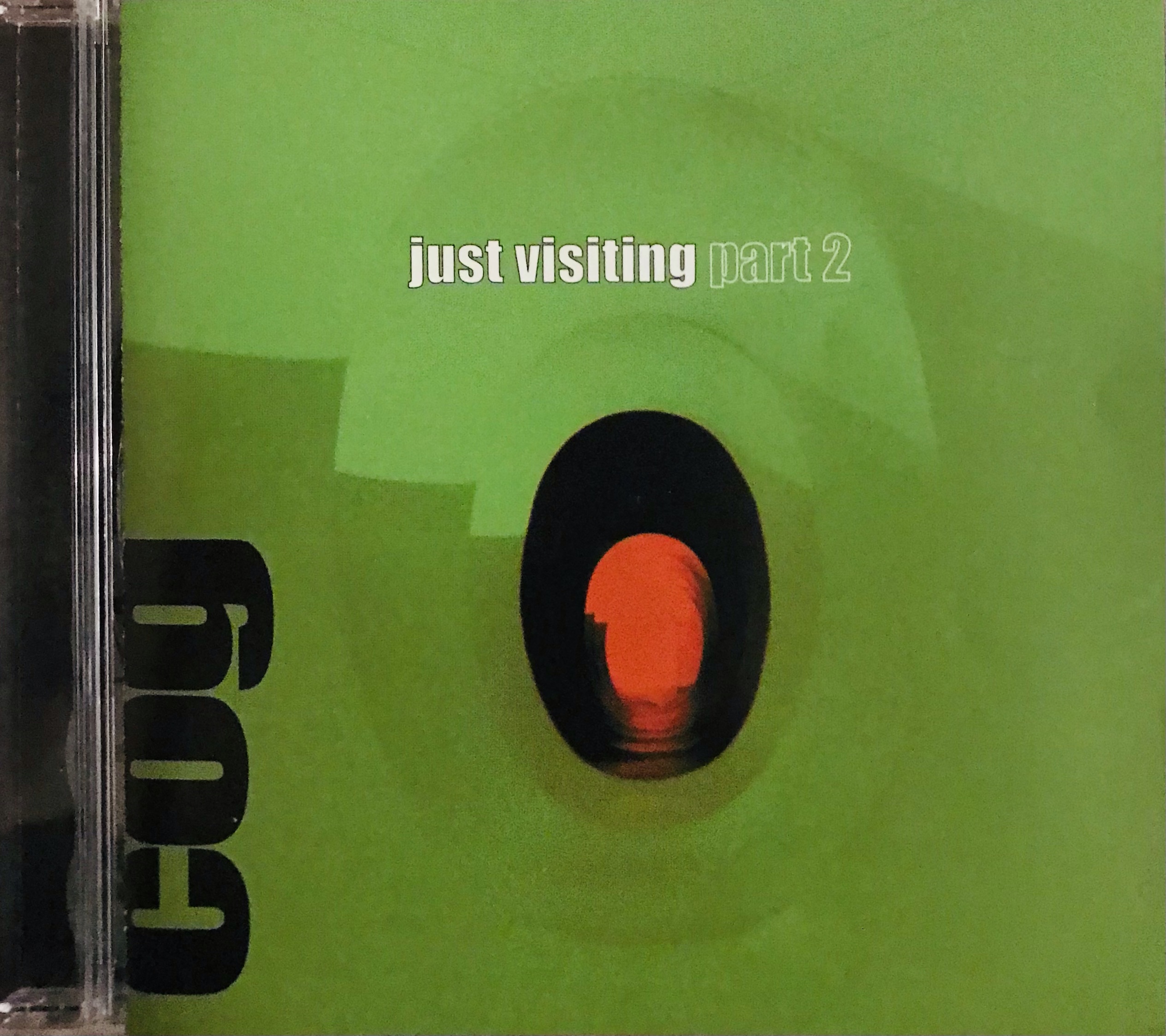
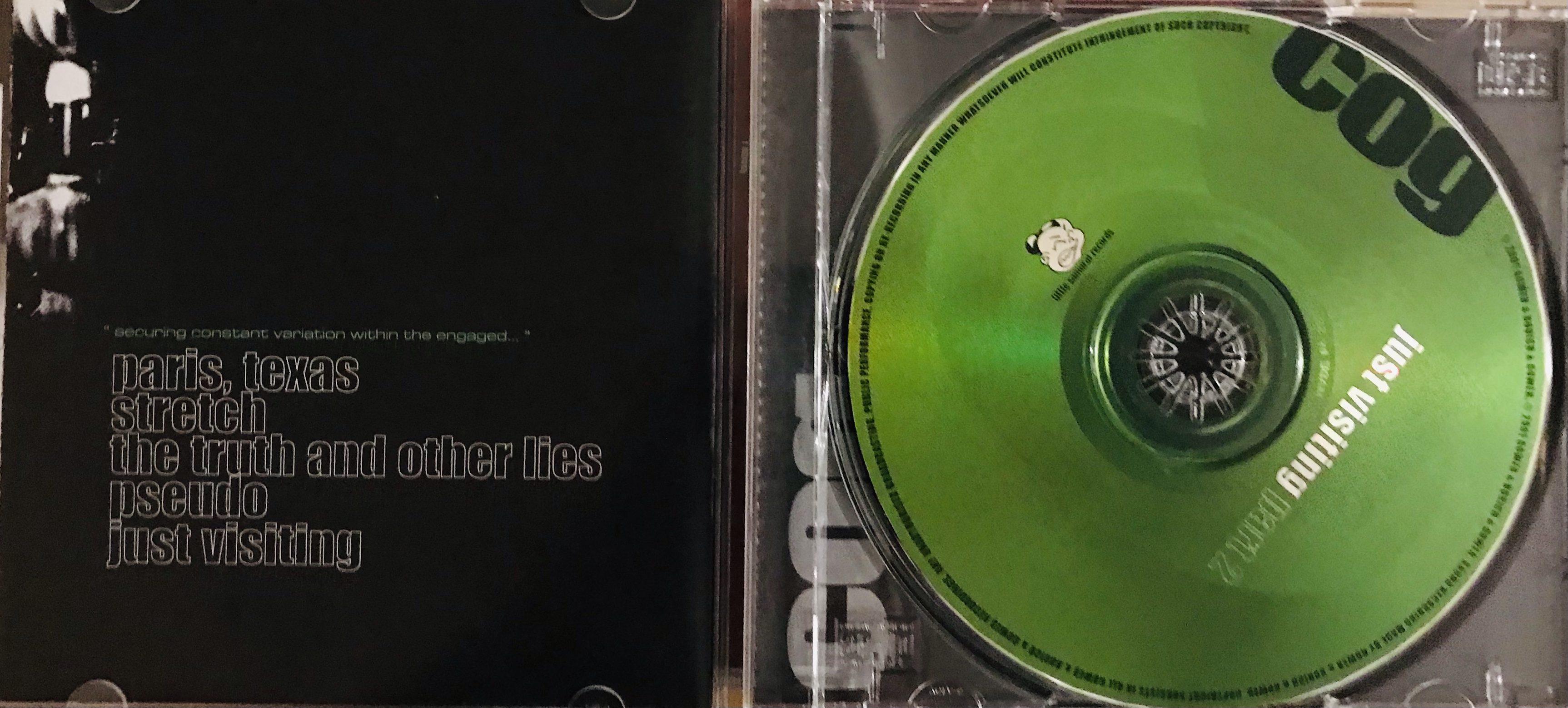
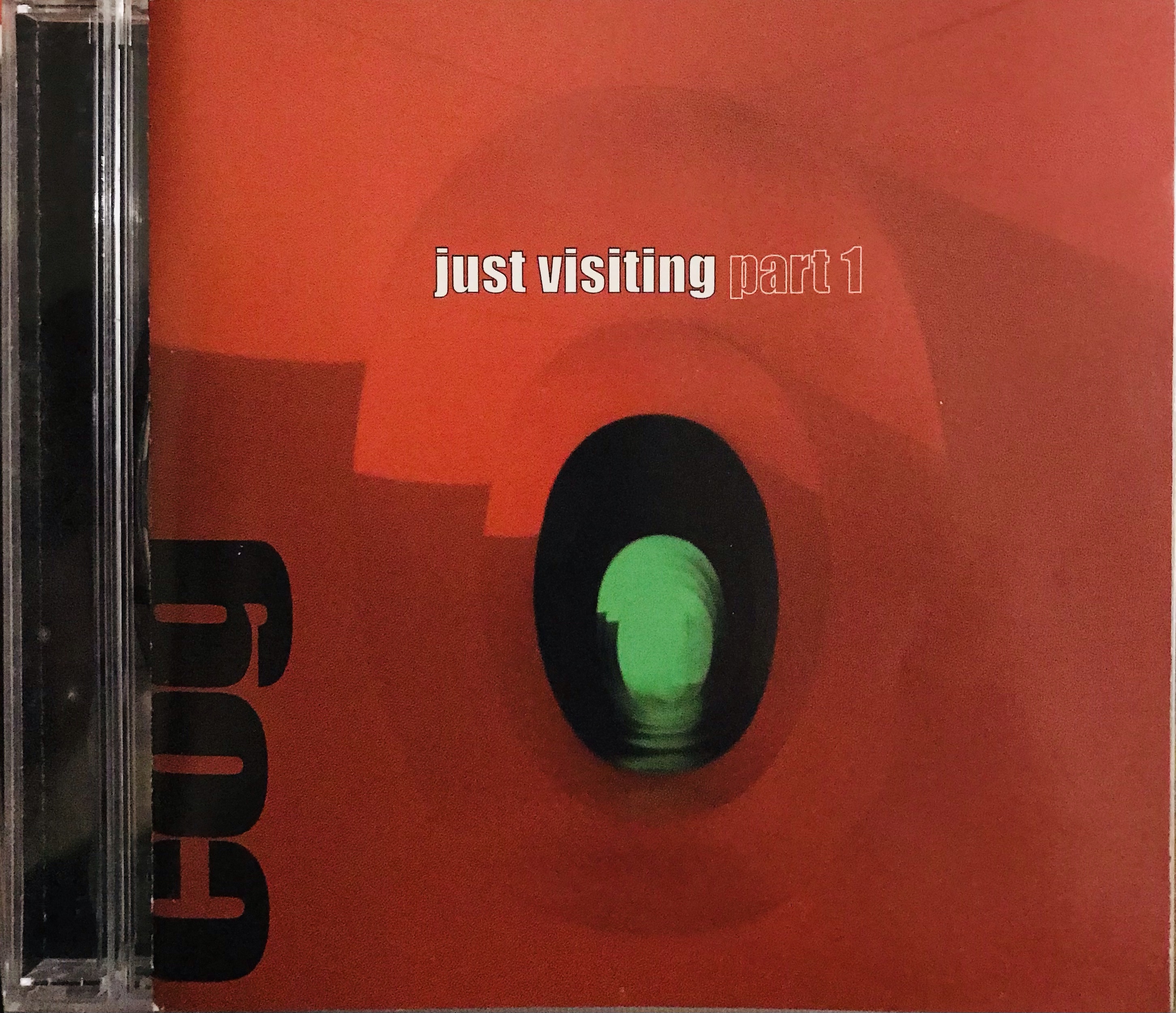
The “Just Visiting” EP’s were meant to be a single album but released as two separate EP’s. The single album was released in 2008.

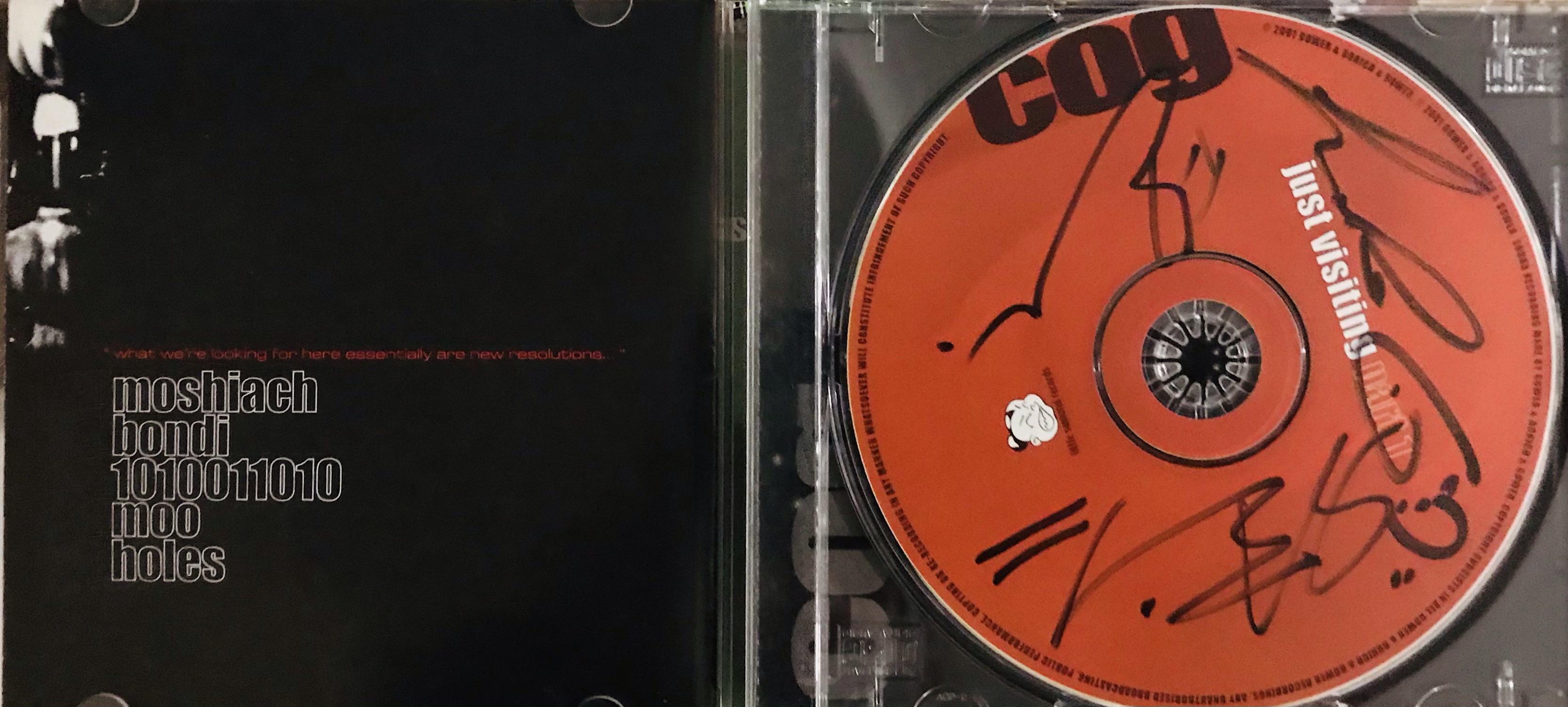
“Just Visiting Part One” was released in February 2002 and “Just Visiting Part Two” was released in October that same year. The guys signed the copy of “Part One” at one of the gigs we played.

“Bondi” starts off with an off time bass riff and a guitar riff which acts as a counterpoint. And it’s a perfect way to start off their recording career, writing about their hometown.

“1010011010.0” starts off with a conversation about “big brother” and what’s in “room 101”, which is alluded as the “worst thing in the world”.

And in case you are wondering what’s going on with the song title, well, it’s the computer binary code for “666”.

“Pseudo” has a clean tone arpeggio style riff, an offbeat drum groove and an exotic vocal melody. “Stretch” has this fuzzed out digital delay riff which I like. The vocal melody is unique, early Muse/Radiohead style. And progressive.

From about 2.20, “The Truth and Other Lies” goes into overdrive, with a jazzy like bassline and the 3 minute mark the most fuzziest and heaviest riff comes in.

“Moshiach” has been their set opener from time to time and it’s a great song to get the amps cranking and the PA firing.

Those opening lyrical lines of “I’ve been waiting and watching and it won’t be long” are instantly recognizable and singable.

“Paris Texas” has a repeating vocal melody of “We’re all going to die”. It sounds unsettling singing it out loud at a concert, but its effective. And that bass riff, just rumbles along, as the song percolates until it explodes at the half way mark. This one is very Tool like.

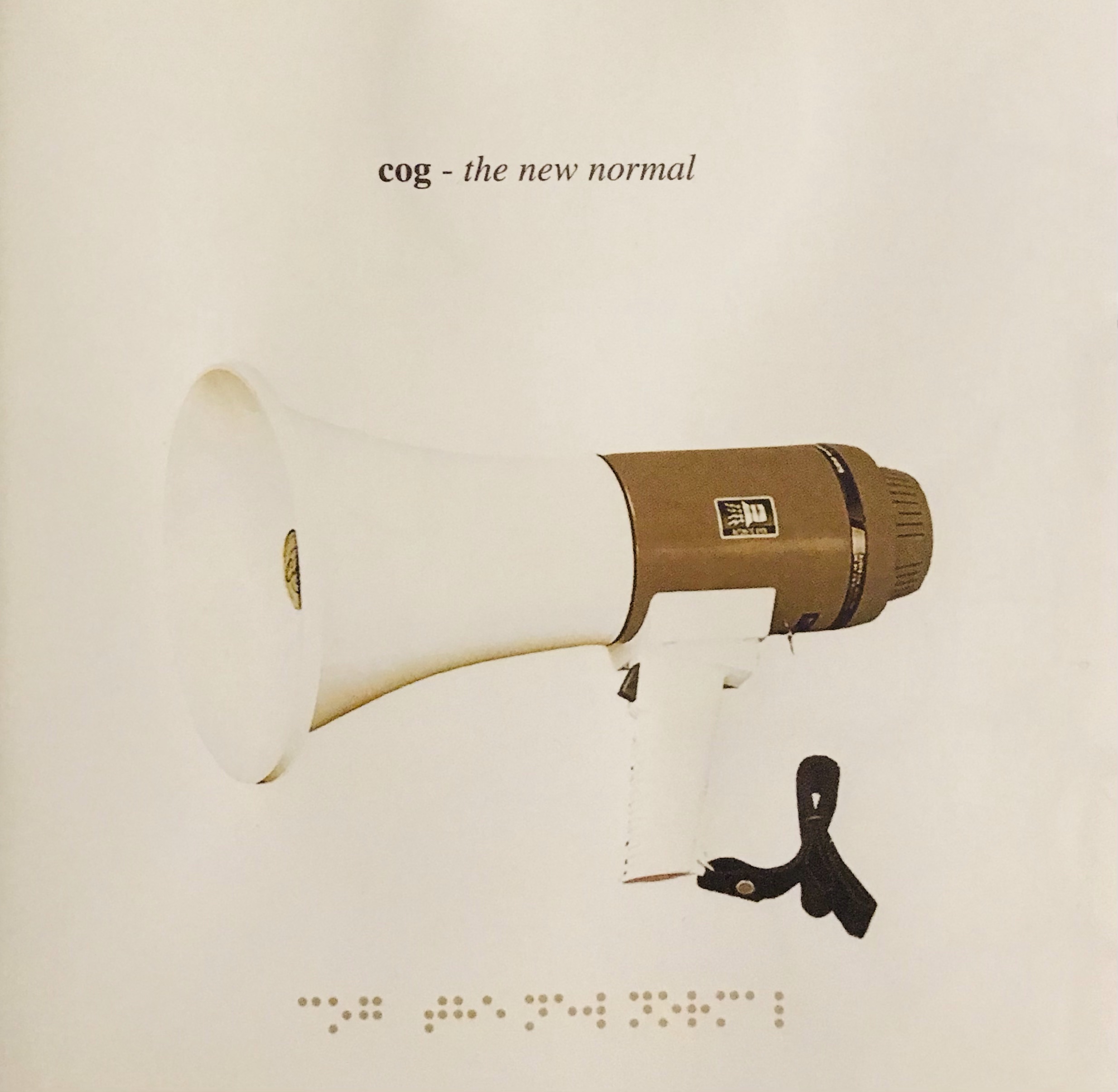
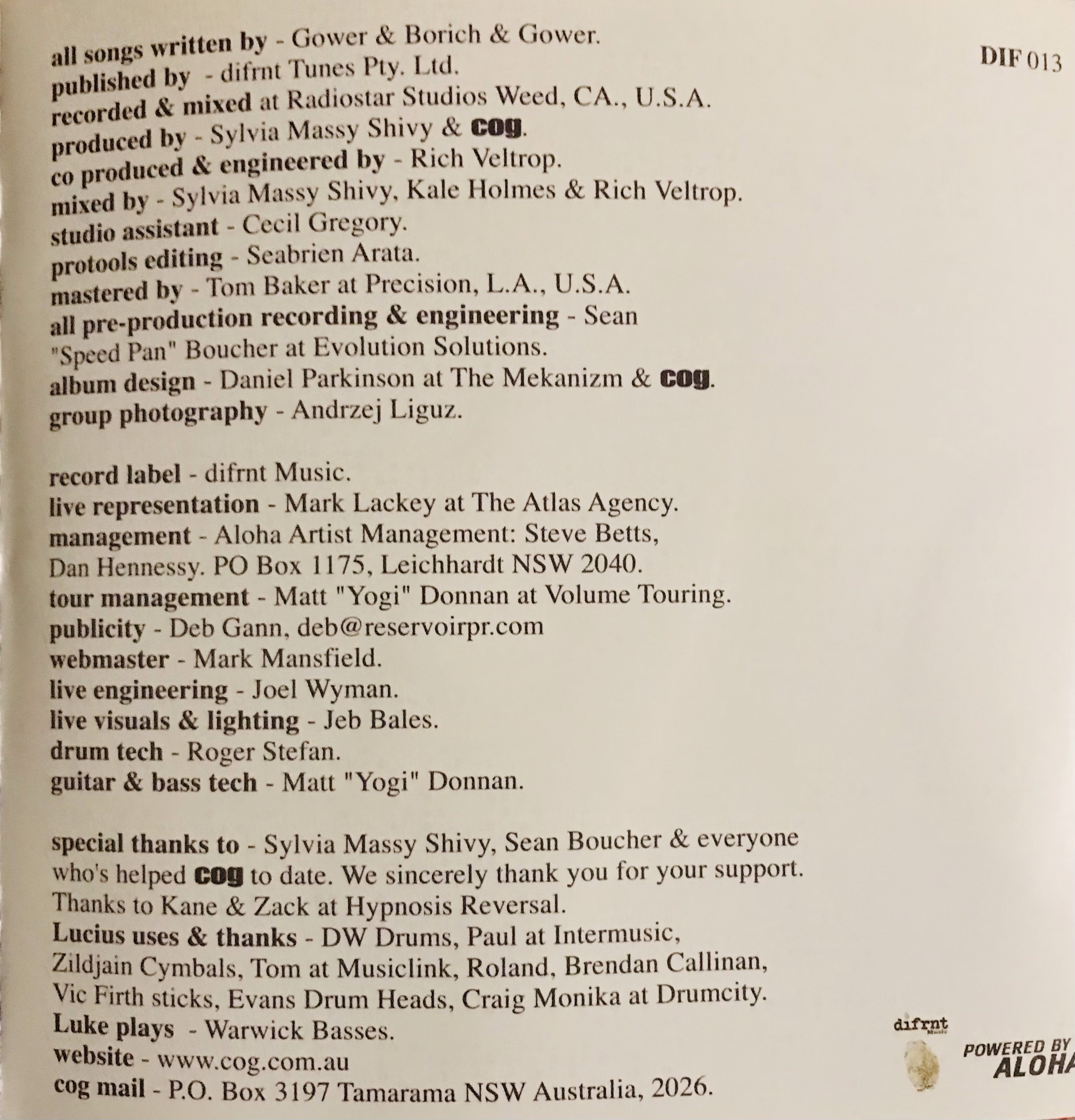
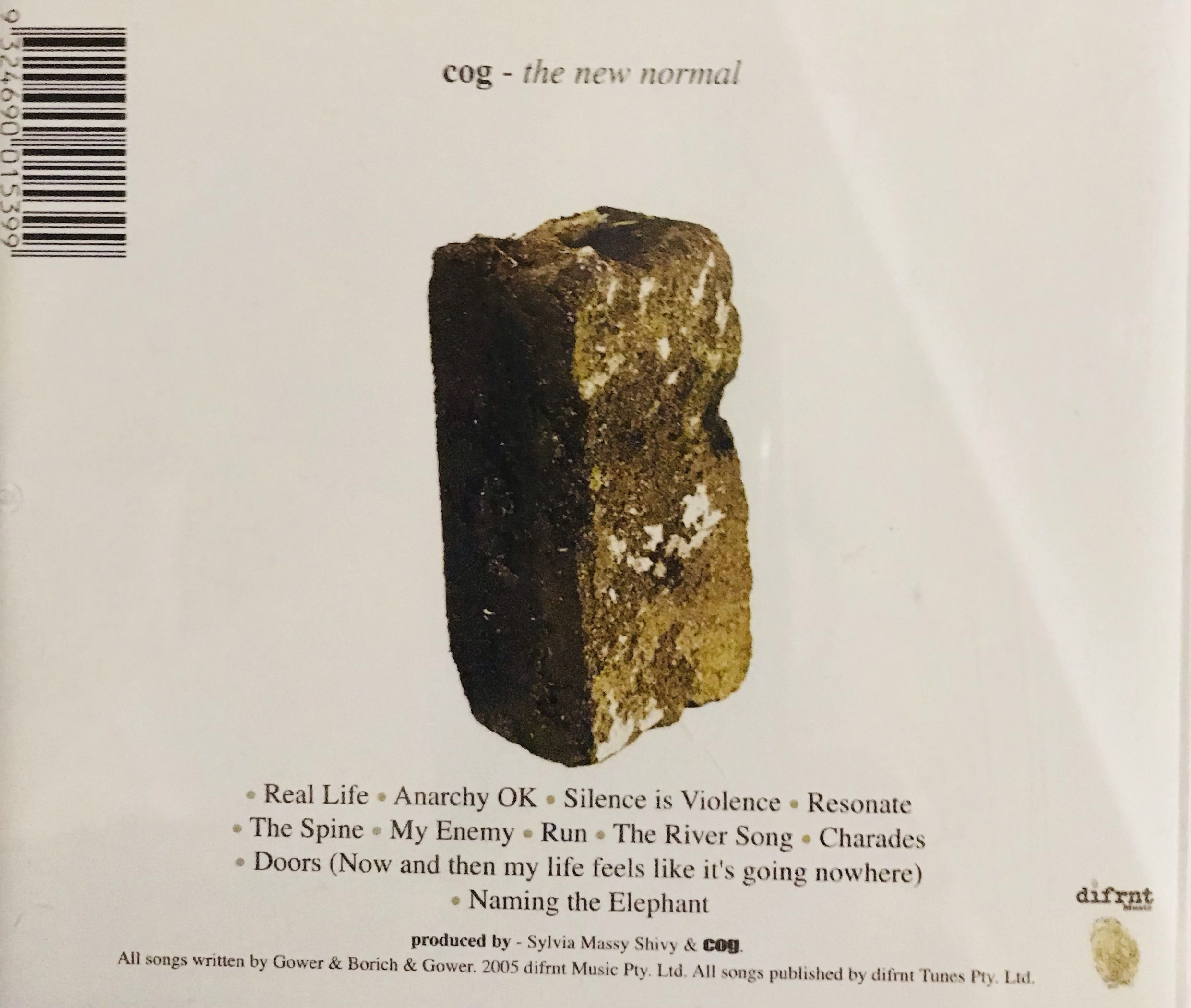
“The New Normal” came out in 2005, produced by Sylvia Massy and recorded in Weed, California.

The sound is massive.

“Real Life” kicks off the album and it runs through a range of different emotions and moods. From about the 3 minute mark, the song moves into a clean tone groove, which percolates and builds until it explodes again for the last minute of the 6 minute song.

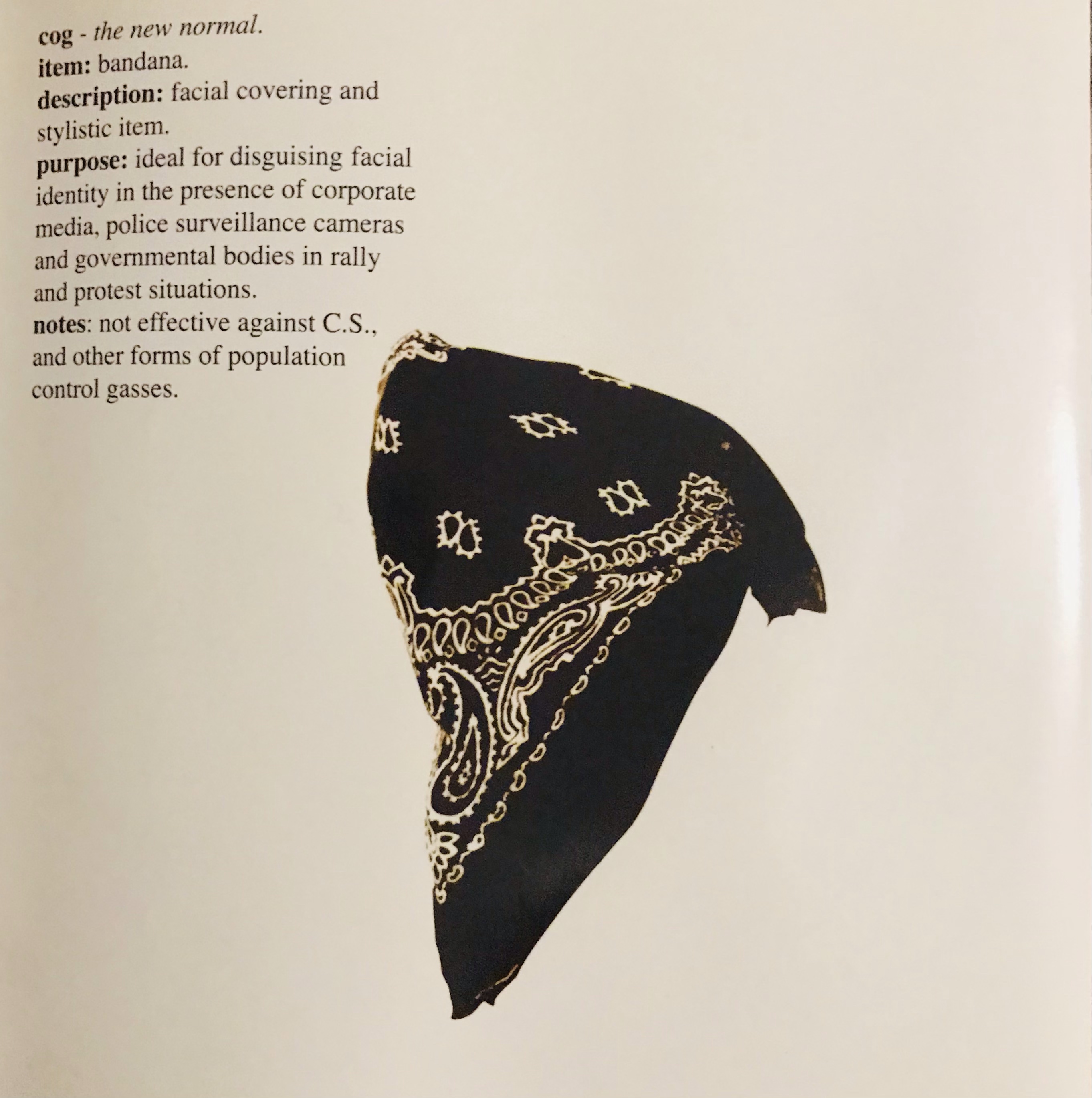
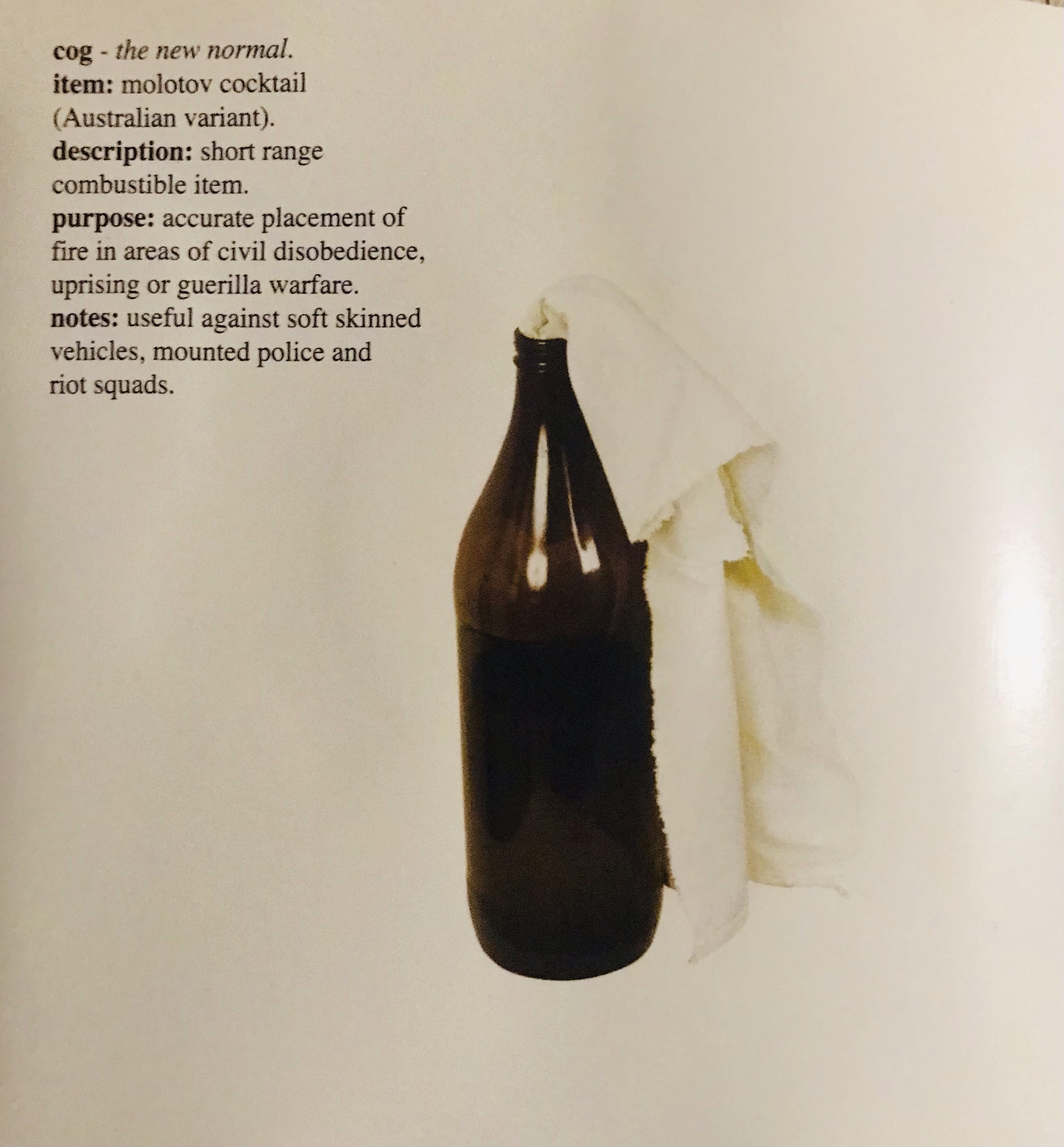
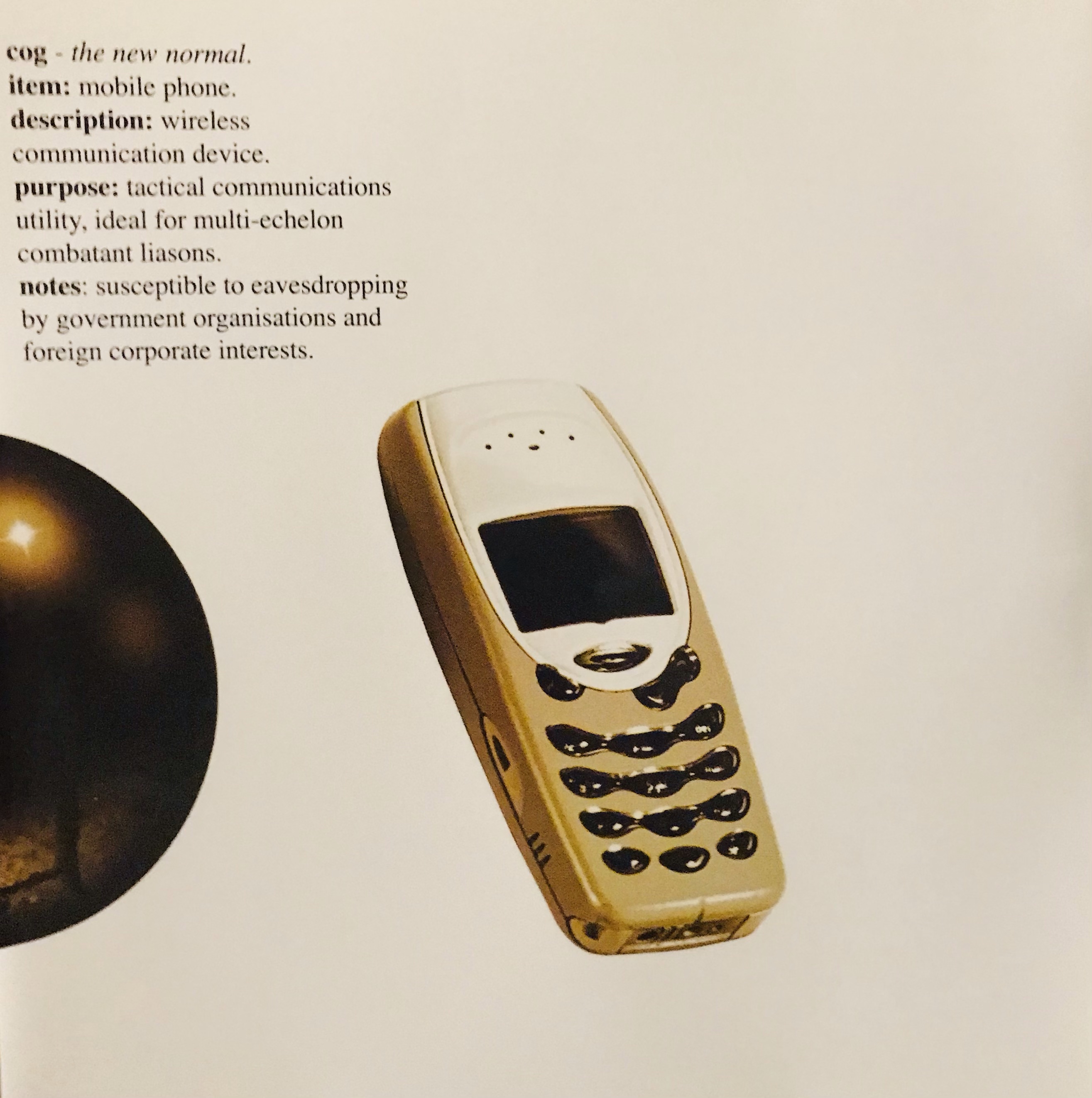
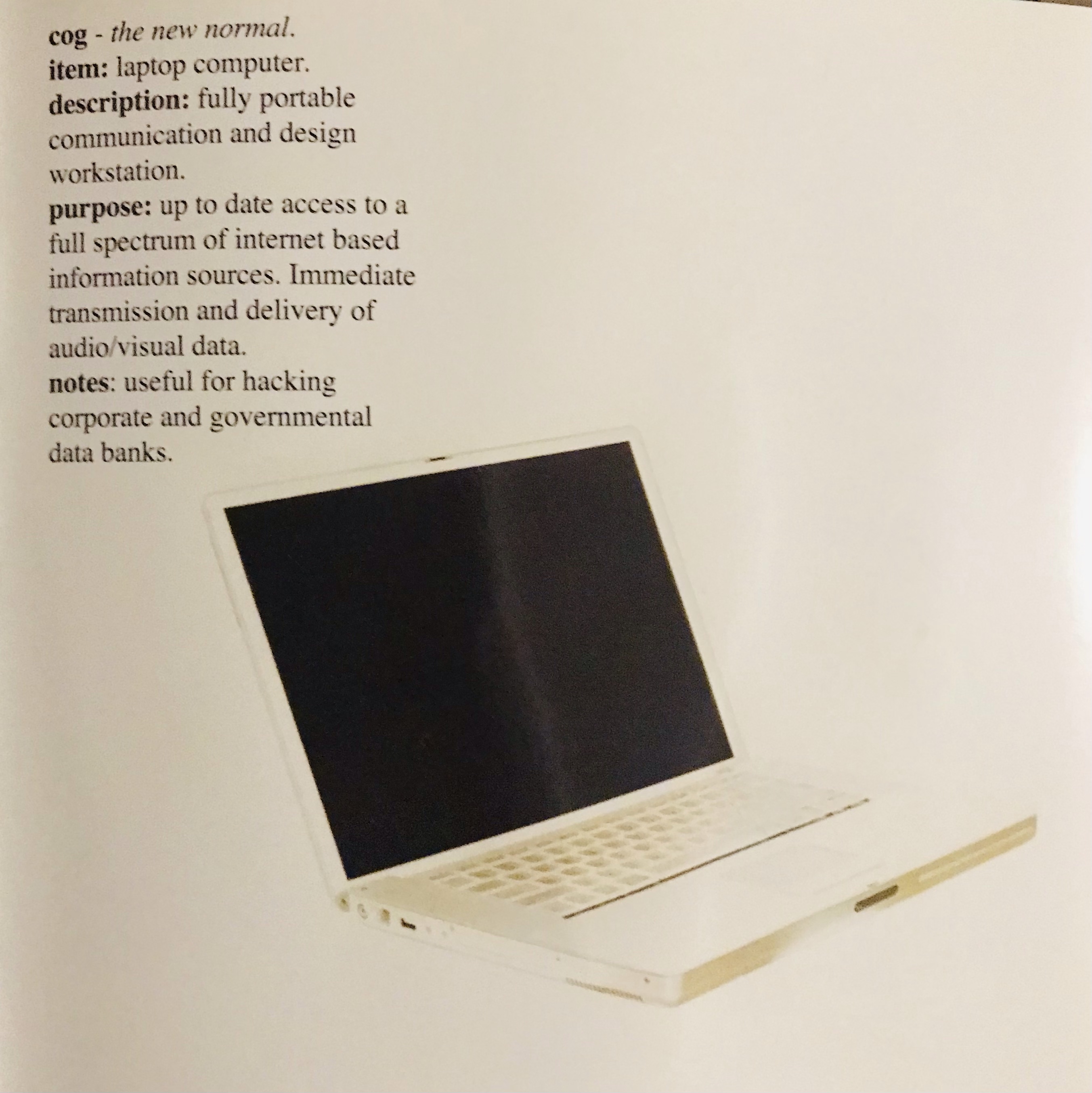
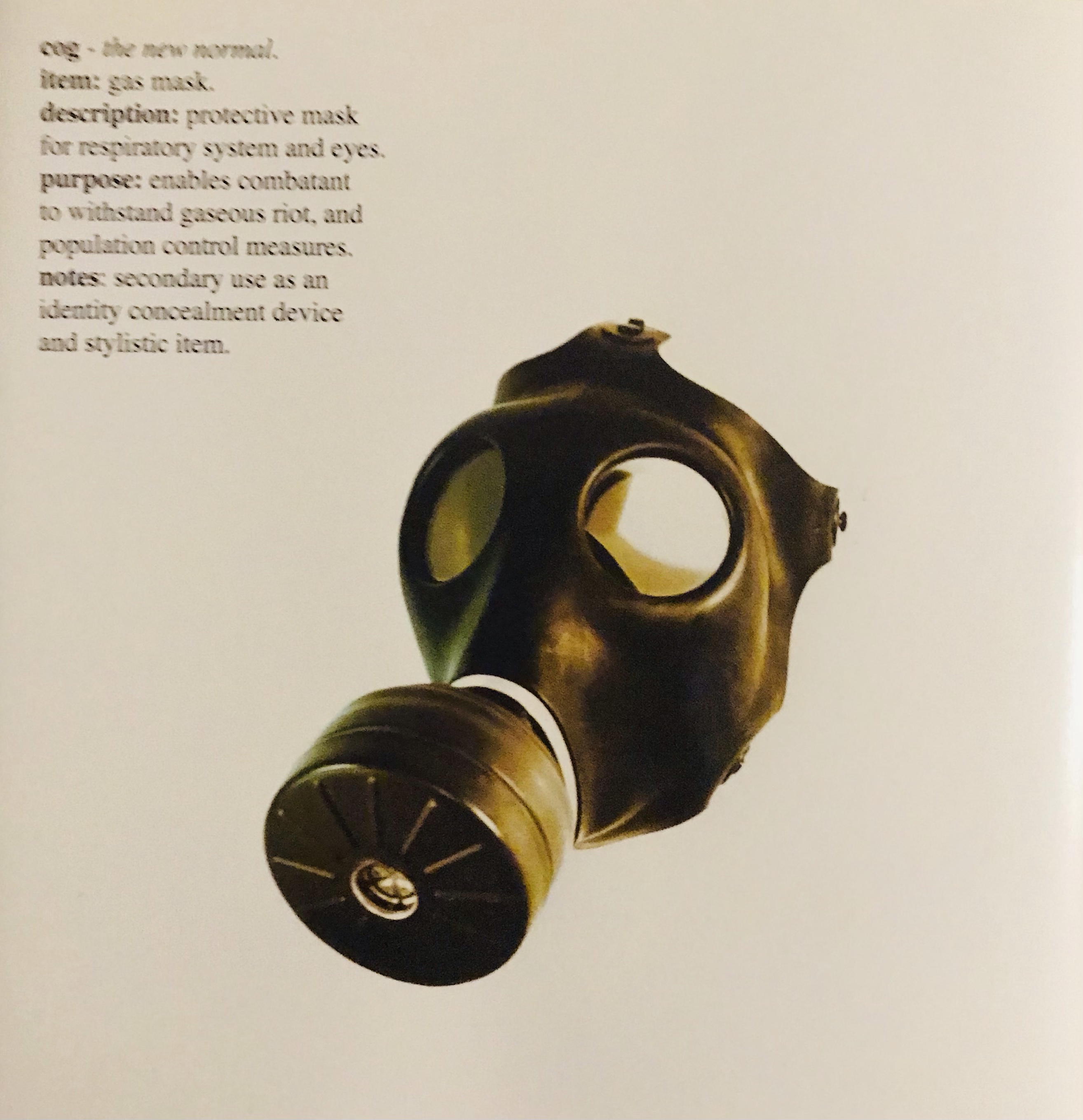
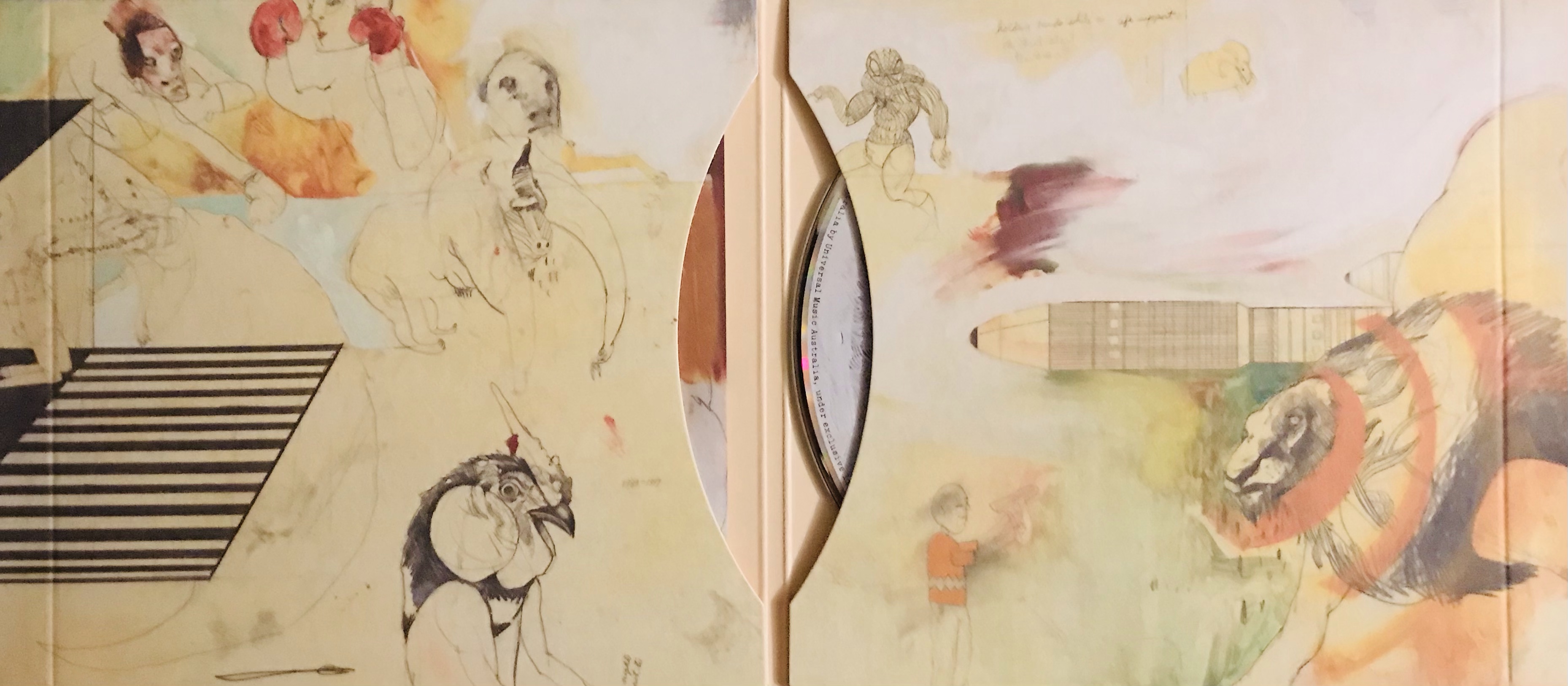
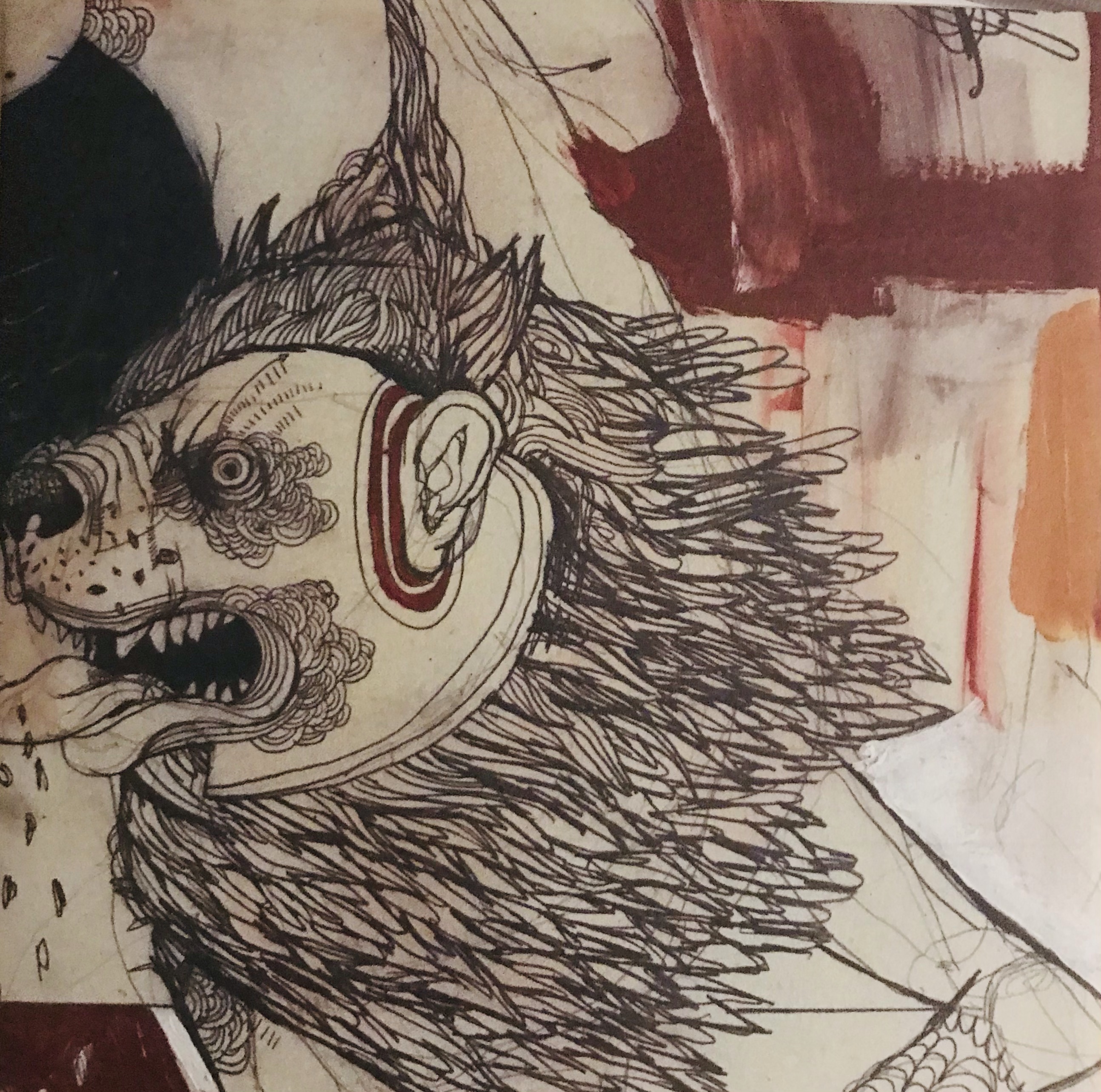
“Anarchy OK” is up next and you get a feel for the lyrical themes on this album by looking at the titles and the pictures in the CD booklet.

“Silence” tells us there is so much violence in the silence. “The Spine” has a musical feel and inspiration from “Bondi”.

“Run” starts off with a synth riff before the arpeggios kick in. It’s a different Cog, still progressive in how they structure the songs, and memorable.

After 90 seconds of ambient noise, the 10 minute song and serious Meatloaf challenger for the longest song title, “The Doors (Now And Then My Life Feels Like It’s Going Nowhere)” kicks into motion with a digital delayed riff as its centrepiece. Just before the 5 minute mark it goes into overdrive.

And the album ends with another 10 minute song called “Naming The Elephant”. A clean tone single note riff starts the song off, which keeps repeating. Then the drums come in, it builds and builds and builds until it quietens down again.

The last 3 minutes with the “so long, I’ve been waiting” vocal line needs to be heard.

Two massive songs to bookend the album.

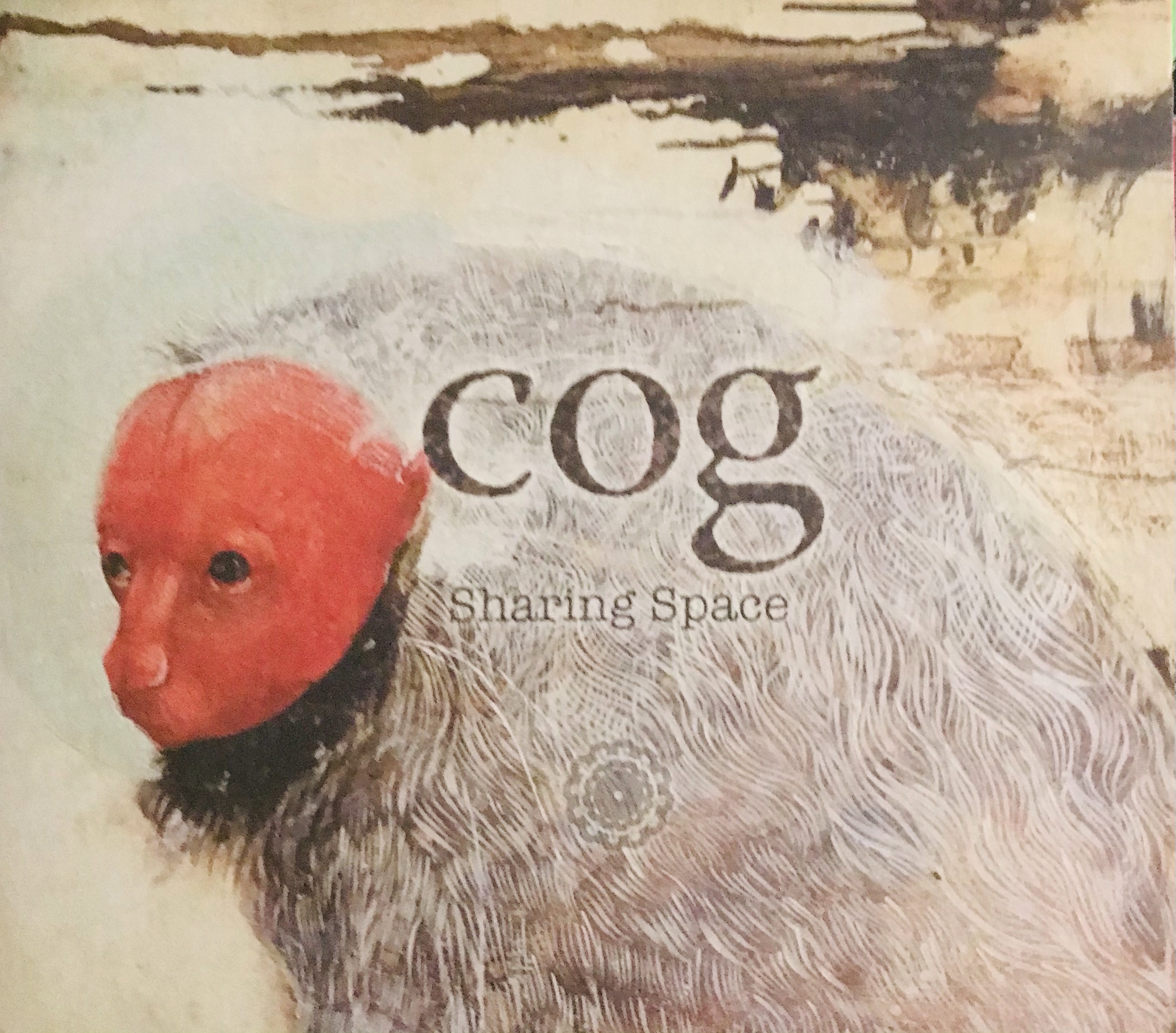
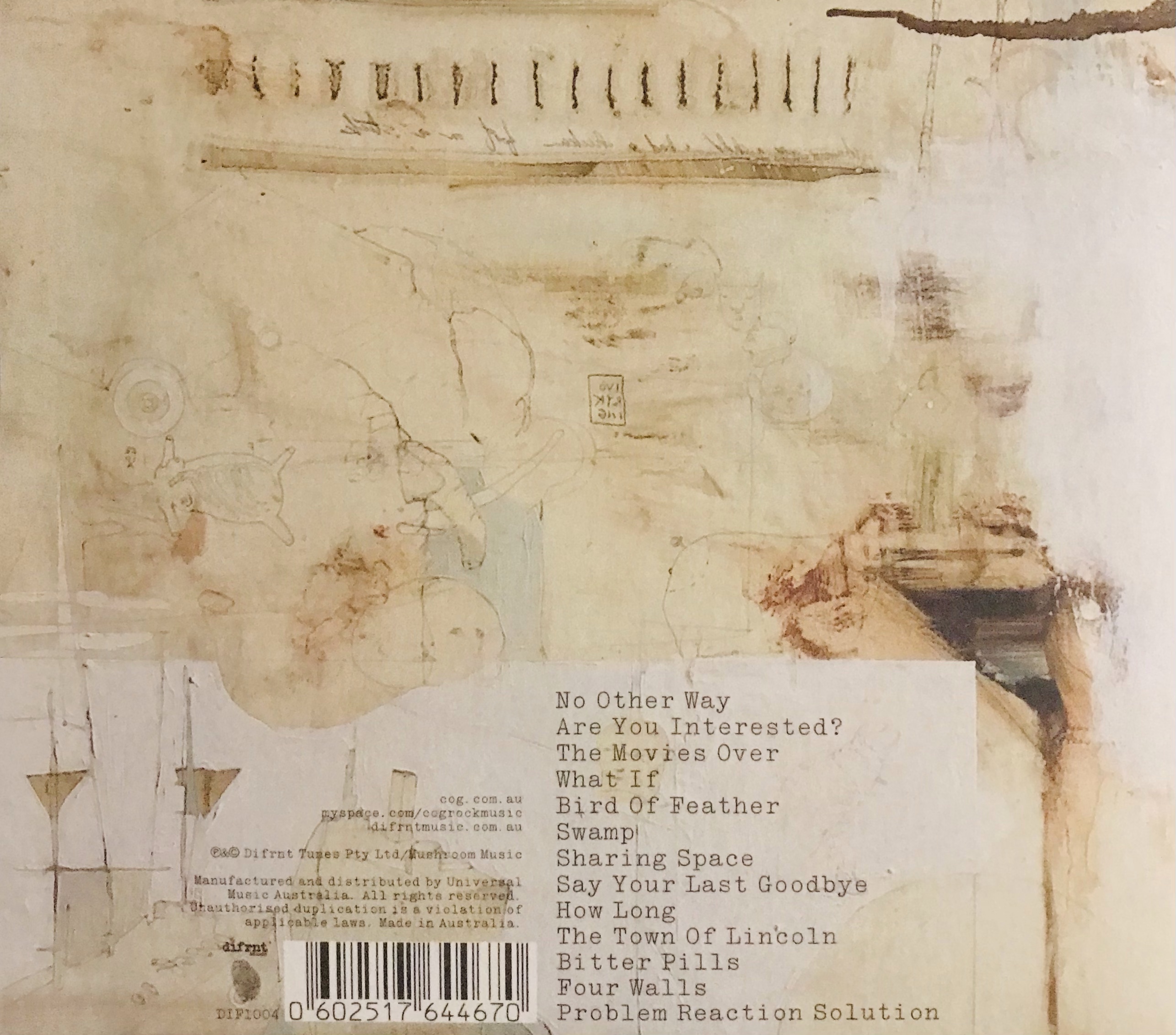
“Sharing Space” came out in 2008, again produced by Sylvia Massy. This one went Gold in Australia. A masterpiece for me. It starts off with “No Other Way”, one of my favourite songs from Cog. At 10 minutes long, it doesn’t get boring or repetitive.

Once you hear the addictive vocal melody of “Are You Interested” it will never leave you mind.

“Yes their making lists of people interested in this, anyone who speaks their mind is labelled anarchist”

The democratic Governments have more power to spy on their own citizens than ever before. And our leaders keep telling us to trust them because they are the good guys while they do what all the totalitarian regimes do. Collect data.

And the album closes with “Problem Reaction Solution”, another 10 minutes monster and the lyrical message of “working our whole lives to pay for a cage we never really own”.

In December 2010, Cog played what many had believed to be their last show in Sydney. I think the lack of traction in overseas markets and the transition to relationships and parenthood, played a part.

But the story doesn’t end.

In late January 2016, the official Cog Facebook page was updated after a three year hiatus. And the unseen and rare photos kept on coming. Then the single, “The Middle” was released in 2018, their first new music in ten years. Since then, they have released two more singles titled “Altered States” and “Drawn Together” and in 2019, they toured again and did what they do best.

Smash the live arena to bits.

If you haven’t, crank em.

Standard
A to Z of Making It, Copyright, Music, My Stories, Treating Fans Like Shit

Copyright Again

I love Copyright.

It’s the gift that keeps on giving forever. Many years after the creators death, people who created nothing are still making money from it. And now we have investment firms buying the rights to songs from creators for large sums. And suddenly there is a new emperor in town when it comes time to discuss copyright terms at a political level.

One thing I know about hedge funds and investment firms; they don’t like to lose and they don’t like to give away what they have.

Bob Rock sold his shares in the Metallica “Black” album to Hipgnosis Song Fund, an investment firm, founded by Merk Mercuriadis a former label head, joining people like Bob Dylan, Neil Young, Lindsey Buckingham, Stevie Nicks, Shakira, One Republic, Dee Snider and many others.

Music today, is like real estate, generating money on a consistent basis. Streaming has shown how much money can be generated if you own the rights to the songs.

Previously an album would be released, if it didn’t sell, it would be removed from shelves and replaced by something else and eventually deleted from production. Well today, nothing is deleted and storage space is infinite. Suddenly every song is available again. Well almost every song. But you know what I mean.

Remember there are two types of copyrights in music.

One for the songwriter of the song, which is known as “publishing” and the other for the sound recording, the final track which ends up on albums and streaming services.

For example, a songwriter like Steve Harris, will own this copyright or he might lease it to a publishing company for a limited term in exchange for a large up-front payment. The publisher will make their money back by collecting and keeping the royalties it collects on behalf of the artist.

The sound recording should always be owned by the artist/band who recorded the song, but in most cases, it’s the label who has it, because they paid the money to get the artist/band into the studio to record their songs and they will also own it for a larger time frame. And they will also collect royalties on this for an even longer time, still claiming they the artist hasn’t recouped.

In this Pitchfork article, it mentions that “Hipgnosis calculates that it will own the songs in its catalog for an average of 101 years before losing copyright protection.”

101 years.

God damn. That’s a long time.

So Bob Dylan’s songs released in the 60’s will be under copyright all up for about 160 years.

Think about that.

And even then, there is always a politician looking for a large hand out to write and introduce laws to keep copyright forever.

Meanwhile artists still can’t get their copyrights back from the labels, even though the law states they can.

Dwight Yoakam is another artist suing his label, this time its Warner Music, because they refuse to accept or acknowledge that copyright law allows the artist to reclaim their works after 35 years.

And if you are not aware, Universal and Sony are also in the courts because of the same thing; not allowing artists to reclaim their rights.

And the world just keeps creating money out of thin air, as Tik Tok now has a licensing arrangement with Universal Music Group, along with Sony, which it announced in November. So here is another revenue stream for the major labels.

How much of it gets filtered back to the artists?

Probably none.

That’s why they are selling their rights for a large upfront payment. Take the money and run.

Standard