Classic Songs to Be Discovered, Derivative Works, Influenced, Music, My Stories, Unsung Heroes

The Record Vault – Apocalyptica

It was their Metallica covers which hooked me in and being a Metallica fan, their interpretation provided me with a greater appreciation for James Hetfield and his vocal melodies.

So “Plays Metallica By Four Cellos” is an excellent CD.

I then purchased the album “Cult” because I saw the song “Fight Fire With Fire” on the track list and I was like, “are you serious”, they covered this song with cellos. Curiosity was enough to get me to hand over cash. Plus they had “Until It Sleeps” as well, so it was a no brainer.

The first thing was the updated production and the distortion on the cellos on some sections. And the next thing is that these guys can write good originals. And finally, this band made me appreciate how haunting and epic “Until It Sleeps” really is. You need to hear it, to understand what I mean. And finally, finally, they pulled off “Fight Fire With Fire” at break neck speeds on cellos.

Since then I‘ve heard a few songs on other albums. “I Don’t Care” with Adam Gontier on vocals is an excellent track with a whole band along with the cellos.

And Spotify has their whole history on it. Enjoy it.

Standard
Copyright, Derivative Works, Music, My Stories, Stupidity, Treating Fans Like Shit

In Copyright We Invest

Music makes money because people form their own unique connection to a melody, a riff, a beat or a lyric. It’s personal and each connection is different. As a by product of this connection, we spend money on music. And when the ‘we’ in the equation is over 200 million people worldwide, you sort of understand the volume of dollars in play.

And the organizations who hold the rights to popular songs benefit a lot from those songs. Next time you hear “Eye Of The Tiger” from Survivor, there is a pension fund around the world which benefits.

You see the Michigan Pension Funds have invested in a music publishing company called Concord Music which is advertised as “owning” a lot of copyrighted works (like close to 400,000 songs). And when those songs it “owns” are played, Concord gets paid the royalties and the state pension fund benefits. 

But, isn’t Copyright meant to benefit the creator and give them an incentive to create more art. As the article states;

The state initially invested $25 million in Concord Music, and as the investment team got more comfortable, put a total of $1.1 billion into the company. The market value of their investment today is $1.8 billion, representing $700 million in profit.  

If the pension fund made $700 million in profit, how much profit would Concord Music make as the holders/keepers of the Copyright and then how much would go to the creators. Hell the creators can’t even get their rights back under their own control, even though the law states they can after 30 years.

And while all of these dollars from music are going to organizations who contribute nothing to music, CD Baby (another organization) is teaming up with Audible Magic (another organization) to scan the audio artists put up, against its library of 30 million tracks. If the uploaded song matches another track or it has “potentially” copyright-infringing content based on a computer algorithm, then CD Baby can decline to upload the file.

I wonder if CD Baby and Audible Magic are aware that music fans like songs that sound similar to other songs. I can’t even start describing how many songs have an Em, C, G, D chord progression, with melodies which sound similar, so I’m not sure why CD Baby is wasting money they earn from artists to pay an IT company which is looking to be purchased by these kinds of organizations.

And you know that Copyright is out of control when the law suppresses online music teachers, who in most cases teach people for free.

Queue up Warner Music Group, who seem hellbent to takedown everything online and then like all of the other labels, when they are served with termination notices from the artists, they go to court to fight these notices.

But, I am sure the labels would still be pushing the same lines of needing stronger copyright.

Standard
Classic Songs to Be Discovered, Derivative Works, Influenced, Music, My Stories

The Record Vault – Audioslave

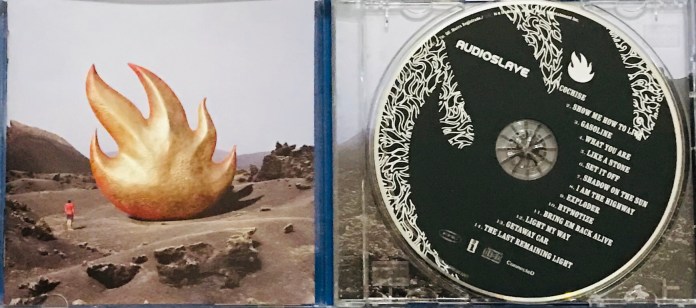
The combination was interesting. Rage Against The Machine and Soundgarden.

I have a few RATM albums as I do like the music and the lyrics, but Im not a fan of rapping. From Soundgarden, I also have a few albums purely because of Cornell’s voice.

Plus Tom Morello was always in the Guitar mags and he came across great in interviews, offering tips, viewpoints and he didn’t put shit on anyone, even mentioned his love of Randy Rhoads and why he started to use the digital effects tools at his disposal.

So the thought of Morello and Cornell teaming up was very interesting.

And the debut album (released in 2002) is excellent up to “Like A Stone” (which I used to cover in bands) and then it became to repetitive. But still a cool listen.

And how good is “Cochise”?

It’s a great opener bringing that 70s groove into the two thousands and I was hooked straight away when Cornell’s Led Zep inspired vocals came in.

“Out Of Exile” came out three years later and “Revelations” a year after “Out of Exile”.

If you heard the debut, you didn’t need to own these albums. “Moth” is the only song I remember.

I basically played em once on Cd and never played em again (but hey the record label sold a CD to me so I must be a fan of these albums). And today I streamed em once and will probably never stream em again.

But if any of these albums were your first exposure to Audioslave, then it would serve as a good introduction.

Standard
Copyright, Music, My Stories, Stupidity, Treating Fans Like Shit

Ahhh Copyright

Ahh, copyright, you never cease to amaze me and you never seem to be out of the news.

Did you know that in the year or 1999, the profit margins for the labels on music sales was between 4% and 7%, and in 2018, the music profit margins are between 15% and 20%. 

Read Sony’s financials and decide for yourself.

2018 financials.

1999 financials.

1999 is always talked about as that magical year in which record sales hit a peak, and the profit margins in music were less than what they are now.

Since that time, the labels have done nothing in the development of legal online platforms, like the streaming services which include Spotify, Deezer, Apple and YouTube, but they benefit greatly from these services in licensing fees and royalty payments. And their profit margins are better because their music manufacturing costs are lower. It doesn’t cost much to produce a WAV file compared to a vinyl record or a CD, especially, when other techies are developing tools for people to consume music. And the labels have this power because they hold the copyrights for valuable songs, which they refuse to give back to artists, even when the law states, they need to.

But the streaming services are their biggest payer, so the power is shifting from the catalogs to the distribution, as the labels are fearful of pulling their catalogs from their biggest payer.

In all this, stream ripping seems to be the biggest issue to the labels and money needs to be spent to kill this technology. For those who don’t know, stream ripping means creating an mp3 file illegally from playing a song on a legal streaming site. People who pay for streaming accounts, stream rip and people who pay for no content also stream rip.

According to the labels, stream ripping is the fault of everyone else except them. From the labels point of view, the streaming companies should be responsible for monitoring if content is being streamed and ripped at the same time, the ISP’s are to blame for allowing access to websites which provide the software to stream rip and the blame list just goes on and on.

Remember 20 years ago, Napster showed the world, what people would like to do with music and still to this day, no one has figured out a way to make money by giving the people the opportunity, to download music in a format they desire without any digital rights on the track.

Stream ripping is an opportunity to create a new revenue stream. These are users who would like to stream (have access to music) and also be able to take it with them as an mp3, just in case they choose to close their streaming account, which means that all of their content will be lost.

The label heads are probably thinking, why would people need to do this, but hey they do. Fans of music have their own unique way of connecting with music.

A statement always put out there by the labels is that fans of music who stream rip, don’t realise they are also ripping off artists. It’s pretty rich, coming from the labels who have ripped off artists since day dot, and even now, when artists ask for their copyrights back after 30 years, the labels are saying NO and off to court they go.

But hey, everyone else is to blame except the labels. They even want the Governments they bank roll to pass legislation so they can have access to the WHOIS data of websites, so they can track down online pirates.

Should a corporation have access to this kind of address book?

Well if you pay enough money as a lobbyist, anything is possible.

And I know I bash a lot of the labels and their lobby groups, however the techies and ISP’s are not free from blame here either.

ISP’s if they want, can block access to sites on their own accord or in secret agreements with Government institutions or via court orders. However, they also talk the same rhetoric that they have no control for the content their users access.

So should the ISP’s be known as the Online Censorship Police?

ISP’s in Australia and New Zealand, took it upon themselves to block access to sites which had footage of the Christchurch Massacre, which people didn’t really need to see in the first place, however by doing so, the ISP’s have declared that they can police the Internet if they want to, and they have now backed themselves into a corner. You could see the labels and movie studios saying, “well why can’t they block sites which provide access to music and movies, which are not legal sites.”

Anyway if that all fails, the lobby groups of the recording and movie industries want the governments to create laws giving more power to the copyright industries to filter the internet and block websites which they deem to be illegal.

These powers formed part of the Stop Online Piracy Act (SOPA) and PROTECT IP Act (PIPA) acts which got canned after online protests. Obviously, money talks and the music/movie industries are bank rolling a lot of politicians to push their cause.

In Australia, blocking access to sites approved by a court order has led to more than 250,000 innocent sites being taken offline for a certain period of time.

The best solution to any copyright issues is to develop a legal alternative. If people want to share their content, why stop them, let them do it, in an environment you can monetize. If people want to stream rip, let them do it, in an environment you can monetize. From when I can remember, every single person had their own unique way of experiencing music.

Standard
A to Z of Making It, Music, My Stories, Piracy

Modern Day Rock Star

Game of Thrones was downloaded illegally 54 million times when the first episode from Season 8 came out.

Think about that for a second.

54 million illegal downloads for one episode. “Game Of Thrones” is the modern day definition of being a rock star.

In the same way fans waited for the release of a new album of music from their favorite artists, fans of the Game Of Thrones books and TV shows are eagerly awaiting the release of each episode of the final season plus the next novel installment.

How did it get like this?

How did a TV show and a book replace rock and roll in the public conversation?

By taking risks and nothing being off limits.

But it wasn’t all smooth sailing for Game of Thrones. It didn’t start off with huge numbers and viewership. Because of greed the show was behind paywalls, so it became popular among illegal downloaders. This was built with each season and each episode. As it grew in illegal downloads, it also grew in legal viewership. As a byproduct, the books sold even more which in turn led to more money in the long term and a bigger TV show and a bigger budget.

And for book writer George RR Martin this is bitter sweet, as he wrote stories (which got rejected) for decades before Game Of Thrones became a hit.

Meanwhile, Hollywood is complaining about their low box office returns, as they still go about doing things the old way with cinematic releases and Netflix does things the new way and is cleaning up with viewership.

Videogames outgross movies, Netflix does better than Hollywood and streaming services have put billions back into the recording industry but there’s still no respect to these services. Just ask legacy creator Steve Spielberg who wants Netflix movies banned from being considered for Oscars.

Netflix knows that views are more important than cash, and they also know fans of art have no problem paying to suit their convenience. Going to a cinema at a predetermined time for prices ranging between $13 and $18, paying top dollar for popcorn and drinks and enduring people’s chewing or wrapper noise or talking and all of the other bullshit, well that’s not convenient anymore and society has changed a lot from when going to cinemas was seen as a social hang.

Then again, I took the kids to watch “Avengers: End Game” and it felt like the past, with lots of people, no car spots available and a buzz about what was on offer.

But, like in music, the war is over and Netflix won.

But artists and songwriters are still complaining about the royalty payments they receive from their streaming service, which they seem to forget that the streaming service in most cases will pay their label or publisher, who will then pay them?

Did these artists forget how their label went to war against Napster and then refused to license Spotify to the point that YouTube (which pays less) got traction?

Did these artists forget the advance payment they got from the label and how the labels creative accounting arm is ensuring that the artists stays in the minus, while the label gets the larger share of the streaming payments?

And if you are a creator with dreams of reaching critical mass, well you are contending with streaming platforms churning out content, video games, smartphone makers, social media platforms like Facebook, Twitter and Snapchat and the millions of other creators trying to make it, just like you.

Plus a TV show.

Standard
Classic Songs to Be Discovered, Derivative Works, Influenced, Music, My Stories

Road Trip Tunes

We had a road trip to Melbourne over the Easter and ANZAC week here in Oz. My kids were doing the music selections via Spotify. A song from this band, a song from that album from another band and on and on they went, cherry picking their favorites.

“Why don’t you listen to a whole album?”, I asked them.

“I don’t know which one”, my eldest replied.

“Let’s start with “Slippery When Wet” from Bon Jovi”. At this point in time, my kids have been exposed to only three songs from this album. I will let you guess with three they are.

The distorted keyboard chords of “Let It Rock” filled the car and when the “woh oh oh” vocals kick in, with the whole band, I got a feeling of being young again and being slammed by knockout punch after knockout punch with each song.

My son asked me “What happened to Jovi?”.

“He got rich” was my answer.

After the last chords of “Wild In The Streets” came crashing down, I said to him to queue up “5150” from Van Halen. I explained the back story of David Lee Roth leaving, and how all eyes were on this new version of the band.

“Hello, baby” screams Sammy Hagar as the AC/DC steroid groove of “Good Enough” kicks in, for Sammy Hagar to use the analogy that a fine women is like a good piece of prime grade beef.

And while the keyboard songs dominated the pop charts, “5150” is a hard rocking album with “Good Enough”, “Get Up”, “Summer Nights”, “Best Of Both Worlds” and “5150” bringing the brown sound to the party.

In relation to my kids, who have grown up with cherry picked favorites via algorithms, the album listening looked like it was proving to be an enlightening experience so far. And from a Van Halen point of view, only “Dreams” from this album had been heard by my kids.

“A black cat moans while he’s burning with the fever”, kicks off our road trip appreciation of the Whitesnake “1987” album.

This album is as heavy as rock could get. Each song, even the ballads are littered with unbelievable guitar work from John Sykes, a rhythm section as tight as a “G string tuned to A” from Neil Murray and Aynsley Dunbar and of course David Coverdale is being pushed to the limits vocally.

At this point in time, my kids had only been exposed to “Here I Go Again” and “Is This Love” via the Spotify algorithms.

Not anymore.

Today they got “Crying In The Rain”, “Bad Boys”, “Still Of The Night”, “Give Me All Your Love Tonight”, “Children Of The Night”, “Straight For The Heart” and “Don’t Turn Away”, along with the bonus tracks “Looking For Love” and “You’re Gonna Break My Heart Again”.

My son said we should play a Def Leppard album and “Hysteria” was selected. We both agreed the album has two songs too many on it, but there is no denying the power of the big songs.

In relation to exposure, “Animal”, “Pour Some Sugar On Me” and “Hysteria” are the songs they knew, but know they have added “Woman”, “Rocket”, “Gods Of War”, “Love Bites” and “Armageddon It” to their list.

For those people who grew up in the 80s, it’s weird to think that there is a whole generation born in the two thousands who don’t know the other Def Leppard songs apart from the hits the Spotify algorithms bring back.

Dr. David telephone please, Dr. David telephone

Dr. David here to dispatch. Dispatch. Go ahead.

We have a 17 year old male. Unconscious. Possible O.D. Patient is not breathing at this time. We are presently putting on the mask

And with that, the down tuned D note riff kicks off “Dr Feelgood”. The only songs they really knew from this album is the title track and “Kick Start My Heart” because they play em a lot, plus they spent time learning the riffs to “Kick Start”.

I explained to my boys some of the themes of the songs. “Rattlesnake Shake” is about jerking off, “Slice Of Your Pie” is about a women offering up her body like cherry pie, “Same Ol Situation” is about your girlfriend leaving you for another girl, “She Goes Down” is about blowjobs and “Sticky Sweet” is about fucking. Each time I gave my explanation, my wife squirmed a little bit more in her seat.

By the time “Don’t Go Away Mad” and “Time For Change” played through, we were ready for a change.

And that change came with Skid Row’s “Slave To The Grind” album. I’ve exposed the boys to Skid Row more than the other bands for some reason. Maybe because the ballads on this album are excellent. “Quicksand Jesus” and “Wasted Time” are still in my playlists. “In My Darkened Room” has a chorus melody which is addictive for a serious subject. They are also learning “Youth Gone Wild” on the guitar.

“Monkey Business” kicks off the album with a cool groove, while “Slave To The Grind” brings the thrash. My son worked out that he could sing “he’s the one they call Dr Feelgood, he’s the one that makes you feel alright” to the intro riff of “The Threat”. “Quicksand Jesus” shows some great vocal chops from Sebastian Bach, “Psycho Love” is too repetitive and on Spotify “Get The Fuck Out” is replaced by “Beggars Day”. “Livin On A Chain Gang” and “Creepshow” finish off the listening experience as we pull into our driveway.

And in the end, when I asked them if there was something they got out of hearing the full albums, it wasn’t the answer I expected. The extra album songs they heard didn’t change their opinion of what they needed to save. They even fell asleep to the Whitesnake’s album.

The human taste for music favors songs which sound similar to previous songs with just a little variation. And then, when we find a song we like, we repeat it over and over again.

Repetition and Similarity.

It’s been proven in research and a whole chapter is devoted to it in the book “Hitmakers” by Derek Thompson.

And when you have the whole history of music at your fingertips, streaming services by default creates a new class of music fans by exposing these fans to big songs selected by their algorithms which all sound similar with little variation. And as a by product, this generation doesn’t like to hear songs which are different.

Repetition and Similarity.

Standard
A to Z of Making It, Classic Songs to Be Discovered, Copyright, Derivative Works, Influenced, Music, My Stories, Unsung Heroes

The Record Vault – Annihilator

It all started with my cousin, Mega (his nickname was short for Megadeth). He was one of those dudes that just stayed up and taped and taped and taped everything to do with metal and rock music doing the rounds on our local TV stations. One such clip he taped and played me was a song called “Alison Hell”. After he saw that I was interested in it, he told me he had the LP and if I want to copy it off him.

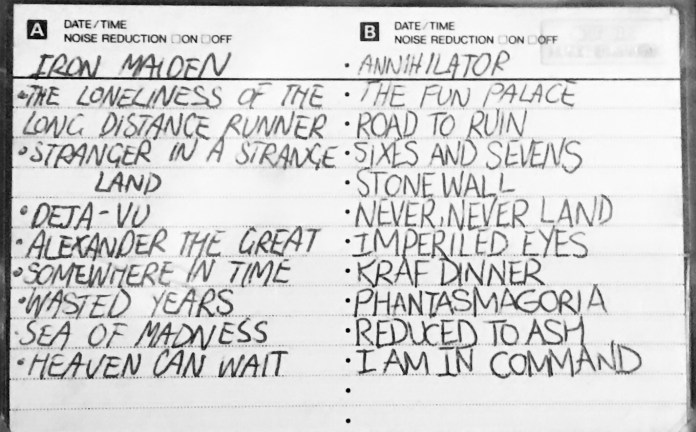
Lucky for me, I had a blank TDK tape handy, so it was a no brainer to get him to copy it.

Since it was a blank tape, I needed to fill up the B side and Mega had a lot of music which I didn’t have. As part of this day together, we also ended up watching the “Shocker” movie and of course, Mega also had the “Shocker” soundtrack on vinyl.

And yes, I was confused with the spelling. The album is called “Alice In Hell” so when I was writing down the track list, my cousin was reading it out to me from the album cover, so when he said “Alison Hell” for song 2, I heard “Alice In Hell” and was about to write that down.

The acoustic guitars of “Crystal-Ann” fills my headspace and the guitar playing technique is excellent and precise. I asked my cousin who the guitarist is and he reads out Jeff Waters from the liner notes. At that stage I’d never heard of him.

By the way, I wasn’t allowed to hold his album covers in case I wrecked em. Actually no one was allowed to touch Mega’s albums except Mega.

Then the evil sounding intro to “Alison Hell” kicks in and when the drums come, you know it’s desk breaking time. And it goes through so many changes and moods before the first verse even starts. To me, this is progressive music. It doesn’t have to be constant time changes, and 50 million notes per bar, which on some occasions is okay, but not all the time. Changes in mood will do the job, and it can all be done in a 4/4 time signature. 

When “Welcome To Your Death” comes in, you get the feeling that Jeff Waters is way ahead of his time in song writing . Not only does he merge the speed and aggression and technical progressive song writing of Megadeth with Slayer, Anthrax, Exodus and Metallica, he also brings in elements of Randy Rhoads and Michael Schenker influences into the mix.

The lyrics and the vocal melodies are not as strong as the artists who had more sales and while people still like to go mental at break neck riffs, their needs to be a message in the words which they can relate to and connect with. 

“Wicked Mystic” is another speed a thon with head banging open string riffs and fast palm muted lines. And that solo, feels like “Over The Mountain” got merged with “Master of Puppets”.

The rest of the album is not as strong as it became too repetitive in the riffs department, with the only light being some cool lead breaks here and there in the songs.

In Australia, we got our music late compared to the rest of the world because of gated releases. I basically heard “Alice In Hell” and the second album, “Never Neverland” in the same year of 1990. However on this day when I was at Mega’s house, I only had one tape with me and it had music on it. On Side 1, was my own Walkman edition of “Somewhere In Time” from Iron Maiden with Side 2 first, and then Side 1. On the second side, I had a mix of Maiden from “The Number of The Beast”, “Piece of Mind” and “Powerslave”. And that was the side which was sacrificed to record “Never, Neverland”.

The difference in production is the first thing you hear. While “Alison Hell” sounded like it was recorded in a garage, “Never, Neverland” had better sonics and a different vocalist. The debut album had Randy Rampage and the second had an unknown called Coburn Pharr, who sounded better. And the reason why Randy Rampage quit the band was to keep his senior role at the shipping docks in North Vancouver.

You see, even back in the 80s/90s artists had to work two jobs to make a living in music, hoping that they will become the 1% of artists which breaks through. A label deal never guaranteed riches. All it did was give an artist an opportunity to participate in the recording business, provided the A&R rep was satisfied with the end output. But it also meant, an artist would have to give up their most valuable asset to the labels to exploit forever.

Another upgrade with this album was the influence of grooves, which Pantera would build a career on and all song writing being done by Jeff Waters, which involved lyrics a person could connect with. 

“The Fun Palace” has a lead break of about 2 minutes which is guitar hero status. And those riffs.

“Road To Ruin” has an interlude, lead section, which blows me away. On the road to ruin with alcoholic speed alright and the song ends with tyres screeching before a smash.

“Sixes And Sevens” has this interlude progressive bit, which hooks me in and when the lead break comes in, Jeff Waters delivers on all levels.

“Stonewall” is another great song, with killer riffs and great lyrics.

“Never, Neverland” has a pretty cool 90 second intro before the verses kick in. And sonically it’s a different song, moving between clean and distorted tones.

The other three albums I have on CD are not available on Spotify Australia which is wrong, but hey, they are all on different labels, like SPV and Music For Nations, so since those companies own the rights, they can do whatever they want with the music.

In saying that, I got “Refresh The Demon” to see what the  band was up to since “Never, Neverland” and I don’t remember a song from it, but it must have been okay, because I purchased “Remains” and was vomiting all over the place when I heard electronic programmed drums and an industrial sound. However in 2002, I gave them another shot with “Waking The Fury” (because the album title reminded me of Yngwie Malmsteen) and I can’t really remember a track from that album either and I haven’t really gone back to the band, except for the first two albums.

And who remembers the CD holder teeth breaking? I only pushed down once and bang they all went.

Standard
A to Z of Making It, Copyright, Music, My Stories, Piracy, Stupidity, Treating Fans Like Shit

In The Court Of The Copyright King

The original intent of Copyright was to give the creator of the work a 14 year monopoly to monetise their work, without it being copied. In turn this would give the creator an incentive to create more works, especially if a work proved to be valuable. Once the term expired (the creator did have the option to renew for another 14 years), the work would fall into the public domain and people would be free to build on it and use it. It’s how Rock and Roll came to be, by reusing blues music in the public domain.

But not all works are valuable. Right now, there are over 30 million songs on streaming services that have no commercial value nor have they being heard. There are millions of books written which hold no commercial value whatsoever and films/tv shows made which no one cares about.

Myspace lost over 50 million songs when it accidently wiped or threw away (depending on who you believe) their servers which held the songs and they had no back up. No one even cared at this cultural loss except archivists.

The issues we have happening today in Copyright are all due to the movie studios, record labels and book publishers. Up until 1998, they had gotten so many laws passed in the name of protecting creators, but in reality, it was to protect their business models. They knew that if they didn’t hold the works of others, they would be challenged to survive.

During this time, they also sold the story that an idea is like real property (aka, intellectual property) and that if someone else comes up with a similar idea, they have stolen your property. So they kept pushing this line and they kept on saying that copyright needs stricter enforcement and longer terms.

And people believed it. But back then when these organisations held the power and creators were still alive, it was all good. But suddenly, creators started dying and their copyrights got passed on to their heirs and suddenly the labels are getting sued.

And now, these organisations are ignoring the law and have no interest in retuning the copyrights back to the creators, because in the recording business, the labels know that the more valuable copyrights they hold, the more power they have at the bargaining table.

A member from The New York Dolls’, Southside Johnny and Paul Collins are taking Sony Music to court, while John Waite and Joe Ely are taking UMG to court, all because the labels are not doing what the law says they should do.

After 35 years, creators have the right to take back their copyrights, as long as they serve the labels with a Notice Of Termination. In these cases, the creators have done everything right, but the labels are still saying NO.

Sony has alleged that the music created by “The New York Dolls” was under a “work for hire” agreement, which the band has challenged.

One thing is certain here, the labels don’t want a precedent set, in case they lose, so they will settle out of court, in the same way they settled out of court for Don Henley, Tom Scholz, David Coverdale, Eminem and many others before that.

And then they will repeat the “works made for hire” cycle again, when another artist who has created valuable art wants to reclaim their copyrights. And off to court they will go, just to settle out of court. Ridiculous, isn’t it.

Creators should have the same rage at cases like these as they do about Spotify’s appeal to the Copyright Royalty Board’s rates increase.

Here is a Billboard article, outlining the rage of songwriters against Spotify, but nothing against the labels for not returning the rights of songs to the creators.

In the letter, the following is mentioned;

“Our fight is for all songwriters: those struggling to build their career, those in the middle class and those few who have reached your Secret Genius level.”

 Umm, sorry, but you guys don’t fight for all songwriters. And you don’t fight for me. A letter written by a marketing person from the Publishers or Labels is proof of that.

The majority of songwriters who are struggling to build their career haven’t made any coin, although they wished they did. So this class of songwriters wouldn’t benefit in any way from the royalty rate increase. And their works will not suddenly become huge, just because the royalty pool was increased.

The middle class if they own their copyrights would see some dollars come their way however the majority of monies would still go to the organisations who hold the copyrights and the artists they hold who represent the 1% of the recording business and have value in their works. And the songwriters will still get pennies because of their shitty deals with the labels and publishers.

And what about the takedown mess happening in the name of Copyright. YouTube cops the blame, however the blame also lives with the organisations sending down takedown requests without doing their investigations to see if the takedown is legit.

Lionsgate took issue with YouTuber AngryJoeShow giving “Hellboy” a bad review, so they took down his video by making a copyright claim (claiming that they own the video). This also means that Lionsgate will receive all the revenue earned by the video. It sounds like Copyright as Censorship for me.

Previously, a YouTuber called “The FatRat” went to war against a Colombian music company after the company claimed a tune which TheFatRat created as theirs. The FatRat issues were solved when YouTube decided to investigate and saw it as a bunch of B.S and removed the claim.

There are issues from YouTube’s side of things as well, as they just take the copyright claims from others as being true, and then when the YouTuber appeals, the organisation which sent the copyright claim has the power to decide whether to grant the appeal of the claim it originally made. To me, this is all B.S. and putting power in the hands of organizations without any due process.

A company representing Disney, made a claim on a Darth Vader video put up by a YouTube channel called “StarWarsTheory”. The channel created a fan film about Darth Vader with all the necessary approvals from Lucasfilm to do it and monetise it. Eventually the claim was lifted by Lucasfilm themselves, who told Disney, this isn’t cool. Even Warner Music Group via their publishing arm Warner/Chappell, put in a claim over the music in the fan film, which they said has notes similar to “The Imperial March”.

And the problem is not just YouTube’s problem. Instagram took down a video by will.i.am because someone sent a copyright claim on it.

“We’ve removed the video you posted at 9:55 am on January 26, 2019 because it included the following content: VIBRATIONS pt. 1 pt.2 by The Black Eye Peas,” reads the alleged Instagram email.”

But hang on a second, will.i.am formed The Black Eye Peas and wrote the song.

Who knows if it was a phishing scam or the corporate copyright holder sending takedown notices via bots. Just goes to show the ridiculousness of the world we live in.

And we still have the stupid legal fight between Twisted Sister/Universal Music and Australian politician Clive Palmer which is going to the courts in June.

We all know that Palmer’s “Australia Aint Gonna Cop It” is a rip off from “We’re Not Gonna Take It”. And we all know that Palmer enquired about using the music of Twisted Sister but when he heard the price, decided to do his own derivative version of the song.

And of course, Clive being the business man that refuses to pay for anything, including the wages of his workers, is saying that his melody is based on “O Come, All Ye Faithful”, a song which is out of copyright.

Jack White is also a Eurovision winner, without even writing a song for Eurovision. What he did do is write a song called “Seven Nation Army” and since the winning song “Toy” had sections which sounded similar to “Seven Nation Army”, Jack White has been added as a co-writer because his label took the writers of “Toy” to court.

Again, these kind of cases puts the idea out there that the notes order of “Seven Nation Army” are so original that only Jack White wrote a progression like that, free from influence.

AND FINALLY for all those people who still believe that the entertainment industry is getting killed by piracy, here is what you should read, The Sky Is Rising, which details how much new content is coming out.

Standard
Classic Songs to Be Discovered, Derivative Works, Influenced, Music, My Stories, Unsung Heroes

1984 – V – Grace Under Pressure

If you are curious here are parts one, two, three and four of the 1984 series.

Pretty Maids – Red Hot And Heavy

I didn’t hear this album until the early two thousands. I had “Future World” on LP, however any other release by the band was available via an expensive IMPORT price of $50 to $70 Australian. And then Napster came along, and then Audio Galaxy, LimeWire and cloud sites like Rapid Share. Suddenly, people’s music collections were available everywhere and at any time.

For this album there was no dropping the needle, it was all about putting on my headphones, plugging them into the computer and pressing play to the mp3 tracks, lined up WINAMP.

It kicks off with what I know as the “Excalibur” theme, and others know as ‘O Fortuna’.

“Back To Back” and “Cold Killer” have cool riffs and show off their NWOBHM influences.

“Red Hot and Heavy” shows off it’s Thin Lizzy, Judas Priest and Scorpions influences.

“Waitin’ For The Time” and “A Place In The Night” are AOR Melodic Rock to a tee.

And that’s why I always enjoyed the albums from “Pretty Maids”. Like Dokken and Y&T, they lived somewhere in between heavy metal and hard rock and melodic pop.

Rush – Grace Under Pressure

Ernest Hemingway said “Courage is grace under pressure.”

And when you are pushing towards the mid 80s, Rush showed true courage in delivering another album full of synth rock. Hell, talk about courage, some songs don’t even feature any bass guitar.

“Distant Early Warning” has a keyboard riff which sounds excellent played on a distorted guitar.

“Afterimage” is my favourite track and “Red Sector A” has this riff from about the 1.10 mark, which makes me press repeat on this track.

This is also the track which has no bass guitar

“Are we the last ones left alive? Are we the only human beings to survive?”

And its these first three tracks which still get played to this day.

The Alan Parsons Project  – Ammonia Avenue

The album came out in February 1984 and it was meant to capitalize on the platinum success of “Eye In The Sky”. And although it went Gold, the album was seen as a failure. MTV was a game changer and if you looked like a studio band, you didn’t stand a chance with a new empowered generation of rock and metal heads.

But to me there are always a few cool tracks on APP albums which I can relate to.

On this one, “Let Me Go Home”, “Dancing On A High Wire” and Pipeline” are stand outs.

Chris DeBurgh – Man On The Line

Chris DeBurgh doesn’t get enough credit as a Rocker because his ballad, “Lady In Red” was so huge, it dwarfed everything else he released. Then again, each album he did release always had more ballads than rockers.

“The Ecstasy Of Flight (I Love The Night)” is the song which stood out for me and I remember hearing it on a music video show and taping it.

Midnight Oil – Red Sails In The Sunset

They write songs about Australia, our environment, our history, our culture and our attitudes.

And it resonated and connected with people.

“Kosciusko” and “When The Generals Talk” are the standouts here.

Meatloaf‘s “Bad Attitude” didn’t have anything earth shattering on it, but the title track and “Surfs Up” are derivative versions of previous Meatloaf songs and are a cool listen.

Billy Squier – Signs Of Life

It all comes back to the “Rock Me Tonite” video.

Cheesy; yes, terrible idea; yes, but did it really kill Squier’s career because in the 80s there was a lot of cheesy bad videos for artists.

Squier like many others had some success early on and then struggled to duplicate it. Twisted Sister comes to mind immediately and so does Quiet Riot. That’s not to say this album doesn’t have good songs, it’s just the audience had moved on.

“All Night Long” is excellent while “Reach For The Sky” has a feel and groove borrowed from The Police and Gotye used a similar groove and feel for “Somebody That I Used To Know”. Quick call the lawyers.

“Hand Me Downs” borrows from “Long Way To The Top” in the verses. Quick call the lawyers again.

Don Henley – Building The Perfect Beast

“The Boys Of Summer” was everywhere and what a song. I didn’t hear the rest of the album until the late 90s. Other tracks which stand out to me are “Not Enough Love In The World”, “Driving With Our Eyes Closed” and “Land Of The Living”.

Standard
Classic Songs to Be Discovered, Derivative Works, Influenced, Music, My Stories

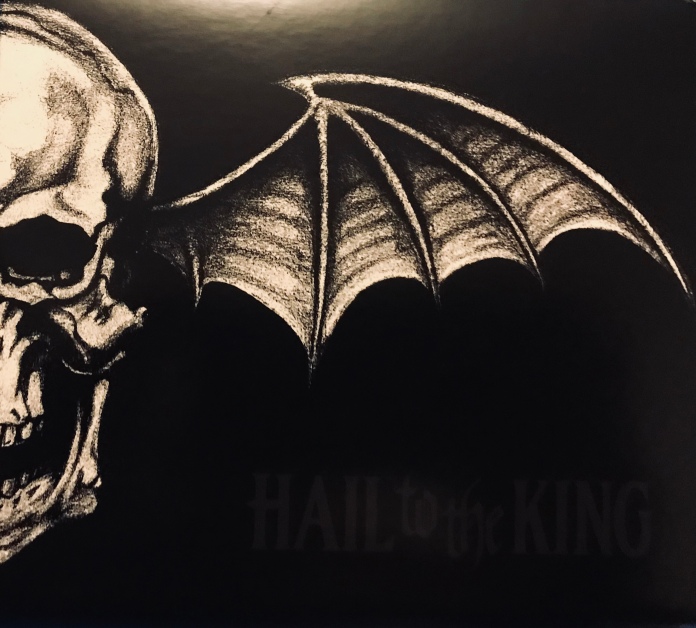
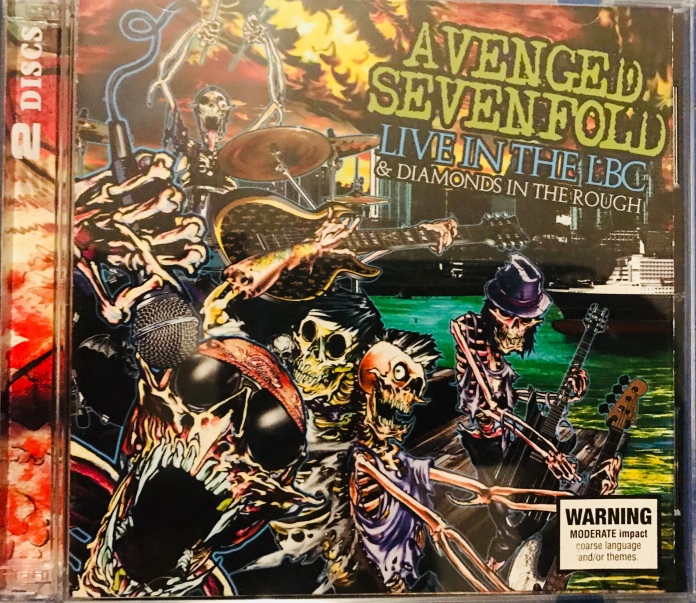
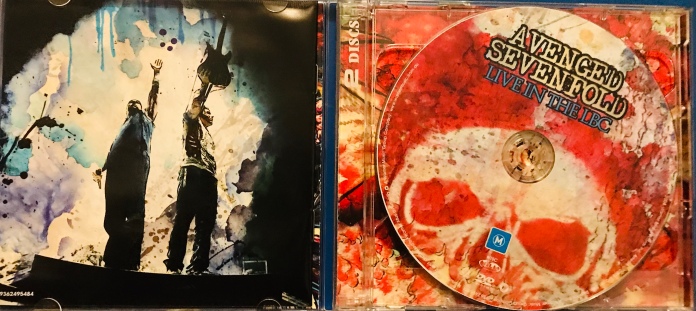
The Record Vault – Avenged Sevenfold

It all started with Guitar World.

Synester Gates and Zacky Vengeance started to appear in the magazine and songs from the band started to appear in the transcription section. One of those songs was “The Beast And The Harlot” and I read the transcription. And I read it again and again and again. There was just so much stuff happening in the song.

So I sat down to play it, without even hearing the song. And I liked what I heard from playing it.

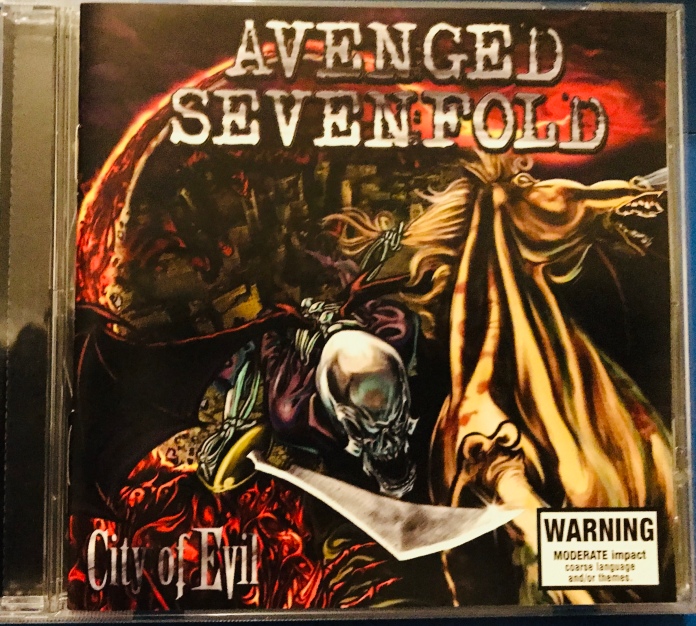
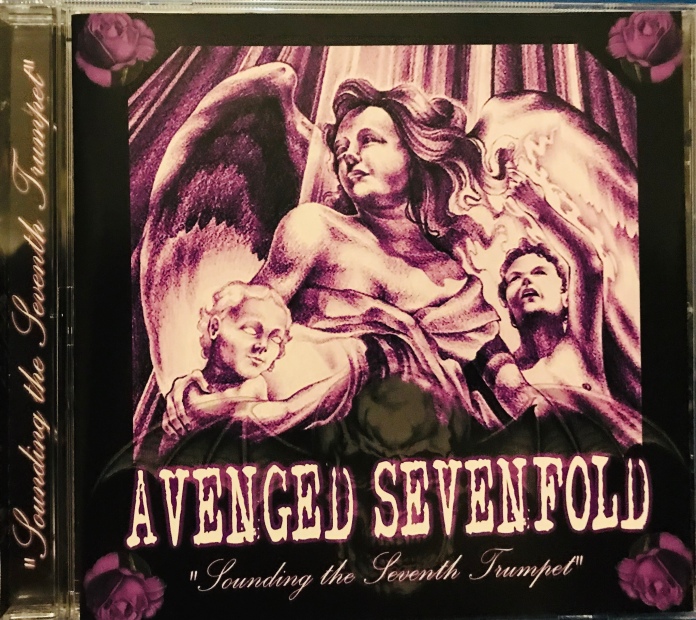
Then I went and downloaded their catalogue which at that point in time, consisted of “Sounding The Seventh Trumpet”, released in 2002, “Waking The Fallen”, released in 2003 and “City Of Evil”, released in 2005, which had the song in question as it’s opening track.

From here on, I purchased the self-titled album on release day, “Nightmare” also on release day and “Hail To The King” also on release day, while also going back and buying the albums I had downloaded. “The Stage” I still haven’t purchased in physical, however I will, purely to have it in my collection.

The “Waking The Fallen” album is all about “Second Heartbeat” to me and those last two minutes that kick in from 4.46 (you need to get through the screaming to taste the elixir). And that lead break from Synester Gates, that goes for the last 49 seconds of the song is the stuff of Guitar Heroes. 

“I Won’t See You Tonight” part 1 is up there as a cool second. And “Clairvoyant Disease” reminds me of Savatage post Jon Oliva era while “Unholy Confessions” has this Judas Priest like riff in the intro which hooks me in. I am pretty sure “Black Veil Brides” used that same riff for the song “Knives And Pens”. 

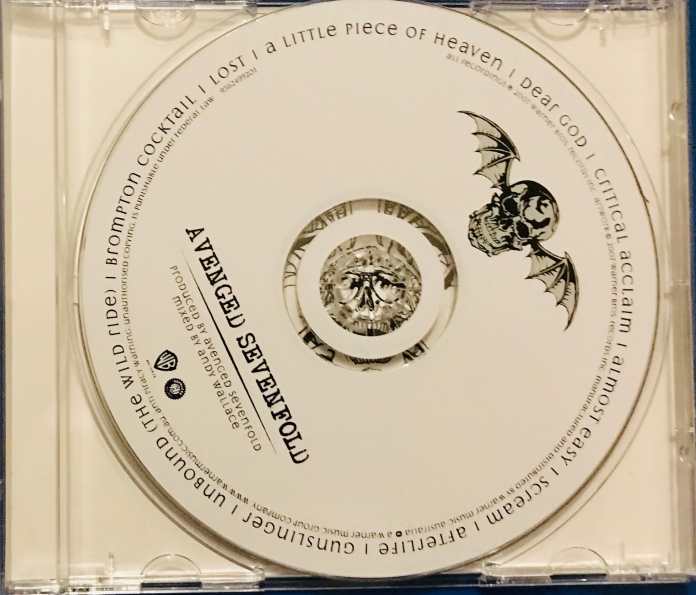
“Critical Acclaim” starts off the self-titled album released in 2007.

All the way from the east to the west we got this high society, Looking down on their very foundation, Constantly reminding us that our actions, Are the cause of all their problems

Pointing their fingers in every Direction and blaming their Own nation for who wins the elections They’ve never contributed a fucking thing to the Country they love to criticize

And what has changed since this song was written. The elite became more elite, they pay and bribe their way through life and for their dumb kids to enter college, they’ve been exposed as using tax havens to launder money and pay no tax and yet everyone else is a problem, except them.

“Almost Easy” is one of their best songs, and drummer “The Rev” does this double kick cymbal thing in it which is insane.

“Afterlife” has this lead break from Synester were he puts pedal to the metal at about the 4.15 mark. To be honest, he puts a lot of the 80’s guys to shame with his technique and feel, incorporating sweep picking, fast legato lines, supersonic picked alternate notes and tapping. 

“Lost” is another song which has a lead break to put all other lead breaks to shame in the outro. Super melodic, with whammy dives chucked in for effect.

“A Little Piece Of Heaven” is one of those defining songs of a band, which combines so many different things into a 7 minute song. You either like it or hate it or just put up with it.

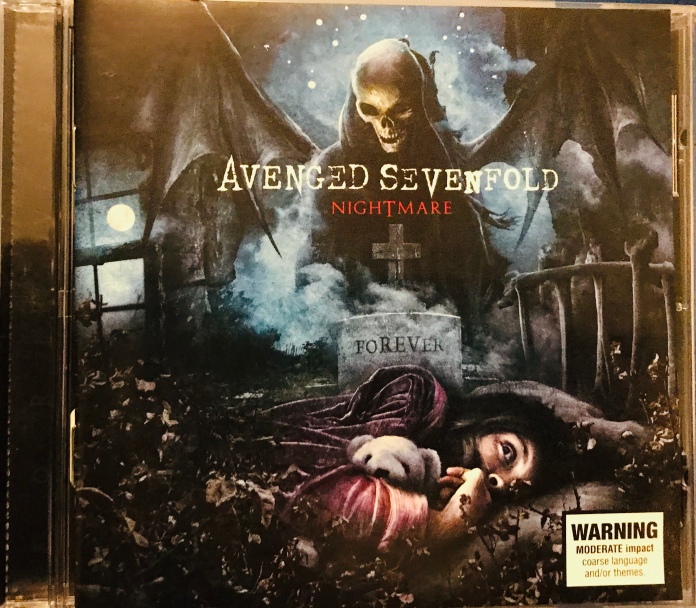
The music box melodies of “Nightmare” kicks off the album that carries its name and after the death of “The Rev”, Mike Portnoy is on drums. It was a perfect fit music wise, maybe not personality wise. And in their pain of losing an important member, Avenged Sevenfold, created an excellent album.

“Welcome To The Family” has this Pantera “Cowboys From Hell” groove merged with Metallica’s “Sad But True” in the verses which I dig as the song transitions between these grooves to punk like choruses and melodic metal harmonies.

“Buried Alive” has an intro that rivals “Welcome Home” and “Fade To Black”. And from about the 4 minute mark its desk breaking time, as the song picks up with harmony leads, some supersonic shredding and sweeping and from about the 5 minute mark it’s Metallica time, ala “Orion”.

“Natural Born Killers” is a blast fest in the verses. “So Far Away” tells their sadness and “God Hates Us” tells their rage. “Victim” tells their sorrow and sadness with gospel voices throughout the song. “Save Me” tells their darkness.

The  burning flames kick off their best album and their most divisive due to all the songs sounding like a song that came before from a certain artist. Hell, this is how music works people. Take something that came before, build on it, put it in your creativity blender and the outcome is art. I’ve already covered this album in detail in a separate blog post.

“Shepherd of Fire” has “Black Sabbath”, “Trust” from Megadeth and “Enter Sandman” from Metallica. Lars Ulrich said the drum beat from “Enter Sandman” is based on AC/DC’s “Dirty Deeds Done Dirt Cheap” and the main “Sandman” riff is based on a song from a band called Excel. Take what came before and make it yours.

“Hail To The King” is AC/DC in the riffs, “Wasted Years” in a gypsy jazz fashion in the intro and “Sign Of The Cross” from Maiden in the Chorus.

“Doing Time” is Guns N Roses. “This Means War” is “Sad But True” from Metallica. “Requiem” is In Flames Euro Metal. “Heretic” is Megadeth’s “Symphony Of Destruction”. “Coming Home” is Iron Maiden.

Basically, music is a sum of our influences. A person that hasn’t heard a piece of music before can say that what they heard right now is original as they have not heard anything else before that. Live long enough and you would know that everything has been written and how we interpret those influences through our own individualism, culture and viewpoint is what makes it sound “original” and there is nothing wrong with that.

But we still have lawyers and heirs of artists or artists who didn’t have a hit, suing artists who had a hit because the songs sound similar. And these kinds of people but the viewpoint out there that the songs they wrote are so original, so unique, so free from influences that only they could have come up with that note pattern, feel and rhythms in the whole history of music.

And I haven’t purchased “The Stage” as yet as I’m streaming it. To me the album concept and themes hook me in and “The Stage”, “Higher” and “Roman Sky” are worthy additions. “Exist” is not far behind.

Standard